
Horror Reimagined: Mike Flanagan and Scarlett Johansson Unite for ‘The Exorcist: Martyrs’
Introduction: A Legacy Reborn
The landscape of cinematic horror is set to shift fundamentally on March 12, 2027, as Universal Pictures prepares to unleash The Exorcist: Martyrs. Bringing together the visionary sensibilities of genre auteur Mike Flanagan—best known for his masterful work on The Haunting of Hill House and Carrie—and the commanding screen presence of Academy Award nominee Scarlett Johansson, this new chapter promises to be more than just a sequel; it is a psychological deep dive into the nature of inherited evil.
For decades, The Exorcist has stood as the gold standard for supernatural terror. By tapping Flanagan, a director renowned for balancing profound human grief with bone-chilling atmosphere, the studio is signaling a shift away from traditional jump-scare tactics toward a more cerebral, visceral experience. As the release date approaches, anticipation has reached a fever pitch, with audiences and critics alike eager to see how this legendary franchise will be reshaped for a modern era.
Main Facts: The Vision Behind the Horror
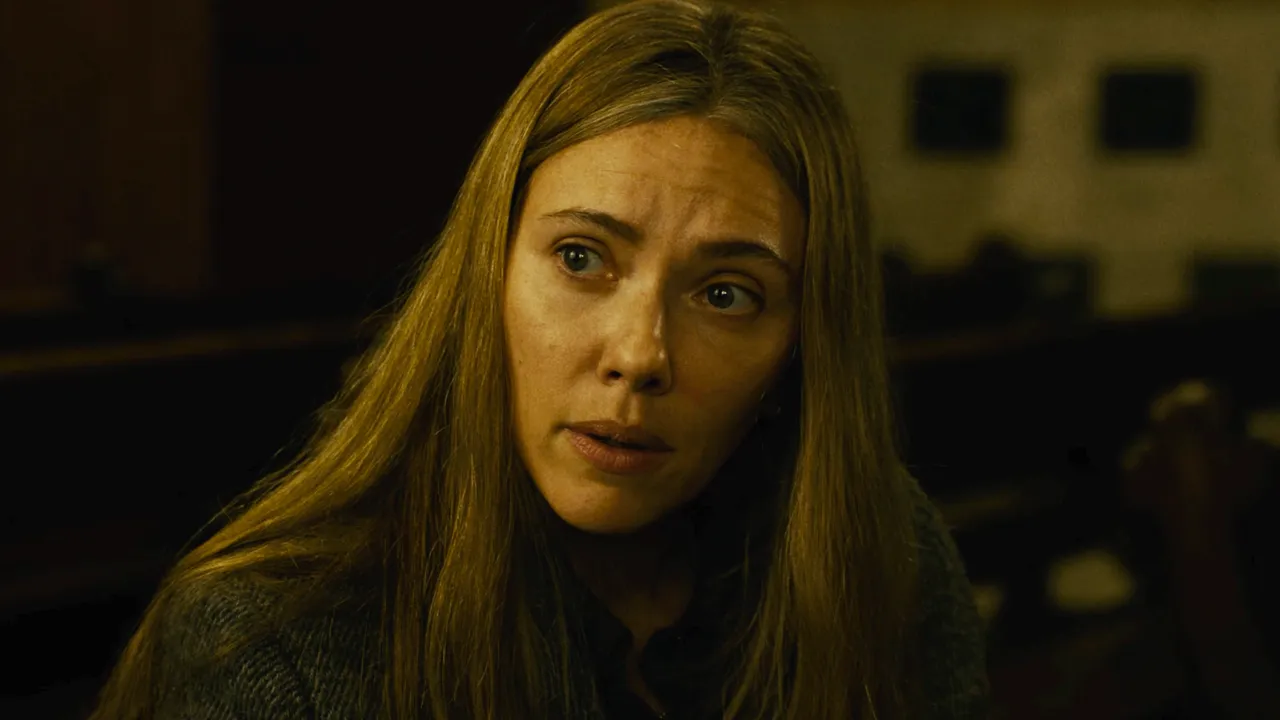
At its core, The Exorcist: Martyrs is a procedural thriller steeped in theological dread. The film follows Julie Miller (Johansson), a hardened New York City detective whose life was defined by the traumatic apprehension of the satanic serial killer known as Father Sunday thirteen years prior.
The production boasts an extraordinary ensemble cast that underscores the gravity of the project. Alongside Johansson, the film features Chiwetel Ejiofor as Father William, a former prison chaplain who serves as the film’s moral compass; Sasha Calle (The Rip) as the ambitious rookie detective Gina Restrepo; and screen legend Laurence Fishburne as the revered Father Nichol. The antagonist, Father Sunday, is portrayed by John Leguizamo, in what insiders are calling a career-defining turn into true, unadulterated menace.
The film is written and directed by Mike Flanagan, drawing from the foundational characters created by the late William Peter Blatty. It is produced by a powerhouse team including David Robinson (The Exorcist series, Dead Ringers), three-time Academy Award nominee Jason Blum (Get Out, The Black Phone), and Flanagan himself.
Chronology: From the Crypt to the Present
The narrative timeline of The Exorcist: Martyrs is a complex tapestry of past trauma and present-day horror.
The Thirteen-Year Shadow
Thirteen years ago, Detective Julie Miller became a local legend for ending the reign of Father Sunday. The case was, by all accounts, closed. Miller, a woman who channeled her trauma into professional excellence, believed she had buried the darkness of the past.
The Resurgence
The inciting incident of the film begins in a desecrated church crypt. When a new killer leaves a chilling calling card—scrawling Julie Miller’s name in the blood of an altar boy—the past violently breaches the present. This act serves as the catalyst for a desperate hunt that spans the city’s underbelly and its highest ecclesiastical chambers.
The Investigation
As Miller re-enters the fray, she finds herself guided by an unlikely trio: the conflicted Father William, the sharp-eyed rookie Gina Restrepo, and a mounting body of evidence that suggests the evil she fought years ago was not a singular event, but part of a historic, sinister lineage. The film’s narrative structure suggests a race against time, as Miller realizes that the evil she faces is not merely human, but something that has been festering for centuries.
Supporting Data: A Lineage of Evil
One of the most intriguing aspects of The Exorcist: Martyrs is its expansion of the franchise’s mythology. Flanagan’s screenplay posits that the horror of the Exorcist universe is not an isolated phenomenon, but a thread connecting historical monsters.
The Historical Connection
The film draws parallels between the fictional Father Sunday and real-world figures of terror, including H.H. Holmes and the Zodiac Killer. By grounding the supernatural in the cold, hard reality of true crime, Flanagan is elevating the stakes. The "filament" that Miller discovers links these killers suggests a cyclical nature to evil—one that evolves with the times but remains rooted in a fundamental corruption of the soul.
Cast and Character Dynamics
The supporting cast provides the human stakes that make the horror resonate.
- Diane Lane plays Mary, Miller’s mother, who provides the domestic grounding necessary to highlight what is at risk.
- Jacobi Jupe (as Max, Miller’s son) represents the next generation that Miller is desperate to shield from the darkness.
- Scoot McNairy (as Clay Silver) and E. Gil Bellows (as Peter Nicks) add layers of intrigue, playing characters whose connections to the central mystery remain tantalizingly ambiguous.
Official Responses and Production Insights
During a recent press junket, producer Jason Blum expressed his excitement about the synergy between Flanagan and the legacy of the franchise. "Mike doesn’t just make horror movies; he makes movies about the fragility of the human spirit," Blum noted. "Adding Scarlett Johansson to that equation gives us a protagonist who feels incredibly real, which makes the supernatural elements feel all the more dangerous."
Mike Flanagan has remained characteristically thoughtful about his approach. "We aren’t trying to replicate the 1973 classic," Flanagan stated in an interview. "That film is a sacred pillar of the genre. Our goal with Martyrs is to honor the internal struggle that Blatty wrote about—the fight between faith and skepticism—and apply it to a world that feels increasingly fragmented and dark."
The production has utilized practical effects heavily, aiming to minimize CGI in favor of the tactile, claustrophobic atmosphere that characterized Flanagan’s previous hits. The cinematography promises to be a character in its own right, with New York City’s urban architecture juxtaposed against the Gothic interiors of the city’s oldest cathedrals.
Implications: The Future of Horror
The release of The Exorcist: Martyrs marks a significant pivot for the horror genre. By bridging the gap between the "prestige horror" movement of the 2020s and the established IP of the 1970s, Universal Pictures is effectively creating a new blueprint for legacy sequels.
Impact on the Genre
If The Exorcist: Martyrs succeeds, it will likely trigger a wave of "auteur-driven" legacy horror films. Studios are watching closely to see if audiences will continue to support high-concept, character-driven narratives within long-standing franchises. The involvement of actors of the caliber of Johansson, Fishburne, and Lane suggests that horror is no longer relegated to the fringes of award-season prestige; it is now a central vehicle for top-tier dramatic performance.
Theological and Social Commentary
The film is expected to ignite discussions regarding the intersection of modern crime and religious belief. By framing serial killing as a form of spiritual corruption, Flanagan is inviting the audience to look beyond the "whodunnit" and into the "why-dunnit." The inclusion of figures like Father William—a character defined by the burden of secrets heard in confession—adds a layer of moral complexity that few horror films dare to explore.
Expectations for the Box Office
Given the star power and the strength of the IP, industry analysts are projecting a record-breaking opening weekend. However, the true test will be the film’s "legs"—its ability to sustain interest through word-of-mouth. If the film captures the emotional resonance of Flanagan’s previous work, it could become the defining horror film of the decade.
Conclusion: A Date with Destiny
As we count down to March 12, 2027, the atmosphere surrounding The Exorcist: Martyrs is one of cautious, breathless anticipation. In an age of franchise fatigue, this project stands out as an anomaly: a film that feels essential rather than obligatory.
Whether it is the haunting promise of John Leguizamo’s performance, the tactical brilliance of Scarlett Johansson’s Detective Miller, or the delicate, terrifying touch of Mike Flanagan’s direction, everything points to a cinematic event that will demand to be seen on the largest screen possible.
The crypts are open, the names are being scrawled, and the darkness is closing in. The question remains: when the evil that transcends the mortal finally makes its presence known, will the truth be enough to save those who remain? We will find out in the spring of 2027. Until then, the silence of the church crypt is, perhaps, the most chilling sound of all.
