
Shaken and Stirred: Grant Morrison and IDW Publishing Team Up for a Revolutionary New James Bond Comic Series
Main Facts
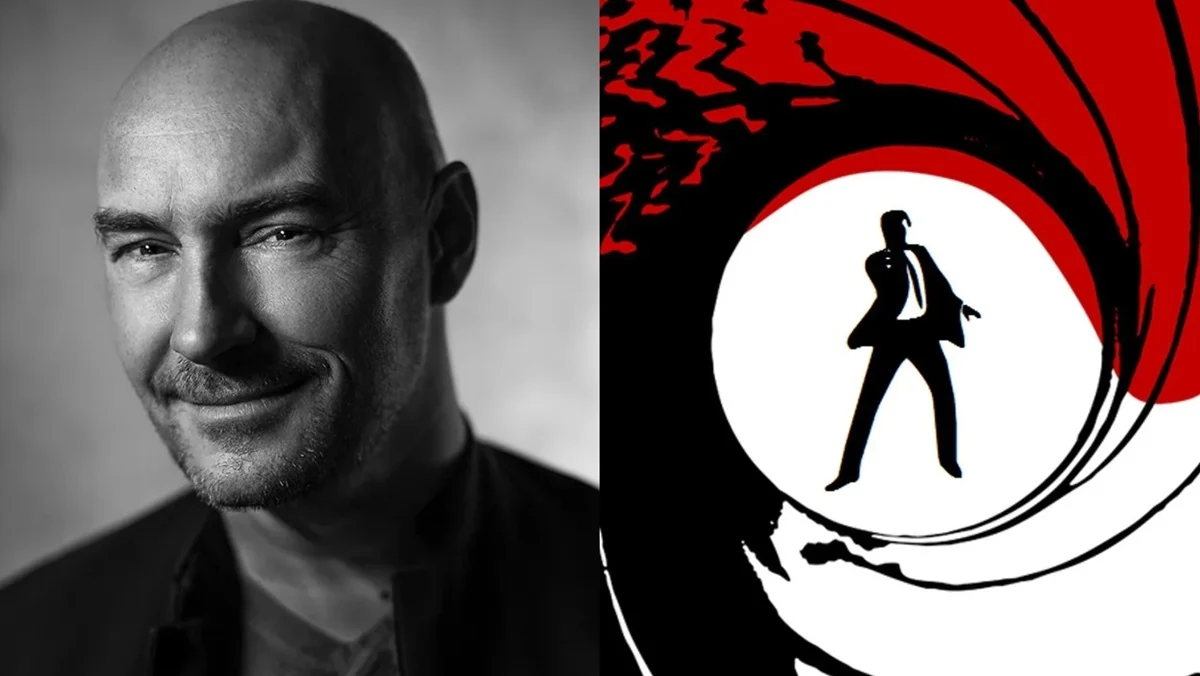
At the recent New York Comic Con, publisher IDW Publishing made a blockbuster announcement that sent shockwaves through the comic book and cinematic communities alike: legendary comics writer Grant Morrison is officially taking on Ian Fleming’s world-famous secret agent, James Bond 007, in an all-new comic book series. Developed in close conjunction with the Ian Fleming estate, the yet-untitled ongoing series promises to redefine the legendary spy for a modern era.
While an official series title, accompanying artist, and exact release date remain under wraps—though hints point toward a 2027 debut—key details about the project have already emerged. The inaugural six-issue opening arc will be titled Sunbreaker. According to early press releases and creative briefs, this explosive first storyline will pit MI6’s top operative against a brand-new ultimate villain "ripped straight from the headlines"—fueling widespread speculation that 007 will be locking horns with a modern tech billionaire or a corrupt Silicon Valley magnate.
Furthermore, Sunbreaker promises to inject fresh adrenaline into the franchise by introducing cutting-edge gadgets, exotic new vehicles, and high-stakes espionage designed to test the limits of Her Majesty’s (or His Majesty’s) most lethal weapon.
Chronology of the Announcement and the Evolution of 007 in Comics
To understand the magnitude of this announcement, one must look at the timeline of James Bond’s footprint in sequential art and Grant Morrison’s illustrious career.
- The Fleming Era and Early Adaptations: James Bond made his literary debut in Ian Fleming’s 1953 thriller Casino Royale. Soon after, the character transitioned into comic strips—most notably in the Daily Express newspaper strips starting in the late 1950s—before finding a sporadic home in various comic book formats over the subsequent decades.
- The Modern Comic Revival: In recent years, publishers like Dynamite Entertainment successfully kept the literary and comic book iterations of 007 alive with acclaimed runs by writers like Warren Ellis, Garth Ennis, and Benjamin Percy. These series often bridged the gap between Fleming’s hard-boiled original novels and the cinematic blockbusters.
- The IDW Era Begins: The torch is now passing to IDW Publishing, which secured the license to produce new James Bond comic books. IDW’s editorial team immediately sought out top-tier talent to launch their tenure, setting their sights on one of the industry’s most transformative voices.
- New York Comic Con Reveal: The partnership culminated at New York Comic Con, where IDW officially revealed that Grant Morrison would helm the flagship title.
- Looking Ahead to 2027: While production is currently underway, fans have been told to temper their immediate expectations as the creative team locks down interior art. Current estimates suggest readers will finally get their hands on Sunbreaker in 2027.
Supporting Data and Creative Context
Grant Morrison is no stranger to taking on foundational cultural figures and reshaping them for new generations. Over a career spanning decades, Morrison has penned definitive, critically acclaimed runs on some of the most iconic characters in pop culture history. Their bibliography includes legendary tenures on DC Comics’ Superman (notably All-Star Superman), Batman (where they introduced a sprawling, multi-year epic that redefined the Dark Horse of Gotham), and Marvel’s New X-Men, alongside boundary-pushing creator-owned masterpieces like The Invisibles, The Filth, and The Multiversity.
Morrison’s approach to serialized storytelling often involves a deep reverence for a character’s history combined with a willingness to lean into the bizarre, the philosophical, and the avant-garde. When applied to a franchise as rigid as James Bond, this methodology creates a fascinating collision of sensibilities.
IDW Publishing has framed the new series not as a slavish imitation of the cinematic universe or a dry recreation of the novels, but as something entirely distinct. In a promotional brief, the publisher stated:
"Expect to see James Bond in a few unfamiliar situations, facing unfamiliar foes, in a world very like our own as reflected in a deadly funhouse mirror — a world of intrigue, violence, double cross and deception. A world through which James Bond glides like a killer shark among minnows. Charismatic, ruthless, unstoppable."
Official Responses and Creator Insights
The announcement was accompanied by a statement from Grant Morrison that highlights their lifelong affinity for the character and their view of 007’s place in modern mythology.
"I’ve been a James Bond fan for as long as I can remember," Morrison said. "And this opportunity to put my own stamp on a British character as iconic as King Arthur, Robin Hood, or Sherlock Holmes, was too good to miss."
This framing is particularly revealing. By grouping James Bond alongside King Arthur, Robin Hood, and Sherlock Holmes, Morrison elevates 007 from a cinematic action hero to a modern folkloric archetype—a malleable myth that can be endlessly reinterpreted, deconstructed, and rebuilt to reflect the anxieties of whatever era he inhabits.
IDW Publishing’s editorial team echoed this sentiment, emphasizing that Morrison’s unique creative voice makes them uniquely qualified to handle a character burdened with decades of contradictory lore, shifting cinematic tones, and strict literary expectations. The Ian Fleming estate, which closely guards the literary integrity of the character, has reportedly given the project its blessing, signaling confidence that Morrison will respect the core DNA of the spy while pushing him into thrilling new territories.
Implications for the Franchise and Pop Culture
The pairing of Grant Morrison and James Bond carries massive implications for both the comic book industry and the broader 007 multimedia empire.
1. A Counterweight to the Cinematic Delay
With Amazon and MGM Studios still deliberating on the casting of the next cinematic James Bond—keeping fans in a prolonged state of suspense regarding who will inherit the tuxedo after Daniel Craig’s departure in No Time to Die—Morrison and IDW’s comic fills a crucial cultural vacuum. It gives 007 enthusiasts a fresh, high-profile narrative playground to explore while Hollywood recalibrates the film franchise.
2. The Return of the "Funhouse Mirror" Spy Thriller
While the modern cinematic Bond has heavily favored gritty, grounded realism and emotional vulnerability, Morrison’s historical body of work suggests we are about to see a pendulum swing back toward the stylized, high-concept, and occasionally psychedelic elements of espionage fiction. Expect elaborate lairs, high-tech absurdity, razor-sharp psychological warfare, and villains with grand, theatrical ambitions.
3. Elevating the Medium of Licensed Comics
Licensed comic books—adaptations of movies, TV shows, or literary properties—are sometimes unfairly dismissed as cash-grabs or filler content. However, when visionary creators like Grant Morrison take the helm, these books often become critical darlings and artistic milestones. Morrison’s involvement immediately elevates the prestige of IDW’s entire publishing line, proving that corporate-owned properties can still be vehicles for avant-garde storytelling.
Will It Have "Gold" in the Title?
As the comic book community eagerly awaits further updates—specifically the announcement of the series artist and the official title of the ongoing book—fans have already begun lighthearted debates. Given Morrison’s well-documented appreciation for franchise traditions, pop-culture history, and classic Bond tropes (such as Goldfinger, The Man with the Golden Gun, and GoldenEye), observers are already jokingly wondering if Morrison will find a way to work the word "gold" into the title.
Until 2027 rolls around and Sunbreaker hits comic shop shelves, all we can do is pour a martini—shaken, not stirred—and prepare ourselves for what is bound to be one of the wildest espionage rides in comic book history.
