
The Shape of Terror: DC Studios’ ‘Clayface’ and the Unintentional Leak of a Horror Icon
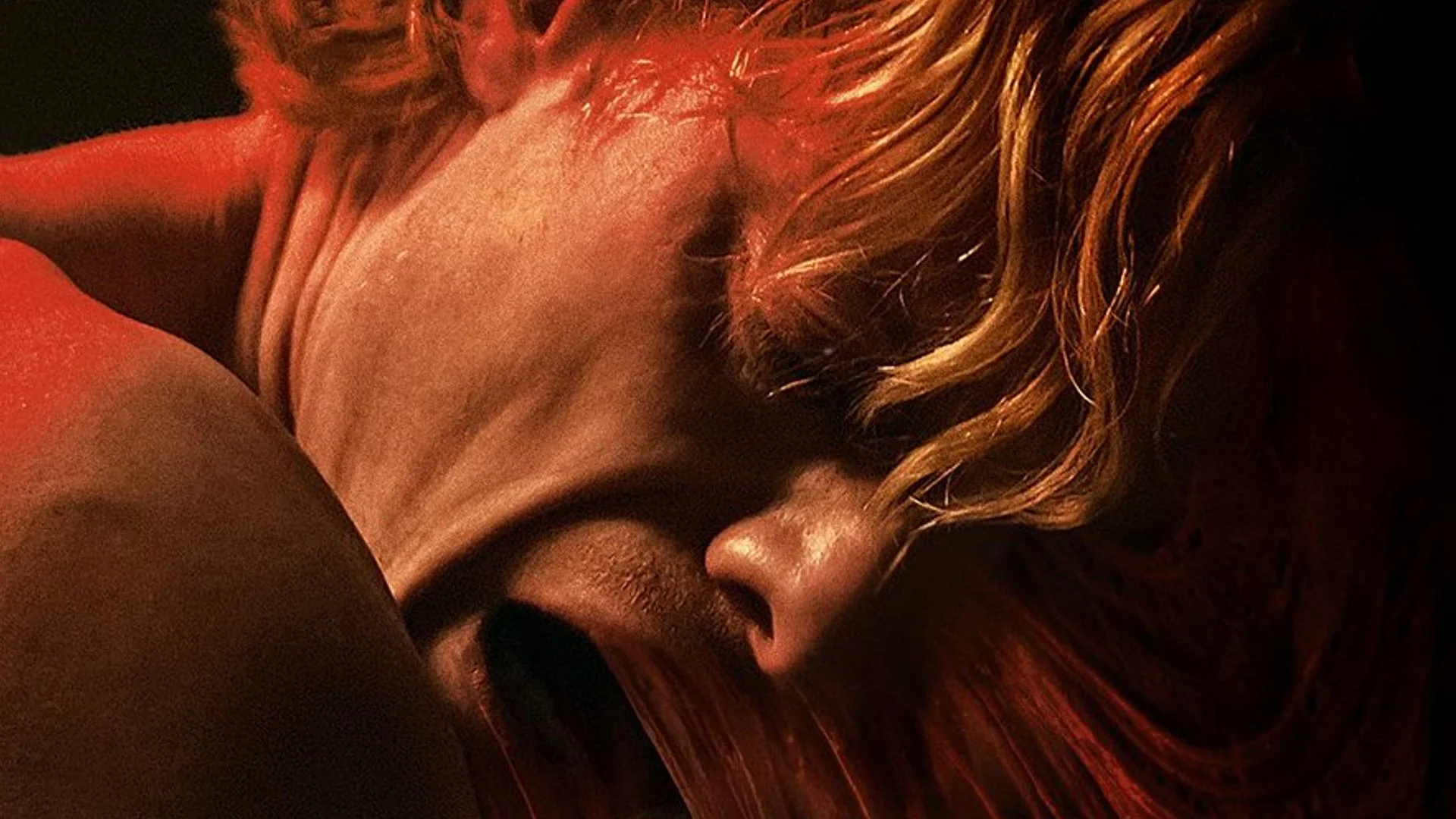
In the modern era of blockbuster cinema, maintaining the mystery of a film’s central antagonist has become an increasingly Herculean task. DC Studios, currently navigating the ambitious rollout of its revamped DC Universe (DCU), has found itself in a familiar predicament: the marketing machine, specifically the merchandising arm, has outpaced the studio’s carefully curated reveal schedule. As anticipation builds for the upcoming horror-tinged thriller Clayface, leaked images of promotional popcorn buckets have provided the public with their most visceral look yet at Matt Hagen’s transformation into one of Batman’s most disturbing rogues.
The Merchandise Slip: A Glimpse into the Abyss
For months, DC Studios has played a game of cat-and-mouse with its audience, shielding the final aesthetic of the monstrous Clayface from the prying eyes of the public. While the film’s trailers have relied on shadow, atmosphere, and the psychological unraveling of its protagonist, the reality of movie theater concessions has shattered that veil of secrecy.
Two distinct collectible popcorn buckets have surfaced, and they appear to offer a definitive look at the creature design. While fans have previously seen interpretations of Clayface in animated formats—most notably in the recent Creature Commandos—translating that fluid, grotesque shape-shifting ability into a grounded, live-action horror aesthetic is a monumental challenge. The buckets depict a creature that leans heavily into the "body horror" genre, favoring a jagged, melting, and raw-flesh appearance that stands in stark contrast to the more comic-book-accurate silhouettes seen in previous iterations.
Industry insiders suggest that while merchandising designs are sometimes produced before final CGI polish is complete, these buckets represent the studio’s intended "brand identity" for the character. The irony is not lost on the film’s production team: in the quest to sell popcorn, the very monster meant to haunt the third act has been rendered in plastic and sold in cinema lobbies weeks before the premiere.
A Chronology of the Transformation: From Page to Screen
The journey of Clayface from a Golden Age Batman villain to a standalone, character-driven horror film is a testament to the shifting tides at DC Studios. Originally appearing in Detective Comics #40 in 1940, Matt Hagen was a treasure hunter who stumbled upon a mysterious, radioactive protoplasm. Over the decades, the character has been reinvented numerous times—from a classic monster to a tragic figure struggling with the loss of his humanity.
The current project, helmed by a creative team intent on pivoting away from traditional superhero tropes, began its development cycle under a shroud of relative secrecy. Throughout the spring and summer of 2024, the studio focused on casting, eventually landing Tom Rhys Harries to portray the tragic figure of Hagen.
The promotional cycle intensified in early September, with the release of cryptic, short-form teasers that focused exclusively on the psychological toll of Hagen’s condition. By mid-September, the "Tickets on Sale" featurette dropped, accompanied by a series of unsettling posters that utilized the "less is more" approach—showcasing only hands, shadows, or eyes. The popcorn bucket leak, which occurred shortly thereafter, serves as the unofficial end to the "mystery phase" of the film’s marketing, transitioning the conversation from what the monster is to how the audience will react to its visual presence.
The Method of the Monster: Tom Rhys Harries’ Preparation
Central to the film’s success is the performance of Tom Rhys Harries. Unlike the typical comic book antagonist who relies on heavy prosthetics and CGI, Harries has emphasized the internal, emotional labor required to play a man literally coming apart at the seams.
In a recent, candid interview with Interview Magazine, Harries shed light on the grueling nature of the audition and production process. Admitting that the three-month screen-testing period was a crucible of anxiety, Harries revealed an unexpected coping mechanism: the notoriously difficult action RPG, Elden Ring.
"I played Elden Ring to switch my brain off during the three months I was screen testing for Clayface," Harries shared. "It probably talks to my level of anxiety throughout that period." The irony of using one of the most stressful gaming experiences in modern history to manage the pressure of landing a career-defining role is not lost on fans. It suggests a performer who thrives in high-pressure, unforgiving environments—a trait likely necessary to embody a character as physically and mentally taxing as Clayface.
Harries has been vocal about his reverence for the screenplay, which he describes as far removed from the "superhero blockbuster" template. He characterizes the script as a "Greek tragedy," focusing on the endless depth of the human condition. "They’ve built these three brilliant acts," he noted. "There’s so much depth, it just gives you scope to be exploring loads of things that feel endless because human beings are endless."
Financial Implications and the "Low-Budget" Strategy
One of the most intriguing aspects of Clayface is its production budget, reported to be in the neighborhood of $40 million. In the context of the DCU, this is a remarkably lean figure. For a studio accustomed to spending $200 million-plus on tentpole features, Clayface represents a significant pivot in business strategy.
Early box office tracking suggests that the film is not projected to open with the explosive numbers typically associated with DC’s flagship characters. However, analysts argue that this "lack of urgency" is a tactical advantage. By capping the budget at $40 million, DC Studios has effectively lowered the bar for profitability. The film does not need to dominate the global box office to be considered a success; it merely needs to find its niche within the horror demographic.
This move signals a broader trend within the DCU: the desire to experiment with genre-specific films that can coexist with larger ensemble pieces. If Clayface succeeds, it provides a blueprint for "mid-budget" DC horror, crime, or thriller films that can build a cult following without the crushing financial pressure of a massive cinematic event. It allows the studio to take risks with visual aesthetics—such as the grotesque designs revealed on the popcorn buckets—that might be considered too "niche" for a general-audience superhero movie.
Implications for the DCU: A New Tone?
The release of Clayface on October 23 serves as a litmus test for the DCU’s appetite for darker, more experimental content. If the audience responds well to the tragic, body-horror focus of the story, it validates the studio’s decision to move away from the "villain-of-the-week" model.
Furthermore, the design choices—which seem to lean heavily into the monstrous rather than the humanoid—suggest that the DCU is comfortable with visual dissonance. By embracing the "terrifying" nature of the character, rather than softening him for a broader audience, the studio is signaling a commitment to character-driven horror.
As we approach the October release, the conversation has effectively shifted. The leaked buckets have turned the audience into investigators, scrutinizing every drop of molded plastic for clues about the film’s commitment to its source material. Will the film live up to the promise of its "Greek tragedy" script, or will it be remembered as a visual spectacle that relied too heavily on its monster-movie gimmicks?
For now, the promotional materials have done their job: they have built a bridge between the curiosity of the comic book fan and the visceral expectations of the horror enthusiast. Whether Clayface can deliver on that promise remains to be seen, but one thing is certain: DC Studios has successfully carved out a space for a different kind of monster, one that is as much about the tragedy of the man as it is about the horror of the transformation.
As theaters prepare for the late October launch, fans are left to wonder: if the popcorn buckets are this unsettling, what has the studio truly kept hidden until the lights go down?
