
The Raw Dog Reckoning: Inside the SiriusXM Comedy Controversy and the Future of Working-Class Comics
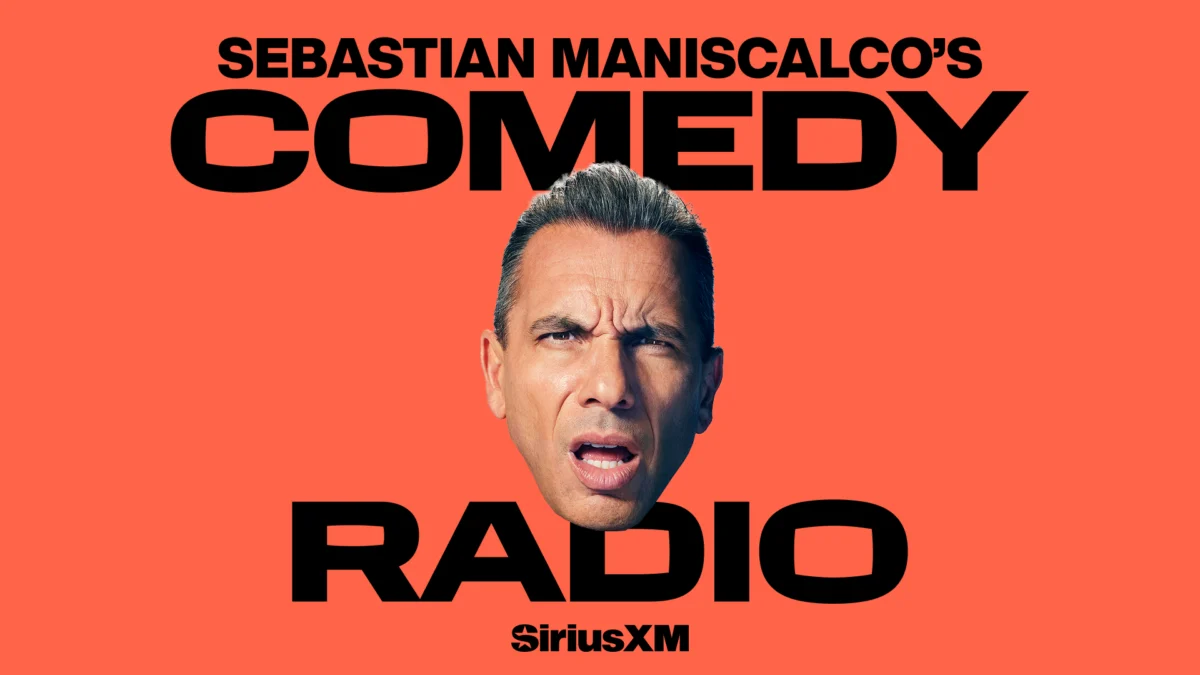
EXCLUSIVE: The landscape of satellite radio’s comedy programming is currently in the midst of a volatile, high-stakes public relations crisis. SiriusXM, the titan of the industry, has officially moved to reframe its position regarding the controversial shuttering of its long-running "Raw Dog Comedy" channel. This pivot comes in response to a growing, viral chorus of indignation from comedians who claim that the platform’s shift toward celebrity-branded programming has effectively dismantled a vital economic lifeline for independent and working-class stand-ups.
As the industry grapples with the fallout, the tension highlights a widening chasm between the elite, arena-filling headliners who command massive contracts and the "middle-class" of comedy—the road warriors who rely on the modest, consistent flow of royalties to sustain their careers.
The Official Stance: SiriusXM Attempts to Clear the Air
In an exclusive statement provided to Deadline, a spokesperson for SiriusXM addressed the firestorm, attempting to decouple the company’s business decisions from the burgeoning backlash against superstar Sebastian Maniscalco.
"SiriusXM has proudly supported the comedy community, and we have been listening to comedians speak out this week," the spokesperson stated. "Our decision to end Raw Comedy was due to the channel’s underperformance and came prior to Sebastian joining the SiriusXM lineup. While the challenges facing working comedians are bigger than any one person or decision, we remain committed, as we have for more than two decades, to making SiriusXM and Sebastian Maniscalco’s Comedy Radio a place where comedians at every stage of their careers can be heard."
The statement represents a clear attempt by the broadcaster to shield Maniscalco—whose new 24/7 branded channel replaced Raw Dog—from the vitriol being directed at him online. By characterizing the shutdown of Raw Dog as a purely performance-based business decision made independently of the Maniscalco partnership, SiriusXM is attempting to steer the narrative away from accusations of "elitism" and toward the objective metrics of media consumption.
A Chronology of the Debacle
To understand the current volatility, one must look back to April 2026, when the initial transition was announced. At the time, the news was framed as an evolution in programming—a way to double down on a proven brand name in Maniscalco to capture a wider audience.
- April 2026: SiriusXM announces a major programming shake-up, signaling the end of the Raw Dog Comedy channel. The vacant space is to be occupied by the newly branded "Sebastian Maniscalco’s Comedy Radio."
- Summer 2026: The transition occurs quietly. Subscribers notice the shift, but the broader industry impact remains under the radar for several months.
- Early 2027: The ripple effects of the lost royalties begin to materialize in the accounting books of independent comedians. The loss of steady, consistent airplay on the Raw Dog channel starts to equate to a noticeable drop in quarterly residual checks.
- The Current Week: The discourse reaches a boiling point. Comedians, spearheaded by advocacy groups and vocal independent performers, take to social media to link the loss of their primary royalty stream directly to the creation of the Maniscalco channel, sparking a viral movement that has forced SiriusXM to break its silence.
The Economic Implications: Why "Raw Dog" Mattered
The outrage is not merely symbolic; it is rooted in the precarious economics of modern stand-up comedy. For years, Raw Dog Comedy functioned as a democratic marketplace for laughter. It provided a platform for a broad spectrum of comedians—from legendary acts to those in the middle of their careers—to have their sets broadcast to millions of listeners.
In the streaming age, royalties are often the only reliable "passive income" for a comic. For the working-class stand-up who spends the majority of their life on the road in clubs and theaters, these royalty payments are not "extra" money—they are a crucial safety net. They pay for insurance, travel costs, and the lean months when bookings are scarce.
The nonprofit advocacy group Stand Up for Stand Up has been instrumental in articulating this grievance. According to their assessment, the evolution of the channel has caused a "concentration of airplay." Instead of a diverse ecosystem of voices, the new channel has moved toward a model that heavily favors the "upper echelon"—the top 1% of comedians who have already achieved household-name status. By narrowing the scope of who gets played, SiriusXM has effectively locked out the diverse pool of talent that once relied on the platform to maintain their career viability.
Voices from the Frontlines: The "Devastating" Impact
Perhaps the most poignant critique has come from comedian Liz Miele, who has become a public face for the concerns of independent artists. Her assessment of the situation highlights the human element behind the corporate restructuring.
"Because of this action, hundreds of comedians will no longer be able to have these royalties," Miele noted in a recent critique. "Working class comedians, people that only make money on the road, that have no safety net, that depend on this money to just survive, are going from having that money to nothing."
Miele’s argument is not necessarily one of total rejection of the new channel, but rather a plea for equity. She suggests that the transition may have been a blind spot for Maniscalco himself, who may not have been fully aware of how the systemic change would cannibalize the income of his peers.
"Perhaps [Maniscalco] had been unaware of the impact," Miele reasoned. "But now you know, and you can help us. You can fix this. We would love to be reincorporated into the channel and start getting the streams and plays that we were getting before you took it over."
The Industry Context: Celebrity vs. Community
The SiriusXM controversy is a microcosm of a larger trend in the entertainment industry: the shift toward "star-centric" programming. In an era where algorithms drive listenership, broadcasters often find it safer to bet on a massive brand name—like Maniscalco—than on the curated, democratic discovery of lesser-known talent.
However, this model risks killing the very ecosystem that produces the next generation of stars. If the "middle-class" of comedy is squeezed out of the market, the pipeline that leads to future headliners becomes clogged. The industry relies on these clubs, these radio shows, and these royalties to sustain the performers who eventually become the superstars of tomorrow.
The Path Forward: What Happens Next?
While SiriusXM has issued a statement, they have yet to offer a concrete plan to rectify the economic losses felt by the comedy community. The "how" of their next move remains the most pressing question. Will they create a secondary channel for independent voices? Will they implement a new royalty structure that incentivizes the inclusion of a wider variety of comics? Or will they maintain their current course, hoping the viral firestorm eventually dissipates as audiences grow accustomed to the new branding?
For the thousands of comedians now watching the situation unfold, the stakes could not be higher. They are asking for a seat at the table—or, more accurately, a few minutes of airtime—to ensure that their craft remains a sustainable profession rather than an impossible dream.
As the situation evolves, the industry is waiting to see if SiriusXM will choose to lean into its role as a supporter of the entire comedy ecosystem, or if it will continue to prioritize the concentrated influence of the elite. For now, the "Raw Dog" debacle serves as a stark reminder: in the digital age, visibility is currency, and when that currency is removed, the impact is felt far beyond the radio waves.
Stay tuned as this story develops. For more on the future of comedy broadcasting, keep your eyes on Deadline.
