
The Changing of the Guard: Why 2026 Grammy Nominations Are Defying Convention
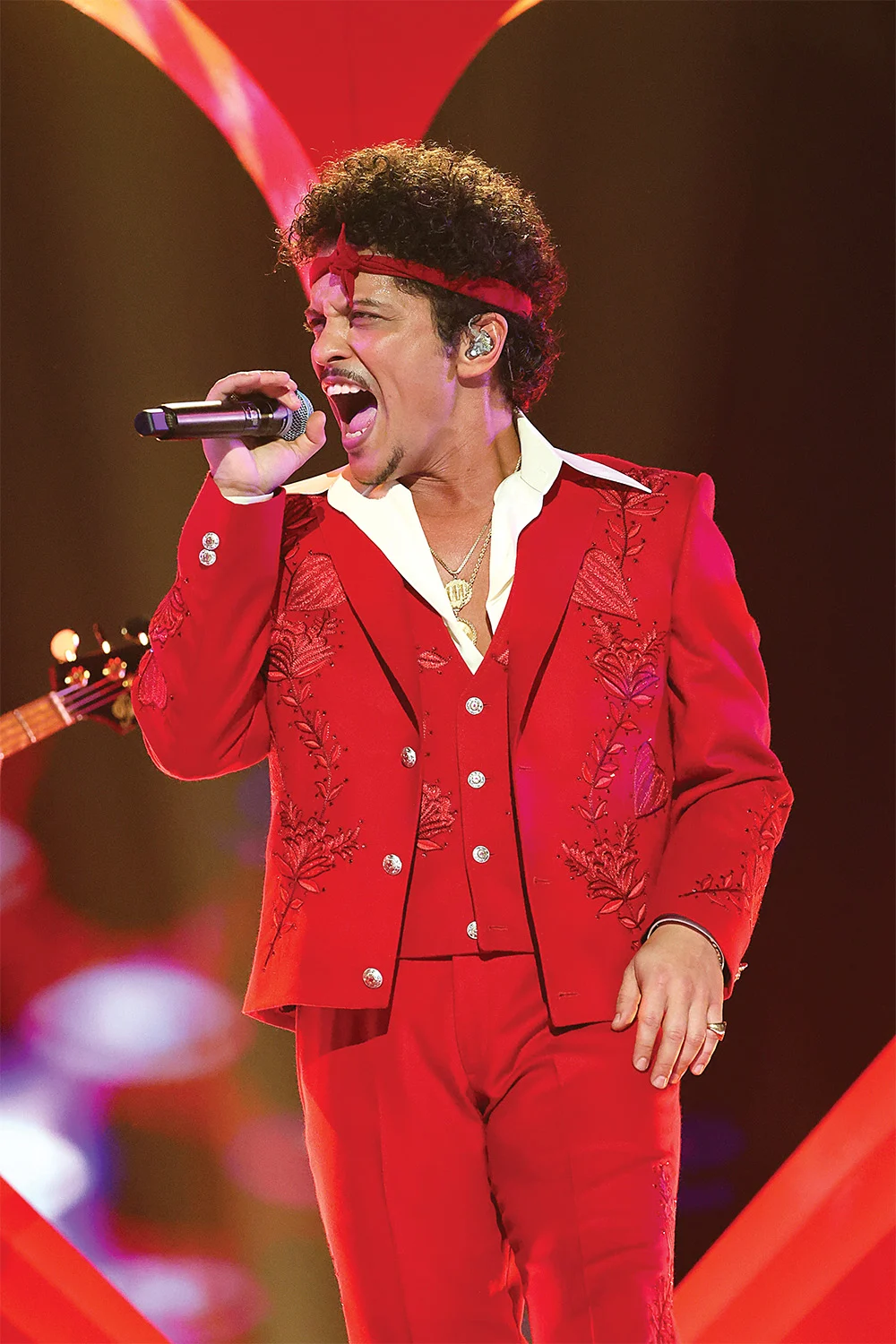
If one had peered into a crystal ball just twelve months ago, the roadmap for the 2026 Grammy Awards seemed preordained. With the industry’s heavyweights—Taylor Swift, Harry Styles, and Bruno Mars—each lining up major releases, the narrative appeared to be a predictable coronation. Yet, as the Recording Academy prepares to unveil the finalists for the 2026 ceremony, the atmosphere is far from settled. The industry juggernauts that once looked like sure-fire contenders are struggling to maintain momentum, and in their place, a new, younger guard—led by two artists sharing the name "Olivia"—has risen to claim the spotlight.
The Decline of the Expected Juggernauts
To suggest that the year’s superstar releases were commercial failures would be a gross mischaracterization. Taylor Swift’s The Life of a Showgirl shattered records to become the fastest-selling album of all time. Harry Styles continues to dominate headlines with a grueling, record-breaking 30-night residency at Madison Square Garden, and Bruno Mars maintained a consistent presence at the top of the charts with "I Just Might," the lead single from The Romantic.
However, for a trio of Grammy darlings who have all previously secured the coveted Album of the Year title, the critical reception and cultural resonance of their 2026 output have proven elusive. Whether due to fatigue, changing listener tastes, or a lack of cohesive "event" status, these icons have struggled to capture the lightning-in-a-bottle energy required to dominate an awards season. They enter the nomination period with diminished enthusiasm, leaving the door wide open for a reshuffling of the hierarchy.

A Chronology of the 2026 Music Landscape
The trajectory of this year’s musical cycle has been defined by three distinct movements:
- The Country Surge (Q1–Q3): The year began with a seismic shift in consumption habits. By September, the Recording Academy faced a reality it has historically struggled to address: country music’s absolute dominance of the mainstream. For the first time in chart history, the top five slots on the singles chart were occupied by country tracks, anchored by the runaway success of Ella Langley’s "Choosin’ Texas," which shattered the record for the longest-standing No. 1 hit.
- The "Olivia" Era (Summer–Autumn): As the pop-rock sphere stabilized, the two Olivias—Rodrigo and Dean—emerged as the primary cultural drivers. Rodrigo’s June release, You Seem Pretty Sad for a Girl So in Love, captured the younger demographic, while Olivia Dean’s The Art of Loving displayed the rare trait of longevity, remaining firmly in the Top 10 for a full year.
- The Protest and Boycott Wave: Throughout the fall, the prestige of the Grammys faced internal strain. Major commercial forces, including Morgan Wallen and Drake, maintained their long-standing boycotts of the institution. Simultaneously, BTS opted out of submissions for Arirang, citing concerns that the creation of a dedicated K-pop category serves to ghettoize Korean artists rather than providing them a fair path to the general pop awards.
The Rise of the "Two Olivias"
In a year defined by fragmentation, Olivia Rodrigo and Olivia Dean have emerged as the most viable candidates for the major categories. Both are former "Best New Artist" winners, and both possess the cross-genre appeal that the Recording Academy has increasingly prioritized.
Rodrigo’s project, You Seem Pretty Sad for a Girl So in Love, is a New Wave-infused narrative that functions as a classic, top-to-bottom relationship autopsy. Its success is bolstered by the massive cultural footprint of her "Daisy Chain Fields" music festival. Conversely, Olivia Dean represents the sophisticated, R&B-leaning vanguard. Her album, The Art of Loving, has been praised for its maturity and enduring quality, proving that "slow-burn" commercial success can be just as impactful as the rapid-fire streaming numbers associated with the pop-rock genre.

Supporting Data and Genre Analysis
The Recording Academy’s historical relationship with country music remains the "elephant in the room." While Langley’s Dandelion is considered a lock for Best New Artist and a serious contender for the major prizes, the Academy’s track record is sparse. Only Swift’s Fearless (2010) and Glen Campbell’s By the Time I Get to Phoenix (1968) have ever secured Album of the Year for a traditional country project. Kacey Musgraves’ Golden Hour win in 2019 was an outlier, categorized more as alternative-country.
Beyond country, the field is crowded with ambitious, critically acclaimed work:
- The U.K. Soul Wave: Raye’s This Music May Contain Hope and the breakout success of Sienna Spiro’s "Die on This Hill" highlight a continued appetite for the pop-soul crossover sound that historically resonates with voters.
- Legacy and Critical Darlings: Madonna’s Confessions II has been hailed by critics as her strongest work in two decades, positioning her as the most likely "legacy" act to secure a major nomination. Meanwhile, Rosalía’s Lux remains a critical favorite, and with the Academy’s recent pivot toward diverse, non-English language winners, her inclusion is all but expected.
- Indie Rock: Phoebe Bridgers returns with Lost Weekend, a project that stands to benefit from the momentum of her previous massive success with boygenius.
Official Responses and Strategic Positioning
The silence from the industry’s biggest names speaks volumes. While Swift has remained visible—notably participating in a high-profile Q&A with Grammy CEO Harvey Mason Jr.—her focus appears to be split. She performed "I Knew It, I Knew You" from the Toy Story 5 soundtrack at the event, a song that marks a strategic return to her country roots.

Insiders suggest a calculated strategy: Swift is likely to push "The Fate of Ophelia" for Record of the Year to capture the pop vote, while utilizing "I Knew It, I Knew You" to court the songwriters’ block. Industry observers suspect that Swift’s ultimate target for the latter track may be an Oscar nomination, a goal that seems increasingly attainable.
Implications for the 2026 Awards
The 2026 Grammys will be remembered as the year the "Big Four" categories became truly democratic. It is highly probable that the awards will be split among four different women, marking a significant shift in the power dynamics of the industry.
The implications for the Recording Academy are clear: the institution must navigate the tension between the "too big to fail" legacy artists and a new generation of musicians who value narrative, artistic longevity, and cross-genre fluidity. For Harry Styles, the challenge is particularly acute; his latest project, Kiss All the Time. Disco, Occasionally, challenged his fanbase and failed to maintain the commercial fire of Harry’s House. He currently stands as the most prominent "odd man out" in the race.

As the nomination day approaches, the industry is witnessing a transition. The era of the monolithic, all-encompassing superstar winner is receding, replaced by an ecosystem where the "Best Album" is defined not just by raw units sold, but by the ability to connect deeply across fragmented digital audiences. Whether the Academy chooses to embrace this shift or retreat into the safety of established legacy acts will determine the cultural relevance of the 2026 ceremony. One thing is certain: when the dust settles, the story of the year will be less about the giants who stumbled and more about the rise of a new, multifaceted class of artists who defined the sound of 2026.
