
Robert Eggers’ Medieval Nightmare Werwulf Secures Exclusive 35mm Christmas Engagements, Bringing Analog Authenticity Back to the Big Screen
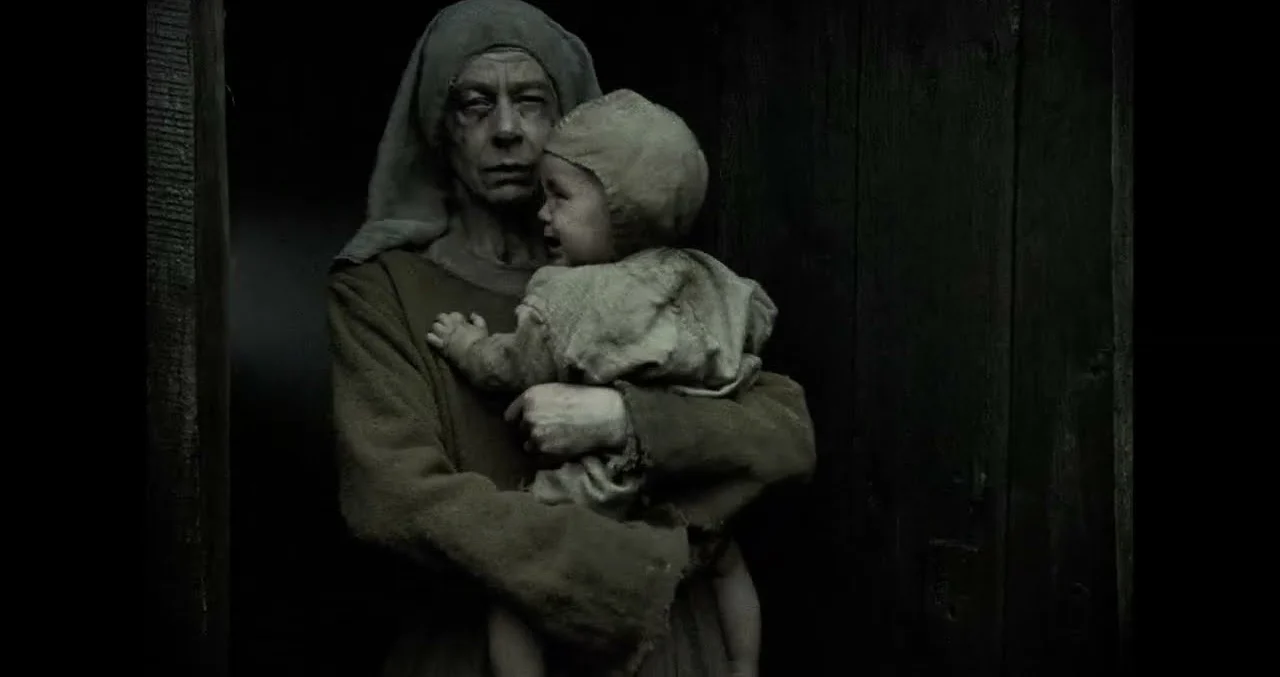
LOS ANGELES — For cinephiles and horror aficionados who prefer their celluloid smelling of old vinegar and projection-room dust, the holiday season is getting a distinctly darker, more visceral tint. Focus Features has officially launched ticket sales for exclusive, limited 35mm film screenings of Robert Eggers’ highly anticipated medieval horror feature, Werwulf.
The announcement, initially broken by Bloody Disgusting, confirms that audiences willing to seek out participating independent arthouses and specialized cinematheques will be able to experience Eggers’ latest historical descent on actual film prints. With the official "Get 35mm Tickets" portal now live on the official Focus Features website, the race is on for collectors and purists to secure seats for what is shaping up to be one of the most uncompromising cinematic events of the year.
While the nationwide standard digital rollout is slated for Christmas Day—December 25—the 35mm photochemical presentation offers a rare tactile connection to a medium that modern Hollywood has largely abandoned in favor of cold, digital files.
Main Facts: What We Know About the Werwulf 35mm Rollout
The distinction between a standard digital projection and a 35mm theatrical print is not merely academic for a director of Robert Eggers’ caliber. Known for meticulous historical recreation, atmospheric lighting, and a preference for practical effects, Eggers crafted Werwulf as a visceral artifact of 13th-century dread.
Key details of the release include:
- The Format: A strictly limited theatrical run utilizing authentic 35mm film prints.
- The Release Date: Select venues are initiating screenings as early as Christmas Eve (December 24), with the broader national release hitting standard theaters on December 25.
- The Distribution: Handled by Focus Features, which has updated its ticketing portal to distinguish standard digital screenings from the coveted analog engagements.
- The Cast & Crew: Co-written by Eggers and acclaimed Icelandic author/poet Sjón, the film stars Aaron Taylor-Johnson, Lily-Rose Depp, Willem Dafoe, and Ralph Ineson.
- The Specs: The Motion Picture Association (MPA) has officially rated Werwulf R for strong bloody violence, disturbing images, and brief language, with a confirmed runtime of 120 minutes.
Because physical prints are expensive to strike, fragile to transport, and require specialized projectionist labor, only a select handful of theaters nationwide have secured 35mm copies. Prospective ticket buyers are strongly advised to double-check formatting details on theater websites before completing their purchases to ensure they are buying into the analog experience.
Chronology: From Production to the Holiday Release
The journey of Werwulf to the silver screen has been marked by a deliberate, atmospheric marketing campaign that steadily built anticipation among horror enthusiasts and arthouse crowds alike.

- Early 2024–2025 (Production & Principal Photography): Robert Eggers and his frequent creative collaborators set out to capture a brutally authentic medieval world. In interviews, including a notable profile with Esquire UK, Eggers confirmed that the production was shot natively on 35mm film, eschewing the hyper-clean digital aesthetics common in contemporary blockbusters.
- Mid-2026 (The First-Look & Trailer Drop): Focus Features released promotional materials and trailers that turned conventional holiday cheer on its head, framing Christmas as a grim, mud-soaked medieval nightmare governed by superstition, freezing fog, and monstrous preternatural threats.
- December 2026 (Ticketing Launch & Venue Announcements): As the holiday season approached, horror news outlets such as Bloody Disgusting and iHorror reported the rollout of the 35mm ticket sales. Focus Features integrated direct booking options onto its official platform, prompting regional arthouses to announce their specialized exhibition plans.
- December 24–25, 2026 (The Premieres): Early-bird 35mm engagements kick off at prestigious independent venues like Nashville’s Belcourt Theatre on Christmas Eve, immediately followed by nationwide standard digital screenings and select coastal 35mm runs on Christmas Day.
Supporting Data: Confirmed Venues, Perks, and Technical Realities
Securing a 35mm print for a major studio release is a logistical hurdle in the modern era, requiring dedicated coordination between distributors, archives, and local projection booths. Two major cultural institutions have already published their itineraries, giving fans a template of what to expect from these rare screenings.
The Belcourt Theatre (Nashville, Tennessee)
The historic Belcourt Theatre has billed its run as an "Exclusive 35mm Engagement." Demonstrating dedication to the holiday crowd, the venue has scheduled showtimes to begin on Thursday, December 24—a full day ahead of the national commercial rollout.
Jacob Burns Film Center (Pleasantville, New York)
Located just north of New York City, the Jacob Burns Film Center will launch its 35mm run on Christmas Day. To ensure the presentation meets the highest standards of celluloid exhibition, the center has implemented a modest ticket surcharge specifically earmarked to cover extra projectionist staffing—a testament to the specialized labor required to run physical film reliably across a two-hour runtime.
Collector Incentives and Box Office Bonuses
To reward early birds and analog enthusiasts, both the Belcourt Theatre and the Jacob Burns Film Center have partnered on a promotional giveaway. The first 25 ticket buyers at each venue who pick up their tickets at the box office or present a valid purchase confirmation will receive a limited-edition Werwulf hat, available while supplies last.
Industry Note: Because 35mm prints are subject to unexpected mechanical wear, splice breaks, or shipping delays, theater programmers note that showtimes and print availability remain fluid. Audiences are encouraged to verify format details directly with venue box offices before traveling.
Official Responses and Creative Vision: Why Film Fits Eggers
To understand why a 35mm release matters for Werwulf, one must look to the director himself. Robert Eggers has carved out a singular niche in modern cinema through uncompromising historical immersion—from the seventeenth-century Puritan paranoia of The Witch to the nineteenth-century nautical madness of The Lighthouse and the grim Viking brutalism of The Northman.
In his interview with Esquire, Eggers explained the philosophical and aesthetic necessity of shooting on physical stock:

"We shot on 35mm film, so a projected print brings the movie closer to how it was made."
Eggers’ directorial signature relies heavily on naturalistic and period-accurate lighting—building tension out of flickering firelight, dense rolling fog, and textures that evoke the grit of the era. According to film historians and critics, celluloid interacts with light in a way that digital sensors struggle to replicate, capturing organic grain, dynamic range fall-offs, and a warm, tactile depth that mirrors the organic decay of the medieval world.
By pairing Eggers’ directorial style with a script co-written alongside acclaimed Icelandic writer Sjón—whose literary work often blurs the line between stark historical realism and dark folklore—Werwulf promises an intellectual and sensory experience far removed from standard studio horror fare. The inclusion of heavyweights like Willem Dafoe, Aaron Taylor-Johnson, Lily-Rose Depp, and Ralph Ineson further anchors the production in high-caliber dramatic traditions.
Implications: The Revival of Celluloid in Modern Studio Horror
The decision by Focus Features to support a concurrent 35mm release for a wide-platform Christmas release carries significant weight for the contemporary exhibition landscape.
For years, the transition to digital cinema packages (DCPs) has steadily squeezed 35mm projection out of mainstream multiplexes. Specialized projectionists are retiring, film labs have dwindled, and maintaining print logistics is a costly endeavor. However, boutique horror releases and auteur-driven genre films have increasingly proven that a dedicated subculture of cinephiles will actively seek out physical formats.
By catering to this demographic, studios like Focus Features achieve two vital goals:
- Cultivating Event Status: Transforming a moviegoing outing from a casual weekend trip into an unrepeatable, ritualistic event. A digital screening is ubiquitous; a 35mm screening is a fleeting, ephemeral experience bound to a specific physical object.
- Engaging the Hardcore Fanbase: Cultivating fierce loyalty among horror communities, film archivists, and physical media collectors who view celluloid preservation as a form of cultural stewardship.
As Werwulf slashes its way into theaters this Christmas, the scent of burning carbon arc lamps and the rhythmic mechanical clack-clack-clack of the projector will offer a fittingly archaic welcome to Robert Eggers’ 13th-century nightmare. For those lucky enough to secure a seat at a participating 35mm venue, the holiday season promises to be wonderfully, terrifyingly authentic.
