
The Final Frontier of Storytelling: The 15 Best Sci-Fi Movie Endings of All Time, Ranked
In the vast lexicon of cinema, the science fiction genre holds a unique position. It is a playground for "what-if" scenarios, philosophical inquiries, and grand-scale spectacle. However, the true test of a sci-fi masterpiece is not merely its world-building or its visual effects—it is its ability to stick the landing. A mediocre ending can retroactively dismantle the goodwill built by two hours of narrative tension, while a perfect one can elevate a film from a mere genre exercise into a piece of cultural history.
A stellar sci-fi ending often functions as a narrative "gut punch"—a sudden shift in perspective that forces the audience to re-evaluate everything they have witnessed. Whether it is a devastating realization, a quiet moment of profound human connection, or a pulse-pounding, high-stakes triumph, these conclusions loom large in our collective imagination. Here, we analyze and rank the 15 most impactful, thought-provoking, and iconic conclusions in the history of science fiction cinema.
15. The Matrix (1999)
The Shift: From Simulated Slave to Reality-Bending Hero.
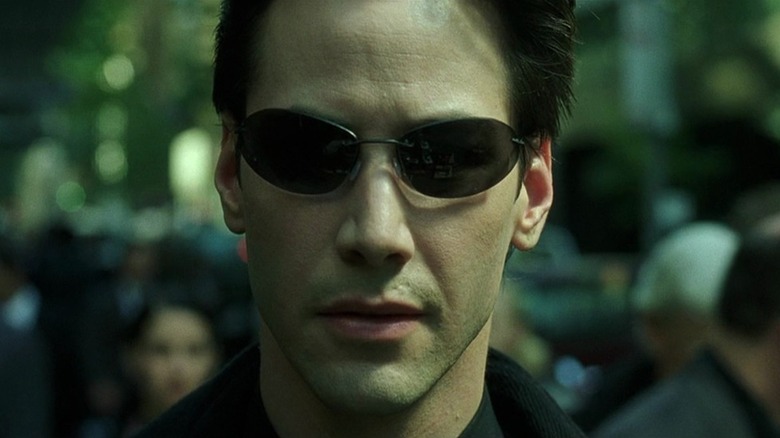
The Matrix arrived at the dawn of the 21st century, perfectly capturing the anxieties of the burgeoning Information Age. The film’s climax is the definitive origin story for a modern superhero. After being gunned down by Agent Smith, Neo (Keanu Reeves) undergoes a spiritual and technical resurrection, realizing that the reality he has been fighting in is merely code. By defeating Smith and stepping into his power, Neo shifts the narrative from a story about survival to one about agency. The film’s epilogue, featuring Neo’s warning to the machines before he takes flight, serves as a powerful promise of human liberation. It remains the benchmark for "the hero’s journey" in a digital landscape.
14. Total Recall (1990)
The Shift: Reality as a Rorschach Test.
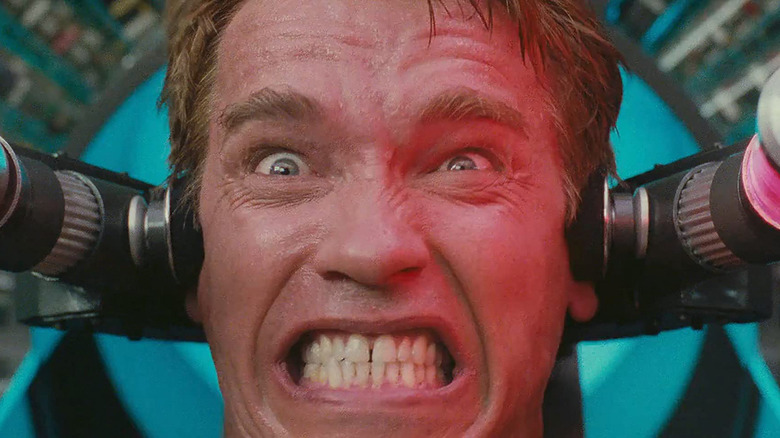
Paul Verhoeven’s Total Recall is a masterpiece of ambiguity. Starring Arnold Schwarzenegger as Doug Quaid, a construction worker seeking a manufactured vacation on Mars, the film spirals into a conspiracy-laden adventure. The brilliance of the ending—in which Quaid saves the day by triggering an ancient alien artifact—is that it refuses to provide a definitive answer. The final, blinding flash of white light leaves the viewer questioning whether Quaid ever left the chair at Rekall. By opting for a surreal, open-ended conclusion, Total Recall maintains its status as one of the most intellectually stimulating action films of the 20th century.
13. Close Encounters of the Third Kind (1977)
The Shift: A Symphony of Awe.
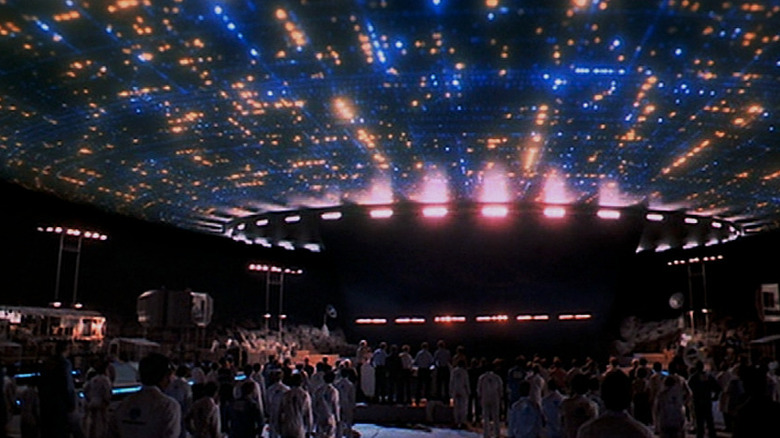
Steven Spielberg’s first foray into pure science fiction is a meditation on obsession. Roy Neary (Richard Dreyfuss) abandons his domestic life, driven by a compulsion to reach Devils Tower. The climax, featuring the arrival of the massive mothership, is less about conflict and more about communication. By eschewing the "invading alien" trope for a "first contact" wonder, the film hits a rare emotional frequency. The versions of the film that end before we see Roy inside the ship are the most effective; they leave the audience in a state of harmonious mystery, perfectly capturing the terror and beauty of the unknown.
12. 2001: A Space Odyssey (1968)
The Shift: The Evolution of Consciousness.
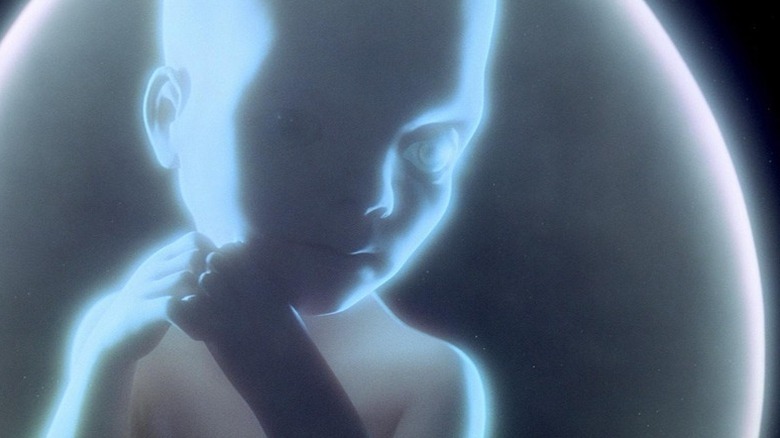
Stanley Kubrick’s seminal work remains the gold standard for avant-garde sci-fi. After the cold, clinical horror of the HAL 9000 malfunction, the film descends into a psychedelic, wordless journey through time and space. Dave Bowman’s transformation into the "Star Child" is an iconic, albeit polarizing, conclusion. While Kubrick offered explanations years later, the film’s power lies in its refusal to be easily decoded. It suggests that humanity is merely a stepping stone in a cosmic evolutionary process—an idea as terrifying as it is awe-inspiring.
11. The Mist (2007)
The Shift: The Cruelty of Fate.
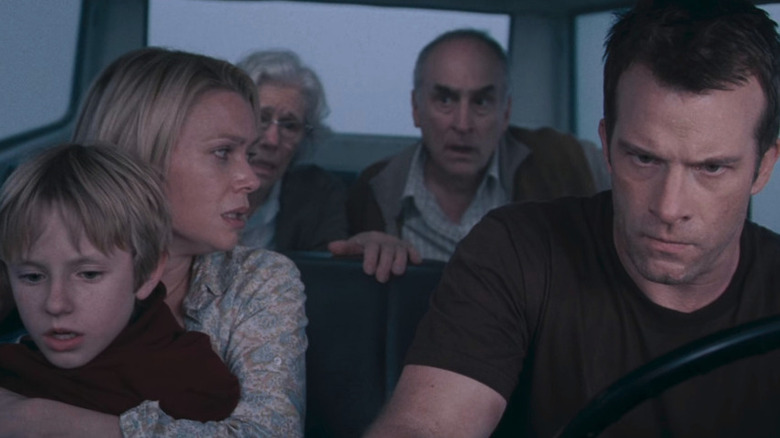
Frank Darabont’s adaptation of the Stephen King novella is, quite simply, the bleakest ending in modern sci-fi history. After surviving a town-wide infestation of interdimensional monsters, David Drayton (Thomas Jane) makes an agonizing, rational choice to spare his fellow survivors—including his son—the pain of being torn apart by creatures. Seconds later, the military arrives to save the day. The irony is so sharp it cuts through the screen. King himself admitted he wished he had thought of this ending, which serves as a harrowing reminder that sometimes, hope is extinguished just moments before the dawn.
10. Invasion of the Body Snatchers (1978)
The Shift: The Futility of Resistance.
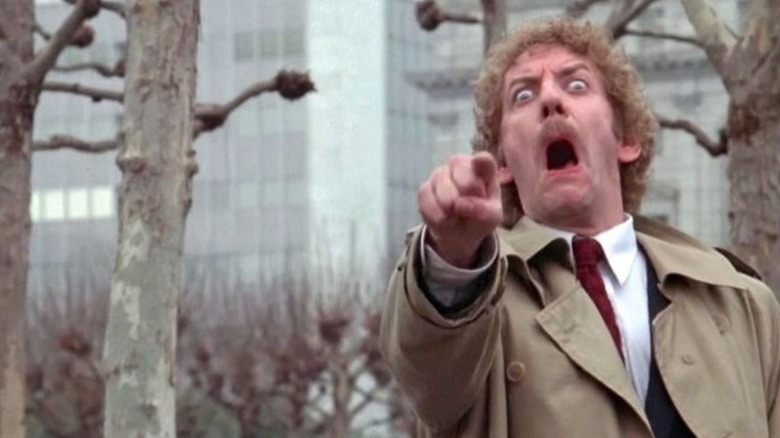
Philip Kaufman’s remake is a masterclass in mounting dread. In a world where your neighbors are slowly being replaced by emotionless duplicates, the film builds toward an ending that is famously nihilistic. When Veronica Cartwright’s character finally finds a familiar face in Donald Sutherland, the relief is short-lived. Sutherland’s sudden, guttural shriek and finger-point is the stuff of nightmares. It confirms that the infection has won, and that the individual is no longer relevant. It is a bleak, perfect conclusion to a story about the loss of human identity.
9. Arrival (2016)
The Shift: Time as a Circle.
Denis Villeneuve’s Arrival is a rare example of a film that uses high-concept linguistics to deliver a profound human truth. The twist—that the daughter we see in the opening montage has not yet been born, and that Louise Banks (Amy Adams) knows her life will end in tragedy—transforms the film into a beautiful, circular meditation on grief and choice. By accepting the sorrow that will come, Louise chooses to embrace the experience of life anyway. It is an ending that is both intellectually complex and emotionally devastating.
8. Alien (1979)
The Shift: The Final Girl.
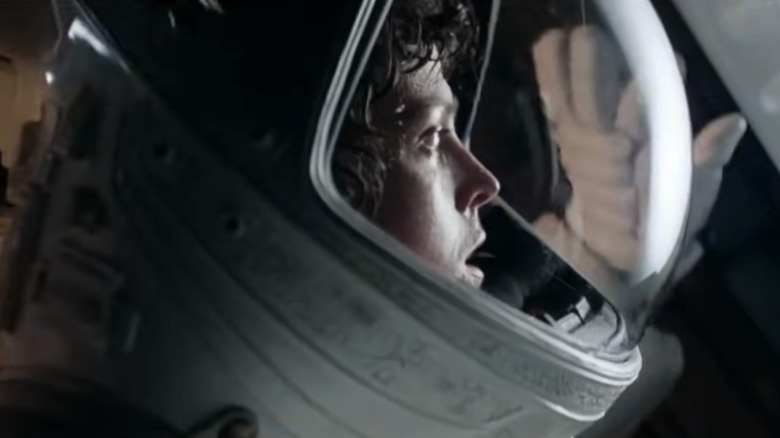
Ridley Scott’s Alien is essentially a haunted house movie set in the cold vacuum of space. The brilliance of the ending is the "fake-out"—the moment the audience thinks Ellen Ripley (Sigourney Weaver) has escaped, only to realize the Xenomorph is in the shuttle with her. The final sequence, where Ripley lures the creature into the airlock, is a masterclass in tension. It cements Ripley as the definitive "final girl" and sets the tone for a franchise defined by its claustrophobic, relentless pursuit of survival.

7. The Thing (1982)
The Shift: The Paranoia of Uncertainty.
John Carpenter’s The Thing ends with the ultimate question: Who can you trust? After destroying the Antarctic station to prevent the shape-shifting creature from reaching civilization, the only two survivors, McCready (Kurt Russell) and Childs (Keith David), sit in the snow, waiting to freeze. The film ends on their mutual suspicion. Neither knows if the other is human. This ambiguity is the point; the film is a portrait of absolute paranoia, and by ending in the cold dark, it denies the audience the comfort of a resolution, leaving the horror to simmer indefinitely.
6. Star Wars: A New Hope (1977)
The Shift: The Joy of Victory.
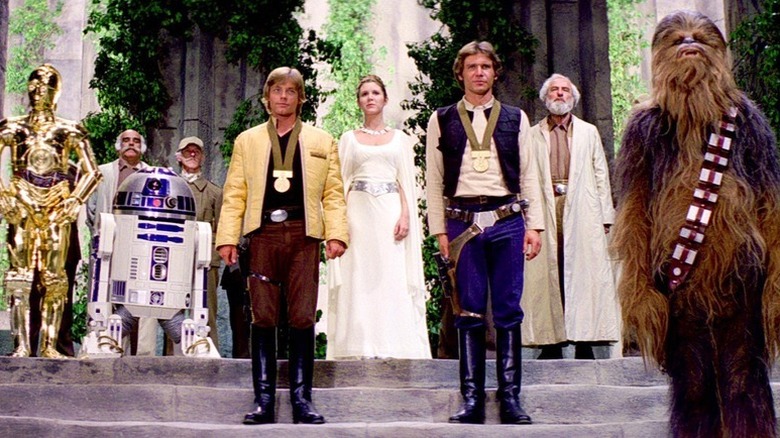
Sometimes, a perfect ending is one that delivers on every emotional beat. After the trench run on the Death Star, the celebration at the Rebel base is a masterclass in payoff. Luke Skywalker and Han Solo are honored, the galaxy has hope, and the stage is set for a grand adventure. It is a self-contained victory that remains one of the most satisfying "curtain calls" in cinema, balancing the gravity of the stakes with the jubilation of the triumph.

5. Blade Runner (1982)
The Shift: The Existential Question.
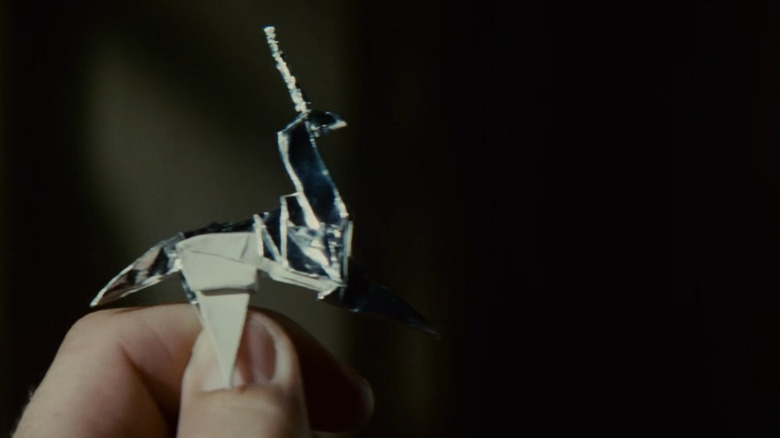
In the Final Cut, Blade Runner asks the question that defines the human experience: "Am I real?" When Deckard (Harrison Ford) finds the origami unicorn, it implies that his own memories might be implants, just like the Replicants he hunts. The film doesn’t offer a hard answer; instead, it offers an escape. Deckard chooses to live in the moment with Rachael, prioritizing his love and his immediate reality over the existential dread of his own origins. It is a hauntingly beautiful, neo-noir conclusion.
4. Terminator 2: Judgment Day (1991)
The Shift: The Hope for Tomorrow.
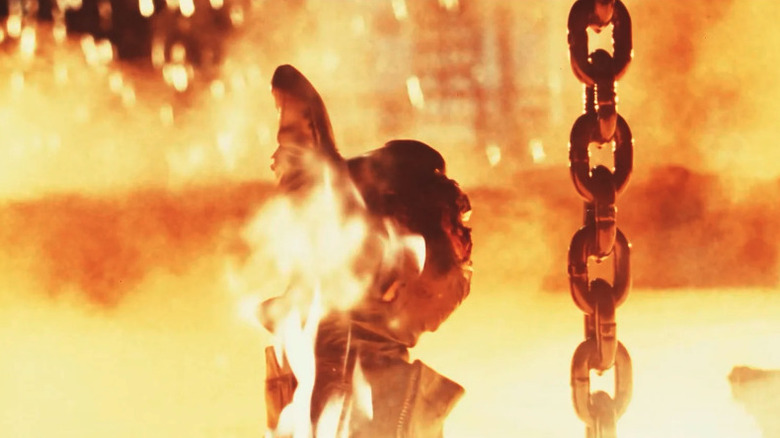
James Cameron’s sequel is a rare example of a film that manages to be both a technological marvel and a deeply moving drama. The T-800’s sacrifice in the molten steel is the emotional anchor of the film. Sarah Connor’s closing monologue, reflecting on the fact that if a machine can learn the value of human life, maybe there is hope for humanity, provides a perfect, hopeful contrast to the nihilism of the original film. It is a triumphant, tear-jerking conclusion that feels earned.
3. Back to the Future (1985)
The Shift: The Promise of Adventure.
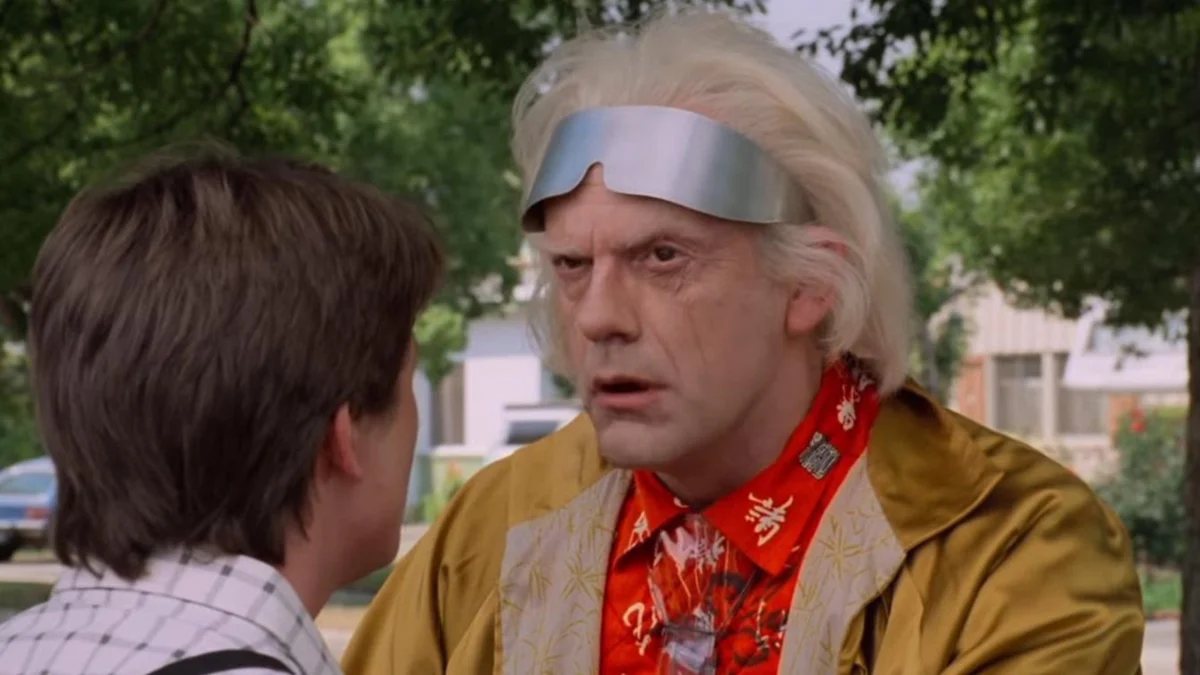
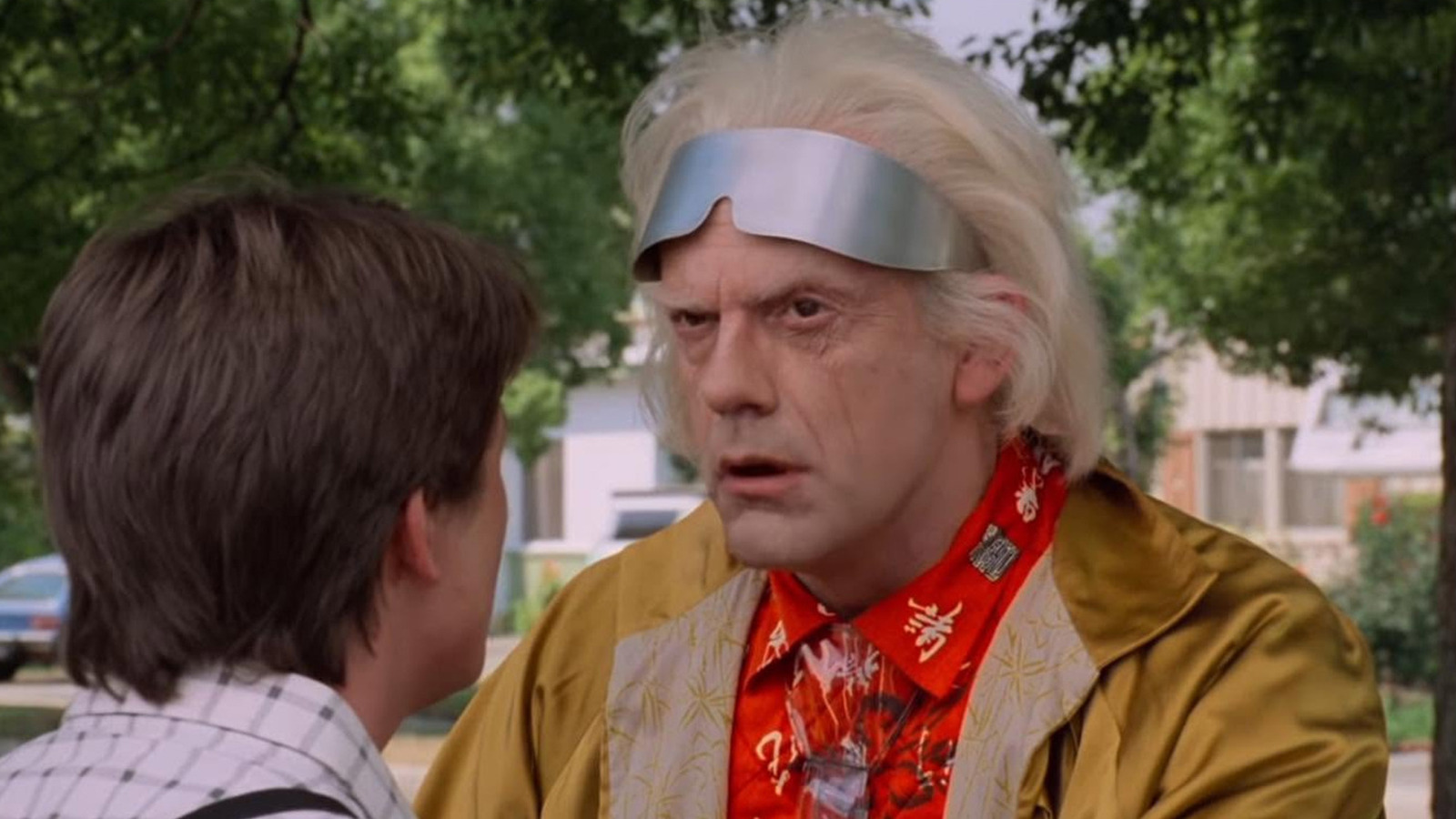
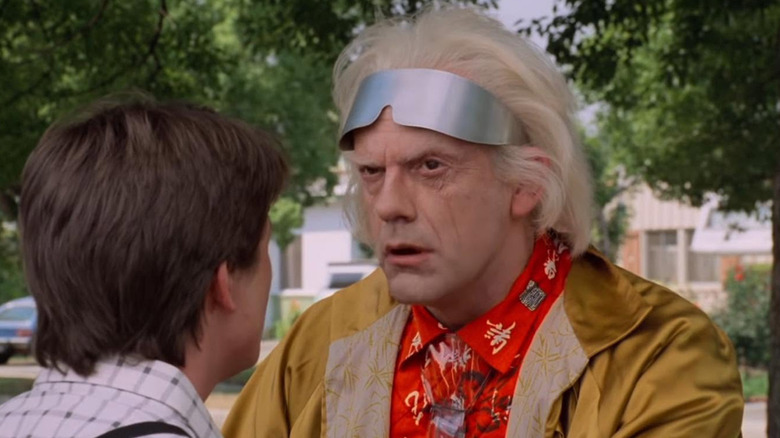
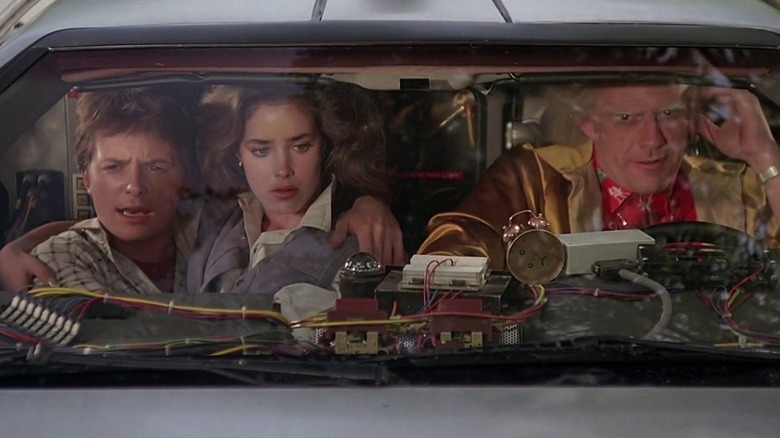
Back to the Future is perhaps the most rewatchable film on this list, and its ending is a significant reason why. After Marty McFly restores his family’s honor and returns to a "better" 1985, the sudden arrival of Doc Brown in the flying DeLorean provides the perfect cliffhanger. It is a joyous, energetic, and perfectly timed conclusion that demands a sequel while standing perfectly on its own. It is the gold standard for "the adventure is just beginning."
2. Star Trek II: The Wrath of Khan (1982)
The Shift: The Ultimate Sacrifice.
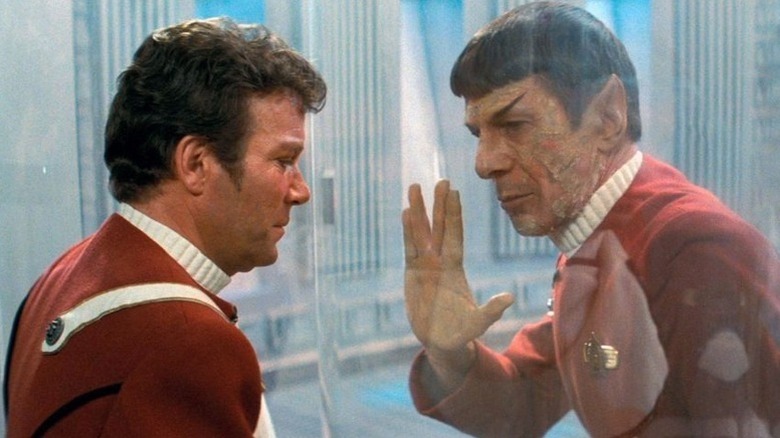
The death of Spock is the most iconic moment in Star Trek history. It is not just a death; it is a profound exploration of friendship, duty, and sacrifice. When Spock tells Kirk, "I have been, and always shall be, your friend," it resonates with every viewer. The funeral scene, followed by the hints of resurrection, creates a perfect balance between mourning and hope. It is a masterclass in how to conclude a character arc and a film with emotional weight.
1. Planet of the Apes (1968)
The Shift: The Reveal of Humanity’s Failure.
No ending in the history of science fiction—or perhaps all of cinema—carries the weight of the original Planet of the Apes. For the entire film, we believe George Taylor is on a distant planet. When he stumbles upon the ruined Statue of Liberty, the reality crashes down: he is home. He is on a post-nuclear Earth. The realization that humanity destroyed itself is a punch to the gut that has never been equaled. It is a bleak, sociopolitical warning wrapped in a perfect twist. Decades later, it remains the ultimate "mic drop" in science fiction.
Implications for the Genre
These 15 films demonstrate that the most powerful endings do not necessarily require a resolution to every plot thread. Instead, they require a resolution to the film’s thematic questions. Whether it is the existential dread of The Thing or the hopeful philosophy of Terminator 2, these endings prove that science fiction is at its best when it uses the future to hold up a mirror to the present. As we look forward to the next generation of sci-fi cinema, we can only hope they strive for this same level of resonance—the ability to linger in the mind long after the screen goes black.
