Channeling the Ghost of Harris Savides: How Cinematographer Sam Levy and John Turturro Crafted the Look of The Only Living Pickpocket in New York
Main Facts
Noah Segan’s throwback crime thriller The Only LivingPickpocket in New York introduces audiences to a gritty, shifting Manhattan through the eyes of Harry, a down-on-his-luck thief played by veteran actor JohnTurturro. Harry makes the critical error of lifting valuables from the wrong local "vape goon" (portrayed by Will Price), leaving himself with one frantic, high-stakes opportunity to set things right.
Behind the camera, the film’s distinct visual personality was forged through an unexpected creative partnership between Turturro and cinematographer Sam Levy. Although the two had never collaborated prior to this project, they immediately bonded over a shared pedigree: both had deep professional and personal histories with the legendary late cinematographer HarrisSavides.
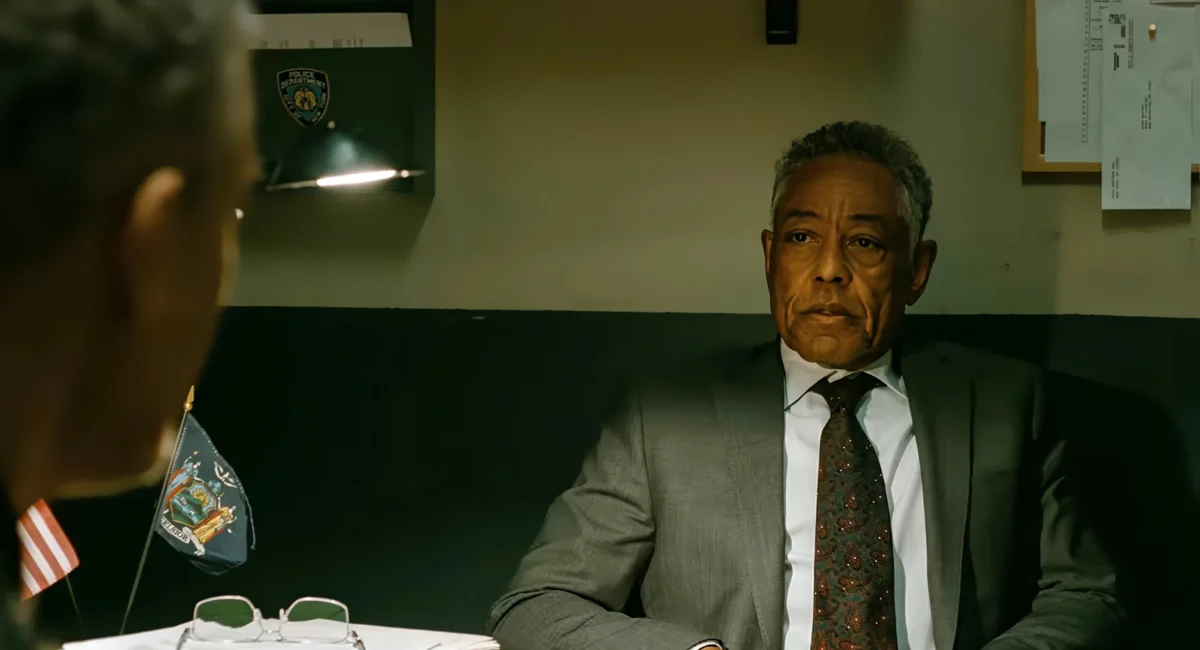
To capture the thematic friction between the analog past of a fading city and the sterile digital reality of the 2020s, Levy did not rely on modern digital wizardry. Instead, he brought a deeply personal piece of cinematic history to the production: an original, vintage set of Baltar lenses once owned by Savides himself. Paired with a set of Bausch & Lomb Super Baltar lenses—the exact model Gordon Willis famously used to shoot Francis Ford Coppola’s The Godfather—Levy, Turturro, and production designer Rocío Giménez constructed a meticulously textured, tactile world that honors the classic New York street dramas of decades past while offering a fresh, risky visual language.
Chronology
The visual tapestry of The Only Living Pickpocket in New York was assembled through years of accumulated industry experience, specific prep work on location, and a painstaking staging process during principal photography.
Pre-Production and the Legacy of Savides: Long before principal photography began, Sam Levy and John Turturro established a creative shorthand rooted in their respective pasts with Harris Savides. Savides had previously shot Turturro in Noah Baumbach’s Margot at the Wedding, a production where Levy served as a camera assistant. Recognizing the thematic weight of The Only Living Pickpocket in New York, Levy made the decision to carry Savides’ personal, vintage Baltar lenses onto the set alongside standard Super Baltars.
Camera Tests and Finding the "Sweet Spot": During early camera tests, Levy and Turturro evaluated how the notoriously temperamental vintage lenses rendered Turturro’s face. Recognizing that wide-open iris settings caused the lenses to fall apart into an unpleasing softness, Levy meticulously scouted the physical boundaries of the glass. He found a delicate threshold that delivered a weathered, alluring clarity without looking sterile or over-sharpened.
The Bronx Apartment Transformations: Production designer Rocío Giménez and art director Rosa Callejas took over a real Bronx location—serving as the cramped home shared by Harry and his bedridden wife, Rosie (Karina Arroyave)—and extensively modified it. They rebuilt kitchen sections, applied textured wallpaper, layered paint to simulate decades of wear, and constricted spatial boundaries to amplify the claustrophobic stakes of the narrative.
On-Set Staging and Chiaroscuro Lighting: During filming, Levy spent extensive hours simply observing the location rather than immediately locking down frames, channeling Savides’ philosophy of letting a space dictate its own visual rhythm. Complex sequences, such as a home invasion viewed entirely through a carefully angled reflection in a framed picture while panning off Turturro, required immense technical coordination between the camera, art, and lighting departments.
Supporting Data
The technical and physical framework underpinning The Only Living Pickpocket in New York relies on specific optical gear, location alterations, and historical film lineage:
The Lens Package: The film was primarily shot using Bausch & Lomb Super Baltar lenses—the iconic glass utilized by Gordon Willis for The Godfather. Supplementing these were Harris Savides’ personal, older original Baltar lenses, which featured unique "in-between" focal lengths.
Optical Aberrations: The vintage lenses are known for heavy vignetting and organic lens flares. When shot wide open, they lose contrast and become excessively soft; when mastered correctly, they yield deep shadows and rich silhouettes.
Location Adjustments: The primary Bronx apartment set, while based on an existing location, was heavily retrofitted by Rocío Giménez’s art department. Modifications included custom walls built to decrease room scale, layered paint applications to emphasize structural decay, and strategic mirror/reflective placements to capture off-camera action.
Cast and Crew Alignment: Directed by Noah Segan and starring John Turturro, Karina Arroyave, and Will Price, the film is distributed by Sony Pictures Classics and is currently playing in theaters.
Official Responses and Perspectives
The creative team behind The Only Living Pickpocket in New York has spoken candidly about the collaborative risks and technical philosophies that guided the film’s aesthetic choices.
Cinematographer Sam Levy emphasized the emotional weight of carrying on Savides’ legacy while wrestling with imperfect optical equipment:
"I carried Harris’ lenses with us," Levy told IndieWire. "They’re very similar [to the Super Baltars] but had just a little bit of a different flavor, and they had a different focal length. Some of them had kind of in-between focal lengths. So, it was convenient, but it also just felt nice to have a piece of Harris."
Levy also addressed the inherent frustrations and rewards of using vintage glass:
"[The Super Baltars] have these aberrations in them which put off a lot of people. They vignette and they flare in a way that is very beautiful, but you can’t… it’s hard to control. For example, if you shoot with the iris wide open, they completely fall apart, and they look soft, but not in a pleasing way."
Reflecting on the philosophy passed down by his mentor, Levy explained the importance of patience on location:
"One thing I really learned from Harris Savides, that he would always say to me when, a few times, I got to operate for him, ‘Just look. Take a look at what you’re doing. Look at it. Don’t frame it up. Just sit there and look.’"
Production designer Rocío Giménez detailed the meticulous physical labor required to make Harry and Rosie’s apartment feel authentically lived-in:
"It needed to feel textured — in the objects, in the layers of paint — and never remodeled. Things break, walls chip, and those marks accumulate over time. We also wanted the apartment to feel very warm, almost glowing. Although the apartment was a location, we transformed it extensively: reworking parts of the kitchen, adding wallpaper, repainting, and building walls to make the space feel smaller."
Implications
The aesthetic approach taken in The Only Living Pickpocket in New York highlights a broader, ongoing dialogue within contemporary independent filmmaking regarding the limits of digital cinematography versus the enduring allure of analog textures. By choosing to build a film around the unpredictable aberrations of vintage glass—lenses that actively fight standardization and digital perfection—Levy and Segan have championed a philosophy of creative risk.
Furthermore, the production serves as a poignant cross-generational homage. Through the physical presence of Harris Savides’ lenses on set, the film bridges the gap between the golden era of 1970s American cinema (via the Godfather Super Baltars) and the modern gritty streetscapes of 2020s New York. It demonstrates that texture, history, and narrative subtext can be baked directly into the light itself, offering filmmakers a blueprint for how technical constraints, when embraced rather than corrected, can elevate a genre thriller into a work of tactile art.