
The Golden Age of Grime and Glitz: Re-Evaluating the Demented Cult Horror Masterpieces of 1988
By Simon Gallagher
Published October 26, 2026
Main Facts: The Duality of Late-1980s Horror
The horror genre has undergone countless systemic evolutions across the decades, but few eras match the fascinating structural pivot seen during the late 1980s. Following the raw, violent, and often socially subversive cinematic chaos of 1970s horror, the genre pivoted toward the hyper-stylized world of the slasher film throughout the early-to-mid 1980s. This era cemented iconic masked killers in the global cultural consciousness while triggering a massive commercial flood of franchise sequels.
As the decade progressed, the gritty, independent grime that defined early exploitation cinema gradually gave way to higher conceptual frameworks and studio polish. Hollywood executives quickly realized that horror was a reliable, high-yield cash cow, transforming low-budget risks into dependable box-office goldmines.
Simultaneously, a technological revolution was unfolding in living rooms across the globe. The widespread ubiquity of the home video cassette recorder (VCR) changed the consumption of cinema forever. Fans began enthusiastically embracing the underground phenomenon of "video nasties" and unfiltered international genre imports. Practical special effects artists pushed the boundaries of their craft, crafting gore that was more complex, imaginative, and delightfully unhinged than ever before.
By 1988, the cinematic landscape found itself locked in a bizarre tug-of-war. For every glossy, high-budget Hollywood production engineered for mainstream consumption, there was a disturbed, boundary-pushing cult gem scratching at the door. These films balanced the ledger, offering audiences a heavy dose of terror that refused to play by the rules. Today, four specific horror releases from 1988 have transcended their modest or controversial origins, developing fervent cult followings and retaining their uniquely demented psychological grip on generations of fans.
Chronology: The Evolution from 1970s Chaos to 1980s Excess
To fully understand the cinematic ecosystem of 1988, it is vital to trace the historical timeline of horror filmmaking over the preceding two decades:
- The 1970s (The Era of Erotic Chaos & Social Paranoia): Marked by gritty, independent masterpieces like The Texas Chain Saw Massacre (1974) and The Hills Have Eyes (1977). These films reflected post-Vietnam and post-Watergate disillusionment, relying on raw atmosphere, ambiguous morality, and abrasive realism.
- The Early-to-Mid 1980s (The Slasher Boom): The commercial success of John Carpenter’s Halloween (1978) and Sean S. Cunningham’s Friday the 13th (1980) ushered in an era defined by unstoppable masked antagonists, body-count calculations, and franchise serialization.
- The Mid-to-Late 1980s (The VHS Boom & Studio Gloss): As studios refined formulas, the VCR liberated horror fans from theatrical gatekeepers. Uncensored European imports and independent shockers found a thriving secondary market via home video, fueling a counter-culture of transgressive viewing habits among teenagers.
- 1988 (The Convergence Point): A landmark year where mainstream blockbuster horror (such as franchise sequels and high-concept studio pictures) clashed directly with hyper-imaginative, subversive cult classics, resulting in a vintage crop of enduring genre favorites.
Supporting Data: Four Defining Cult Masterpieces of 1988
1. A Nightmare on Elm Street 4: The Dream Master
By 1988, New Line Cinema’s premier franchise was operating as a commercial juggernaut. A Nightmare on Elm Street 4: The Dream Master leaned fully into Freddy Krueger’s evolution from a shadowy, child-murdering boogeyman into a pop-culture antihero. While purists occasionally lamented the injection of dark comedy, actor Robert Englund was clearly having the time of his life, anchoring the film’s surrealist set pieces.
Directed by Renny Harlin, The Dream Master may lack the atmospheric dread of Wes Craven’s original 1984 classic, but time has been exceptionally kind to its high-camp aesthetic. Modern re-evaluations recognize that its campiness and visual absurdism are purposeful design features rather than bugs. Among its standout sequences is the unforgettable, body-horror-infused transformation of Debbie into a cockroach—a masterclass in practical effects that also serves as a surprisingly astute, grotesque commentary on teenage body dysmorphia and anxiety.

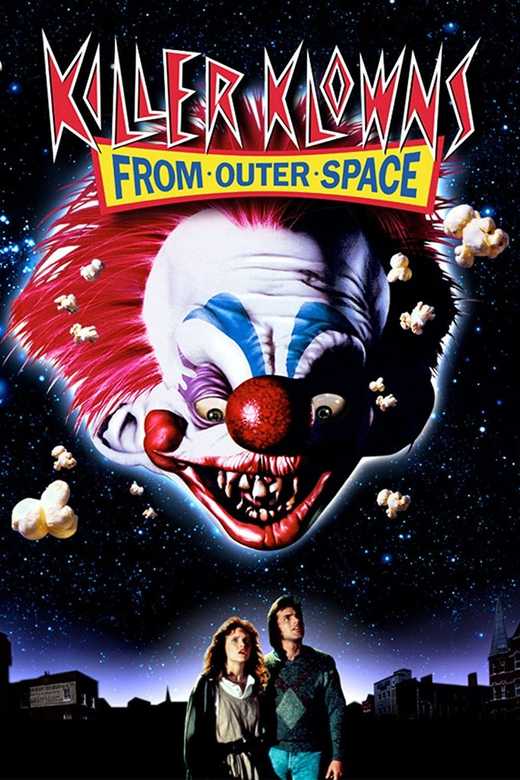
2. Killer Klowns from Outer Space
For anyone suffering from coulrophobia, the Chiodo Brothers’ sci-fi horror-comedy hybrid was an absolute nightmare realized. Released to challenge the cynical assumption that circus clowns are inherently harmless, Killer Klowns from Outer Space wears its ridiculous premise proudly. Yet, beneath its bright, cotton-candy-colored exterior lies a genuinely unsettling and unhinged cinematic bloodbath.
The film reportedly boasts over 150 on- and off-screen deaths, utilizing an absurd array of macabre methods: victims are wrapped in cocoons of cotton candy, hunted by ravenous shadow puppets, melted down into acid, and drained of their bodily fluids. The creature and prop design represent the absolute pinnacle of 1980s practical creature effects. Given its enduring legacy, it is little wonder that rumors, script developments, and announcements regarding potential sequels, remakes, or reboots have persisted in Hollywood for decades.
3. Maniac Cop
Director William Lustig and writer Larry Cohen collaborated to create Maniac Cop (1988), a paranoid neo-noir slasher that stands as one of the final notable contributions to New York City’s rich history of gritty exploitation cinema. On paper, it possessed all the hallmarks of a classic "video nasty," fueled by genuine societal anxieties about institutional corruption.
The terror centers around Officer Matthew Cordell (portrayed with imposing dread by Robert Z’Dar), an unstoppable figure of urban decay. Framed for police brutality and left for dead, Cordell’s precise undead status is delightfully ambiguous. The film never explicitly clarifies whether he is a supernatural zombie or simply a remarkably resilient, vengeful man. This ambiguity heightens the film’s dark charm. The socio-political commentary regarding institutional mistrust—where the person meant to protect you becomes your ultimate threat—remains as biting today as it was in the late 1980s.
4. Pumpkinhead
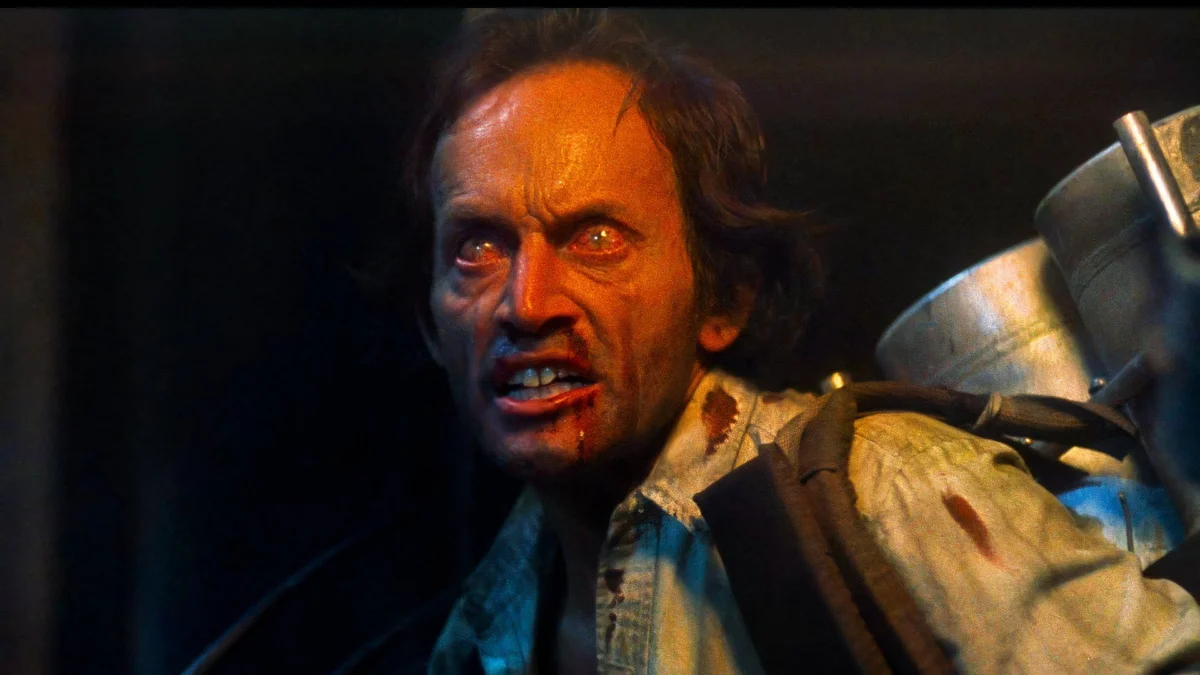
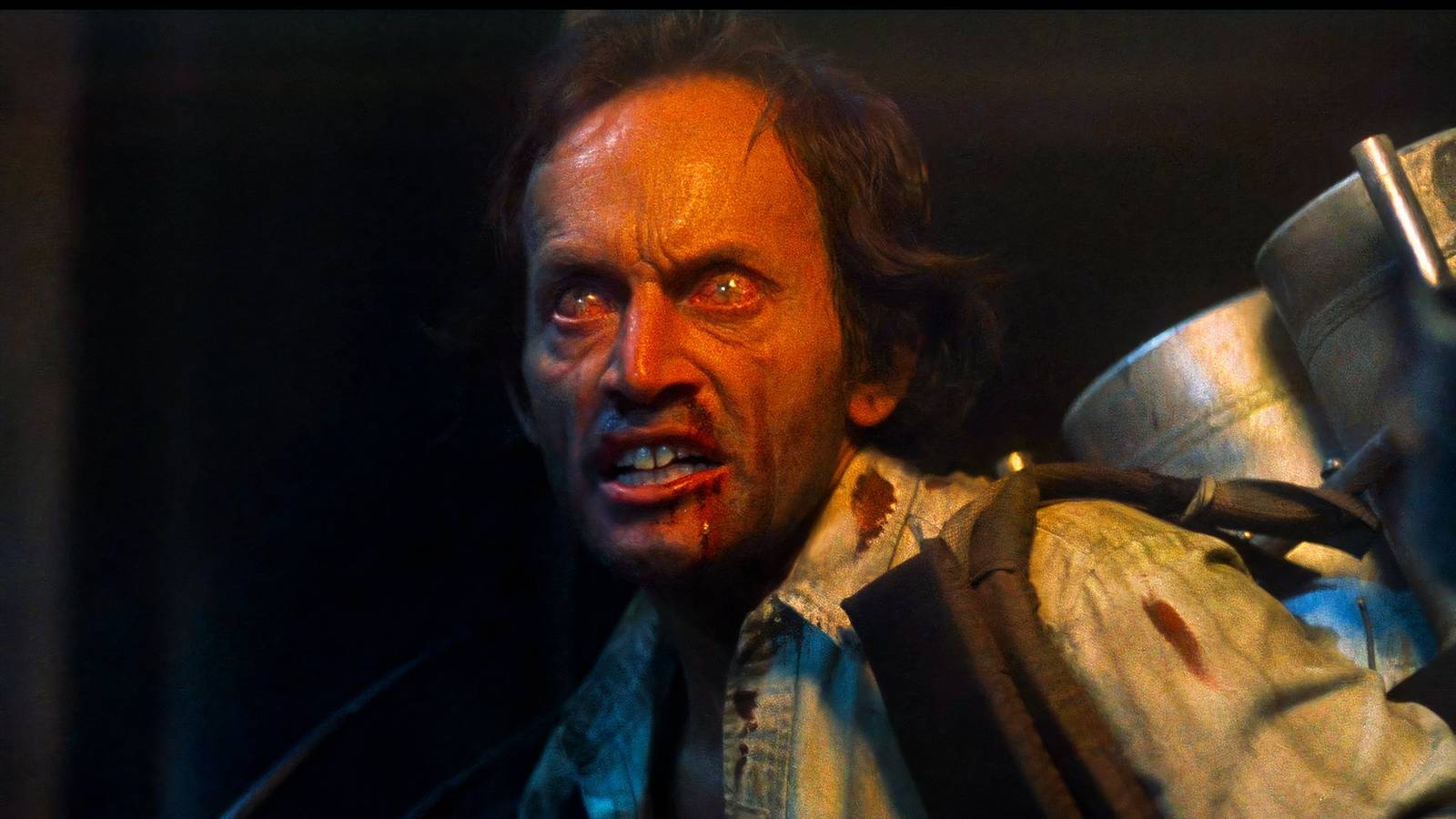
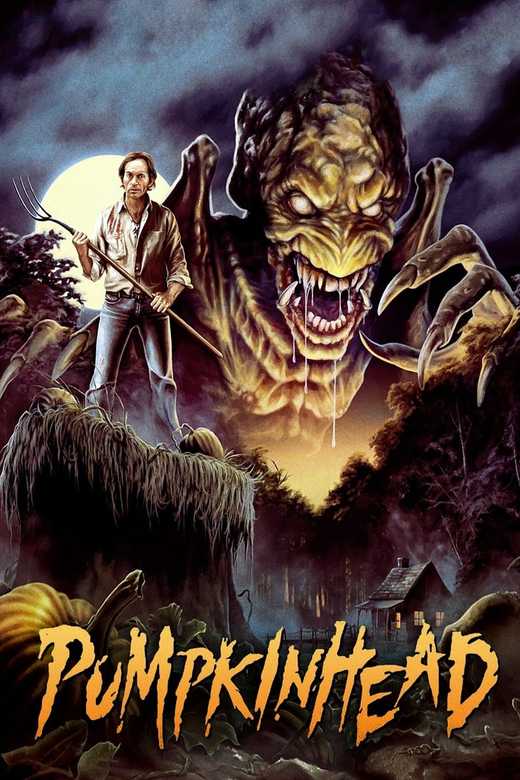
Pumpkinhead occupies a sacred space in horror history, primarily because it marked the directorial debut of legendary special effects titan Stan Winston. Because Winston spearheaded the creature design, the titular demon remains one of the most mechanically and aesthetically successful monsters ever committed to celluloid.
Based on a poem by Ed Justin, the film is a moody, atmospheric, and surprisingly restrained narrative. It tells the somber story of Ed Harley (Lars Henriksen), a heartbroken father who seeks vengeance against the teenagers responsible for his young son’s death. Turning to a local witch named Haggis (Florence Schauffler), Harley summons an ancient, skeletal demon to enact a bloody retribution.
The summoning sequence, which features Harley watching in sheer terror as a corpse is resurrected into a hulking, H.R. Giger-esque nightmare, is an all-time classic of the genre. Though a planned franchise reboot has lingered in development hell since initial announcements in 2021, the original film remains an untouchable masterclass in rural gothic horror.
Official Responses and Industry Implications
The enduring cultural footprint of these 1988 horror films has not gone unnoticed by modern Hollywood executives and visionary auteurs. In an era dominated by intellectual property mining, studios and high-profile filmmakers have increasingly looked back to the late-1980s cult canon for inspiration, revitalization, and prestige adaptations.
Industry analysts note that modern interest in properties like Maniac Cop and Pumpkinhead stems from a broader cultural fatigue with homogenized, computer-generated jump-scare factories. Contemporary audiences and creators alike are actively craving the tactile, hand-crafted aesthetic of 1980s practical effects.
Notably, acclaimed filmmaker Nicolas Winding Refn’s prolonged efforts to spearhead a Maniac Cop remake project for Mubi signal a shift in how these properties are handled. Rather than treating exploitation-era deep cuts as cheap B-movie fodder, modern prestige outlets are beginning to recognize them as politically charged, stylistically rich texts worthy of high-art reinterpretation.
Conclusion
As the decades roll forward, the cultural impact of 1988’s cinematic underbelly continues to deepen. While glossy Hollywood blockbusters claimed the mainstream box office headlines of the era, it was the deranged, imaginative, and fearless cult gems—from cockroach transformations and cosmic clowns to vengeful cops and summoned demons—that truly captured the imagination of a generation. For those who grew up navigating the shadowy aisles of video rental stores in the late ’80s, these films are not merely relics of the past; they are enduring monuments to a time when horror was dangerous, unpolished, and brilliantly alive.
