
The Springfield Paradox: Why ‘The Simpsons’ Never Successfully Spun Off
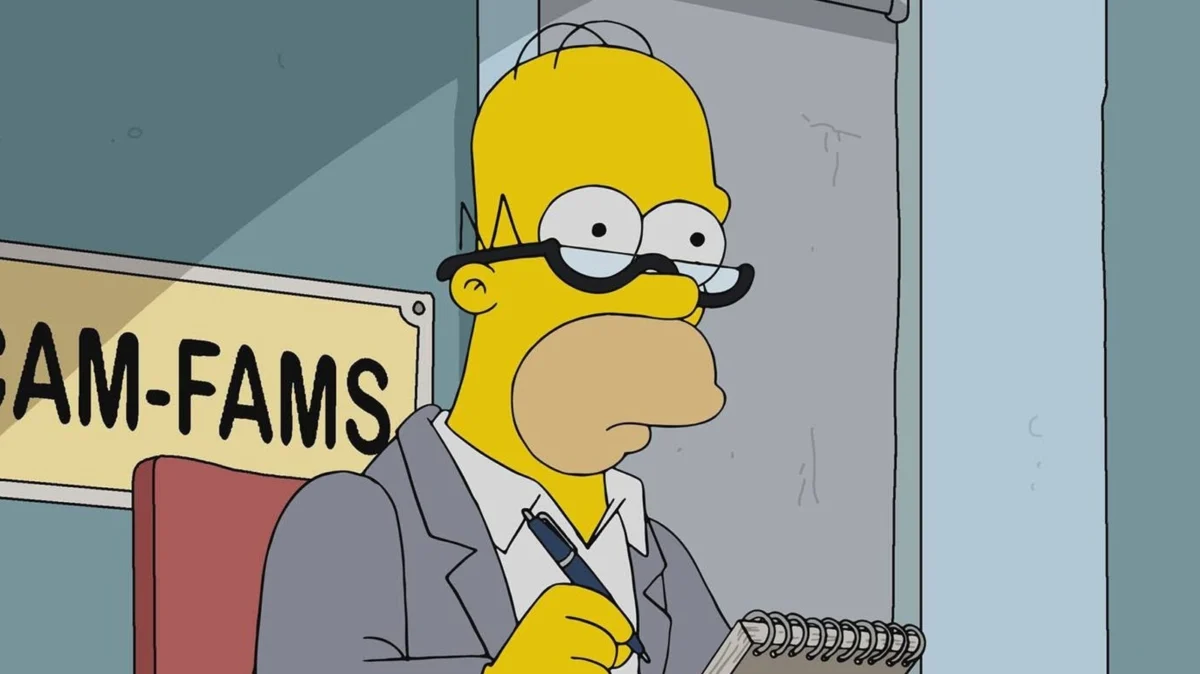
For nearly four decades, the citizens of Springfield have defined the landscape of American animation. What began as a humble collection of shorts on "The Tracey Ullman Show" in 1987—never intended to survive beyond 13 episodes—has blossomed into a cultural juggernaut that recently celebrated its 800th episode. In an era where successful intellectual property is almost immediately dissected into spin-offs, sequels, and cinematic universes, the sheer absence of a Simpsons spin-off stands as a unique anomaly in the history of television.
According to creator Matt Groening, the reason for this missing chapter in the show’s legacy is not a lack of creative ambition, but rather a casualty of the show’s own gargantuan financial success.
The Krusty Conundrum: A Failed Pilot
In a candid interview with The New York Times surrounding the milestone 800th episode, Groening finally pulled back the curtain on the show’s most notorious "what if": the Krusty the Clown spin-off.
The concept was ambitious, if not entirely eccentric. Groening envisioned a live-action series that would have featured Dan Castellaneta, the long-time voice of Krusty, appearing in full clown makeup and costume. It was a meta-textual, high-concept pitch that captured the subversive humor inherent to the series. When executives at Fox questioned whether the show needed to be live-action, Groening pivoted to an animated format. Yet, even with the change in medium, the deal fell apart.
The failure to launch wasn’t due to a lack of audience interest or a deficiency in the material; rather, it was the result of a logistical and financial bottleneck. "There haven’t been any spin-offs of ‘The Simpsons’ in part because the original show has been so lucrative that no deal can be made," Groening noted. "Too many people have dollar signs in their eyes."
The Economics of an Empire
To understand why The Simpsons has never spawned a traditional spin-off, one must look at the unprecedented scale of the franchise’s profitability. The Simpsons is not merely a television show; it is a global licensing machine. When a property reaches a level of success where every character, setting, and catchphrase is a distinct revenue stream, the negotiation process for new projects becomes labyrinthine.
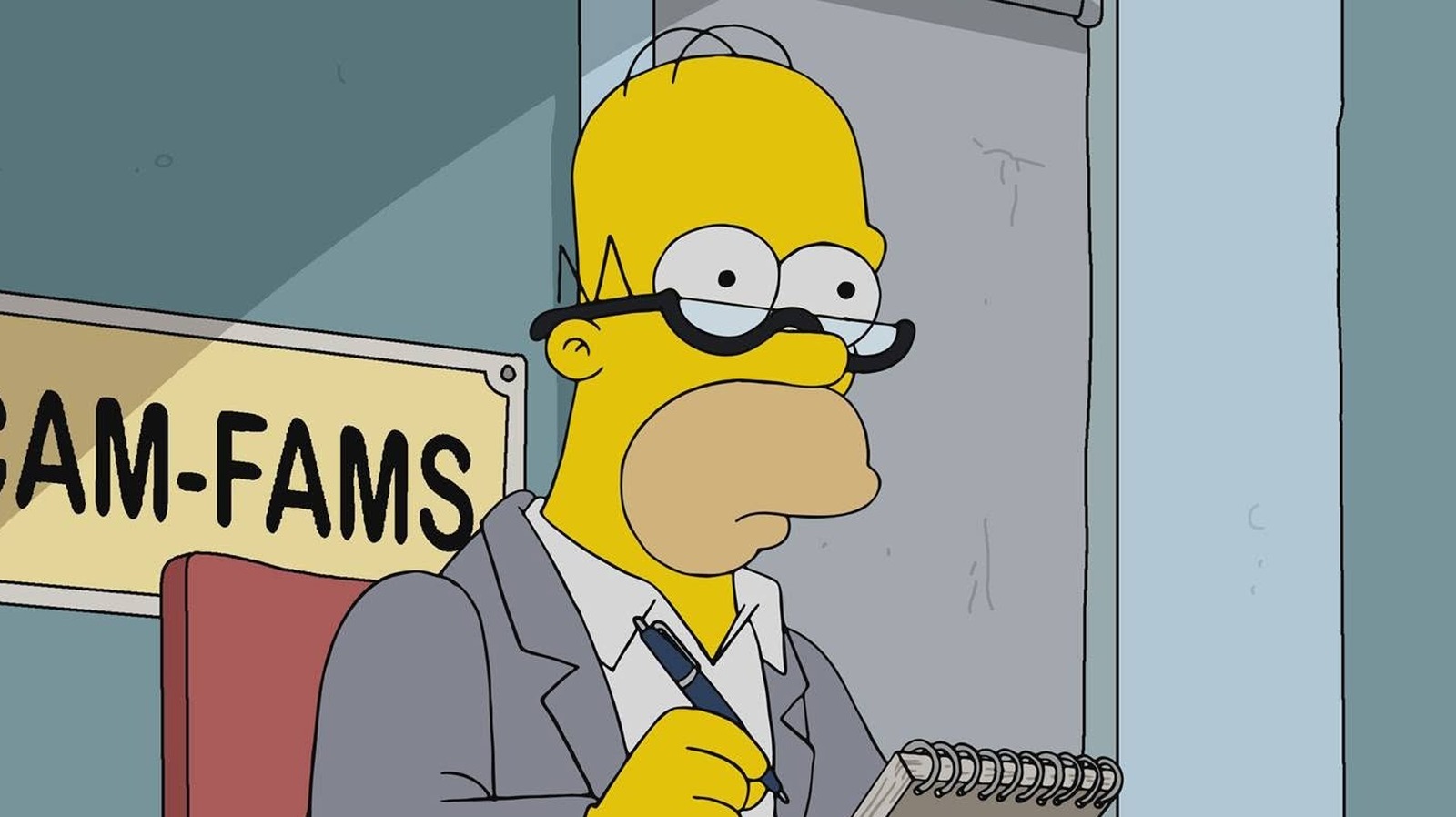
In the case of the Krusty spin-off, or any other potential offshoot, the complexity of ownership and the sheer number of stakeholders—ranging from the original creators to the studio executives and the corporate entities managing the massive merchandise empire—meant that the "cost of entry" to produce a spin-off was likely astronomical.
When stakeholders see a successful show as a "golden goose," they are often hesitant to allow the brand to branch out, fearing that a spin-off might dilute the primary property’s value or complicate the existing royalty structures. Consequently, the very success that keeps The Simpsons on the air has effectively served as a cage, preventing the creative team from expanding the universe into standalone series.
A Chronology of Near-Misses
While the Krusty project is the most cited example, it was not the only time the creators toyed with the idea of expanding the Springfield universe.
- The Early Days (1990s): During the show’s peak cultural dominance, there was significant industry pressure to replicate the success of sitcoms like The Cosby Show or Cheers, which spawned successful spin-offs like A Different World or Frasier.
- The Critic Crossover: It is worth noting that The Critic, an animated series starring Jay Sherman, was created by former Simpsons writers Al Jean and Mike Reiss. While it was not a direct Simpsons spin-off, the characters did interact in a famous crossover episode. This demonstrated that while the writers were capable of building interconnected worlds, the "mothership" show remained a distinct, impenetrable entity.
- The "Krusty" Concept: The proposed Krusty show was arguably the closest the franchise ever came to breaking the mold. Groening’s admission that he wanted to see a live-action version suggests that the creators were looking for ways to push the boundaries of what the show could be, rather than simply churning out another animated sitcom.
Why Krusty? The Narrative Potential
Krusty the Clown represents a perfect candidate for a spin-off because his character exists on the periphery of the Simpson family’s domestic life while remaining deeply integrated into the town’s infrastructure. As the host of a popular, albeit cynical, children’s television program, Krusty offers a lens into the "showbiz" side of Springfield.
There was even a scrapped storyline that would have revealed Homer Simpson was actually wearing a disguise to moonlight as Krusty. While that specific plot point was abandoned, it serves as a testament to the depth of the lore surrounding these characters. There is enough "meat on the bones" of secondary characters like Krusty, Sideshow Bob, or even the eccentric residents of the Springfield Retirement Castle to sustain multi-season arcs. However, the "dollar signs" mentioned by Groening ensured that these stories would remain relegated to episodes of the flagship show rather than blooming into their own narratives.
Implications for the Franchise
The absence of a spin-off has had a profound, if unintended, impact on the longevity of the series. By keeping all of its creative energy focused on one show, The Simpsons has maintained a level of consistency that few other shows have achieved.
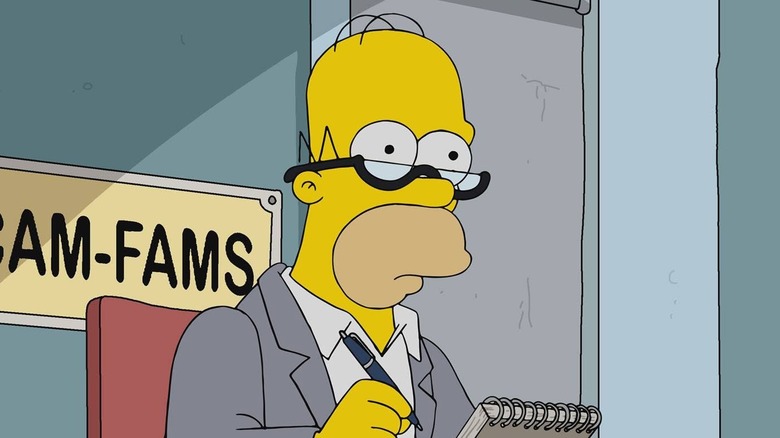
Instead of spreading its talent thin across multiple shows, the production team has focused on evolving the format of the main series. This has included:
- Theatrical Success: The Simpsons Movie (2007) proved that the characters could sustain a feature-length narrative, grossing over $500 million globally and proving that the brand was a powerhouse outside of the weekly episodic format.
- Digital Innovation: In recent years, the franchise has shifted toward high-quality, short-form content for Disney+. These shorts, often tying into major cinematic releases or cultural holidays, allow the writers to experiment with tone and style without the pressure of maintaining a spin-off’s narrative structure.
- Cross-Platform Integration: From massive theme park attractions at Universal Studios to a steady stream of video games, the franchise has expanded its footprint through experiences rather than television offshoots.
Looking Toward the Horizon: The 2027 Film
As the franchise marches toward its 40th anniversary, the focus has shifted from television spin-offs to a new cinematic venture. With footage recently showcased at D23, the anticipation for the "New Simpsons Movie" is high. Set for a September 2027 release, this project suggests that the franchise’s future lies in "event" programming—large-scale, high-impact projects that capture the global audience, rather than the niche audience of a weekly television spin-off.
Furthermore, with the show renewed by Fox for additional seasons, it is clear that the network sees more value in maintaining the primary series’ status as an institution than in risking a spin-off that could underperform.
Conclusion: The Victim of Its Own Perfection
Matt Groening’s revelation provides a rare moment of clarity in the history of modern television. The Simpsons is the victim of its own success. In a landscape where shows like Breaking Bad can spin off into Better Call Saul, or Star Trek can spawn an entire multiverse of series, The Simpsons remains a singular, towering monument.
The "dollar signs" that killed the Krusty spin-off are the same ones that have fueled the show’s 800-episode run. While fans may always wonder what a series centered on Krusty, or perhaps a prequel series about a young Abe Simpson, might have looked like, the reality is that the creators have succeeded in building a world so comprehensive that, for now, it needs no satellites. The residents of Springfield, held together by the gravity of their massive success, remain exactly where they belong: together, in one of the most successful, and singular, television stories ever told.
