
The Man of Steel in the Heartland: Myth, Memory, and the Evolution of the American Hero
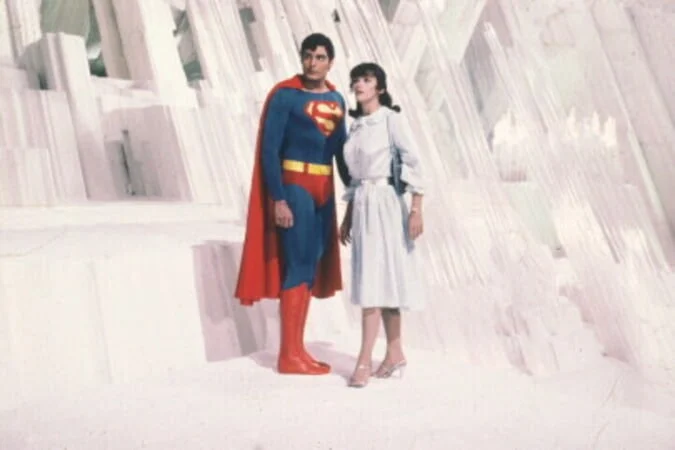
In the collective consciousness of American pop culture, few figures loom as large as the Man of Tomorrow. To the residents of Metropolis, Illinois—a town of roughly 7,000 souls nestled in the humid, agricultural cradle of the Midwest—Superman is not merely a fictional character confined to the silver screen or four-color newsprint. He is a civic cornerstone, a guardian spirit, and a vital economic engine.
For one resident, the line between reality and myth was blurred in the mid-1980s. Standing outside the National State Bank, a young child watched in awe as a theatrical reenactment of a bank robbery took a turn for the surreal. Amidst the screech of sirens and the brandishing of prop weapons, a caped figure emerged from an alleyway, disarming the "thugs" with impossible strength and unfailing resolve. To the gathered crowd, the event was not just a stunt; it was a manifestation of the town’s identity. Metropolis, Illinois, is the self-proclaimed "Hometown of Superman," a place where the local newspaper is the Metropolis Planet, the streets bear the names of comic book icons, and the water tower wears the legendary "S" shield like a coat of arms.
The Origins of a Midwestern Legend
The transformation of this quiet riverside town into a global landmark began in 1972, when the state of Illinois officially bestowed the title "Hometown of Superman" upon Metropolis. The decision was an act of civic survival. An hour north of the decaying, bankrupted municipal corpse of Cairo—once a jewel of the Mark Twain era—Metropolis sought to distinguish itself from the economic malaise of the region.
By adopting the Kryptonian myth, the town pivoted toward a tourism-based identity. It built a 15-foot statue of the hero in the town square, replaced earlier fiberglass versions that had ironically become target practice for local marksmen, and established the annual "Superman Celebration." This festival, which peaked in fervor following the 1978 release of Richard Donner’s blockbuster Superman: The Movie, brought the fantasy to life. In the sweltering July heat, amidst the scent of funnel cakes and cotton candy, the town played host to a living pantheon, where actors donning the red cape would "save" the city from staged threats, reinforcing the community’s commitment to its chosen champion.
A Cinematic Tug-of-War: The Making of Superman II
While the town cultivated its own local lore, the cinematic legacy of Superman was undergoing a turbulent metamorphosis behind the cameras. The production of Superman II remains a landmark case study in the friction between artistic vision and corporate pragmatism.
Initially, producers Alexander and Ilya Salkind intended to film the first and second installments of their Superman franchise simultaneously, a cost-saving maneuver they had successfully utilized for The Three Musketeers. Director Richard Donner, who helmed the first film with a mandate of "verisimilitude," approached the project with the gravity of a classic myth-maker. He viewed Superman as an essential American archetype, drawing on Christ-like imagery—a son sent from the heavens to serve a humble earthly family.
However, tensions between Donner and the Salkinds escalated due to the project’s ballooning budget and schedule. The producers brought in Richard Lester to oversee second-unit work, eventually replacing Donner entirely. The resulting film was a hybrid: a collision of Donner’s earnest, character-driven drama and Lester’s penchant for campy, "gee-whiz" comedy. The sequence featuring the villainous General Zod—a trio of intergalactic seditionists trapped in a "space-glass" prison—highlighted this tonal shift. While the film’s climax in 1981 was a triumph of early special effects, the behind-the-scenes conflict left an indelible mark on the franchise, culminating in the critically maligned Superman III, where the hero’s gravitas was sacrificed for low-brow comedy.
The Mythic Weight of the "S" Shield
The debate over what Superman actually represents has persisted for nearly nine decades. In 1954, psychologist Fredric Wertham, in his crusade against comic books, labeled the character a symbol of "violent race superiority," famously noting the similarity between the "S" shield and the Nazi SS. Yet, history tells a different story. In 1940, the Nazi party’s official newspaper published an editorial titled "Superman Is A Jew," attacking the character as an "inventive Israelite" creation, decrying the values of justice he represented.
Scholars like Harry Brod have long argued that Superman is a quintessential Jewish-American allegory. Much like the story of Moses, Kal-El is sent away by his parents to escape the destruction of his people, raised among "aliens," and grows to become a champion of the oppressed. This polyoptic nature of the myth allows the character to serve as a mirror for the viewer’s own morality. Whether he is a messianic figure, a symbol of immigrant assimilation, or a bulwark against fascism, the "Man of Steel" remains an elastic vessel for American aspirations.
Implications: The Hero in a Modern Context
The legacy of Superman in Metropolis, Illinois, stands in stark contrast to the modern political landscape. Despite the town’s deep-seated affection for the archetype of the righteous hero, the political realities of Massac County have shifted toward a cynical, populist alignment that mirrors the very villains Superman was designed to oppose. In the 2024 election, the region voted overwhelmingly for figures who embody the characteristics of Lex Luthor—narcissistic, billionaire-centric power structures that thrive on division.
This irony is not lost on those who grew up in the shadow of the Superman statue. The current era has seen the rise of state-sanctioned aggression against the vulnerable, leaving citizens to grapple with the dissonance between the heroic ideals of their hometown mascot and the cold reality of modern governance.
In cities like Minneapolis, where the call for justice has been met with heavy-handed force, the spirit of "Superman" has manifested in ways that transcend comic books. It appears in the form of ordinary citizens forming human shields to protect their neighbors, or individuals like the late Alex Pretti, who sacrificed his life to protect a woman from state-sanctioned violence.
Conclusion: The Persistence of Truth and Justice
The theatrical antics of the Metropolis Superman Celebrations—from staging bank robberies to the bizarre decision to have the hero play tug-of-war against the "California Raisins"—may seem trivial. Yet, they underscore a fundamental truth about the hero’s place in our society.
The cartoonish feats of the Man of Steel are, ultimately, a shorthand for a deeper, more grueling reality: the necessity of standing against greed, intolerance, and cynicism. While the specific brand of "American way" championed in the 20th century remains subject to fierce debate, the core tenets of the myth—truth and justice—remain as vital as ever. They only appear "corny" to those who have not yet found themselves in a position where they desperately need a hero. As we navigate a fractured political landscape, the myth of Superman serves not as a guarantee of salvation, but as a reminder that the capacity for heroism lies not in the possession of super-strength, but in the decision to act when the world is at its most vulnerable.
