
Channing Dungey’s Expanded Empire: Inside Her Pivotal Role in the Skydance-Paramount-WBD Era
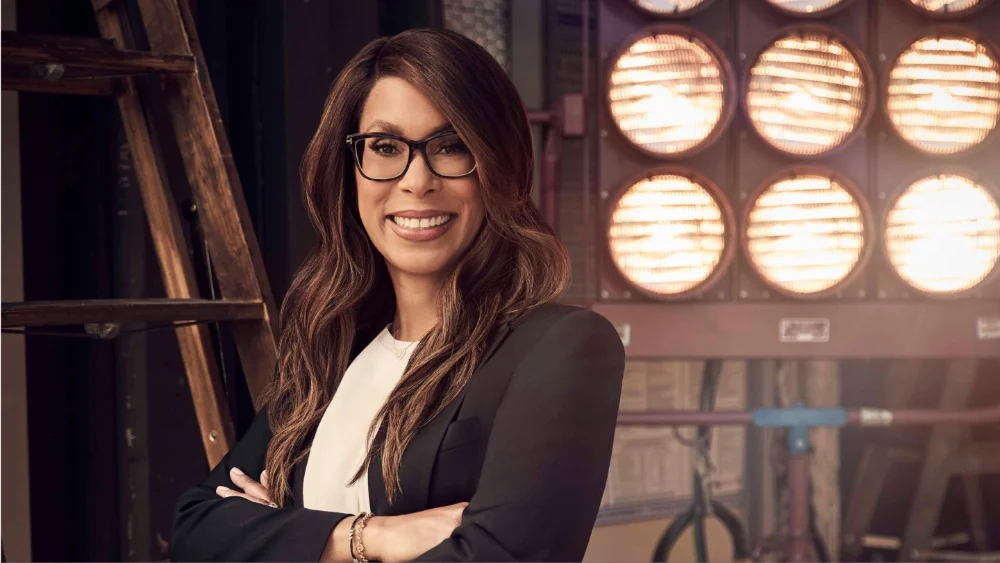
In an industry defined by shifting sands and tectonic corporate mergers, few executives have navigated the turbulent waters of Hollywood as deftly as Channing Dungey. Now, as the dust settles on the monumental $110 billion acquisition of Warner Bros. Discovery (WBD) by Skydance, Dungey finds herself at the helm of an unprecedented portfolio. While her official business card may temporarily read “Chairman, Warner Bros. Television Group and US Networks,” her mandate has effectively expanded to become one of the most powerful content overseers in the history of modern media.
The New Architecture: A Portfolio of Unrivaled Scale
The acquisition, which officially closed on Tuesday, has redrawn the map of global entertainment. For Dungey, the transition represents a significant elevation in her professional trajectory. Having previously served as the Chairman and CEO of Warner Bros. Television Group, she now assumes responsibility for a vast array of legacy Paramount cable assets. This expanded remit includes iconic, culture-defining brands such as MTV, Comedy Central, Nickelodeon, and BET.
By integrating these Paramount cable networks with her existing oversight of the Warner Bros. TV studio, Dungey now commands a portfolio of approximately 30 distinct cable brands. This consolidation signals a strategic pivot by the new Skydance leadership to leverage the combined power of studio production capabilities and established cable distribution channels.
While she continues to report to George Cheeks, Co-Chair and Chief Content Officer of Skydance TV, and JB Perrette, Co-Chair and Chief Business Officer of Skydance TV, her role serves as a crucial bridge between the creative output of the studio and the commercial viability of the cable networks.
Chronology of the Transition: From Deal Closing to New Directives
The path to this new structure began long before the ink dried on the final acquisition documents this week. The timeline of this transition highlights the speed and precision with which Skydance has moved to integrate its new assets:
- Pre-Merger Phase: Throughout the complex negotiations between Skydance, Paramount, and WBD, Dungey remained a cornerstone of the Warner Bros. leadership team, successfully navigating the studio through post-strike production cycles and a volatile streaming landscape.
- The Weekend Revelation: As reported by Deadline last weekend, the industry gained its first glimpse into the post-merger organizational chart, confirming that Dungey would be tasked with overseeing the combined cable assets—a move that surprised some analysts who expected a siloed approach to the Paramount and WBD properties.
- The Closing (Tuesday): The $110 billion merger officially closed on Tuesday, marking the formal beginning of the new Skydance era.
- The Internal Memo: Hours after the closing, Dungey issued a company-wide memo, signaling her commitment to continuity while acknowledging the magnitude of the structural change.
- The "Working Title" Phase: Currently, Dungey is operating under a temporary designation while the legal and administrative departments finalize the official nomenclature for her expansive new role.
Supporting Data: The Magnitude of the Merger
The sheer scale of the Skydance-Paramount-WBD deal is difficult to overstate. Valued at $110 billion, the merger creates a vertically integrated juggernaut capable of competing with the likes of Disney, Netflix, and Amazon.
For Dungey, the implications of this scale are operational. By overseeing 30 cable brands, she is managing an ecosystem that reaches hundreds of millions of households globally. The synergy between her existing studio responsibilities—which include powerhouse production labels under the Warner Bros. TV banner—and the distribution networks provides a unique advantage in the "content-to-consumer" pipeline.
Furthermore, while the financial terms of Dungey’s new multi-year contract remain under wraps, market observers point to the recent deals inked by her peers as a baseline. Executives such as Casey Bloys and JB Perrette are widely reported to have signed five-year renewals. Given Dungey’s critical role in stabilizing the studio during the merger, it is widely assumed that her commitment to the new company mirrors these long-term tenures, underscoring Skydance’s desire for leadership stability during this high-stakes integration.
Official Responses: Leadership’s Vision for the Future
The tone from the top of the new organization is one of measured optimism. In her message to staff on Tuesday, Dungey emphasized the human element of corporate restructuring, a sentiment often overlooked in massive financial transactions.
“As we embark on this next chapter in the company’s storied history, my hope is we can work together to make this transition as smooth and positive as possible for all involved, and to build a future for the studios that’s bigger and better than ever,” Dungey wrote.
This communication strategy is vital. By prioritizing internal morale, Dungey aims to retain the creative talent that defines the Warner Bros. and Paramount brands. Her leadership style—often characterized by a balance of creative intuition and rigorous business discipline—will be tested as she integrates the distinct corporate cultures of the legacy Paramount cable networks with the established Warner Bros. TV studio environment.
Implications: What This Means for the Industry
The appointment of Channing Dungey to this expanded role has several far-reaching implications for the entertainment sector:
1. The End of the "Pure-Play" Studio Model
By placing a studio executive in charge of cable networks, Skydance is signaling that it no longer views production and distribution as separate functions. Dungey’s dual focus suggests that future content development will be heavily informed by the data and performance metrics of the cable channels she now oversees.
2. The Stabilization of Legacy Media
Critics have long argued that legacy cable networks like MTV and Comedy Central were drifting without a clear purpose in the streaming era. Dungey’s appointment provides these brands with a direct line to a major production studio. We can expect to see increased synergy where studio-produced content is optimized specifically for these networks, potentially revitalizing their relevance among younger, fragmented audiences.
3. The "Dungey Effect" on Talent Relations
Dungey’s reputation as an executive who values talent is one of her greatest assets. In a town where creative relationships are currency, her retention and elevation signal to writers, directors, and producers that the new Skydance leadership respects the creative process. Her ability to manage the studio’s talent while overseeing the cable networks’ programming needs will be the defining metric of her success.
4. The Competition for Streaming Supremacy
While the cable brands remain a priority, the ultimate goal is feeding the company’s direct-to-consumer (DTC) efforts. With Bloys and Perrette managing the DTC side, Dungey’s role is to ensure that the "pipeline" remains filled with high-quality, high-impact content that can travel across platforms—from linear cable broadcasts to on-demand streaming libraries.
Looking Ahead: The Challenges on the Horizon
Despite the optimism surrounding the merger, the path forward is not without hurdles. The integration of 30 cable brands into a studio-centric workflow will inevitably involve restructuring, cost-saving measures, and a rigorous evaluation of the current programming slates.
Dungey must navigate the "culture clash" that occurs when a high-output production studio merges with the operational requirements of linear cable networks. Furthermore, the broader macroeconomic environment—characterized by fluctuating advertising revenues and the ongoing maturation of the streaming market—will demand constant agility.
However, if her career trajectory is any indication, Dungey is uniquely suited for this challenge. From her early days in network television to her tenure at the helm of Warner Bros. TV, she has demonstrated an ability to anticipate market shifts before they become industry standards.
Conclusion
As Channing Dungey settles into her expanded role at the new Skydance company, the industry is watching closely. Her transition from a focused studio head to a multi-platform content overseer is emblematic of the current era of media—an era where scale, integration, and cross-platform synergy are the primary drivers of success.
For now, the official title may be a work in progress, but the reality of her influence is set in stone. She is the architect of a new content powerhouse, and her decisions in the coming months will likely shape the television landscape for the next decade. As the company moves past the headlines of the merger and into the hard work of day-to-day operations, Dungey’s focus remains clear: to build a future that respects the history of these iconic studios while aggressively pursuing the innovations required to thrive in the modern age.
