
The Long Shadow of Sam: Why Trick ‘r Treat 2 Remains Trapped in Development Limbo
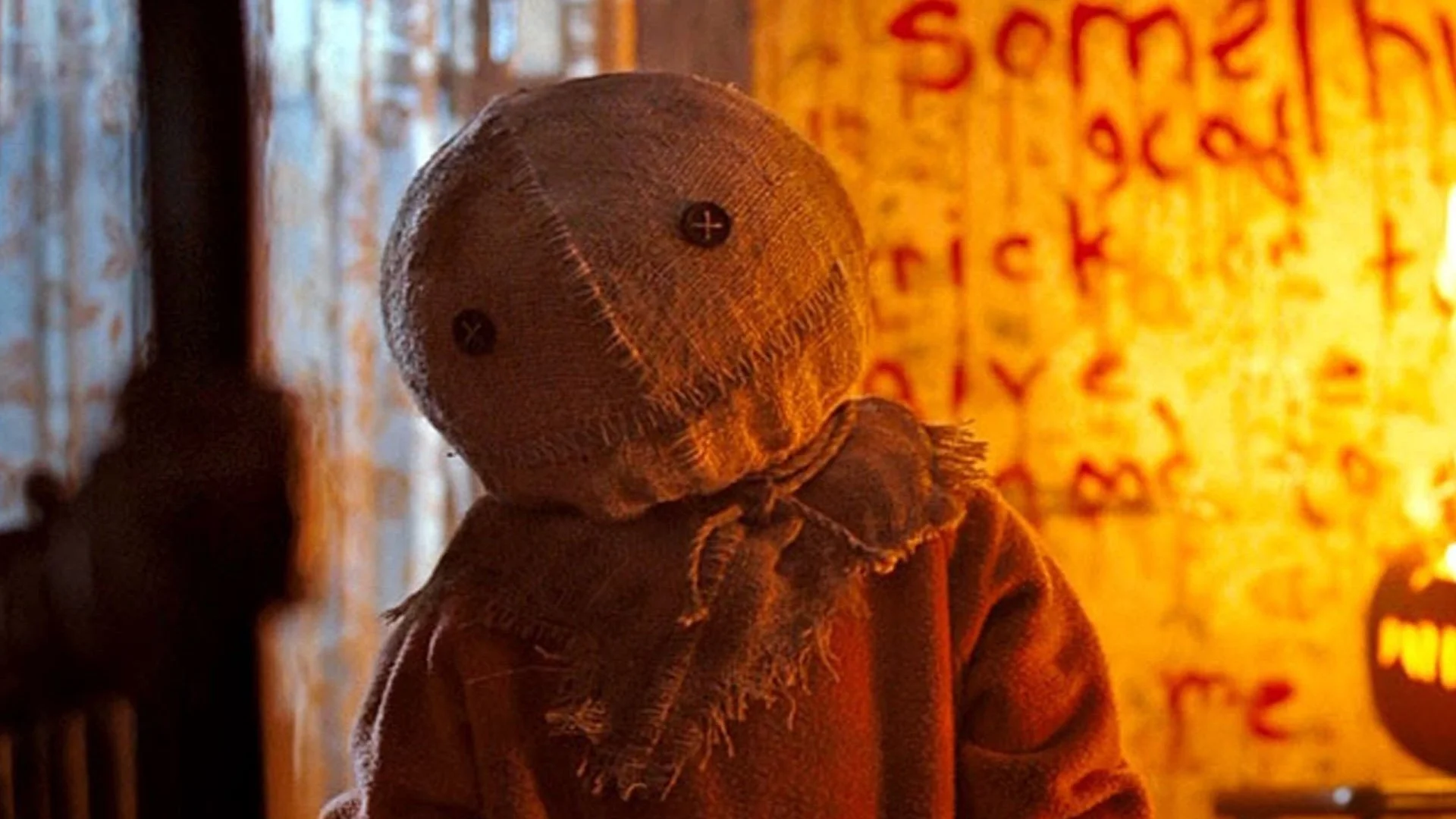
For millions of horror aficionados, the arrival of October is not marked by the turning of leaves or the cooling of the air, but by the annual ritual of revisiting Michael Dougherty’s 2007 cult masterpiece, Trick ‘r Treat. With its interconnected vignettes, pitch-black humor, and the iconic, burlap-masked enforcer of Halloween traditions known as Sam, the film transcended its rocky distribution history to become the definitive modern anthology of the genre.
Yet, despite its status as a seasonal staple, fans remain caught in a cycle of anticipation and disappointment regarding the elusive sequel. New insights from director Michael Dougherty have shed light on the state of the project, revealing a paradox: while the creative groundwork for Trick ‘r Treat 2 is complete, the financial machinery of Hollywood continues to stall what could be the horror event of the decade.
The State of the Sequel: A Vision Ready for Production
During a recent Q&A session at the FilmQuest Film Festival, moderated by Bill Earl of Variety, Michael Dougherty offered a candid update on the long-gestating sequel. The news is bittersweet. On the creative front, the film is essentially ready to shoot. Dougherty has not only finalized the screenplay—collaborating with his Krampus co-writers Zach Shields and Todd Casey—but he has taken the unprecedented step of storyboarding the entire feature.
"I don’t usually do this," Dougherty admitted during the panel. "When you storyboard, you usually just hit the set pieces, stuff with action and visual effects. But I was like, ‘Fuck it. I love storyboards. It’s like a comic book or graphic novel. Why not just storyboard the entire thing?’"
This level of pre-production is a testament to the director’s commitment to the project. Furthermore, Dougherty has reunited with artist Breehn Burns, who was instrumental in establishing the aesthetic of the original 2007 film. Together, they have generated an extensive collection of color concept art that paints a vivid, terrifying picture of what a second installment would look like.
A Chronology of Anticipation: From 2007 to the Present
The journey of Trick ‘r Treat has never been linear. To understand the current frustration, one must look at the turbulent history of the franchise:
- 2007: Trick ‘r Treat is completed but sits on a shelf at Warner Bros. for nearly two years. Despite stellar test screenings, the studio remains unsure how to market an anthology film that refuses to fit into a neat box.
- 2009: The film is finally released directly to DVD/Blu-ray. It immediately finds a passionate, organic audience. Word-of-mouth transforms it from a "forgotten" studio asset into a legendary piece of horror lore.
- 2013: Following the film’s massive cult success, Legendary Pictures officially announces that a sequel is in development, sparking widespread fan celebration.
- 2016: Legendary reaffirms the commitment to the sequel, keeping the project alive in the public consciousness as Dougherty focuses on other projects like Krampus and Godzilla: King of the Monsters.
- 2024: Dougherty reveals at FilmQuest that while the "creative" side of the house is finished, the project is currently in "limbo" due to budgetary hurdles.
The Economics of Fear: Why $20 Million is a Stumbling Block
The most pressing question for fans is simple: if the script is great and the director is proven, why hasn’t a major studio stepped up to fund the production? According to Dougherty, the issue is a "fear-based" industry climate that seems paradoxically allergic to the very genre that consistently saves the box office.
"It’s a weird time in Hollywood, obviously," Dougherty noted. "As much as the horror genre is doing really well, it’s still very much a fear-based industry."
The specific figure at the heart of the standoff is roughly $20 million. When adjusted for inflation, this represents the approximate budget of the original film. While $20 million is a modest sum in the era of $200 million superhero blockbusters, it sits in an uncomfortable "no-man’s land" for major studios. It is too high for a standard low-budget horror gamble and perhaps too specialized for a major tentpole play.
"That number tends to scare a lot of accountants for whatever reason," Dougherty remarked. This hesitation highlights a recurring problem in contemporary cinema: the disconnect between the proven, dedicated fanbases of cult franchises and the risk-averse nature of executive decision-making.
The Cultural Significance of Sam
The frustration surrounding the delay of Trick ‘r Treat 2 is compounded by the sheer cultural footprint of the first film. Over the last seventeen years, Sam—the pint-sized, pumpkin-headed spirit of Halloween—has evolved into a pop-culture icon on par with Michael Myers or Freddy Krueger.
The original film succeeded because it treated the holiday of Halloween not just as a setting, but as a mythology. By exploring interconnected stories—the school principal who is a serial killer, the group of teens playing a prank that goes wrong, the elderly hermit who refuses to respect the traditions—Dougherty tapped into the primal fear of breaking rules.
The anthology format offers an "endless supply" of narrative potential. There are countless local legends, urban myths, and dark traditions left to explore within the Trick ‘r Treat universe. The format is designed to be evergreen, allowing for new casts and new settings, all tied together by the looming threat of Sam’s retribution.
Implications for the Future of Horror Anthologies
The case of Trick ‘r Treat 2 serves as a sobering case study for the horror industry. It raises critical questions about how studios value intellectual property. When a film has a built-in audience, an established brand, and a director who has already done the heavy lifting of storyboarding and concept art, the continued delay suggests a systemic failure in the development pipeline.
If the project remains in limbo, it may embolden creators to seek alternative funding routes, such as independent production houses or prestige streaming services that are increasingly hungry for high-quality genre content. However, the vision Dougherty has built—one that clearly demands a cinematic, theatrical quality—seems to be at odds with the current "direct-to-streaming" appetite.
Conclusion: A Call for the Return of the Pumpkin King
For the fans who have spent over a decade waiting for a follow-up, the update from the FilmQuest Film Festival is both a validation and a call to action. We now know that the delay is not due to a lack of vision, a lack of interest, or a lack of preparation. The blueprint exists. The art is waiting to be animated. The stories are written.
Michael Dougherty has proven his loyalty to the project, investing years of creative energy into a sequel that could redefine the modern horror anthology. The obstacle is purely bureaucratic. As the industry continues to search for the next big horror hit, perhaps the answer is to look back at the one that never left the public consciousness.
The irony is not lost on anyone: a movie about the importance of following the rules of Halloween is being held up by the "rules" of a studio system that is increasingly detached from the audience it serves. Someone needs to give Michael Dougherty the $20 million required to bring Sam back to the big screen. Until then, we remain in the dark, waiting for the doorbell to ring and for the rules to be enforced once more.
