
The Golden Age of Escapism: Why These 2010s Fantasy TV Shows Actually Stuck the Landing
By Lisa Nordin
Published October 26, 2026
Fantasy has long stood as a crown jewel in the grand tapestry of storytelling. From ancient myths whispered around campfires to sweeping epics bound in leather, the genre commands a unique power over the human imagination. Nothing quite rivals the transportive magic of soaring through uncharted skies, battling shadowy forces, or exploring sprawling, impossible kingdoms. While the medium has evolved drastically over the centuries, the fundamental building blocks of great fantasy remain steadfast: a hero worthy of our empathy, an insurmountable obstacle, and a villain whose shadow looms large.
Yet, when looking back at the television landscape, a recurring tragedy often shadows the genre’s greatest successes. While sweeping live-action phenomena of the 2010s—such as Game of Thrones and Once Upon a Time—captured the cultural zeitgeist with unprecedented momentum, they infamously faltered at the finish line. Botched finales and rushed narrative resolutions left deep scars on their fanbases, turning what should have been timeless masterworks into cautionary tales about the perils of overstaying one’s welcome.
Fortunately, not all television from that golden decade suffered the same fate. A select few fantasy series managed a rare feat: they launched brilliantly, maintained relentless creative momentum, and, most importantly, stuck the landing.
Main Facts: The Anatomy of Flawless 2010s Fantasy
The 2010s will forever be remembered as a renaissance era for television, particularly for serialized fantasy. It was a decade that bridged the gap between traditional cable broadcasting and the nascent streaming boom, allowing risk-taking creators to push animated and live-action boundaries alike.
While mega-budget epics dominated the headlines, smaller, highly conceptual gems quietly perfected the art of the complete narrative arc. The defining characteristic of these standout shows was not merely their initial popularity, but their structural discipline. Recognizing the fleeting nature of television longevity, these series either told concise, self-contained stories or maintained absolute narrative control from premiere to series finale.

Chronology of a Decade: How the Golden Era Unfolded
Galavant (2015–2016)
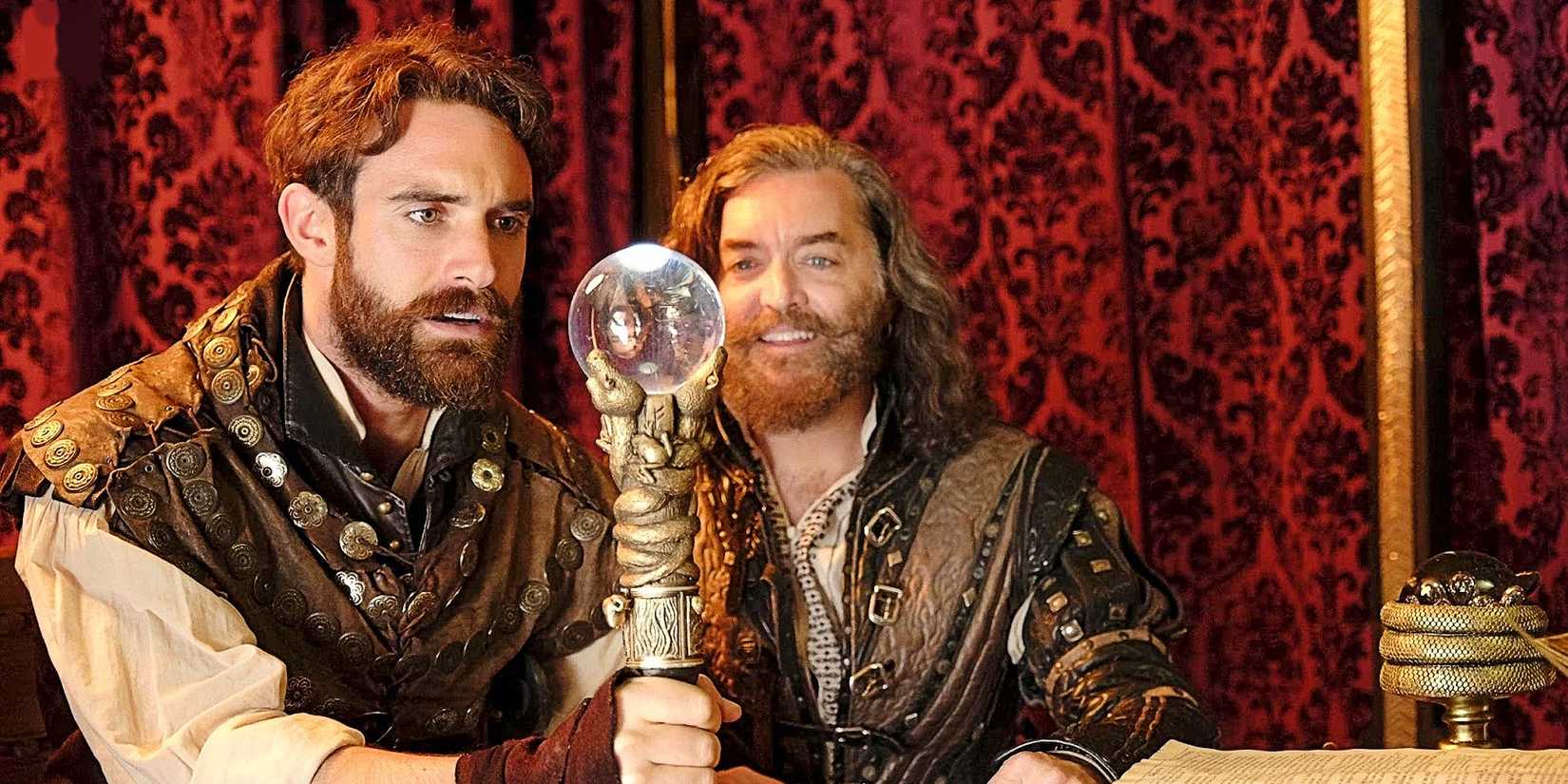
There is truly nothing in the television canon quite like ABC’s Galavant. Conceived as a musical comedy set against a medieval backdrop, the series infused traditional Arthurian tropes with razor-sharp modern humor and toe-tapping musical numbers. Behind the show’s auditory magic were two absolute powerhouses: Christopher Lennertz, the Emmy Award-winning composer known for The Boys and Supernatural, and Alan Menken, the legendary eight-time Oscar winner celebrated for Disney masterpieces like The Little Mermaid and Beauty and the Beast.
However, the music was only half the triumph; the show’s self-aware, meta-comedy truly knocked it out of the park. As Collider’s Kendall Myers aptly summarizes, "This 2015 musical series takes the self-aware humor of Monty Python and the fairy tale tropes of Princess Bride to create something entirely unique."
Recognizing the rarity of their creation, the creators of Galavant approached production with pragmatic caution. Though granted a second season, they meticulously ensured that major plotlines reached a satisfying resolution, anticipating a potential cancellation. When the axe ultimately fell, the resulting two-season run stood as a pristine, flawless comedy gem that never overstayed its welcome.
Over the Garden Wall (2014)
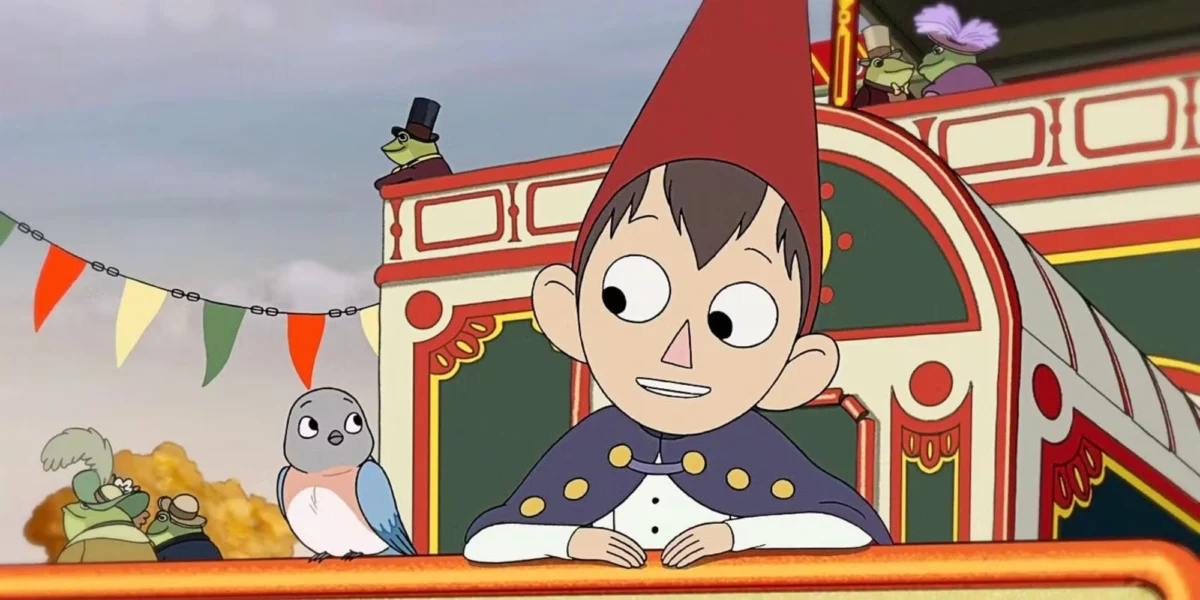
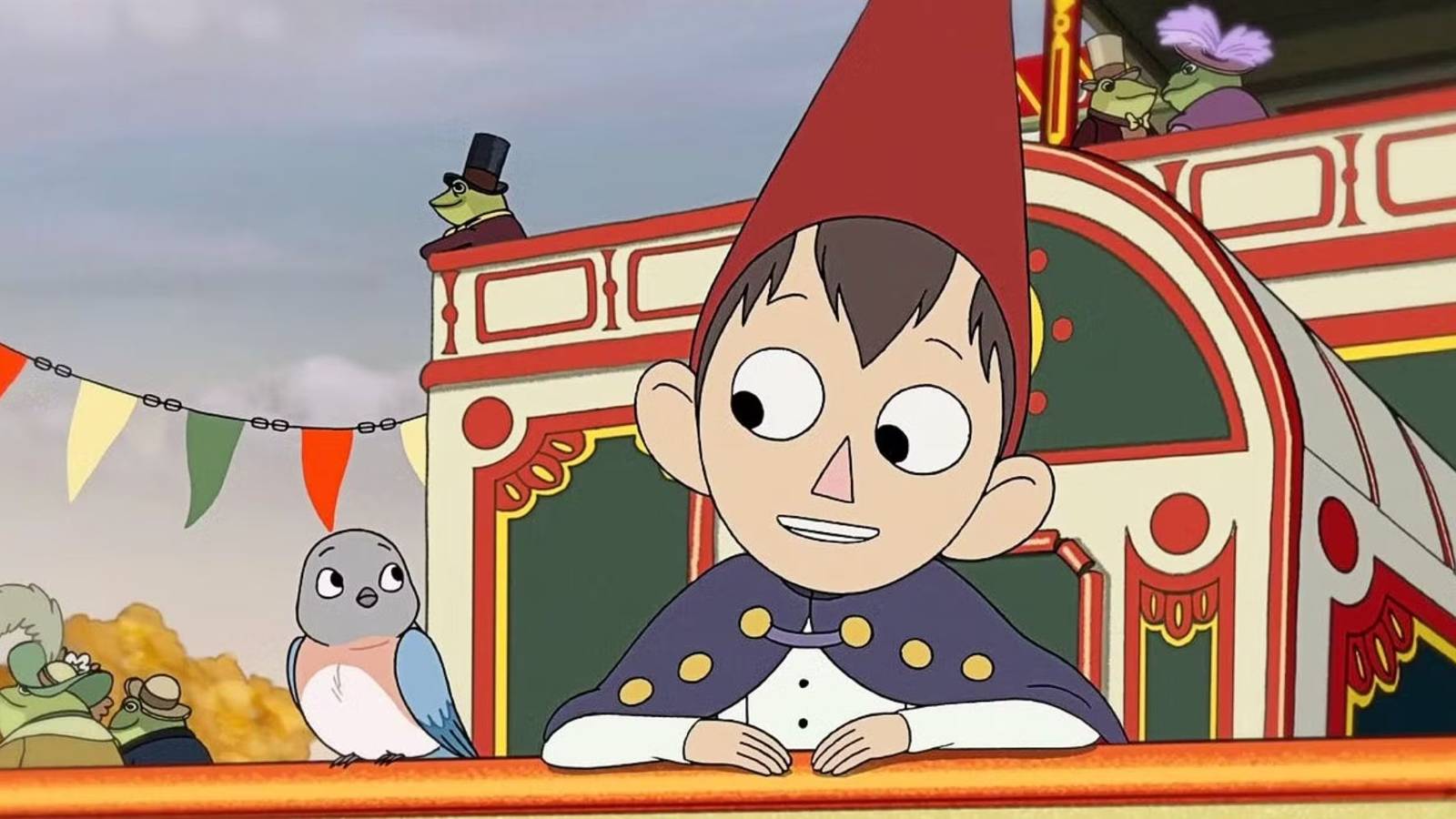
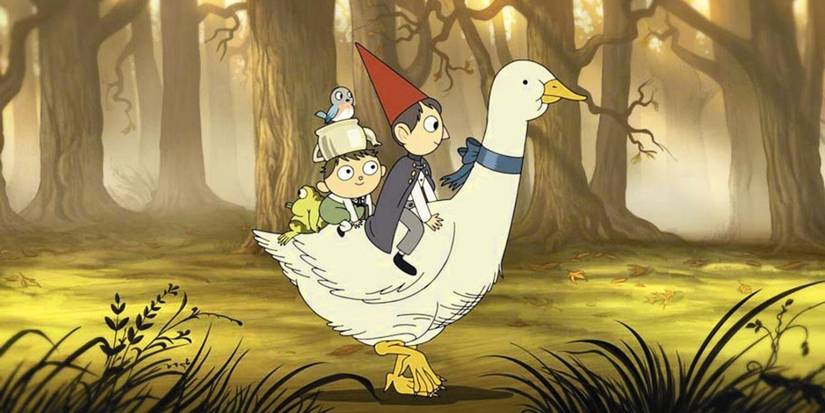
Sibling dynamics are rarely simple, and half-brothers Wirt (Elijah Wood) and Gregory (Collin Dean) are no exception in Cartoon Network’s Over the Garden Wall. As the anxious older sibling, Wirt carries the crushing weight of responsibility as the pair navigates a surreal, shadowy forest trying to find their way home. Gregory, conversely, remains blissfully untouched by existential dread, viewing every bizarre encounter through a lens of childlike wonder.
As a miniseries masterpiece, Over the Garden Wall boasts a distinct visual mise en scène that marries classic American folk aesthetics with subtle anime influences. Its cozy yet deeply unsettling atmosphere has cemented it as an essential autumn watch, evolving into an annual viewing tradition for legions of dedicated fans.
The Good Place (2016–2020)
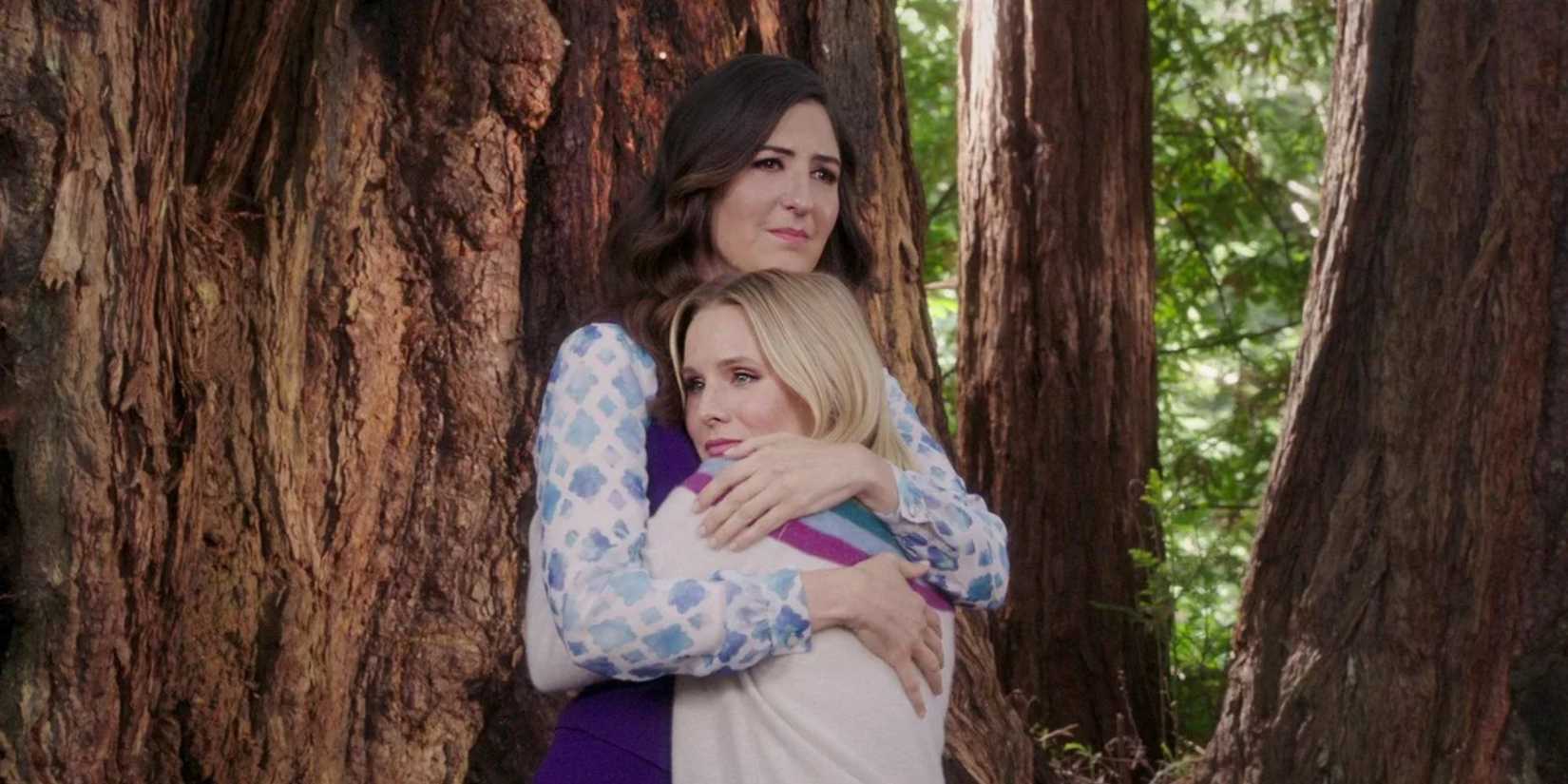
When Eleanor Shellstrop (Kristen Bell) opens her eyes in the afterlife after an unexpectedly abrupt demise, a philosophical and comedic journey begins. Setting a sitcom in a postmortem paradise is a high-concept gamble, yet The Good Place delivered flawlessly across all four of its seasons. It managed the rare dual-threat of being deeply thought-provoking and tear-jerkingly poignant, while simultaneously delivering some of the biggest, laugh-out-loud plot twists in television history.
Having originally found a massive streaming home on Netflix, the NBC comedy migrated to Prime Video, introducing its brilliant exploration of ethics, free will, and self-improvement to a brand-new generation. At a tight four seasons, it remains the ultimate weekend binge—one that leaves viewers questioning why they didn’t take the journey sooner.
A Series of Unfortunate Events (2017–2019)
Adapting Daniel Handler’s (Lemony Snicket) beloved book series requires a delicate balance of melancholy and wit, and Netflix’s A Series of Unfortunate Events achieved this by steadfastly refusing to talk down to its audience. Chronicling the perilous trials of the Baudelaire orphans as they evade the nefarious, fortune-hungry Count Olaf (Neil Patrick Harris), the series acts as a sharp, steampunk-infused satire of human behavior.
Harris delivers a career-defining performance as Olaf, effortlessly cycling through elaborate disguises and theatrical villainy. The show’s dreary, gothic atmosphere, combined with its seamless blending of fantasy and steampunk visual motifs, grants it infinite rewatchability.
My Little Pony: Friendship Is Magic (2010–2019)
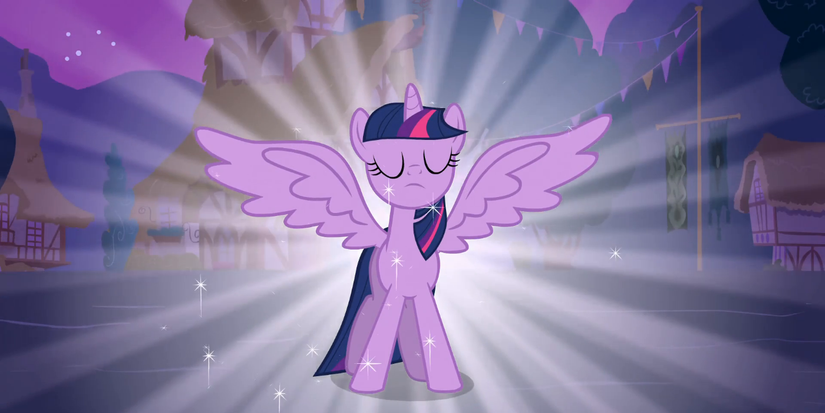
Perhaps the most culturally unexpected phenomenon of the decade was the runaway success of My Little Pony: Friendship Is Magic. Revitalizing Hasbro’s iconic 1980s brand, the animated series shattered demographic boundaries. Driven by sharp writing, endearing character development, and universal themes of empathy, the show famously transcended its target audience of young children to capture the hearts of an adult demographic known as "bronies."
With Hollywood currently experiencing a massive wave of 2010s nostalgia and ’80s toy adaptations—ranging from Masters of the Universe to Street Fighter—rumors of a live-action My Little Pony film adaptation suggest that the vibrant kingdom of Equestria may soon receive a non-animated cinematic makeover.
Penny Dreadful (2014–2016)
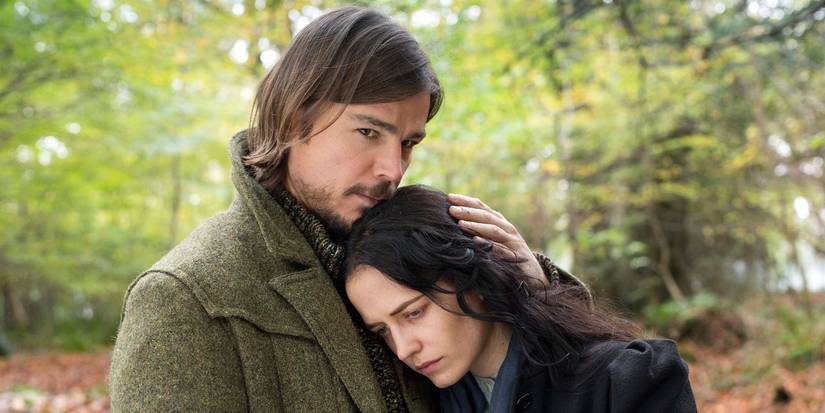
Far superior to standard literary fanfiction, Showtime’s Penny Dreadful wove a masterclass in gothic fantasy by uniting literature’s most iconic monsters into a single, cohesive nightmare. Centered around Vanessa Ives (Eva Green)—alongside legendary figures like Dr. Frankenstein (Harry Treadaway), Dorian Gray (Reeve Carney), and Dracula (Christian Camargo)—the series explored the grueling, internal war between good and evil.
The show’s sudden conclusion at the end of Season 3 shocked and divided fans who expected a longer run. However, creator John Logan maintained that the narrative was always destined to orbit Vanessa’s tragic arc. By ending on his own terms, Logan ensured Penny Dreadful preserved its potent, uncompromised artistic vision.
Gravity Falls (2012–2016)
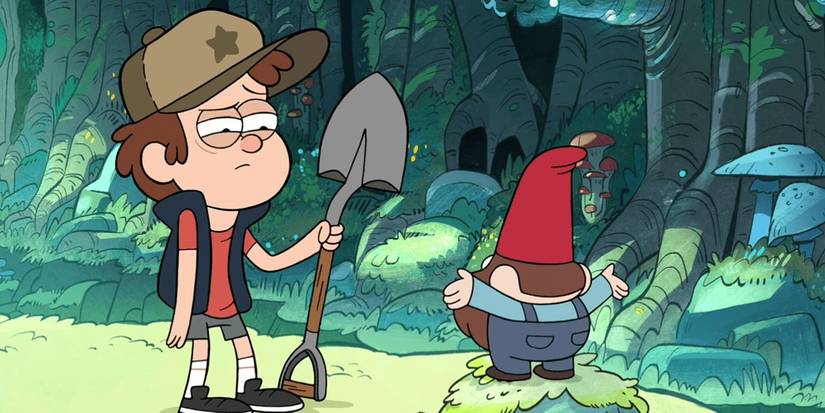
Described by Collider’s Jeffrey Harris as "Twin Peaks meets The X-Files," Disney’s Gravity Falls remains a triumph of subversive animation. Created by Alex Hirsch, the series follows twins Mabel (Kristen Schaal) and Dipper (Jason Ritter) as they spend a summer with their eccentric great-uncle Stan (Alex Hirsch) in an anomalously weird Oregon town.
Utilizing a deceptively innocent art style as a Trojan horse for cosmic mysteries, Gravity Falls expertly juggled monster-of-the-week charm with a sprawling, meticulously plotted overarching mythos. Holding a pristine 100% approval rating on Rotten Tomatoes, it stands as a gold standard for serialized mystery animation.
Attack on Titan (2013–2023)
Few modern properties captured global attention quite like Attack on Titan. Based on Hajime Isayama’s landmark manga and animated primarily by Wit Studio and MAPPA, the dark fantasy epic famously broke the internet when its final episode overloaded and temporarily crashed streaming giant Crunchyroll.
Following Eren Jaeger’s harrowing crusade against the man-eating Titans, the series evolved from a brutal survival story into a complex geopolitical tragedy. True to its uncompromising nature, Attack on Titan told the exact story it set out to tell, cementing its status as an undisputed anime classic of the 21st century.
Supporting Data & Industry Standing
The enduring legacy of these specific 2010s titles is reflected not just in fan devotion, but in critical consensus:
- Critical Acclaim: Shows like Gravity Falls hold rare 100% critical metrics, while Attack on Titan regularly ranks among the highest-rated television programs of all time on MyAnimeList and IMDb.
- Streaming Longevity: Unlike shows that experience sharp viewership drop-offs due to poor narrative conclusions, properties like The Good Place, Over the Garden Wall, and A Series of Unfortunate Events maintain high perpetual engagement through seasonal, recurring binge-watches (particularly around the autumn and winter holidays).
- Cross-Demographic Appeal: Titles such as My Little Pony: Friendship Is Magic and Galavant proved that brilliant tonal execution can break through traditional target demographics, securing passionate fan communities that persist long after production wrapped.
Official Responses and Creator Intent
A common thread uniting these successful 2010s fantasy series is the protective stance taken by their creators regarding narrative integrity.
- John Logan (Penny Dreadful): Addressed fan outcry over the abrupt series finale by emphasizing that the show’s structural anchor was always Vanessa Ives. Rather than stretching the narrative thin for commercial gain, Logan chose artistic closure: "My intent was always to have the show revolve around Vanessa… and her conclusion was the one I aimed for."
- The Creators of Galavant: Operating under the constant threat of network cancellation during an era of changing television budgets, the writing room intentionally prioritized tight pacing and preemptive plot resolutions, ensuring that whichever season proved to be their last would still function as a complete work of art.
Implications for the Future of Fantasy Television
The success of these distinct 2010s series offers a vital lesson for contemporary and future showrunners. In an era dominated by sprawling multi-season franchises, cinematic universes, and high-budget streaming gambles, audiences are increasingly fatigued by hollow spectacles that sacrifice narrative coherence for endless sequel bait.
Shows like Over the Garden Wall, The Good Place, and Penny Dreadful demonstrate the immense power of structural discipline. By prioritizing character depth, thematic resonance, and definitive narrative closure over infinite continuation, these series carved out a permanent, beloved place in television history. As modern studios continue to search for the next great fantasy epic, they would do well to remember that the most unforgettable journeys are not those that go on forever, but those that know precisely when—and how—to reach the final page.
