
The Architecture of Emotion: How an Improvised Gesture Defined the Heart of Project Hail Mary
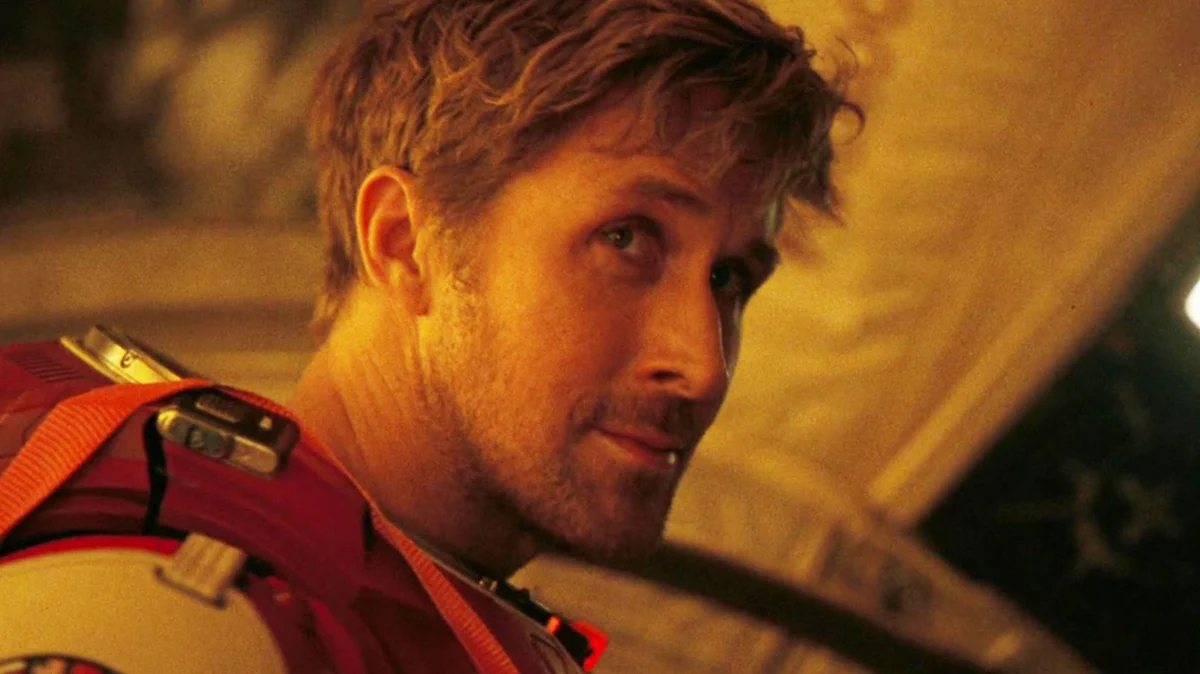
In the landscape of modern science fiction, few films have managed to balance the rigorous demands of "hard" astrophysics with the fragile, beating heart of human (and non-human) connection quite like Project Hail Mary. Directed by Phil Lord and Chris Miller, the adaptation of Andy Weir’s celebrated novel has been widely lauded not just for its scientific accuracy—a rarity that even notoriously difficult critics like Neil deGrasse Tyson have acknowledged—but for its ability to ground high-concept space exploration in profound emotional resonance.
At the center of this success is the bond between Ryland Grace, played with desperate vulnerability by Ryan Gosling, and his extraterrestrial counterpart, Rocky. While the film is dense with technical marvels and complex orbital mechanics, its most enduring legacy may be a quiet, unscripted moment of farewell. A recent exclusive insight into the production reveals that the film’s most tear-jerking goodbye was never in the screenplay; instead, it was born from a spontaneous collaboration involving the puppetry team, the directors, and a series of mysterious physical markings on the alien’s design that had been added only weeks before cameras rolled.
The Genesis of a Galactic Bond
To understand the weight of the goodbye scene, one must first appreciate the logistical hurdles of bringing Rocky to life. Portrayed by veteran puppeteer and actor James Ortiz, Rocky is a triumph of practical effects in an era dominated by CGI. The "craboid" alien, whose anatomy is dictated by the high-pressure, rocky environment of his home planet Erid, was designed over the course of a year.
The production team, aiming for biological plausibility, spent months refining the alien’s silhouette. However, as filming approached, the creative team made a late-stage decision to augment the character’s design. During a crucial eight-week rehearsal window, Ortiz was informed that Rocky would be receiving a complex array of "tattoos" or ridged markings across his exoskeleton. At the time, these additions were largely aesthetic—a way to add texture and history to the creature—with no specific functional purpose mapped out by the writers.
Chronology of the Improvised Farewell
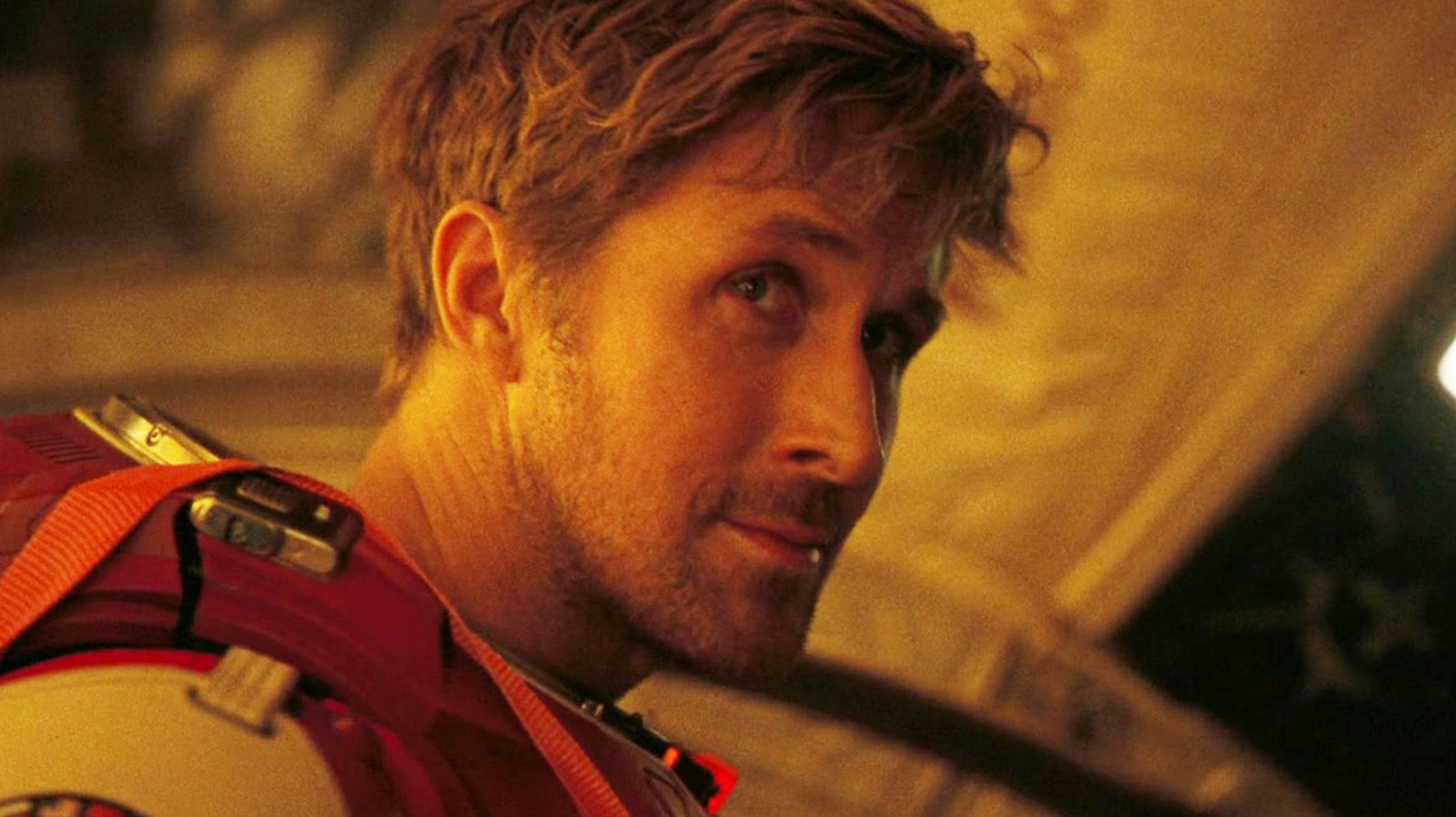
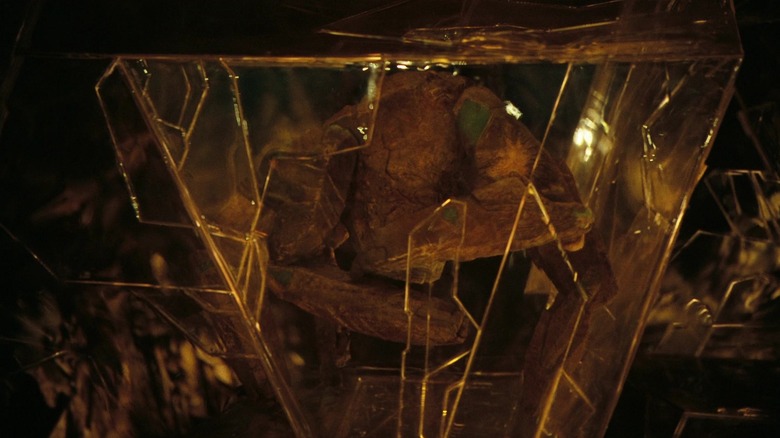
The scene in question takes place within the Xenonite tunnel connecting the ships of Grace and Rocky, a claustrophobic space that serves as the site of their final, presumed goodbye. The sequence serves as the emotional climax of their initial arc, marking the moment they believe they will never see one another again.
1. The Collaborative Catalyst
During the filming of this sequence, the environment was already charged with genuine emotion. Ryan Gosling and James Ortiz, working through the physical constraints of the puppet, found themselves naturally sliding into a state of melancholy. In an unscripted moment, Gosling—staying entirely within the character of Ryland Grace—asked, "So how do you guys say goodbye?"
2. The Narrative Standoff
In a moment of classic improvisational tension, Ortiz responded with the blunt, culturally alien answer: "We don’t." While this perfectly captured the barrier between their species, it created a narrative vacuum for the scene. The interaction had hit a wall; the characters needed a way to signal their parting that felt authentic to the Eridian biology they had spent months establishing.
3. The Directors’ Intervention
Phil Lord and Chris Miller, monitoring the performance through an earpiece, recognized the emotional peak but identified the need for a physical signifier. They prompted Ortiz to utilize the very ridges that had been added to Rocky’s design just weeks prior. Ortiz recalled the moment: "They were like, ‘Use [the arm movement], that’s your goodbye.’ And I went, ‘That’s a great idea.’"
4. Technical Execution
The movement involved running one arm along the ridged section of the other, creating a rhythmic, percussive sound—reminiscent of a güiro, the Latin American percussion instrument. The team quickly adjusted their control rods, rehearsed the motion once, and captured the take. The result was a haunting, resonant sound that felt as if it had been a part of Eridian culture for millennia.
Supporting Data: Why "Hard Sci-Fi" Requires Soft Touches
The success of Project Hail Mary—widely considered one of the defining films of 2026—lies in its "Pixar-like" ability to synthesize complex concepts with relatable stakes. Scientific accuracy is a double-edged sword in cinema; while it provides immersion, it often risks alienating audiences with cold, sterile exposition.
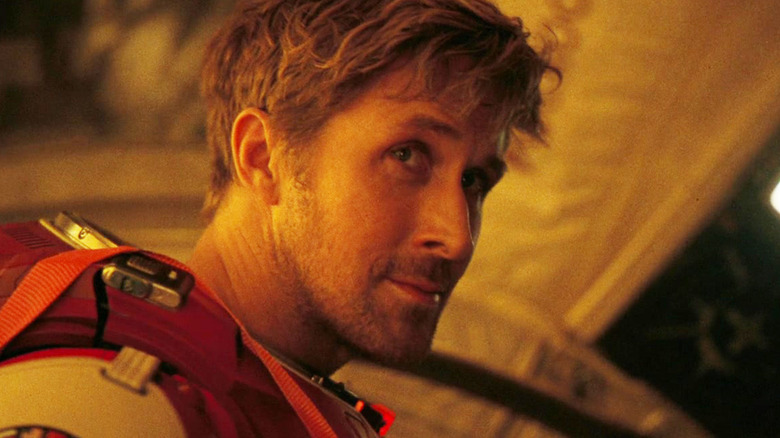
By grounding the science in the character dynamics of Grace and Rocky, Lord and Miller created a "living room" effect in the vacuum of space. The "tattoos" on Rocky, once considered mere visual clutter or world-building flavor, were transformed into a narrative device. This highlights a sophisticated approach to filmmaking where visual design is not just background scenery, but a functional language.
Industry analysts have noted that the film’s box office performance was significantly bolstered by word-of-mouth regarding these "hidden details." The audience’s desire to re-watch the film to spot these nuances—the unexplained markings, the subtle shifts in Rocky’s posture, the technical consistency of the Xenonite tunnel—has created a long-tail engagement cycle rarely seen in modern sci-fi blockbusters.
Official Perspectives on Creative Freedom
The collaborative spirit described by James Ortiz underscores a production philosophy that prioritized artistic discovery over rigid adherence to the storyboard. Lord and Miller, known for their work on Spider-Man: Into the Spider-Verse and The Lego Movie, have long been proponents of letting the "best idea win," regardless of where it originates.
In discussions regarding the production, Ortiz emphasized that the freedom to interpret the "mysterious markings" on Rocky was a gift to the performers. "Great design should be inspiring to other artists," Ortiz remarked. By providing a blank canvas of physical features, the designers allowed the puppeteers to find their own "Eridian body language." This autonomy is what gave the final goodbye its raw, unpolished feeling—a stark contrast to the often overly choreographed movements of CGI characters.
The Broader Implications for Science Fiction Cinema
The implications of the Project Hail Mary goodbye extend beyond the film itself. It serves as a case study for the future of creature design and performance.
- The Death of the "Static Design": As AI and digital tools make it easier to iterate on character designs, productions may begin to keep creature features "malleable" until the very final stages of pre-production to allow for actor-led discovery.
- The "Easter Egg" Economy: In an era of streaming and high-definition home media, movies are increasingly being judged by their "rewatchability quotient." By embedding functional, rather than merely decorative, details into a character’s design, directors can increase the intellectual engagement of their audience.
- The Human-Puppet Hybrid: The emotional resonance achieved between Gosling and the puppet proves that audiences do not need hyper-realistic CGI to feel empathy. In fact, the physical presence of the puppet on set likely improved the performances of the human cast, creating a feedback loop of genuine reaction that cannot be fully replicated in a green-screen environment.
Conclusion: A Lingering Echo
When Ryland Grace and Rocky eventually reunite on Erid, the weight of their journey is felt in every frame. However, it is the memory of that earlier, tearful goodbye in the tunnel that anchors the audience’s investment. That the scene was improvised—that it turned a last-minute design addition into a defining cultural gesture—speaks to the magic of collaborative filmmaking.
Project Hail Mary stands as a testament to the idea that science fiction is at its best when it uses the vastness of the universe to explore the intimacy of a single gesture. Whether it is a hand against a ridged arm or a shared look across a void, the film reminds us that even in a story defined by light-eating microbes and interstellar physics, the most important element remains the connection between two souls—no matter how many eyes or limbs they may have.
