
The Sunset of the Range: Why Netflix Canceled Ransom Canyon After Two Seasons
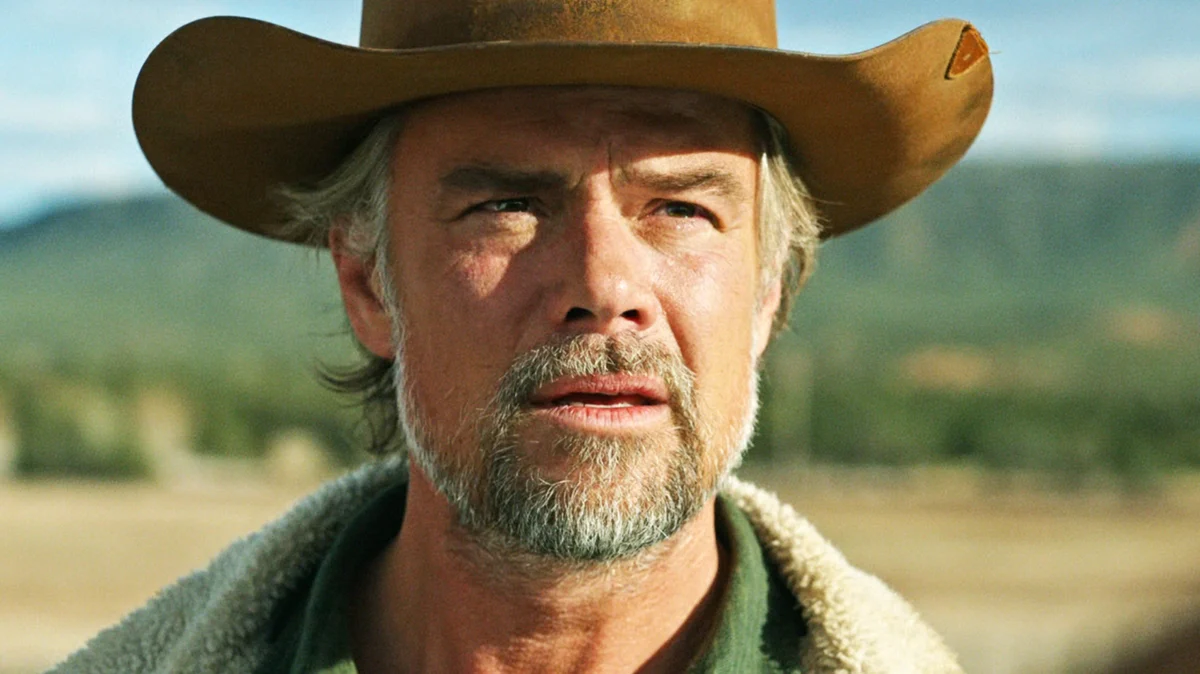
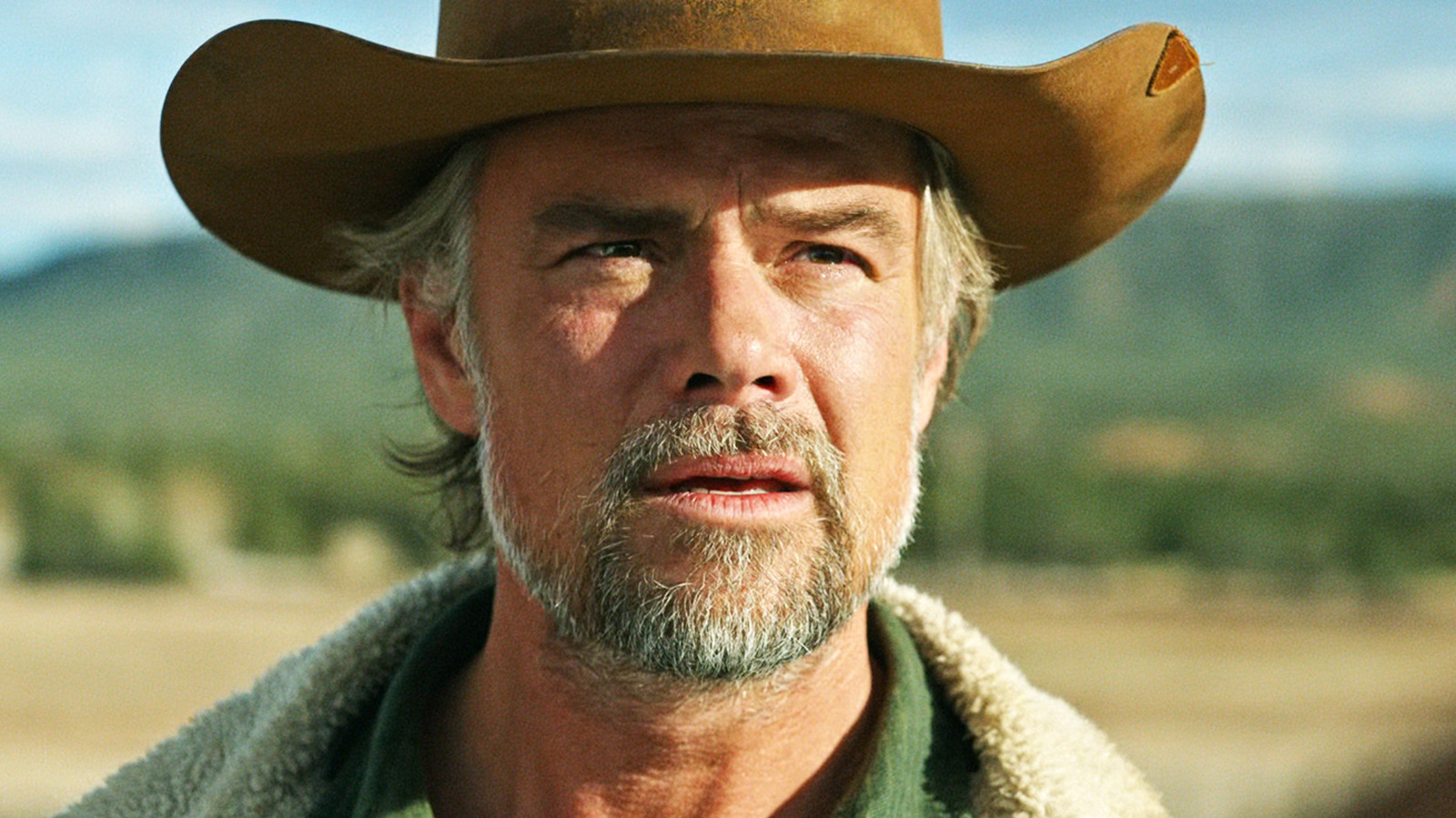
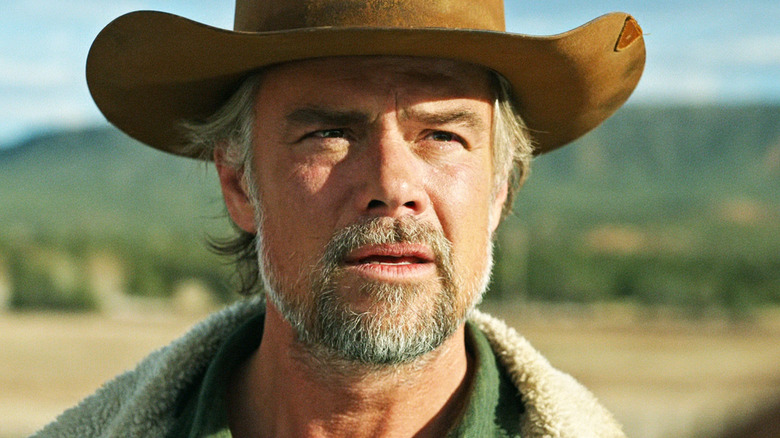
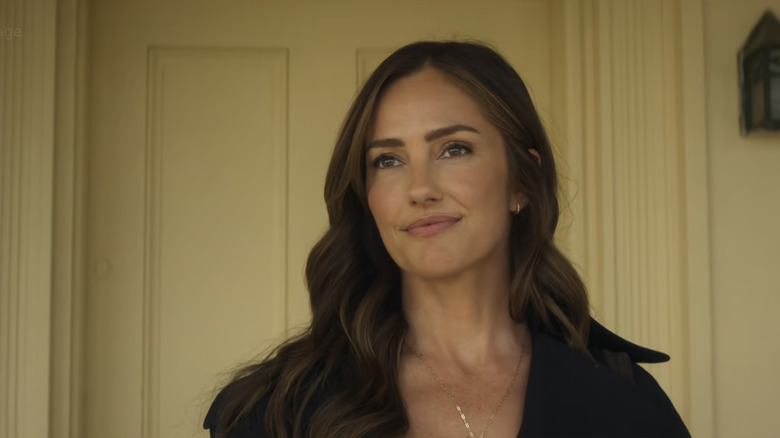
In the modern streaming landscape, the "Neo-Western" has become a potent genre, fueled by the massive success of Taylor Sheridan’s Yellowstone universe. Seeking to capitalize on this appetite for rugged landscapes, sweeping romances, and high-stakes land disputes, Netflix introduced Ransom Canyon. Based on the celebrated novel series by Jodi Thomas, the show seemed primed for a long, multi-season run. Starring Josh Duhamel as the stoic, widowed rancher Staten Kirkland and Minka Kelly as the soulful dancehall proprietor Quinn O’Grady, the series promised a blend of heart-wrenching drama and frontier tension.
Yet, despite a strong premise and a dedicated fanbase, Netflix officially pulled the plug on the series in September 2026, just weeks after the premiere of its second season. The cancellation serves as a sobering reminder of the brutal mathematical reality governing today’s streaming giants: even shows that climb to the top of the charts are not immune to the pressures of production costs and diminishing returns.
The Narrative Landscape: A Tale of Two Seasons
At its core, Ransom Canyon was a character-driven drama that leaned heavily into the "soapy" elements of its Western setting. The story followed Staten Kirkland, a man grappling with the tragic loss of his wife and son, as he attempted to navigate the complex social and economic web of his Texas hometown. His path frequently crossed with Quinn O’Grady, whose long-held, unrequited affection for Staten provided the emotional backbone of the series.
When the show debuted, it arrived with significant promise. It offered an alternative to the grit of other Western dramas, opting for a tone that felt more akin to a modern-day romance novel set against the backdrop of the American frontier. The showrunners were clearly aiming to replicate the "comfort viewing" appeal that has made shows like Virgin River or Sweet Magnolias so successful for Netflix.
The trajectory, however, was not as linear as the studio had hoped. While Season 1 laid the groundwork, the behind-the-scenes atmosphere grew increasingly tense as the studio began to re-evaluate the show’s viability. By the time the second season arrived on July 23, 2026, the series had already undergone significant structural changes, including a reduction in episode count and a creative overhaul intended to tighten the narrative focus.
Chronology of a Cancellation: The Rise and Fall
The timeline of Ransom Canyon’s cancellation is a masterclass in the volatile nature of "data-driven" television.
- Initial Launch: Following a respectable debut in its first season, Netflix opted to renew Ransom Canyon, but with a caveat. The order was trimmed from 10 episodes to eight, signaling that executives were already scrutinizing the return on investment.
- The Creative Pivot: During the production of the second season, the creative team implemented a "creative overhaul," which included significant shifts in the supporting cast. The goal was to pivot toward a more streamlined narrative, focusing more intently on the central chemistry between Duhamel and Kelly.
- Season 2 Premiere (July 2026): The second season launched with a surge of momentum. It hit number two on the U.S. Netflix charts almost immediately, eventually claiming the number one spot the following day. It even spurred a "halo effect," where viewers began re-watching Season 1, pushing the older episodes back into the Top 10.
- The Statistical Decline (September 2026): Despite the chart-topping performance, the internal metrics told a different story. On September 10, 2026, reports confirmed the cancellation. The data revealed that while the show was a "hit" in terms of reaching the #1 spot, it lacked the "stickiness" required to justify its production budget.
The Data Dilemma: Why the Numbers Didn’t Add Up
To the casual viewer, a show reaching the number one spot on Netflix’s Top 10 list is a unequivocal success. However, Netflix’s internal metrics prioritize "completion rates" and "acquisition value" over simple chart placement.
According to industry reports, the performance disparity between the two seasons was stark. Season 2 garnered approximately 4.1 million views in its opening week. When compared to the 7.2 million views achieved during the first season’s launch, this represented a 43% decline in viewership.
Furthermore, the "longevity" of the content—how long a show remains in the cultural conversation—was significantly shorter for the sophomore effort. While Season 1 managed to linger in the Top 10 for four consecutive weeks, Season 2 dropped out of the charts after just three. In an era where streaming platforms are under immense pressure from shareholders to maximize profit margins, a 43% drop-off is a catastrophic red flag.
Moreover, the "considerable budget" required to film a series with high-profile stars like Duhamel and Kelly creates a high barrier to entry. If a show costs $X to produce but only yields a specific volume of "long-term subscribers," the math becomes unfavorable. The reality is that Ransom Canyon was likely deemed too expensive for the shrinking audience it was retaining.
Critical Reception and Artistic Vision
Critics were never particularly kind to the series, which held a stagnant 50% rating on Rotten Tomatoes across both seasons. While the show was never intended to be an awards-season darling, the lack of critical momentum meant that it lacked the "prestige factor" that might have otherwise saved it from the chopping block.
Despite this, the creative team remained optimistic. Showrunner April Blair had clearly envisioned a much longer life for the inhabitants of the canyon. In an interview with Entertainment Weekly conducted shortly before the cancellation, Blair articulated a vision for the future of Staten and Quinn. "I always say the end of season two isn’t the end of their story," Blair stated. "It’s actually just the beginning. Falling in love and deciding to be together is the easy part. What happens after that? How do you keep that love alive?"
This disconnect between the creator’s long-term roadmap and the studio’s short-term financial expectations is a recurring theme in modern television. For fans, this is the most bitter pill to swallow: the knowledge that there was a fully formed plan for the characters that will now remain locked in a vault, likely never to be produced.
Official Responses and the Fan Experience
The cast, led by Minka Kelly, handled the news with grace. Kelly took to Instagram to share a poignant farewell, posting a montage of behind-the-scenes clips. "Appreciating this little trip down memory lane as we say farewell," she wrote. "All good things must come to an end. And so it is. Thank you all for giving us two beautiful seasons! I love you forever my Ransom Canyon family!!"
While Kelly’s message offered closure to the audience, the lack of comment from other major cast members or the studio suggests a clean break. There have been no reports of shopping the series to other networks or streaming services, effectively signaling that the Ransom Canyon brand has been retired by the platform.
The Implications: What This Means for the Genre
The cancellation of Ransom Canyon is indicative of a broader trend in the streaming industry: the "Correction Phase." After years of aggressive spending to capture market share, platforms like Netflix, Disney+, and Max are now heavily prioritizing profitability.
- The Death of the "Mid-Tier" Show: Shows that perform well but not "blockbuster" well are becoming increasingly rare. If a show doesn’t capture a massive, global audience, it is viewed as a liability.
- The Budget Ceiling: Production costs for Westerns—which require location shooting, period-appropriate wardrobe, and animal wrangling—are inherently high. Unless these shows can guarantee massive engagement, they are unlikely to be renewed.
- The "Top 10" Illusion: Viewers should no longer view a show’s position on the Top 10 list as a guarantee of safety. The metrics that dictate renewal are deep within the platform’s proprietary analytics, which account for churn, acquisition, and completion, often overriding what appears on the public-facing dashboard.
For fans of the genre, the future remains uncertain. While Yellowstone remains a titan, the "replacement" shows are struggling to find a foothold. Netflix has pivoted toward other content, such as the acquisition of the "cozy Western" series When Hope Calls, suggesting that they are moving toward lower-budget, lower-risk programming to fill the void.
Ultimately, Ransom Canyon will be remembered as a series that had the ingredients for success but was unable to overcome the ruthless arithmetic of the streaming age. While fans may lament the unfinished story of Staten and Quinn, the show stands as a testament to the fact that in the current era of entertainment, a show’s quality is often less important than its ability to justify its own existence on a balance sheet.
