
The Next Chapter of the Avatar Universe: Unpacking the Mystery of ‘Seven Havens’
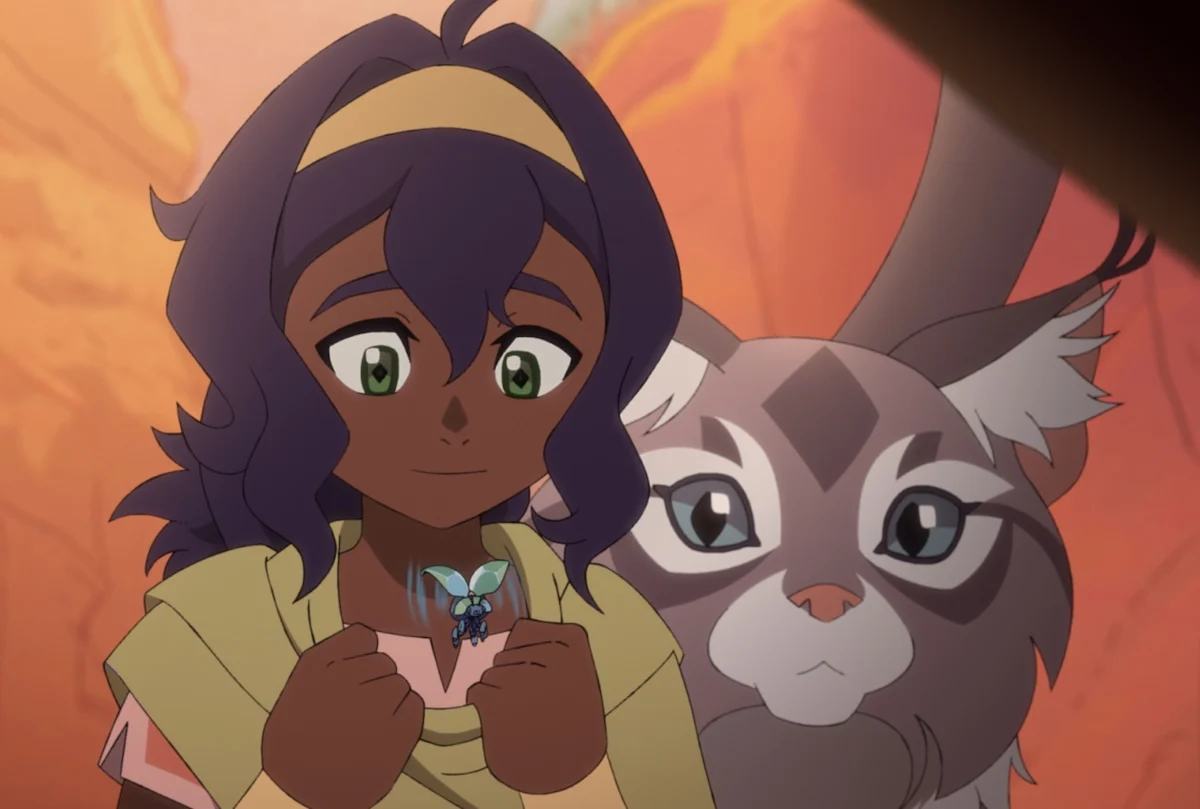
The expansive tapestry of the Avatar universe is set to grow once more. With the upcoming premiere of the animated series Avatar: Seven Havens, creators Michael Dante DiMartino and Bryan Konietzko are poised to transport fans back into the vibrant, elemental world that first captured global imaginations in 2005. Following the successes of Avatar: The Last Airbender, The Legend of Korra, and the recent feature film Avatar Aang: The Last Airbender, this latest installment aims to bridge the gap between legacy and innovation. Scheduled to debut on Paramount+ on October 9, 2026, Seven Havens represents a deliberate shift in tone, aesthetic, and narrative structure for the long-running franchise.
Main Facts: A New Era for the Avatar
Avatar: Seven Havens is officially set in the timeline following the conclusion of The Legend of Korra. The series has been greenlit for a 26-episode run, structured in two distinct parts to allow for a deep, serialized exploration of its central premise.
Unlike the rapid industrialization seen in the Republic City era of Korra, Seven Havens promises a return to a more intimate, fantasy-driven narrative. The show centers on a new Avatar struggling to define her identity in a world that, while physically healing from the disruptions of the past, remains psychologically burdened by the legacy of the Avatars who came before her. The creative team has confirmed that the series is being produced in traditional 2D animation, a stylistic choice that emphasizes the franchise’s commitment to artistic fluidity and hand-drawn detail.
Chronological Context: Building a Shared History
To understand the significance of Seven Havens, one must look at the trajectory of the franchise’s chronology. The original series, Avatar: The Last Airbender, focused on the spiritual restoration of a world devastated by the Fire Nation’s imperialism. Its successor, The Legend of Korra, accelerated the timeline by introducing the "Industrial Age" of the Four Nations, characterized by rapid technological advancement, the rise of democracy, and the breakdown of traditional bending-centric hierarchies.
Seven Havens occupies the space between the high-octane technological sprawl of the Korra era and an uncertain future. DiMartino has hinted that while the new series acknowledges the technological leaps made in previous chapters, it chooses not to be defined by them. Instead, the narrative acts as a direct descendant of the events that occurred after Korra’s tenure, suggesting that the "tech boom" of the previous series has led to a societal plateau or, perhaps, a reactionary shift away from rapid modernization. By positioning the story in this transitional period, the creators allow themselves the freedom to reintroduce the "mystery" that DiMartino claims is the heartbeat of this new project.
Supporting Data: The Artistic and Creative Philosophy
The aesthetic DNA of Seven Havens is heavily rooted in the works of legendary filmmaker Hayao Miyazaki. Both DiMartino and Konietzko have openly cited Spirited Away and Princess Mononoke as primary inspirations for the series’ visual language. This marks a departure from the more "steampunk-adjacent" designs of the latter seasons of Korra.
By pivoting toward a fantasy-based aesthetic, the production team is signaling a return to the roots of the series—where nature, spirituality, and the balance of the elements took precedence over the mechanics of machines. The "tech" in Seven Havens is not the focus; it is merely a relic of a previous age. This creates a fascinating environmental storytelling opportunity: the world of the Avatar is one where the past is physically present in the form of abandoned or repurposed infrastructure, providing a backdrop that feels simultaneously ancient and reclaimed.
The 26-episode order is a strategic move by the creators. By splitting the series into two parts, the writers are afforded the space to pace their mystery-driven plot effectively. This structure allows for a "slow burn" approach to character development, ensuring that the new Avatar’s internal struggle—being misunderstood by those she is meant to protect—receives the gravitas it deserves.
Official Responses: Creators on the ‘Mystery’ Element
In a recent interview with Animation Magazine, Michael Dante DiMartino opened up about the collaborative process of shaping this new series. He emphasized that the goal was never to create a "side-story" or a simple "adventure of the week" procedural. Instead, the objective was to craft a narrative that speaks to the entirety of the Avatar universe.
"When we started talking about different ideas, we definitely wanted to do a series that speaks to the whole universe in a way and that’s not just a side new adventure or something," DiMartino explained.
Perhaps the most compelling detail shared by the co-creator is the emphasis on the unknown. DiMartino stated that the series is built upon a "mystery element," one that ties together the lingering consequences of Korra with the present day of Seven Havens. While the specifics of this mystery are being guarded closely to avoid spoilers, it is clear that the show will explore the "gaps" in the timeline—the unseen events that occurred between the end of Korra’s life and the start of the new Avatar’s journey. This suggests that the series will serve as an essential "connective tissue" for the franchise, answering questions that fans have debated for years.
Implications: The Weight of the Mantle
The most striking theme teased for Seven Havens is the social friction surrounding the Avatar. In previous iterations, the Avatar was often seen as a revered figure, a beacon of hope, or a political tool. In this new series, the Avatar is met with misunderstanding.
This shift in the Avatar’s public perception has profound implications for the narrative. If the world has moved on from the era of the "celebrity Avatar" (as seen with Korra) or the "legendary warrior" (as seen with Aang), then the protagonist of Seven Havens is operating in a world that is either indifferent or actively hostile to the idea of a singular, all-powerful arbiter of balance. This conflict creates a fertile ground for character study. How does an individual maintain their connection to their duty when the people they are sworn to serve do not recognize the legitimacy of that duty?
Furthermore, the rejection of a "sci-fi or futuristic" tone in favor of a "fantasy-based" one suggests a potential reclamation of the spirit world. If technology failed to solve the world’s problems, the characters may find themselves looking back to the ancient traditions, the spirits, and the fundamental balance of bending that the Korra era sometimes pushed into the background.
Looking Toward October 2026
As the premiere date of October 9, 2026, approaches, anticipation within the animation community is reaching a fever pitch. Avatar: Seven Havens is not merely another entry in a long-running franchise; it is a statement of intent from DiMartino and Konietzko. By returning to the medium of 2D animation and leaning into the high-fantasy influences of Miyazaki, the creators are reaffirming the core identity of the Avatar series.
The combination of a mystery-centric plot, a grounded approach to the consequences of the Korra era, and an emphasis on the personal struggle of a misunderstood hero positions Seven Havens to be a seminal moment in the franchise. Whether the series will fully reconcile the technological advancements of the past with the spiritual needs of the future remains to be seen. However, one thing is certain: the Avatar universe remains as dynamic and capable of evolution as the elements themselves. Fans can look forward to a series that promises to honor the past while carving out a unique, enigmatic path for the future.
