
The Evolution of Terror: Why ‘Crystal Lake’ is Ditching the Hockey Mask for its Origin Story
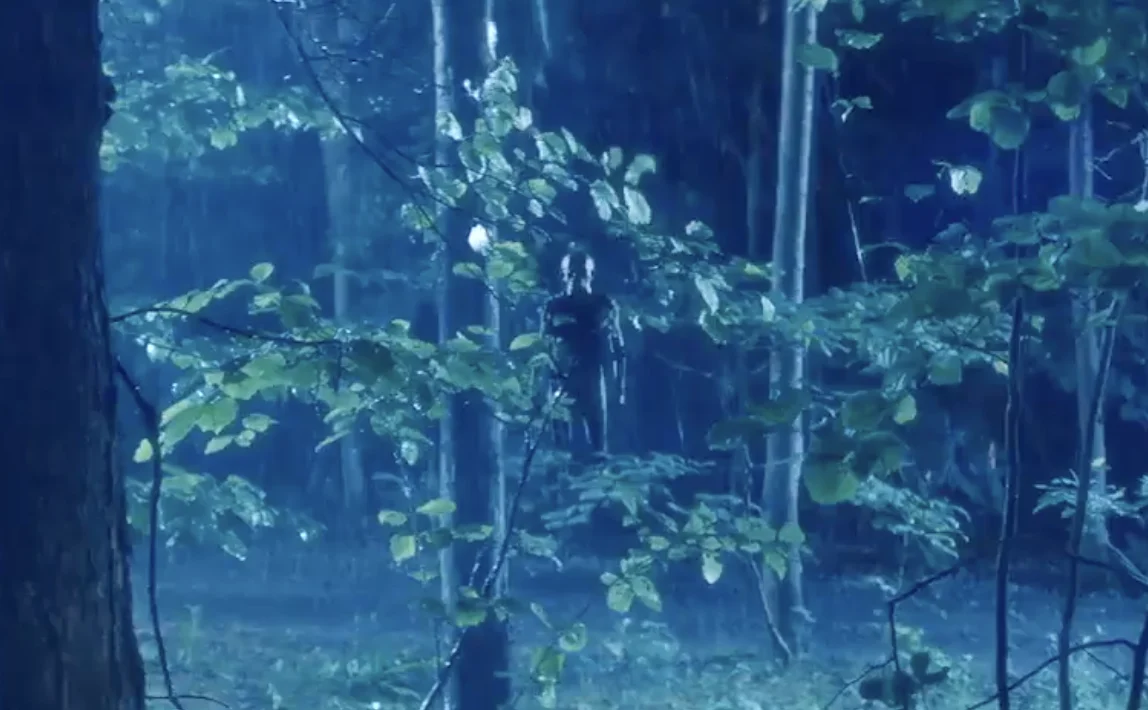
With the highly anticipated premiere of the Friday the 13th prequel series Crystal Lake looming on the horizon, the horror community is abuzz with speculation. As fans prepare for a return to the cursed summer camp, showrunner Brad Caleb Kane has dropped a significant bombshell that has sparked intense debate: Jason Voorhees will not be donning his iconic hockey mask during the series’ inaugural season.
While purists might initially recoil at the absence of the franchise’s most recognizable visual shorthand, a deeper look at the series’ lore and the creative intent behind this decision reveals a narrative strategy rooted in character development rather than aesthetic shortcuts.
The Core Revelation: A Return to the Sack
The confirmation came via an exclusive report from Entertainment Weekly, where showrunner Brad Caleb Kane addressed the elephant in the room. For those expecting the hulking, masked behemoth of the later sequels, the series is opting for a more grounded, visceral approach.
“There is a mask,” Kane teased, confirming that the character will not be entirely faceless. “It might be a different mask than fans are used to, but it will not be a different mask than fans have seen.”
This cryptic statement aligns with the visual clues dropped in the series’ promotional trailer, which features a figure—presumably the young Jason—stalking through the dense, fog-ridden woods with a burlap sack pulled over his head. This is a deliberate callback to the character’s "Part 2" iteration, a version of Jason that remains one of the most terrifying and raw depictions in slasher history. By choosing to embrace the burlap sack, the production is signaling its commitment to the chronological timeline of the franchise’s evolution.
A Chronological Breakdown: Mapping the Evolution of Jason
To understand why the exclusion of the hockey mask is the correct narrative choice, one must revisit the fractured timeline of the Friday the 13th series. The franchise has always been defined by its slow, methodical transformation of Jason from a mythical campfire story into an unstoppable supernatural force.
The Pamela Voorhees Era
The original 1980 film serves as the foundational bedrock of the series. In this iteration, the killer is not Jason, but his mother, Pamela Voorhees, driven by a vengeful grief for her drowned son. Crystal Lake aims to peel back the layers of this tragedy, exploring the psychological landscape of the Voorhees family long before the first camper was ever slaughtered.
The Burlap Sack Phase (Part 2)
Following his mother’s demise, Jason emerged from the shadows in Friday the 13th Part 2. He was not the towering, silent zombie of later entries; he was a feral, vengeful hermit living in the woods. His disguise was crude, utilitarian, and deeply unsettling: a simple potato sack with a single eyehole. This look represented a man who was still human, still vulnerable, and still finding his footing as a predator.
The Birth of the Icon (Part III)
It was not until the third installment, Friday the 13th Part III, that Jason famously donned the hockey mask after stealing it from a victim. This was the moment Jason became a pop-culture icon—a figure of cold, mechanical efficiency.

By centering Crystal Lake on the events preceding the arrival of the hockey mask, the showrunners are choosing to respect the "growth" of the character. To introduce the mask in a prequel would undermine the gradual, tragic progression of Jason’s transformation from a lost boy to a masked killer.
Supporting Data: Why "The Sack" Remains Superior
The burlap sack has long been a point of contention among franchise purists. Some view it as a placeholder, while others view it as the most terrifying version of Jason.
Sociologically, the sack serves a distinct purpose in horror. The hockey mask provides Jason with a face—a permanent, unmoving expression of death. The sack, however, is malleable. It is dirty, frayed, and claustrophobic. It suggests a character who is hiding, a character who is scavenging, and a character who is not yet fully formed.
By focusing on this period, Crystal Lake is essentially presenting a "Year One" story. Much like Batman Begins or Smallville did for their respective icons, the series is stripping away the myth to find the humanity—however broken—underneath.
Official Responses and Creative Intent
Brad Caleb Kane’s approach is one of "mythology-building." In his interview, he emphasized that the show is not merely throwing away the mask, but providing a definitive explanation for it.
“We show the origin story of the mask and why it’s there specifically,” Kane stated. “And it all connects.”
This suggests that the transition to the hockey mask will be a pivotal, perhaps even tragic, moment in the series’ narrative arc. Rather than treating the mask as a given, the showrunners intend to treat it as a climactic reward for the audience. The production team is clearly aiming for a blend of psychological thriller and slasher horror, with Linda Cardellini’s portrayal of Pamela Voorhees serving as the emotional anchor for the entire project.
Cardellini, in a recent interview with Chad Collins, discussed the weight of stepping into such a legendary role. The goal, she noted, is to humanize a character who has largely been defined by her villainy. By understanding the woman who created the monster, the audience will be forced to reconcile with the tragedy of the Voorhees family, making the eventual appearance of the "monster" all the more impactful.
Implications: A New Era for Slasher Television
The decision to eschew the iconic hockey mask in favor of the burlap sack has profound implications for the horror genre on television.

1. Prioritizing Narrative Over Fan Service
In an era where franchise reboots often feel like a checklist of iconic moments, Crystal Lake is taking a risk. By delaying the arrival of the most famous element of the franchise, the producers are betting that the audience is interested in the story, not just the imagery. This signals a maturation of the horror genre, where character arcs are finally being given the same weight as the "kill count."
2. The Return of Psychological Horror
By focusing on the period before Jason becomes the unstoppable "slasher," the show gains the room to breathe. It can lean into the atmosphere of the 1970s and 80s, the isolation of the camp, and the specific, localized paranoia that made the original film so effective. The sack is not just a mask; it is a symbol of isolation.
3. Setting the Stage for Future Seasons
If the first season succeeds in building the origin of the mask, the implications for future seasons are massive. The show is effectively creating a roadmap for the franchise. Should Crystal Lake receive a second season, we can expect a shift in tone as Jason evolves into the more recognizable entity we know from the later films.
Conclusion: A Necessary Evolution
The outcry over the absence of the hockey mask is, in many ways, a testament to the power of the franchise’s legacy. However, a closer examination of the creative intent behind Crystal Lake suggests that this is not an omission, but an addition.
By exploring the "sack-mask" era, the showrunners are paying homage to the roots of the character while promising to provide the missing context that fans have debated for decades. We are finally going to see the why—why the woods, why the camp, why the mask, and why Jason.
As we approach the October 15 premiere on Peacock, the question remains: does the sack need an explanation? Perhaps not. But in the hands of a team clearly dedicated to the lore of Friday the 13th, the prospect of finally seeing the pieces of the puzzle fit together is an enticing one. Whether or not the audience finds the "origin" of the mask satisfying, one thing is certain: the return to Crystal Lake will be a visceral, dark, and deeply character-driven journey that reminds us exactly why we fell in love with the horror genre in the first place.
The mask may be missing for now, but the terror is just beginning.
