
A New Chapter for Austin Cinema: AFS Expands with the John H. McCall Theater
In a significant expansion for the independent film landscape in Texas, the Austin Film Society (AFS) has announced the grand opening of its newest venue, the John H. McCall Theater. As a state-of-the-art third screen integrated into the existing AFS Cinema complex, the theater is set to debut on October 24, marking a pivotal moment in the organization’s nearly four-decade history of fostering cinematic culture in the Lone Star State.
The launch will be accompanied by an ambitious, high-profile inaugural weekend that underscores the AFS’s commitment to both contemporary auteur cinema and the preservation of classic film. By bridging the gap between cutting-edge premieres and 4K restorations of iconic works, the AFS continues to solidify its reputation as one of the most vital cultural hubs in the American South.
The Main Event: A Weekend of Cinematic Splendor
The opening of the John H. McCall Theater is far more than a simple ribbon-cutting; it is a celebration of the medium itself. The inaugural weekend schedule features a diverse array of programming that reflects the AFS’s mission to curate a sophisticated, challenging, and historically conscious selection of films.
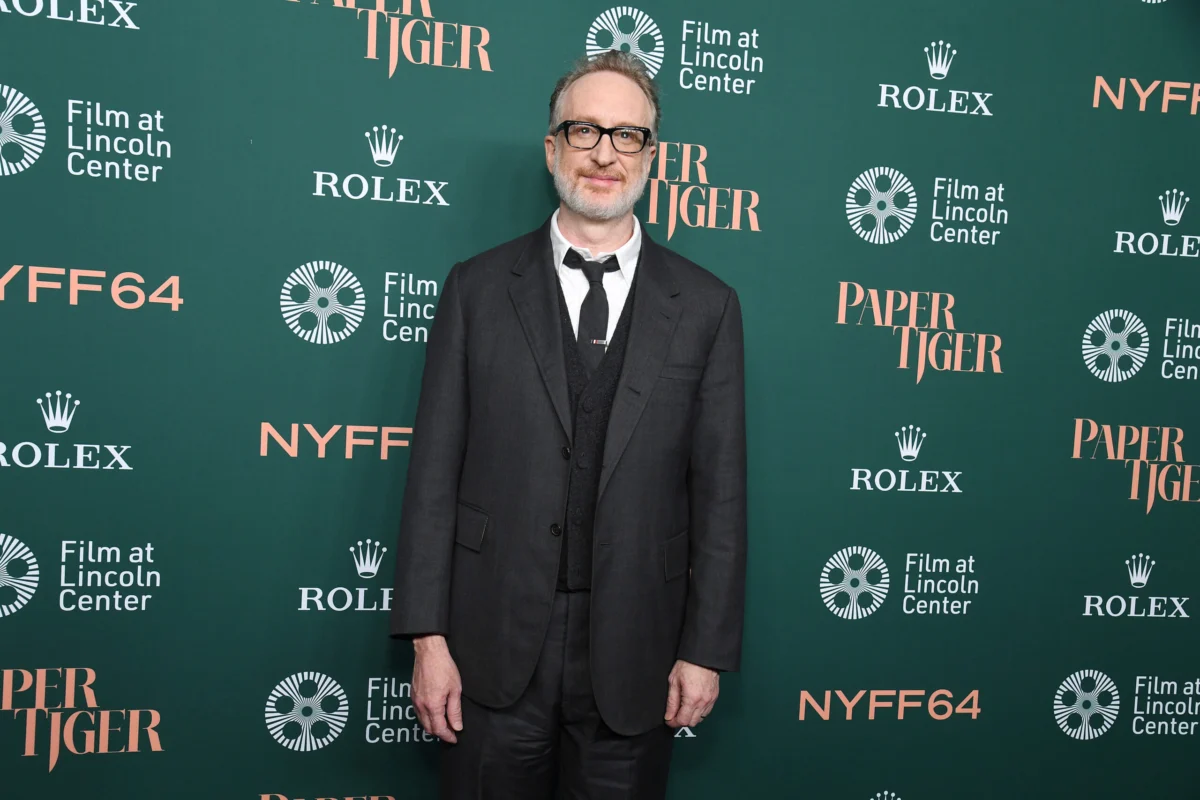
The centerpiece of the opening festivities is the Texas premiere of James Gray’s latest crime thriller, Paper Tiger. The film, which has generated significant buzz ahead of its wide release, will be the focus of a special event on October 27. The screening will be followed by an exclusive, in-depth conversation between writer-director James Gray and AFS founder and artistic director Richard Linklater. This dialogue promises to provide audiences with unique insights into Gray’s creative process and the evolving landscape of the crime thriller genre.
Beyond the contemporary, the AFS is leaning into its roots as a repertory house. The opening weekend will showcase new 4K restorations of three essential films that have left an indelible mark on cinematic history:
- Martin Scorsese’s The Color of Money (1986): A masterclass in tension and character study, this sequel/spin-off remains a quintessential example of Scorsese’s ability to imbue genre cinema with profound psychological weight.
- Sofia Coppola’s Marie Antoinette (2006): A visual and auditory feast, Coppola’s bold, pop-infused historical drama was ahead of its time, and its restoration invites a fresh reappraisal of its innovative aesthetics.
- The 1995 documentary Unzipped: A seminal look at the intersection of fashion, art, and personality, capturing the vibrant creative energy of the mid-90s.
A Legacy of Support: The John H. McCall Connection
The addition of the third screen is a direct result of a generous donation by Amy McCall in honor of her late husband, John H. McCall, who passed away in 2021. The naming of the theater serves as a permanent tribute to a man whose dedication to the arts was a cornerstone of the Texas creative community.
John McCall’s relationship with the Austin Film Society was both long-standing and transformative. In 2016, the McCalls provided a foundational gift that allowed the AFS to renovate and reopen the shuttered Marchesa Theater, which was eventually rebranded as the AFS Cinema. This move gave the organization its first permanent home, transitioning it from an itinerant programming group to a bricks-and-mortar institution. In recognition of his tireless advocacy for the Texas film industry, McCall was inducted into the Texas Film Hall of Fame in 2018, a testament to his status as a patron of the arts.

Chronology of an Institution
To understand the magnitude of this expansion, one must look at the trajectory of the Austin Film Society, which has evolved from a grassroots collective into a multi-faceted cultural power player.
The Early Years (1985–2000)
Founded in 1985 by a young, ambitious Richard Linklater, the AFS began as a way to bring non-mainstream, independent, and foreign films to the Austin community. Operating with limited resources but immense passion, the organization established a culture of film appreciation that would eventually help turn Austin into a "filmmaker’s city."
The Rise of Infrastructure (2000–2015)
As the organization grew, it began to broaden its scope beyond screening. The establishment of Austin Studios—a 20-acre facility housed in the former National Guard armory—provided a critical space for local and visiting productions. During this era, the AFS also launched Austin Public, a media community center that offers training and equipment to aspiring filmmakers, effectively creating an end-to-end ecosystem for the local industry.
The Permanent Home (2017–Present)
The opening of the AFS Cinema in 2017 represented the organization’s "coming of age." By securing a permanent venue, the AFS gained the stability required for long-term curatorial planning. The original two-screen setup served the community well, but as audience demand grew, so did the need for more capacity. The 2024 addition of the John H. McCall Theater is the logical next step in this evolution, allowing for greater variety in daily programming and larger capacity for special events.
Technical Specifications and Facility Impact
The new McCall Theater is designed with the modern cinephile in mind. Boasting 169 seats, the space offers an intimate yet cinematic atmosphere. From a technical standpoint, the theater is equipped with 4K digital laser projection—the current gold standard for color accuracy and brightness—and a 7.1 surround sound system that ensures a rich, immersive auditory experience.
The facility’s design is intended to complement the existing aesthetics of the AFS Cinema, creating a cohesive experience for visitors. By increasing the number of screens, the AFS can now balance the hosting of major film festival-style premieres with the daily rotation of arthouse titles and restoration series, reducing the "bottleneck" that often occurs in single- or dual-screen venues.
Official Responses: The Vision Forward
In his statement regarding the expansion, Richard Linklater reflected on the broader mission of the society. "The McCall Theater will allow us to expand our programming and better serve the filmmakers, festivals, and audiences who have made the theater their home," Linklater said. "It’s another step in the same journey we began four decades ago: creating a place where great films are discovered, filmmakers are supported, and a community gathers around the shared experience of cinema."

This sentiment is echoed by the broader AFS leadership, who view the new theater as a vital tool for audience development. By creating a space that honors the past while facilitating the present, the organization aims to keep the "shared experience" of cinema relevant in an age of increasingly fragmented, home-based media consumption.
Implications for the Texas Film Industry
The opening of the John H. McCall Theater is not just a win for the AFS; it is a bellwether for the health of independent cinema in the United States. While many art-house theaters across the country have struggled to recover from the disruptions of the early 2020s, the AFS has managed to thrive by leaning into its community-centric model.
1. Cultural Enrichment
By providing a platform for independent and international filmmakers to showcase their work in a high-quality environment, the AFS continues to ensure that Austin remains a vital stop on the independent film circuit. This helps to cultivate a more sophisticated local audience and attracts creative talent to the region.
2. Economic Stimulation
The expansion of the AFS Cinema contributes to the ongoing economic health of Austin’s arts sector. Increased capacity means more ticket sales, more opportunities for local hospitality businesses surrounding the venue, and a stronger platform for the film industry to advocate for state-level support.
3. A Model for Survival
The AFS serves as a blueprint for how arts organizations can survive and grow in a post-streaming world. By diversifying their operations—including production studios, educational programs, and high-end exhibition—the AFS has created a sustainable model that balances commercial viability with artistic integrity.
Looking Ahead
As the doors of the John H. McCall Theater open on October 24, the anticipation is palpable. With a slate of programming that includes the highly anticipated Paper Tiger—which sees its nationwide release on November 13—and a robust schedule of classic cinema, the AFS is positioned to maintain its role as the heartbeat of the Austin film scene.
For cinephiles in Texas and beyond, the message is clear: the cinema is not dead; it is evolving. Through the support of benefactors like the McCall family and the persistent, visionary leadership of figures like Richard Linklater, the Austin Film Society is proving that when a community commits to the power of the big screen, the rewards are both lasting and profound.
