
Beyond the Big Two: A Comprehensive Ranking of the 10 Best Non-Marvel/DC Superhero Series
For decades, the cultural consciousness surrounding the superhero genre has been dominated by the titanic duopoly of Marvel and DC. From the sprawling cinematic universes to the endless iterations of television procedurals, these two publishing giants have effectively defined what a "superhero" looks like in the modern age. However, a seismic shift has occurred in the television landscape. As audiences grow weary of the rigid formulas associated with mainstream cape-and-cowl storytelling, a new wave of genre-defying, subversive, and intellectually ambitious shows has emerged from independent publishers, anime studios, and daring streaming platforms.
These series—ranging from biting political satires to deconstructionist coming-of-age epics—prove that the "superhero" archetype is merely a vessel for storytelling, not a limit on it. Below, we rank the 10 best superhero television series that exist outside the gravitational pull of Marvel and DC, examining their impact, their narrative evolution, and why they have redefined what we expect from the genre.
10. The Umbrella Academy (Netflix)
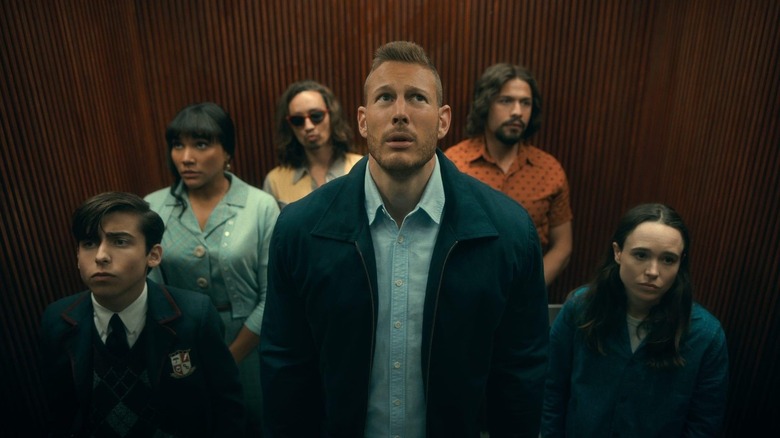
Launched in 2007 by My Chemical Romance frontman Gerard Way and artist Gabriel Bá, The Umbrella Academy was always destined for the screen. Centered on a dysfunctional family of adopted super-powered siblings raised by the emotionally detached Reginald Hargreeves, the series is a masterclass in tone.
The narrative, which kicks off with the death of the patriarch, forces a reunion that feels less like a team-up and more like an intervention. While the show is visually indebted to the eccentric, symmetrical aesthetics of Wes Anderson, its heart lies in the crushing weight of childhood trauma. By the time the final season arrived, the show had fully embraced its bizarre, reality-bending potential. Despite some late-stage pacing issues, The Umbrella Academy remains a vital entry for its refusal to treat its heroes as anything other than deeply broken, relatable humans.
9. Teenage Mutant Ninja Turtles (1987)
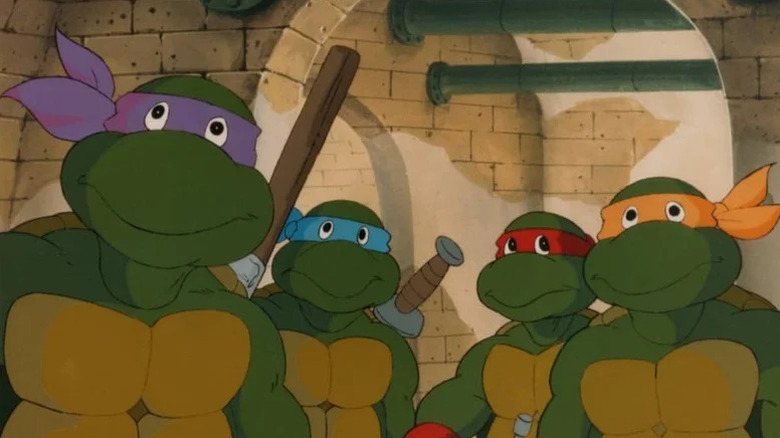
It is impossible to discuss the history of superhero television without acknowledging the cultural juggernaut that was the 1987 Teenage Mutant Ninja Turtles. Adapted from the gritty, black-and-white indie comic by Kevin Eastman and Peter Laird, the show transformed the Turtles from underground icons into global sensations.
The decision to pivot the source material into a family-friendly, pizza-loving comedy was a stroke of genius that sustained ten seasons of dominance. It created a blueprint for an entire era of "cool" cartoons, spawning countless imitators. While its animation style is a relic of the late 80s, the series holds a unique place in history: it was the first time a non-Big Two comic property successfully conquered the mainstream media landscape.
8. Raising Dion (Netflix)
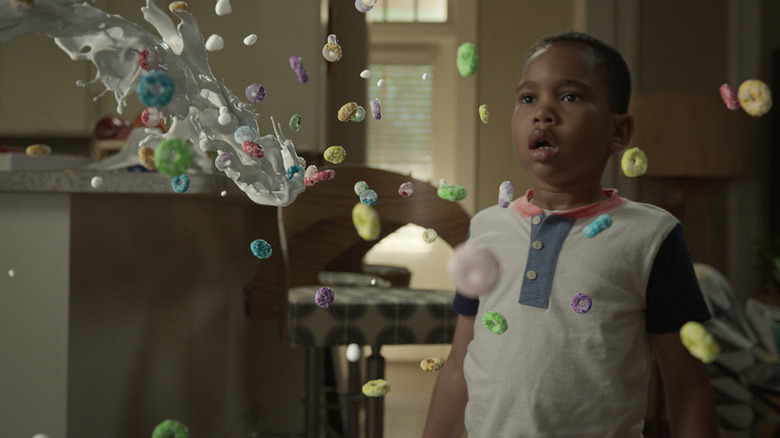
Raising Dion offers a refreshing, grounded alternative to the bombastic, city-leveling destruction found in most superhero media. The story focuses on Nicole Warren, a widowed single mother struggling to raise her son, Dion, after he begins manifesting inexplicable abilities.
What makes Raising Dion stand out is its commitment to the domestic struggle. It explores the fear of a parent protecting a child who is fundamentally "different" in a world that is inherently hostile toward that difference. By centering the story on the bond between mother and son rather than the mechanics of the powers themselves, the show achieves a rare level of emotional resonance that most superhero shows fail to reach.
7. One-Punch Man (Madhouse)
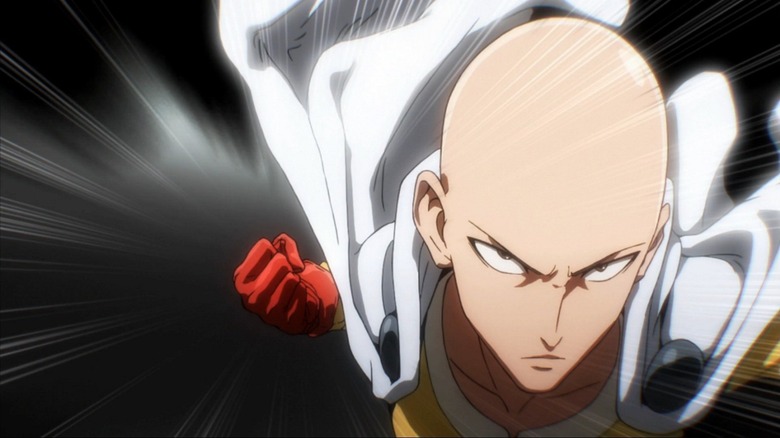
In the world of anime, the superhero genre is often treated with extreme sincerity, but One-Punch Man flips the script entirely. The series follows Saitama, a hero so powerful that he defeats every enemy—no matter how terrifying or interdimensional—with a single, anticlimactic punch.
The brilliance of the show lies in its existential comedy. Saitama isn’t fighting for honor or glory; he is fighting because he is bored and looking for a challenge he cannot find. It is a brilliant parody of the "power-scaling" obsession found in traditional shonen anime. While later seasons struggled to maintain the high-octane visual fidelity of the debut, the premise remains one of the most effective subversions of the superhero mythos ever put to screen.
6. The Powerpuff Girls (Cartoon Network)
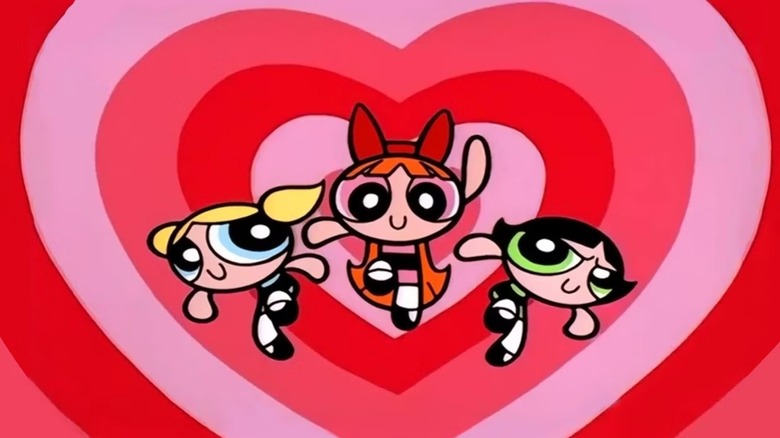
Debuting in 1998, The Powerpuff Girls is perhaps the most deceptive show on this list. On the surface, it is a bright, candy-colored tribute to the Silver Age of comics. Beneath that, it is a sharp, witty, and surprisingly punk-rock deconstruction of the genre.
The series successfully juggled the mundanity of childhood—bedtimes, school, sibling rivalry—with the absurdity of super-powered combat. By grounding the girls in relatable, everyday problems, the show allowed the action sequences to feel elevated and urgent. It remains a high-water mark for animation, proving that superhero shows could be intelligent, stylistically bold, and fun all at once.
5. Misfits (E4)
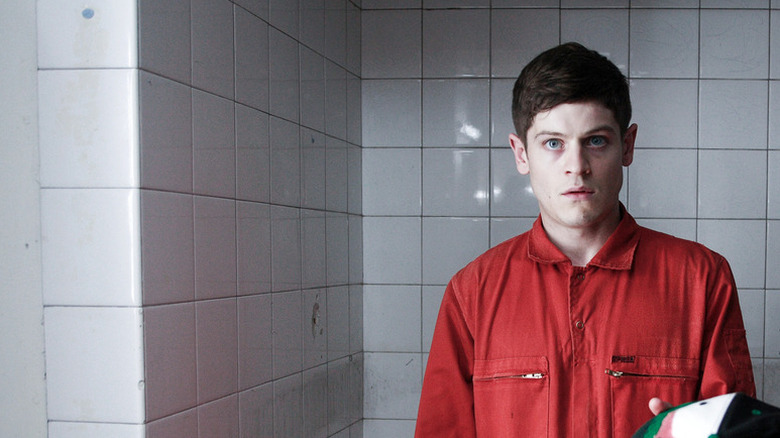
British television has always had a knack for cynicism, and Misfits is the ultimate expression of that ethos within the superhero framework. When a group of young offenders on community service are struck by a supernatural storm, they receive powers that are almost exclusively tied to their deepest insecurities and personality flaws.
Unlike the aspirational heroes of the Marvel or DC mold, the characters in Misfits are crude, selfish, and desperate. The show’s brilliance lies in its refusal to offer moral absolution. Mistakes have consequences—often lethal ones—and the characters are forced to navigate a world that doesn’t care about their "destiny." It is a dark, sharp, and unflinchingly brutal look at how people would actually react if they were suddenly given the power of gods.
4. Todd McFarlane’s Spawn (HBO)
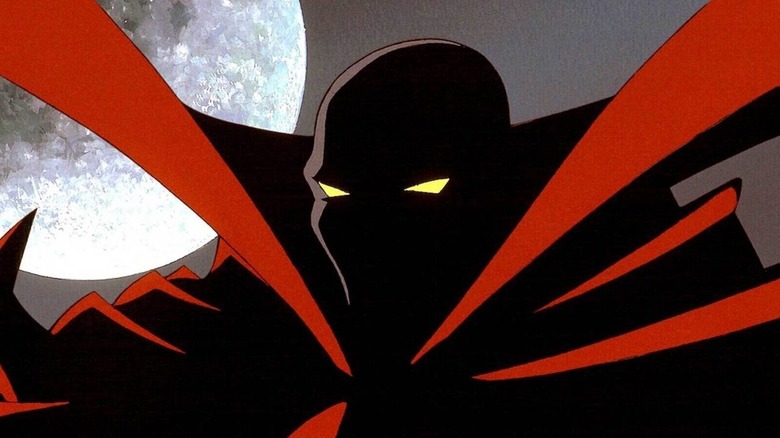
When Todd McFarlane’s Spawn premiered on HBO in 1997, it changed the landscape of mature animation. By leveraging the freedom of premium cable, the show was able to retain the grit, moral ambiguity, and visceral horror of the Image Comics source material.
Keith David’s performance as Al Simmons/Spawn is legendary, grounding the show in a sense of weary, hellish tragedy. With Todd McFarlane himself introducing the episodes, the series felt like a true extension of the creator’s vision. It remains the gold standard for how to adapt a darker, more adult comic book property without watering down the intensity for a younger demographic.
3. My Hero Academia (Bones)
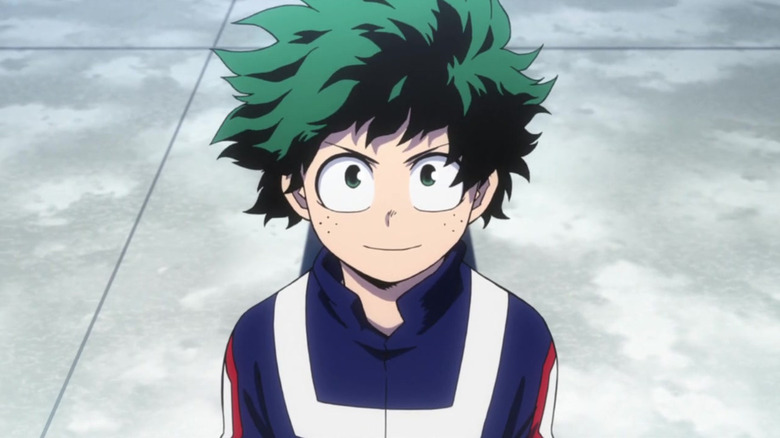
If One-Punch Man is the parody of the genre, My Hero Academia is the love letter. The series presents a world where superpowers (Quirks) are a societal norm, and superheroism is a professional career path.
The show excels as a coming-of-age drama, using the "hero school" setting to explore themes of legacy, social justice, and what it truly means to be a hero in a world where power is commodified. Its emotional stakes are incredibly high, and the development of the ensemble cast over eight seasons makes the world feel lived-in and real. It is a triumph of modern animation that honors the genre’s history while pushing it into new, complex territories.
2. The Boys (Prime Video)
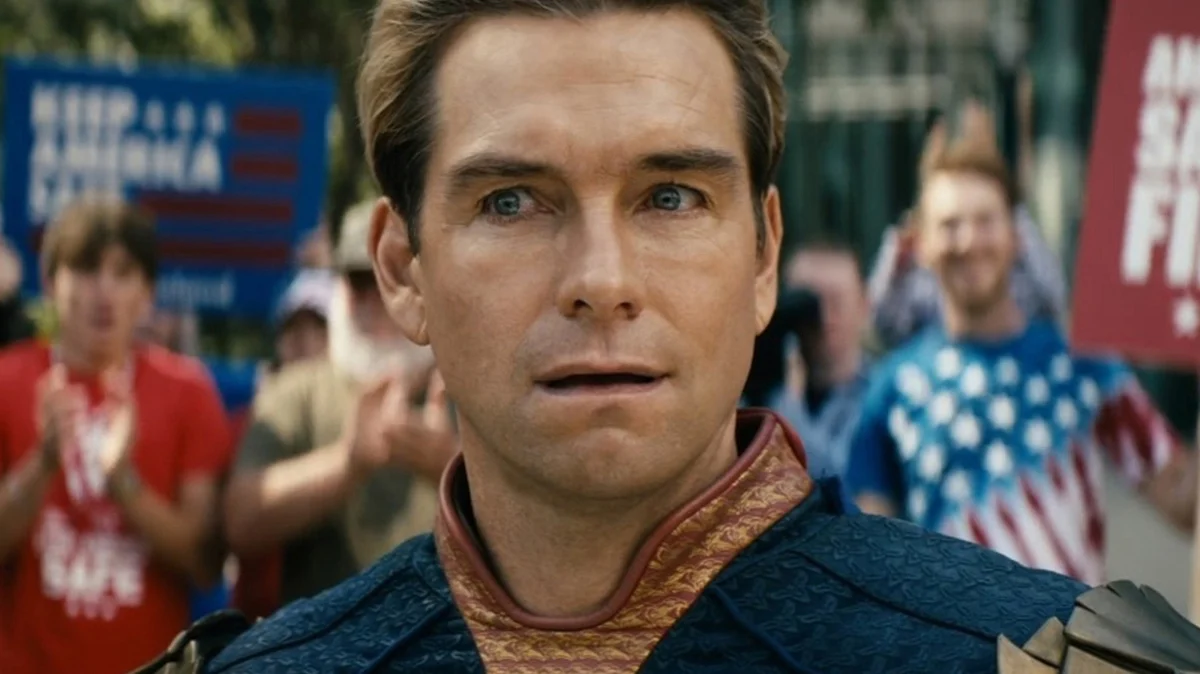
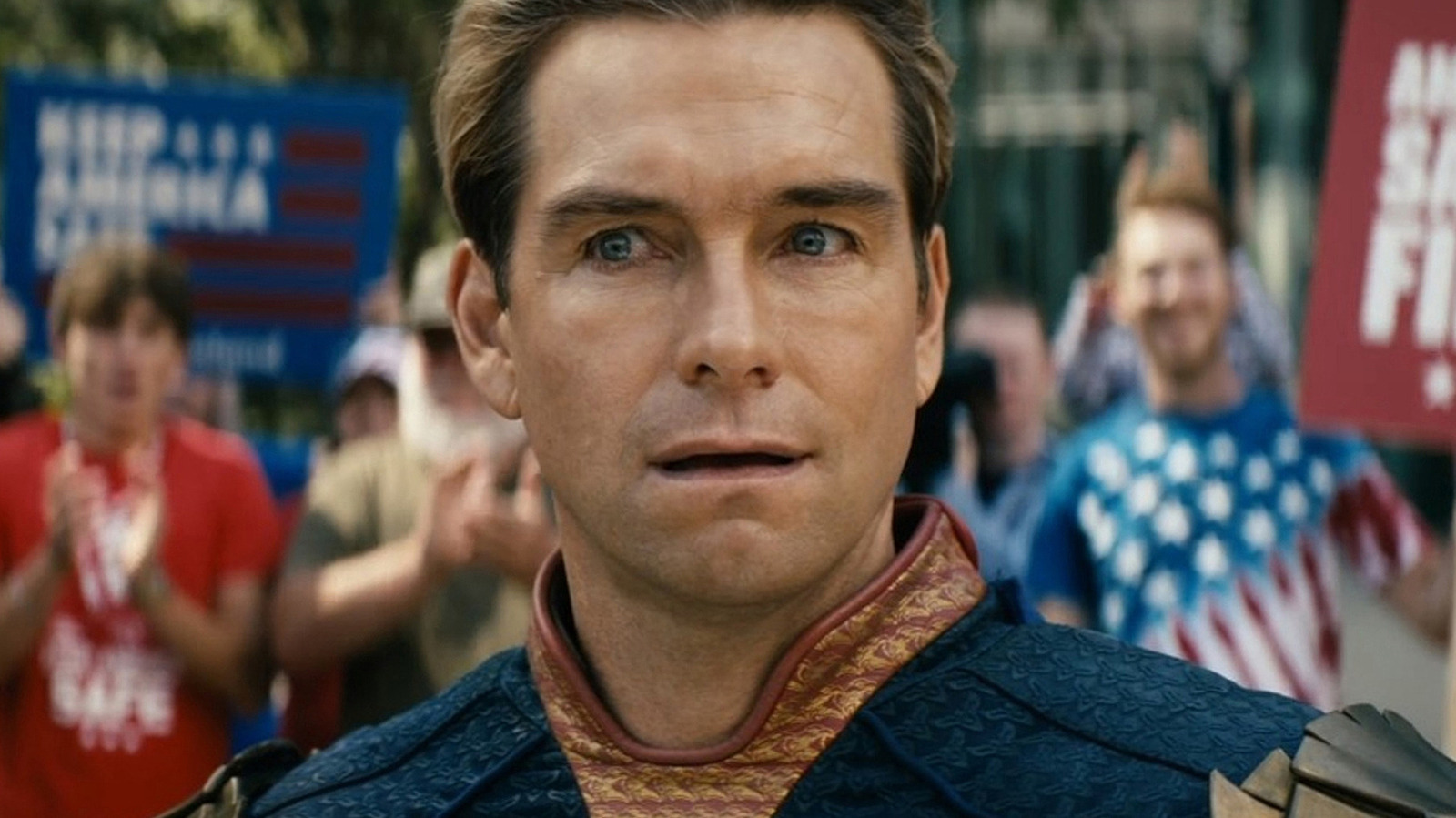
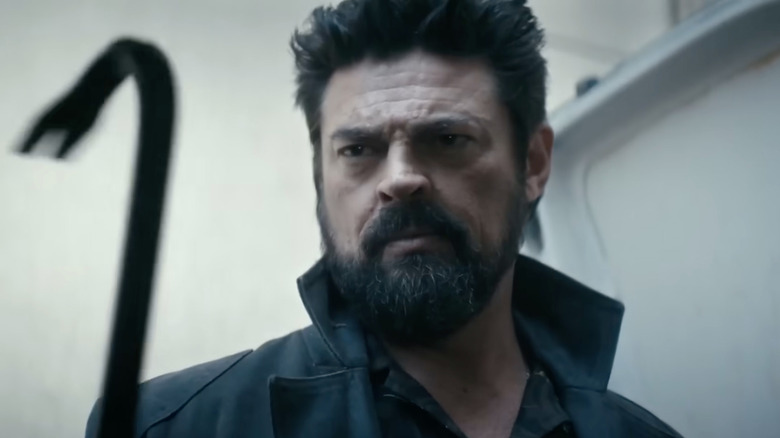
The Boys is arguably the most significant cultural event in the superhero genre in the last decade. By positing a world where superheroes are corporate-owned celebrities who behave like unchecked sociopaths, the show taps into the contemporary anxiety surrounding fame, capitalism, and political corruption.
The conflict between the nihilistic Billy Butcher and the terrifyingly "perfect" Homelander serves as the series’ anchor. The show is notorious for its extreme gore and crude humor, but its staying power comes from its laser-focused satire of modern media and celebrity culture. It is a mirror held up to our own society, asking uncomfortable questions about who we elevate and why we give them our blind worship.
1. Invincible (Prime Video)
Topping our list is Invincible, a masterclass in narrative adaptation. Based on the long-running comic by Robert Kirkman, Cory Walker, and Ryan Ottley, the series manages to be everything at once: a heartfelt coming-of-age story, a brutal deconstruction of the "Superman" trope, and a high-stakes cosmic epic.
What separates Invincible from the pack is its pacing and its refusal to be just one thing. It balances the intimate struggles of Mark Grayson trying to live up to his father’s legacy with the horrifying reality of what that legacy actually entails. With a star-studded voice cast and a narrative that isn’t afraid to make major, impactful changes to its source material, Invincible has secured its place as the definitive modern superhero story. It proves that you don’t need a decades-old publishing empire to tell a story that feels epic, vital, and entirely original.
Implications for the Future of the Genre
The success of these series suggests a clear trend: audiences are moving away from the "Big Two" fatigue. The future of the superhero genre on television lies in creator-driven projects that aren’t afraid to take risks. Whether it’s the satirical bite of The Boys or the emotional depth of Invincible, these shows have proven that the superhero genre is not a static set of rules, but a flexible medium capable of infinite reinvention. As production companies continue to look for the next "big thing," they would do well to look at these examples, which prove that the best way to save the superhero genre is to let it evolve beyond its own origins.
