
Megamerger Madness: Skydance Acquires Warner Bros. Discovery in an $80 Billion Mega-Deal as David Zaslav Exits the Stage
By Jamie Lang
Published: October 6, 2026
Main Facts: A Seismic Shift in Entertainment
In what is unquestionably one of the most consequential corporate transactions in media history, Skydance has officially finalized its blockbuster acquisition of Warner Bros. Discovery (WBD). This colossal union binds together some of the most historic and valuable libraries in the history of visual storytelling, uniting Warner Bros., Paramount, Cartoon Network, Adult Swim, Nickelodeon, and a sprawling empire of cinematic and televisual franchises under a single, unified corporate umbrella.
However, this unprecedented consolidation comes with staggering financial baggage. The newly expanded entity inherits a formidable corporate debt load exceeding $80 billion. The merger signals the end of an era for WBD under the leadership of CEO David Zaslav, whose controversial four-and-a-half-year tenure at the helm concluded with his official departure this week.
As Hollywood digests the seismic shockwaves of the Skydance-WBD union, the broader animation and entertainment landscapes continue to hum with high-profile craft breakthroughs, box office updates, and international expansions. From technical wizardry in modern CG features to milestone anniversary theatrical re-releases, the industry remains as dynamic and tumultuous as ever.
Chronology of a Takeover: How the Megamerger Unfolded
The path toward the Skydance and Warner Bros. Discovery merger was paved by months of intense speculation, fluctuating stock valuations, and whispered boardroom negotiations that steadily leaked to trade publications throughout late 2025 and mid-2026.
- Phase One: Whispers of Consolidation (Late 2025): As streaming profitability models shifted and legacy studios faced mounting pressures from Wall Street to cut costs and scale operations, rumors began circulating regarding Skydance’s aggressive growth strategies following its earlier corporate maneuvers.
- Phase Two: The Bidding War and Regulatory Scrutiny (Early 2026): Financial analysts noted increasing vulnerabilities at WBD, particularly regarding its heavy debt burdens and fluctuating linear television revenues. Skydance positioned itself as an aggressive suitor, navigating complex anti-trust considerations to structure a deal capable of bridging traditional studio legacies with modern digital distribution frameworks.
- Phase Three: The Closing Bell (October 2026): Final regulatory approvals cleared the way for the transaction to conclude. The ink dried in early October, instantly merging titans of kid’s entertainment, prestige cinema, and cable dominance into a single corporate behemoth.
- Phase Four: The Exit of David Zaslav: Coinciding with the finalization of the sale, David Zaslav officially stepped down from his post, concluding a tenure marked by aggressive cost-cutting measures, library optimization strategies, and dramatic shifts in content distribution.
Supporting Data and Financial Realities
To understand the true magnitude of the Skydance-WBD transaction, one must look closely at the numbers defining the current media landscape.
.png)
- The Debt Mountain: The combined corporation begins its journey saddled with over $80 billion in total debt. Servicing this obligation will dictate the studio’s strategic priorities, content output, and potential asset restructuring for years to come.
- A Content Monolith: The merger consolidates competitive networks and studios that once vied fiercely for youth and adult demographics. By housing Cartoon Network, Adult Swim, Nickelodeon, Warner Bros., and Paramount under one roof, Skydance commands an unprecedented share of global animation output and evergreen intellectual property.
- Box Office Pulse Check: While corporate boardrooms grapple with macro-economics, the theatrical market displays mixed signals. Recent releases like Forgotten Island experienced a lukewarm box office trajectory, pulling in decent yet unspectacular opening numbers devoid of the coveted "comeback legs" that propel films to runaway hit status. Conversely, timeless classics continue to prove their enduring value; notably, Studio Ghibli’s masterpiece Spirited Away has been slated to return to U.S. cinemas to celebrate its milestone 25th anniversary.
Official Responses and Industry Reactions
The leadership transition and corporate restructuring have prompted waves of reactions from industry executives, guild representatives, and creative talent alike.
While official press releases from Skydance emphasize a forward-looking vision focused on technological innovation, cross-platform synergy, and creative freedom, independent analysts remain cautiously skeptical. The inclusion of legacy brands like Nickelodeon and Cartoon Network within the same corporate portfolio raises pressing questions regarding brand identity, autonomous creative pipelines, and potential workforce redundancies.
David Zaslav’s departure was met with characteristically polarized industry responses. While corporate shareholders often praised his aggressive efforts to streamline balance sheets and prioritize free cash flow, creative communities and animation historians frequently criticized his tactics—particularly the controversial practice of shelving completed or near-completed projects for tax write-offs.
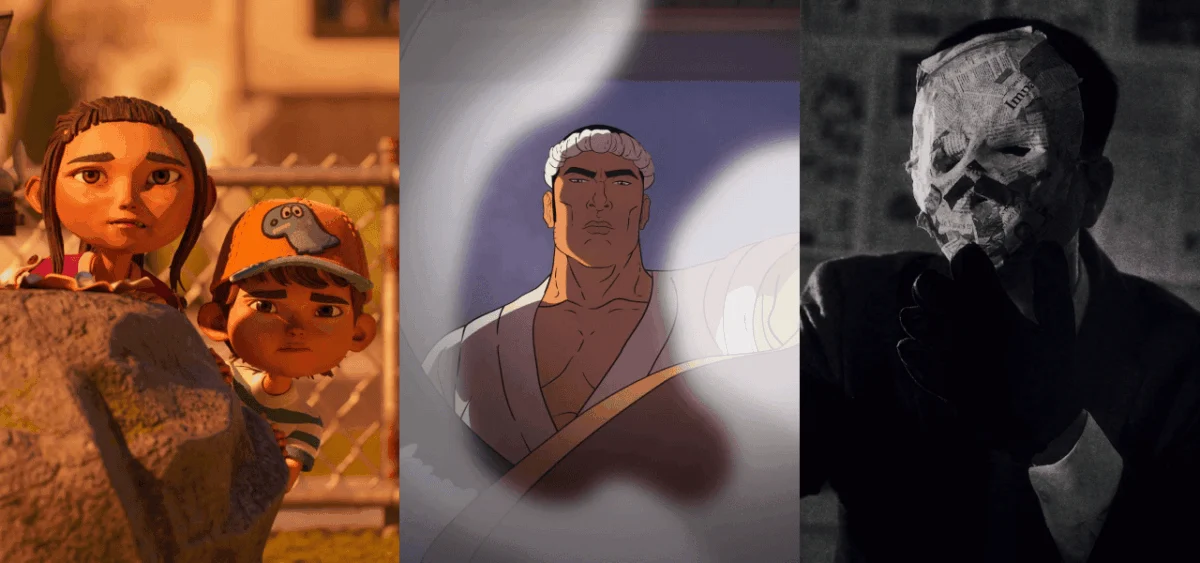
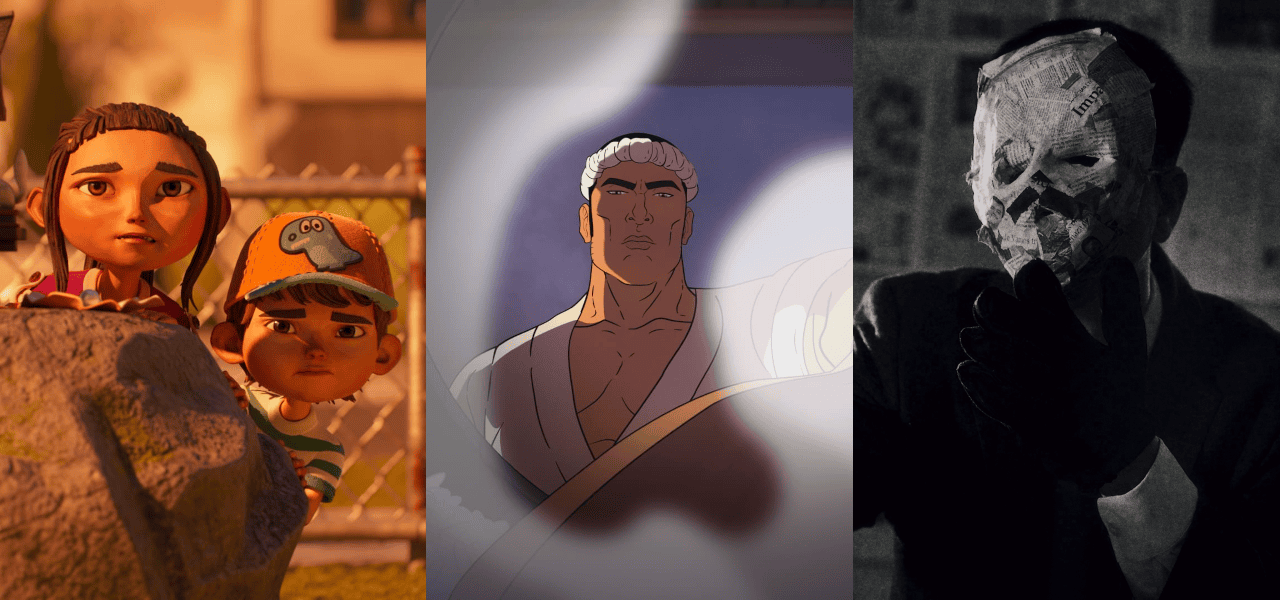
On the craft side, creators have been vocal about the evolving demands of modern production. Speaking on recent animation breakthroughs, the creative team behind Get Jiro! offered a detailed technical breakdown of how they executed a deeply complex, uninterrupted animated "oner" (one-shot sequence). Simultaneously, Flying Bark Productions shed light on how their team successfully reverse-engineered the raw, handmade imperfections of Tales from Outer Suburbia entirely within a CG pipeline, proving that digital tools can faithfully replicate tactile, organic art styles.
Implications for the Future of Animation and Entertainment
The completion of the Skydance-WBD megamerger carries profound, long-term implications for the future of entertainment, particularly within the animation sector.
1. Consolidation vs. Creative Diversity
With so many foundational animation brands—ranging from the edgy adult humor of Adult Swim to the foundational children’s programming of Cartoon Network and Nickelodeon—housed within a single corporate entity, the risk of homogenizing creative output grows. Industry watchdogs will be monitoring whether the new leadership fosters decentralized creative incubators or imposes centralized mandates to appease Wall Street lenders.

2. Navigating the $80 Billion Burden
Debt dictates strategy. With more than $80 billion weighing down the balance sheet, Skydance will be under immense pressure to optimize every square inch of its newly acquired intellectual property. This could manifest as an increased reliance on established franchise sequels, spin-offs, and cross-platform video game tie-ins, potentially leaving less room for risky, original animated features. Conversely, smart monetization of deep, legacy libraries through streaming and theatrical re-releases (such as the upcoming Spirited Away 25th-anniversary run) may offer stable revenue streams.
3. Technological Evolution and Independent Footprints
Even as corporate giants merge, the independent and service studio ecosystems continue to push boundaries. Technical feats—such as Flying Bark’s CG-driven replication of handmade aesthetics and ambitious short-form projects like the Chilean short The Gazelle Gazette and Jack Wedge and Will Freudenheim’s Oscar-contending short Acid City—demonstrate that innovation bubbles up from the craft level regardless of macro-corporate turbulence.
Furthermore, strategic expansions are reshaping the agency and production landscape; notably, the Psyop Group has forged a strategic partnership with Free Agents in a calculated move to expand its operational footprint across the United States.

Conclusion
The dawn of the post-Zaslav, Skydance-led era at Warner Bros. Discovery marks the end of an old Hollywood playbook and the violent birth of a new, consolidated reality. As the ink dries on an $80 billion debt-laden ledger, the true test will not merely be financial survival, but whether the cultural treasures housed within these historic studios can survive the corporate meat grinder intact.
For continuous updates on how these corporate shifts impact the animation community, technical breakdowns, and festival circuits, stay tuned to industry roundups and visit cartoonbrew.com.
