
The Genesis of Terror: Explaining the Finale of Peacock’s Crystal Lake
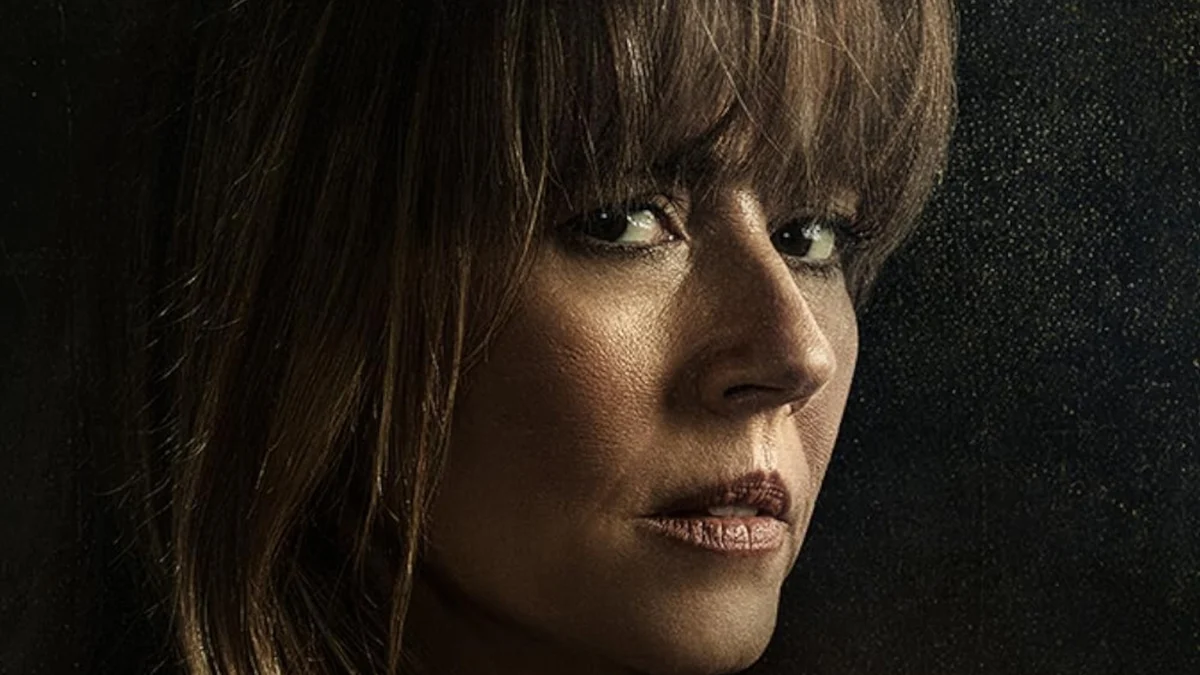
The Friday the 13th franchise has long occupied a unique space in the horror pantheon—a slasher series defined not by a singular, rigid timeline, but by the shifting, nightmarish quality of its own urban legends. With the release of Crystal Lake on Peacock, showrunner Brad Caleb Kane has attempted the impossible: providing an origin story for the Voorhees legacy that satisfies modern narrative demands while preserving the series’ inherent, campfire-story ambiguity.
For fans of the original 1980 classic, the series serves as both a revisionist history and a psychological deep dive into the mind of Pamela Voorhees. As the final episode, ironically titled "The Final Chapter," fades to black, it leaves audiences questioning the boundary between trauma, science, and the supernatural.
The Architecture of the Legend: Main Facts
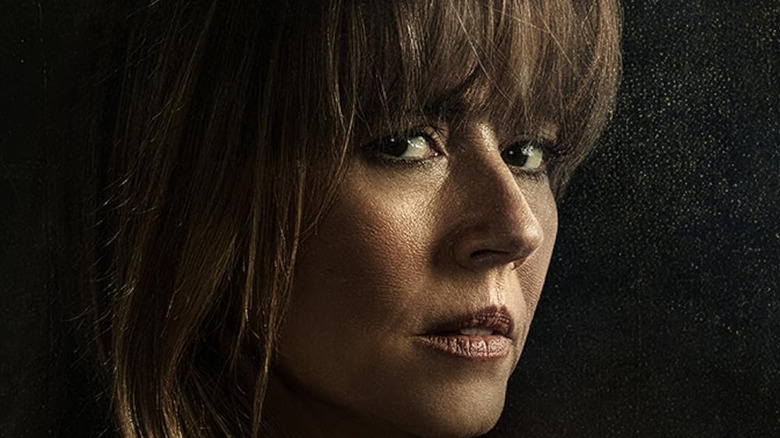
When Crystal Lake was first announced, expectations were high for a standard prequel. However, the series quickly pivoted to focus on the fractured psychology of Pamela Voorhees (Linda Cardellini). In the original films, Pamela was the "grieving mother" whose madness was triggered by the drowning of her son, Jason. Crystal Lake expands this, framing her transformation not merely as a descent into grief, but as a reaction to a systemic, gaslighting environment.
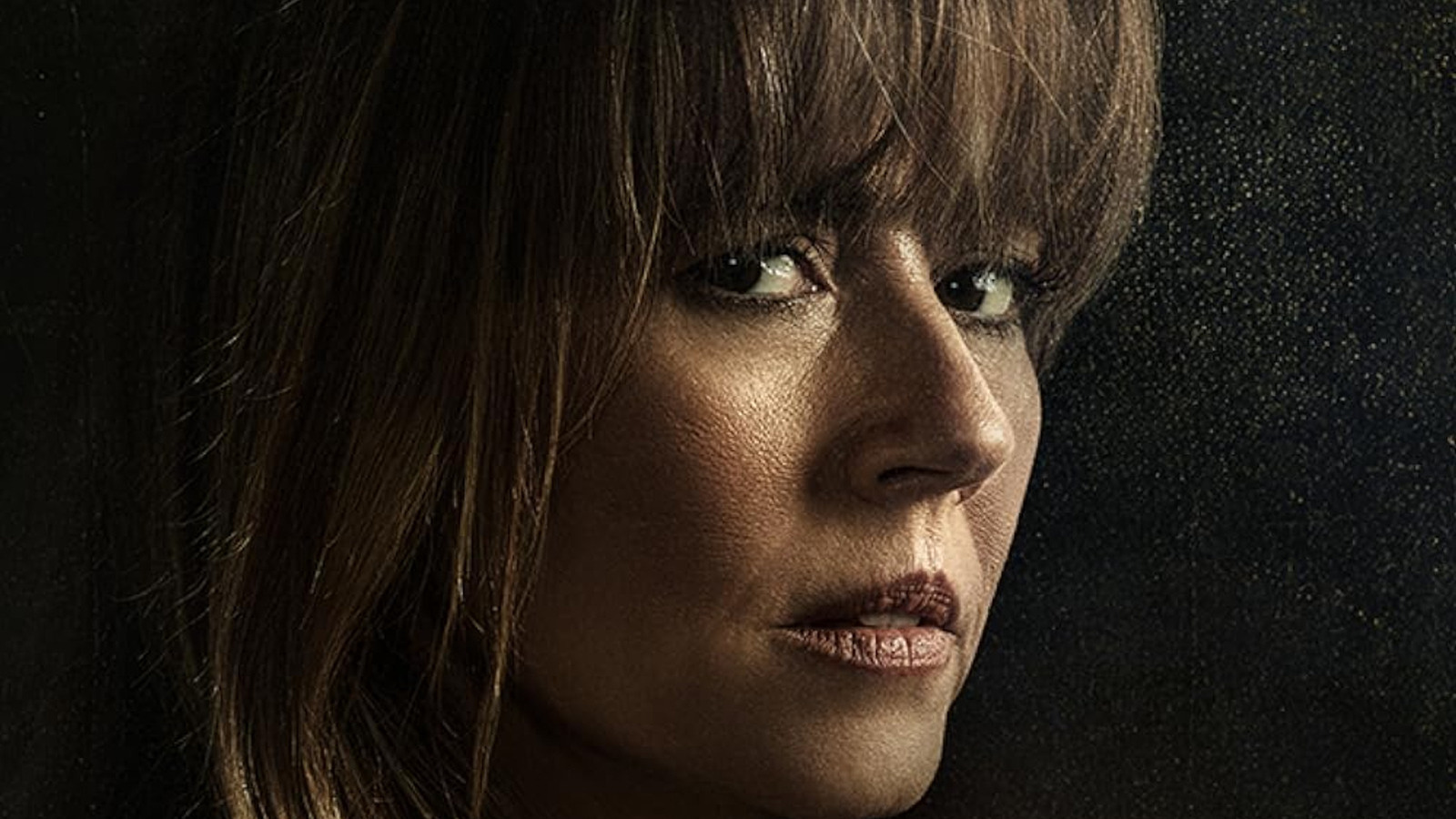
The series posits that the horror at the lake is not a freak accident, but a convergence of parental negligence, corporate experimentation, and a localized curse. By the time the final credits roll, it is clear that Kane’s vision was never to provide a clinical autopsy of the franchise, but to lean into the "campfire tale" aesthetic—the idea that the truth of the Voorhees legend is intentionally obscured by the very people who tell it.
A Chronology of Descent
To understand the finale, one must look at the structural trajectory of the season.
The Manipulation of the Voorhees Family
The penultimate episode, "Friday…," serves as the narrative pivot point. It reveals the role of Elias Wittering, Pamela’s husband and Jason’s father. Through a series of surreal, dreamlike sequences—framed by Pamela’s own potentially unreliable testimony to Sheriff Brooks—the audience learns that Elias was not merely a father, but a tool for Bellflower Chemical. His objective was to manipulate the biological development of his son, aiming to create a human subject resistant to nuclear fallout. This revelation shifts the show’s genre from a standard slasher to a paranoid, 1970s-era psychological thriller, echoing the themes of The Stepford Wives and Rosemary’s Baby.
The Reckoning at the Shack
The season finale culminates in a confrontation at the dilapidated shack where young Jason spent his final days before his presumed death. Elias, leading a contingent from Bellflower Chemical, attempts to forcibly reclaim the "experiment." It is here that Jason emerges, fully grown and wearing a crude bag-mask, having spent the year as a feral entity in the woods.
The ensuing chaos is a blur of violence and tragedy. Pamela, rather than acting as a passive victim, directs the lethal blow against her husband, encouraging Jason to eliminate the threat. The moment is marked by a jarring visual: Pamela sees her son as the small boy he once was, despite the physical reality of his hulking, mutated frame. The sequence ends when Ralph—a character long associated with the warnings of the franchise—intervenes with gunfire, causing Jason to vanish into the periphery of the woods.
Supporting Data: The Nature of the "Monster"
One of the most compelling aspects of the finale is the exploration of Pamela’s culpability. The series forces the viewer to consider if Jason’s transformation into a serial killer was an inevitability or a byproduct of his mother’s own deteriorating mental state.
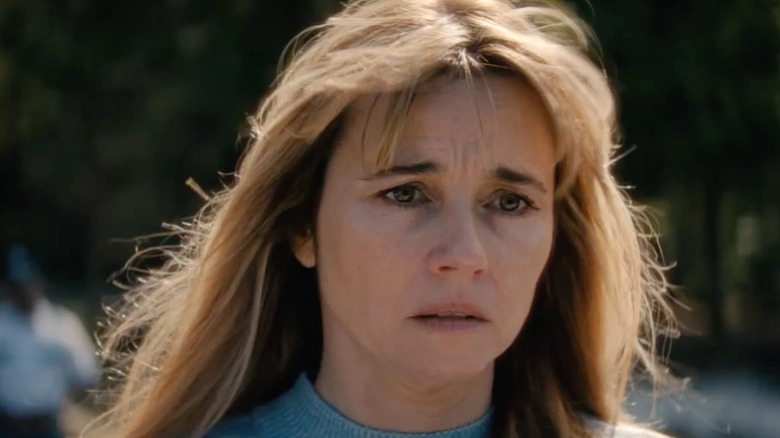
Elias’s accusations—that Pamela was negligent, that she allowed Jason to drift into danger—are presented with enough weight to make them feel plausible, yet they are delivered by a man who is clearly an antagonist. This creates a "he-said, she-said" dynamic that permeates the entire season. Was Jason always a victim of science, or did the neglect of his parents foster a darkness that was waiting for the right catalyst to manifest? By the end, the show suggests that the answer is "both." The "monster" is a synthesis of chemical interference and profound emotional abandonment.
Official Creative Stance: The "Final Chapter" Paradox
In a nod to the franchise’s history, Brad Caleb Kane titled the final episode "The Final Chapter," a direct reference to the 1984 film Friday the 13th: The Final Chapter, which famously failed to end the series. This meta-commentary is essential to understanding the show’s intent.
By choosing this title, the production team acknowledges that the Voorhees story is a perpetual motion machine of horror. The ending is not meant to be a definitive conclusion, but an invitation for the legend to continue. The creative team has stated in various interviews that the goal was to capture the feeling of the original films—the sense that you are hearing a ghost story told by a peer—rather than establishing a rigid, canonical timeline that could be debunked by future installments.

Implications: The Legacy of the Woods
The final scene of the series is perhaps the most significant in terms of its thematic weight. A group of teenagers sits around a campfire, listening to Steve Christy recount the events of the last year. The story has already morphed into folklore: Jason is no longer described as a boy, but as something non-human, a force of nature that "only exists to kill."
The implication is profound: the truth of what happened at Crystal Lake no longer matters. The legend has superseded the facts. As the camera cuts to black following a mysterious sound in the woods, the show makes a definitive statement on the power of myth.
Why This Matters for the Genre
- Reclaiming the Slasher: By rooting the horror in the trauma of the parent, the series elevates the slasher genre, which has often been criticized for being "hollow" or "mindless."
- Narrative Ambiguity: The show succeeds by refusing to give the audience a "clean" answer. In an era of interconnected cinematic universes that explain every origin and motivation, Crystal Lake chooses to keep the mask firmly in place.
- The Persistence of Evil: By framing the ending as a campfire story, the series suggests that as long as there is a place like Crystal Lake, there will be a need for a monster to inhabit it. The Voorhees family serves as a vessel for society’s repressed fears, a concept that will remain relevant regardless of how many times the "final chapter" is written.
Ultimately, Crystal Lake is a masterclass in atmospheric horror. It honors the source material by acknowledging its inconsistencies, weaving them into the narrative rather than trying to iron them out. As the screen fades to black, the viewer is left not with a neat, tied-up conclusion, but with the chilling realization that the legend of the Voorhees family is just beginning—and that, perhaps, it was never meant to end at all.
