
The Piano Man’s Crossroads: Billy Joel Faces Health Hurdles and Retires His Legendary Collection
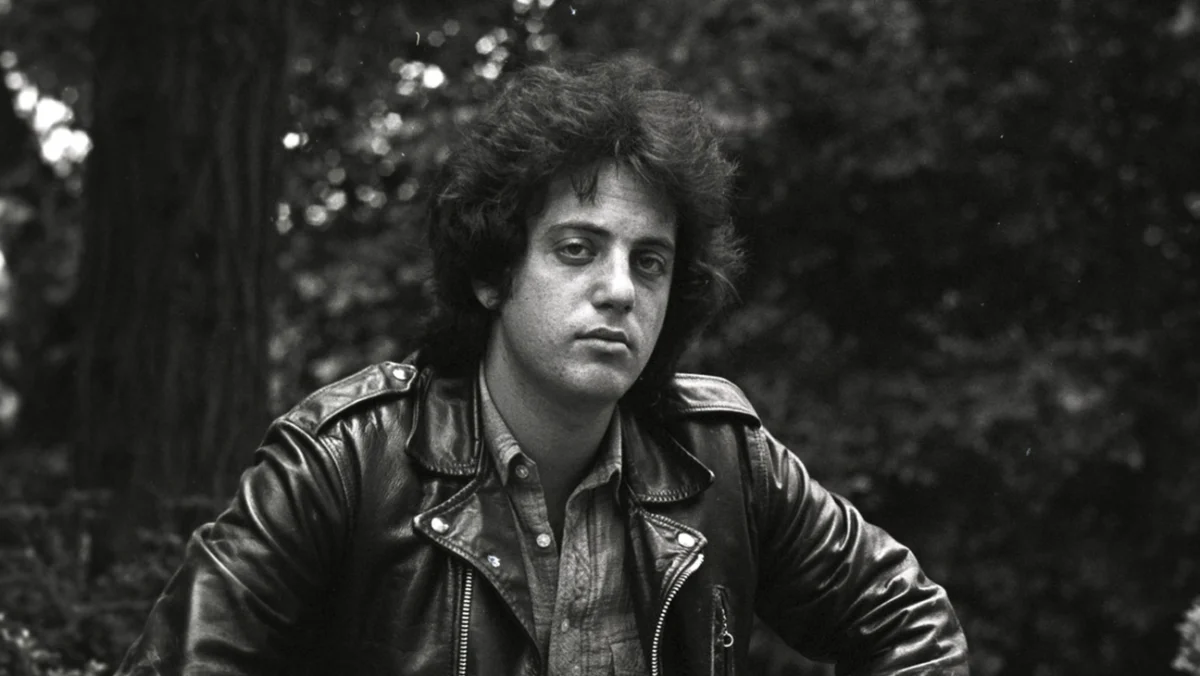
For over five decades, Billy Joel has been a defining force in American music, a relentless touring machine, and a fixture at Madison Square Garden. However, the "Piano Man" is currently navigating a period of profound transition. Facing a diagnosis of hydrocephalus—a condition impacting his equilibrium—the Rock and Roll Hall of Famer has been forced to hit the brakes on both his life on the road and his passion for the open highway.
As he prepares to auction off his sprawling, decades-long collection of over 70 motorcycles, Joel is confronting the reality of his health and the uncertain future of his storied performing career.
The Road Taken: A Life on Two Wheels
For Billy Joel, motorcycles were never mere status symbols or static trophies to be polished in a garage. They were an escape. While the public knew him for his sold-out residencies and platinum records, Joel found his true anonymity beneath a helmet, goggles, and the roar of an engine.
"I was not a collector," Joel recently remarked in an interview. "I was actually a rider."
His collection, which features a diverse array of Japanese, Italian, English, and American machines, reflects a genuine enthusiast’s palate. From the custom 1978 Triumph Bonneville T140—gifted to him by Madison Square Garden to commemorate his 150th sold-out performance—to his personal "crown jewel," a Moto Guzzi California Vintage 1100, the inventory represents a lifetime of freedom.
This November, Gooding & Company will host an auction at Rétromobile New York, offering these bikes without reserve. For Joel, the decision to sell is rooted in a pragmatic acknowledgment of aging and safety. With his diagnosis of hydrocephalus—a neurological condition involving the accumulation of cerebrospinal fluid in the brain—his balance has become a significant concern. "I’m into my 70s now," Joel says. "I don’t want to die like a bug on a windshield."
Chronology of a Passion: From Long Island Streets to the Auction Block
To understand the weight of this decision, one must look at the timeline of Joel’s relationship with motorcycling, which has been as tumultuous and vibrant as his musical career.
- The Early Years: Joel’s love for riding predates his massive commercial success. It was a private refuge that provided a necessary contrast to the high-pressure environment of the music industry.
- 1982: The Near-Fatal Incident: In a harrowing moment on Long Island, Joel was involved in a serious collision when a driver ran a red light, striking his motorcycle. The accident resulted in severe injuries, including a broken leg, a shattered wrist, and the loss of a bone in his left thumb. Despite the trauma, his love for the sport remained unshaken.
- The "Uptown Girl" Era: While pop culture often associates him with the motorcycle featured in his iconic 1983 music video, Joel is quick to clarify that the bike was not his own, maintaining his preference for engineering over image.
- The Collection Years: Over the subsequent decades, Joel amassed a collection exceeding 100 motorcycles. He used the solitude of the road as a creative catalyst, noting that the act of riding often helped him process lyrics and melodies.
- Present Day: Facing the limitations of hydrocephalus and medical warnings regarding the physiological toll of live performance, Joel has begun the process of downsizing, intending to donate proceeds from the upcoming auction to the Joel Foundation.
Medical Realities: The Cost of the Spotlight
Perhaps the most startling revelation in recent weeks is the medical advice Joel has received regarding his ability to continue touring. For an artist who has made his name on the stage, the prognosis is sobering.
The Neurological Perspective
Joel’s neurologist has drawn a direct parallel between the intensity of a live concert and a traumatic brain injury. "Every time you do a show, it’s like you’re getting a concussion," Joel explains. The combination of high-decibel sound, complex stage lighting, the physical stress of performance, and the sheer energy required to sustain a multi-hour set has been flagged as a significant health risk.
Hydrocephalus, often referred to as "water on the brain," has introduced a persistent challenge to his equilibrium, memory, and sensory perception. While he describes the condition as manageable in daily life, it has stripped him of the ability to drive and, for the moment, the ability to perform.
The Auditory Toll
Decades of stadium-level amplification have also taken their toll. Joel admits that his hearing has suffered, a common casualty for veteran rockers. The confluence of these factors—balance issues, cognitive load, and sensory overload—has resulted in a mandatory pause in his professional life.
Supporting Data: The Auction and the Philanthropy
The upcoming auction at the Javits Center (November 20-21) is not merely a divestment of assets; it is a strategic move to ensure his collection finds new life with other enthusiasts.
- Lot Highlights: The sale includes an eclectic mix of global engineering. While Joel expresses a fondness for the Moto Guzzi California Vintage 1100, the entire fleet is being sold to support the Joel Foundation, which provides support for music education and humanitarian efforts.
- Anonymity as an Asset: Joel emphasizes that the anonymity provided by a motorcycle helmet was his favorite aspect of the hobby. Being "just another schmuck on a motorcycle" allowed him to decompress in a way that fame otherwise made impossible.
- Safety vs. Risk: His history of litigation—including a notable incident where the driver who struck him actually attempted to sue him—serves as a cautionary tale of the dangers inherent in motorcycling, reinforcing his current decision to step away from the handlebars for good.
Official Responses and Future Implications
While there is no definitive timeline for a return to the stage, Joel remains hopeful. He is currently undergoing a series of tests to determine the extent to which his condition might allow for a return to live performance.
"I would like to be able to do [perform]," Joel states. However, he acknowledges the severity of the medical counsel he has received. The implications of this hiatus are massive for the music industry. As one of the highest-grossing touring acts in history, Joel’s absence leaves a void that few can fill.
Yet, there is a grace to his current stance. By choosing to auction his bikes, he is taking control of a narrative that usually forces aging icons into sudden, unplanned retreats. He is choosing a path of stewardship—passing his machines to new riders and focusing his remaining energy on his recovery.
The Legacy of the "Piano Man"
Billy Joel’s career has always been defined by his ability to bridge the gap between the deeply personal and the universally resonant. Whether writing about the blue-collar struggles of "Allentown" or the reckless freedom of "You May Be Right," he has always channeled his own experiences into art.
As he navigates this quiet, testing phase, his focus has shifted from the roar of the crowd and the wind on the highway to the internal work of healing. If he never returns to the stage, his legacy is secure. But for the man who spent his life in motion—at the piano, in the studio, and on the road—the current silence is a profound change of pace.
The upcoming auction will undoubtedly draw collectors from around the world, but for Joel, it is a closing chapter. It is the final act of a rider who, despite his fame, simply wanted to feel the road beneath him, unburdened by the expectations of the world. For now, the keys of his piano remain at rest, and the motorcycles are set to move on to new owners, marking a poignant, final lap for one of music’s most enduring figures.
