
The Big Apple’s Newest Defenders: An In-Depth Look at ‘NCIS: New York’
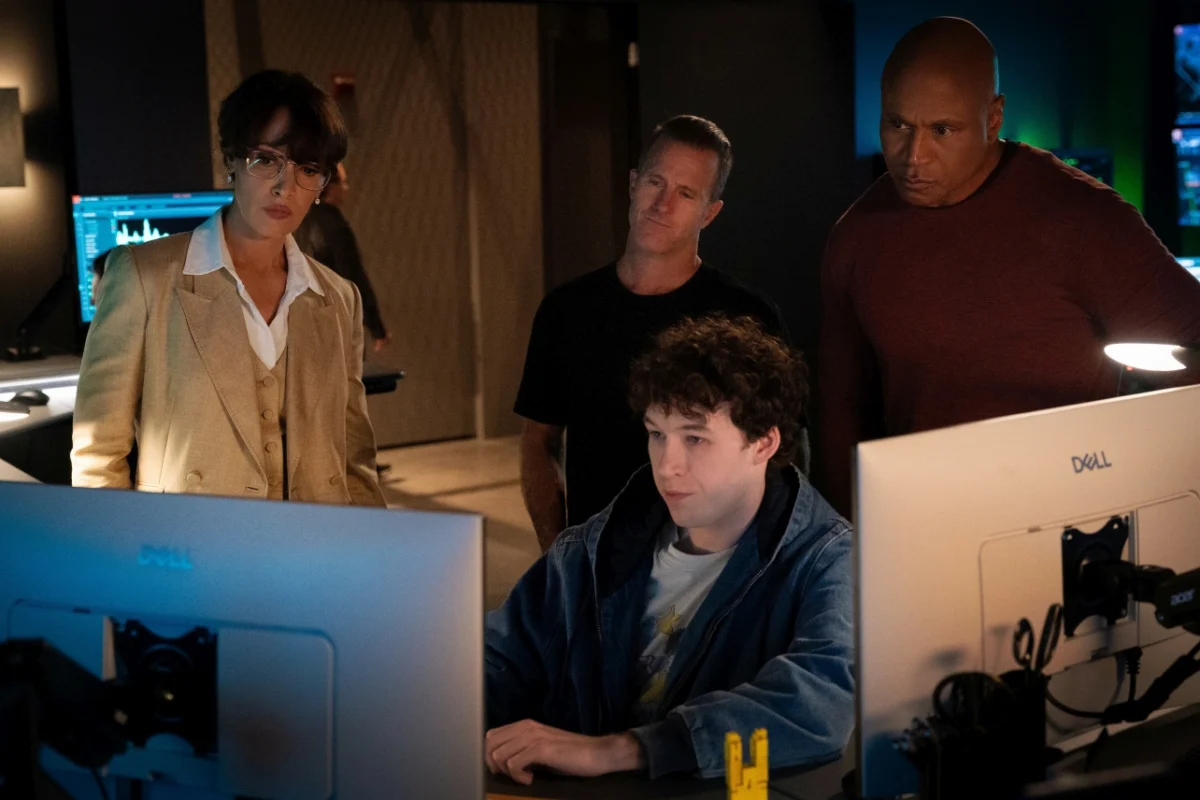
The NCIS universe, a television juggernaut that has dominated the procedural landscape for over two decades, has officially expanded its footprint to the East Coast. With the premiere of NCIS: New York, the franchise brings its signature blend of high-stakes federal investigations, technological sleuthing, and witty banter to the streets of the nation’s largest city. Anchored by the return of LL Cool J as the stoic, battle-hardened Special Agent Sam Hanna, the series marks a significant evolution for a franchise that has successfully navigated multiple iterations across Los Angeles, New Orleans, and Hawaii.
The Core Narrative: A Hometown Return
At the heart of the series is the character of Sam Hanna, who has become an anchor for the NCIS brand. After a monumental 14-season tenure on NCIS: Los Angeles and a recurring role that bridged the gap to NCIS: Hawai’i, Hanna finds himself returning to his roots. For the audience, this provides a seamless transition; Hanna is a known quantity, a character whose moral compass and tactical expertise are well-established.
The pilot episode wastes no time establishing the stakes. We find Hanna operating in the shadows of Dubai, engaged in a high-stakes solo operation. The narrative tension spikes when his phone rings—a desperate, frantic message from the adult son of an old friend. By the time Hanna manages to return the call, the tragedy has already occurred: the man is dead. Because the victim was a Navy reservist, the case falls under the jurisdiction of the NCIS New York bureau, overseen by Assistant Special Agent in Charge (ASAC) Robyn Wells, played by the formidable Jennifer Beals.
Chronology of the Investigation
The progression of the pilot follows the tried-and-true NCIS investigative structure, yet it feels energized by the urban backdrop of New York City.
- The Call to Action: Hanna, still operating as a solo agent, intervenes in the investigation. Despite ASAC Wells’ initial hesitation—citing that Hanna is too emotionally compromised due to his personal history with the victim’s father—he successfully argues for his inclusion.
- The Formation of the Team: Hanna is introduced to a new ensemble cast: Agents Nick Schaeffer (Scott Caan), Addy Ross (Jacqueline Byers), and Wyatt Hill (Shane Harper), supported by the technical prowess of computer specialist Sean Sullivan (Devin Druid).
- The Friction of Procedure: The investigation reveals discrepancies that suggest the death was not the suicide local authorities initially claimed. As Hanna and his new partner, Nick Schaeffer, dig deeper, a clash of styles emerges. Schaeffer, a quintessential New York grit-and-grind detective, suspects the victim was involved in illicit activity, while Hanna’s loyalty to his friend’s legacy drives him to look for deeper, systemic conspiracies.
- The Resolution: As the duo peels back the layers of a tugboat-related smuggling operation, the evidence begins to align with Hanna’s theory. The pilot concludes with a pivotal decision: Hanna, initially a drifter within the agency, agrees to embed himself within the New York bureau, setting the stage for the series’ long-term narrative arc.
Supporting Data: The Franchise Blueprint
NCIS: New York arrives with the weight of a 25-year legacy. Created by R. Scott Gemmill—a veteran of the franchise who possesses an encyclopedic understanding of the NCIS formula—the show is meticulously designed to satisfy the cravings of long-time viewers.
The production values lean heavily into the “NCIS aesthetic”:
- Technological Pacing: Frequent cuts to scrolling text on high-definition monitors and the seamless integration of digital forensic analysis.
- Tactical Realism: A high volume of hand-to-hand combat sequences, tactical raids, and high-speed pursuits, all framed against the distinct architectural character of the five boroughs.
- The "Smart-Ass" Factor: The dialogue maintains a sharp, rapid-fire quality, designed to relieve tension between moments of life-or-death decision-making.
The visual identity of the show is bolstered by on-screen graphics identifying New York locations, providing a sense of place that distinguishes the series from the sun-drenched beaches of Hawaii or the sprawling highways of Los Angeles.
Official Responses and Creative Direction
While the show adheres to a proven formula, the casting of Scott Caan as Nick Schaeffer brings a fresh, improvisational energy to the production. Caan, who spent a decade refining the "tough-guy with a heart of gold" archetype on Hawaii Five-O, creates an immediate, palpable chemistry with LL Cool J.
Showrunner Byron Belasco, a newcomer to the NCIS franchise, has opted for a "don’t fix what isn’t broken" approach. In interviews and press materials, the creative team has emphasized that the goal is to maintain the soul of the franchise while allowing the New York setting to influence the rhythm of the storytelling. The inclusion of Jennifer Beals as ASAC Wells provides a necessary authoritative anchor, though critics have noted that her character—currently confined to command-and-control roles—has significant potential for further development in upcoming episodes.
The Implications of a New Spinoff
The launch of NCIS: New York carries several implications for the future of the CBS procedural juggernaut.
1. The Stability of the "Hanna" Brand
By centering the show on Sam Hanna, the network is banking on the "familiarity factor." In a fragmented television market, NCIS remains one of the few brands that can command a massive, multi-generational audience. By anchoring the show with a legacy character, the producers minimize the risk associated with introducing an entirely new team to an existing fanbase.
2. Geographic Expansion and Local Flavor
The choice of New York is strategic. Unlike the specialized, tactical focus of the Los Angeles office, a New York-based bureau offers a different flavor of naval crime—ranging from maritime logistics at the bustling shipping ports to cybersecurity threats originating from the financial district. This allows for a wider variety of case types, ensuring that the show can avoid the repetitiveness that often plagues long-running procedurals.
3. The Future of the Ensemble
The success of the series will ultimately rest on whether the supporting cast can carve out their own niches. While Hanna and Schaeffer are the engines of the pilot, the depth of the ensemble—specifically the tech-heavy roles occupied by Druid and the tactical presence of Byers and Harper—will be the deciding factor in whether the show can evolve into a multi-season powerhouse.
Critical Assessment: Why It Works
From a journalistic perspective, the series succeeds because it understands its audience. NCIS: New York does not attempt to reinvent the wheel. It does not engage in dark, brooding subversion, nor does it attempt to push the boundaries of prestige television. Instead, it offers exactly what viewers expect: a reliable, high-quality procedural that functions as comfort viewing.
The chemistry between LL Cool J and Scott Caan is the show’s "secret sauce." Their interplay—a mix of generational wisdom and cynical street-smart humor—elevates the pilot above the status of a generic spin-off. While the plot of the pilot is arguably the weakest element of the premiere, this is a minor critique; procedurals are defined by their weekly case-of-the-week rhythm, and as the show moves past the exposition-heavy introductory phase, there is ample room for the writing to sharpen.
Conclusion: A Worthy Addition
For the casual viewer and the die-hard franchise fan alike, NCIS: New York is a "stream it" recommendation. It is a show that knows its lane and stays in it with remarkable consistency. With the star power of LL Cool J, the seasoned charisma of Scott Caan, and the backing of a production team that knows exactly how to build a hit, NCIS: New York is poised to become the next pillar of the NCIS franchise.
As Sam Hanna settles into his new office in the heart of the city that never sleeps, the audience is left with a sense of stability. The NCIS universe has found its new home, and if the pilot is any indication, it intends to be a permanent resident. Whether the show can sustain this momentum remains to be seen, but for now, the New York bureau is open for business, and the case files are already piling up.
