
Reimagining the Legend: How ‘Crystal Lake’ Boldly Rewrites the Friday the 13th Mythos
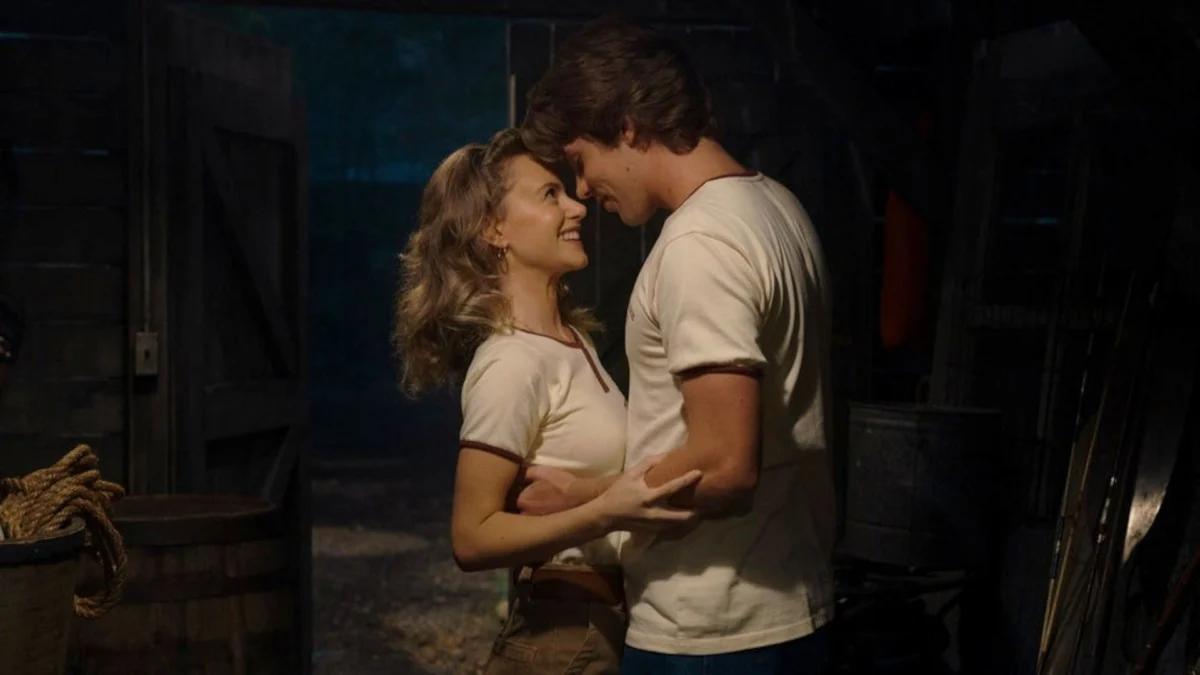
For over four decades, the Friday the 13th franchise has stood as a monolithic pillar of the slasher genre. From its humble, low-budget beginnings in 1980 to its transformation into a multi-film cultural juggernaut, the story of Jason Voorhees and his vengeful mother, Pamela, has been etched into the annals of horror history. However, every myth requires periodic reinvention to remain relevant. With the release of the highly anticipated Peacock prequel series, Crystal Lake, audiences are finally receiving a deeper, darker, and more complex origin story—one that doesn’t just expand the lore but fundamentally reshapes the foundation of the franchise.
Showrunner Brad Caleb Kane has taken the bold step of deconstructing the "campfire tale" nature of the original films. By shifting the timeline and introducing new conspiratorial layers, Crystal Lake challenges what fans thought they knew about the camp counselors who started it all, the nature of Jason’s survival, and the true catalyst behind Pamela Voorhees’ descent into madness.
The Foundation of Fear: Retconning the 1980 Classic
In the original 1980 film, the audience is introduced to the horrors of Camp Crystal Lake through a visceral, iconic opening sequence set in 1958. We witness two camp counselors, Claudette and Barry, sneaking away from the rest of the group to engage in a tryst. Their negligence is punished almost immediately by an unseen assailant, setting the "sex equals death" trope that would define the slasher subgenre for the next decade.
For 46 years, this moment was accepted as the definitive start of the Voorhees vendetta. Crystal Lake honors the gravity of this scene but peels back the layers to reveal a much more complicated reality. By shifting the timeline—moving Jason’s tragic drowning from the 1950s to 1971—the series creates a new "Year Zero" for the franchise. This isn’t just a chronological adjustment; it is a narrative pivot that transforms the massacre from a singular act of grief-stricken rage into a systemic tragedy rooted in institutional corruption.
Chronology of a Nightmare: The Project Argonaut Connection
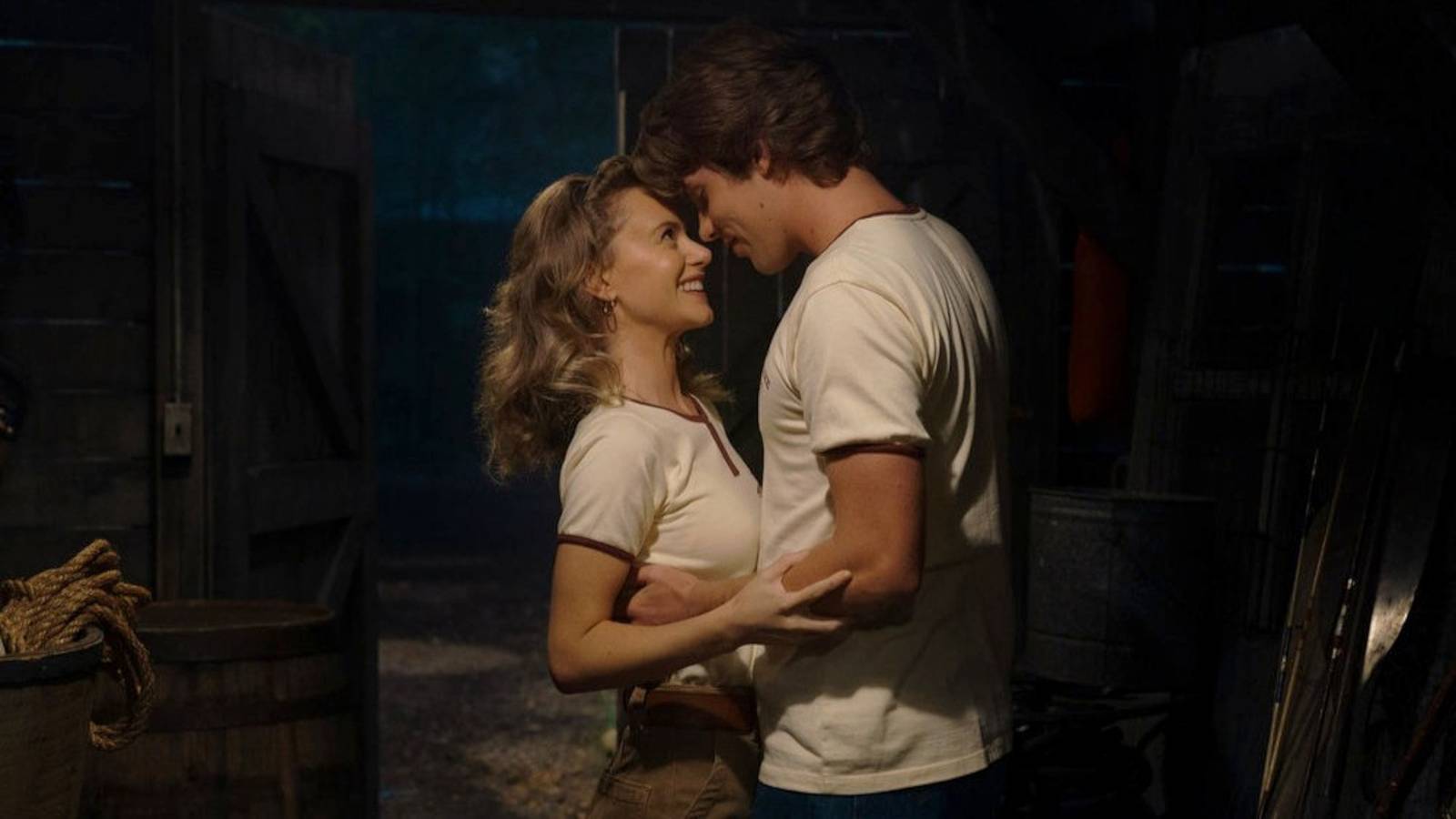
The most significant deviation in Crystal Lake is the introduction of "Project Argonaut," a government-backed experimental program that ties directly into the birth and subsequent mutation of Jason Voorhees. In the series, it is revealed that Elias Voorhees, Jason’s father, inadvertently exposed his pregnant wife, Pamela, to this program.
The ramifications of this are profound. The experimental treatments administered during her pregnancy are established as the direct cause of Jason’s hydrocephalus, a condition that the scientists behind Project Argonaut viewed as a unique biological opportunity. Rather than simply being a child who drowned due to the negligence of horny teenagers, Jason is depicted as a subject of interest for shadowy forces. This provides a pseudo-scientific explanation for Jason’s legendary, near-supernatural resilience, suggesting that his "undead" status isn’t just a byproduct of revenge or curses, but a result of early-life medical manipulation.
This shift changes the tone of the prequel from a standard tragedy to a psychological thriller intertwined with conspiracy horror. Pamela’s journey, then, is not merely that of a mourning mother, but that of a woman fighting a clandestine war to protect her son from people who see him only as an asset.
Supporting Data: The Deconstruction of the "Final Girl" and the Killer
One of the most controversial and daring choices in the series is the recontextualization of the original film’s opening kills. In the 1980 film, the audience is led to believe that Pamela Voorhees personally stalks and executes Claudette and Barry. Crystal Lake offers a more nuanced interpretation: the "killer" we saw in the original film might not have been a singular entity, but a collective of trauma.

In the series, we are introduced to Grace, a character who serves as a dark mirror to the franchise’s traditional "Final Girl" archetype. Grace is a childhood friend of Jason, an outcast who harbors deep-seated resentment toward the counselors who failed to watch him. As Pamela begins to view Grace as a surrogate daughter, the lines between mentor and monster blur.
When the time comes for the inevitable confrontation with Claudette and Barry, it is Grace—fueled by a combination of drug-induced delirium and genuine heartbreak—who strikes the first blow. Pamela, rather than acting as the sole architect of the murder, steps in to finish the job and protect the girl she has come to love. This revelation fundamentally changes the dynamic of the original movie. If Pamela was covering for a younger, more unstable accomplice, the "urban legend" nature of the Friday the 13th lore makes more sense. Stories told by campfires change with every retelling, and Crystal Lake suggests that the history of the camp has been filtered through decades of unreliable narration.
Official Responses and Creative Direction
Showrunner Brad Caleb Kane and the production team at Peacock have been vocal about their desire to avoid a rote retelling of the films. In various press junkets, Kane has emphasized that the goal was to "humanize the monster by exploring the human cost of his creation."
By hiring directors like Michael Lennox and Celine Held, the production has leaned into a gritty, grounded aesthetic that feels distinct from the neon-soaked slashers of the 80s. The collaboration with writers like Bryan Fuller—known for his ability to find beauty in the macabre—is evident in the way Pamela is portrayed. She is no longer just a one-dimensional antagonist; she is a mother driven to the brink of insanity by a world that refused to grant her family basic humanity.
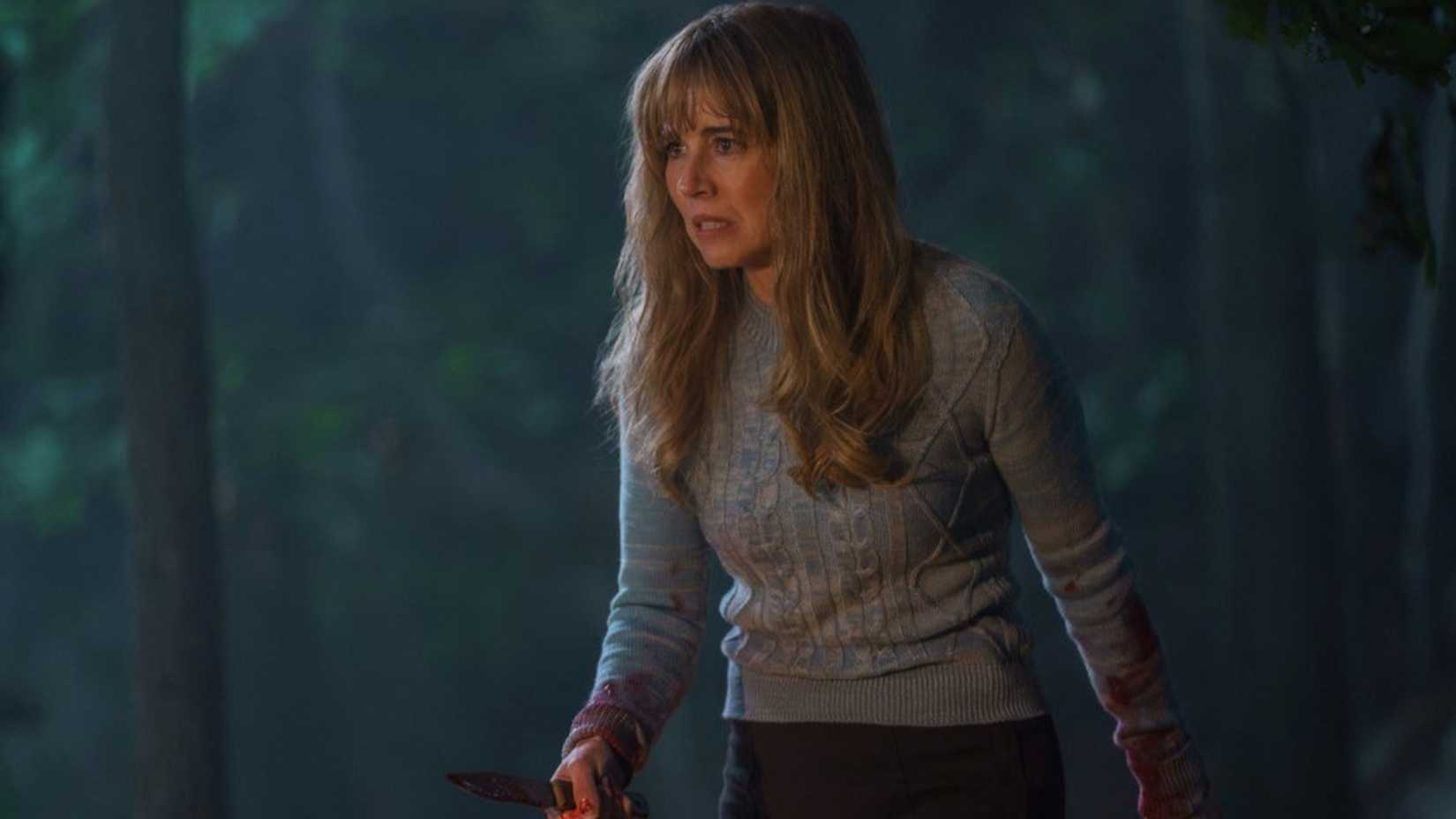
The critical reception thus far has highlighted the strength of this character-first approach. By focusing on the "why" rather than just the "how," the series successfully bridges the gap between the fans who want classic slasher kills and those who demand modern, prestige-television-level character development.
Implications for the Future of the Franchise
What does this mean for the future of the Friday the 13th property? The implications are massive. By expanding the lore to include government experiments and complex co-conspirators, Crystal Lake has effectively "unlocked" the franchise from its static, repetitive cycle.
- The Mythos is Expandable: By framing the original films as "campfire stories" that may have gotten details wrong, the producers have given themselves permission to retcon, adapt, or ignore any part of the original canon that doesn’t serve the current narrative.
- The "Jason" Factor: With the origin of Jason’s durability now grounded in Project Argonaut, the series paves the way for a version of Jason that is more science-fiction horror than pure supernatural slasher. This allows for a more terrifying, calculated, and grounded threat.
- The Longevity of Pamela: By establishing Pamela as a complex, multi-layered protagonist/antagonist, the series ensures that the audience remains invested in her survival, even knowing her inevitable fate. It makes her eventual death feel like a true tragedy rather than just a narrative necessity.
Conclusion: A New Dawn at the Lake
Crystal Lake is a masterclass in legacy management. It manages to respect the original Friday the 13th by keeping the core beats—the drowning, the camp counselors, the vengeance—while simultaneously subverting them to create something entirely fresh. By painting Pamela Voorhees not as a villain born of nothing, but as a victim of a predatory system, the series forces the audience to rethink their loyalty to the franchise.
As we continue to watch the series unfold, one thing is clear: the woods around Crystal Lake are deeper and more dangerous than we ever imagined. The legacy of Jason Voorhees is no longer just about a masked killer in the woods; it is about the darkness that can be cultivated when the world treats humanity as an experiment. Whether you are a die-hard fan of the original 1980 classic or a newcomer to the horror genre, Crystal Lake offers a chilling, thought-provoking, and ultimately necessary evolution of one of cinema’s most enduring icons. The camp is open, the counselors are arriving, and for the first time in nearly fifty years, we have no idea what’s actually waiting for us in the dark.
