
A New Force Awakens: Jon Watts Tapped to Direct Upcoming ‘Star Wars’ Feature Film
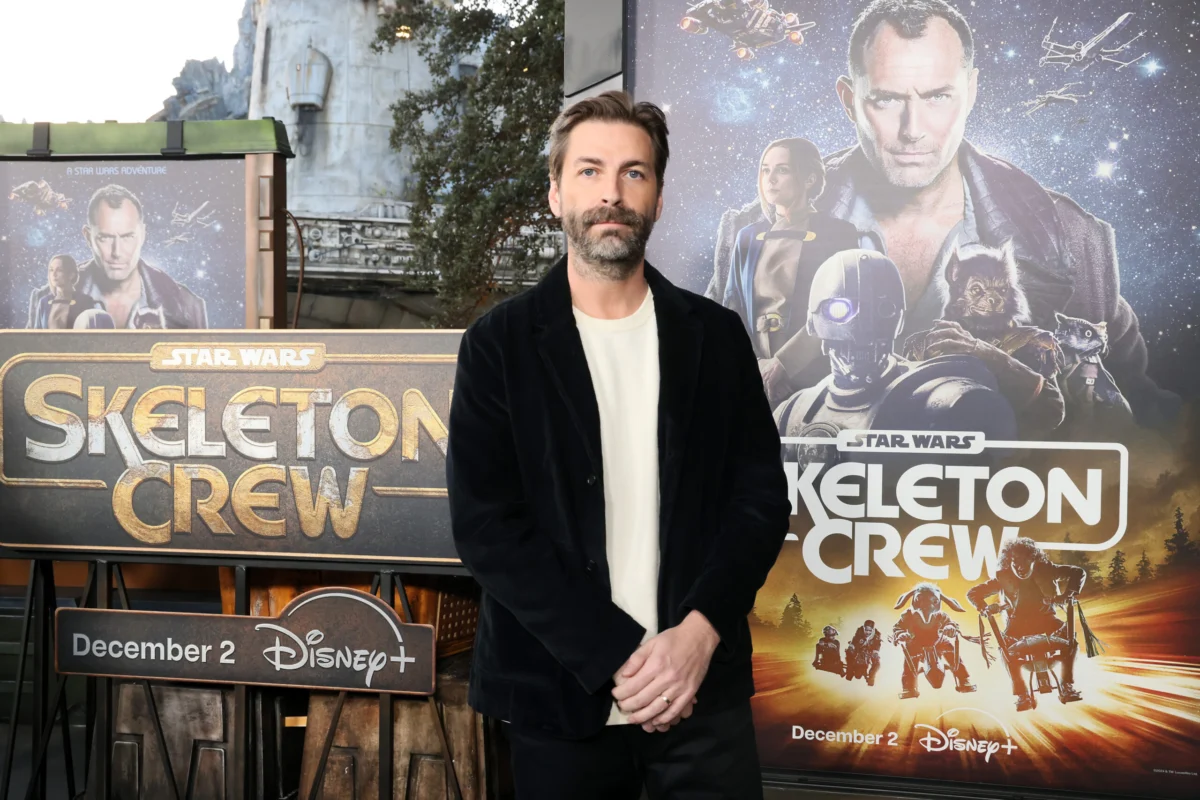
The galaxy far, far away is expanding once more. In a development that signals a fresh creative direction for the Lucasfilm franchise, filmmaker Jon Watts—the architect behind the record-breaking Marvel Cinematic Universe’s Spider-Man trilogy—has been officially attached to direct a new, untitled Star Wars feature film. The project, which has been the subject of industry speculation for months, marks a significant milestone in Lucasfilm’s strategy to revitalize its theatrical presence following a five-year hiatus from the big screen.
The production, which is currently in the early stages of development, brings together a powerhouse creative team. Alongside Watts, the screenplay is being penned by veteran producer and writer Simon Kinberg, a figure deeply entrenched in the mythology of blockbuster franchises. As the studio looks toward the future of the Skywalker saga and beyond, this collaboration represents a pivot toward filmmakers who have demonstrated a mastery of large-scale, character-driven spectacle.
The Architect of Modern Superheroes
Jon Watts’ trajectory in Hollywood has been nothing short of meteoric. Rising from the indie horror and thriller circuit with films like Clown (2014) and the Kevin Bacon-led Cop Car (2015), Watts was plucked from relative obscurity to revitalize Sony and Marvel’s Spider-Man franchise.
His vision for the wall-crawler resulted in the celebrated trilogy starring Tom Holland: Spider-Man: Homecoming (2017), Spider-Man: Far From Home (2019), and the cultural phenomenon Spider-Man: No Way Home (2021). These films were not merely financial juggernauts; they were praised for their grounded, youthful energy and the ability to balance heavy narrative stakes with relatable, coming-of-age sensibilities. It is precisely this "heart-forward" approach that Lucasfilm is betting on as they look to define the next era of Star Wars.
Following the completion of the Spider-Man trilogy, Watts solidified his relationship with the Disney ecosystem. In 2024, it was confirmed that Watts, along with his production company, Freshman Year, and producer Dianne McGunigle, had inked a lucrative first-look feature deal with Walt Disney Studios. This agreement signaled that Disney viewed Watts not just as a hired hand for a single project, but as a primary creative partner for the studio’s long-term slate.
A Proven Track Record in the Galaxy
Watts is no stranger to the Star Wars universe. In 2024, he co-created Skeleton Crew, a Disney+ series developed alongside Christopher Ford. The series, set during the era of the New Republic, served as a spiritual successor to the Amblin-style adventure films of the 1980s.
Skeleton Crew followed four young protagonists as they navigated a dangerous galaxy, anchored by the enigmatic performance of Jude Law as Jod Na Nawood. The cast, which included Ravi Cabot-Conyers, Ryan Kiera Armstrong, Kyriana Kratter, and Robert Timothy Smith, highlighted Watts’ penchant for directing young actors and capturing the sense of wonder—and peril—inherent in the Star Wars mythos. His experience navigating the complex technical requirements of the Volume (Lucasfilm’s proprietary virtual production technology) while maintaining a character-centric narrative makes him an ideal candidate for a feature-length installment.
The Scripting Powerhouse: Simon Kinberg
The decision to pair Watts with Simon Kinberg is a calculated move by Lucasfilm president Kathleen Kennedy. Kinberg is a heavyweight in the genre space, best known for his long-standing work on the X-Men franchise, where he served as a writer, producer, and director. His experience managing complex, interconnected cinematic universes is unparalleled.
When it was first reported that Kinberg would be penning the script, industry analysts were caught off guard. While Kinberg has long been a consultant for Lucasfilm, his return to active screenwriting for a major tentpole was a major development. His involvement suggests that the new film will likely lean into the expansive world-building that defined his time with Fox’s Marvel properties, potentially weaving deep lore with high-octane action. Kinberg’s ability to synthesize disparate story threads into a cohesive narrative will be tested as he crafts a script that must satisfy both die-hard fans and casual moviegoers.
Chronology: From the Original Trilogy to the Modern Era
The history of Star Wars directors is a storied list, ranging from the revolutionary work of creator George Lucas to the distinct visions of Irvin Kershner (The Empire Strikes Back), Richard Marquand (Return of the Jedi), J.J. Abrams, and Rian Johnson.
Since the release of Star Wars: The Rise of Skywalker in 2019, the franchise has primarily operated within the episodic television space on Disney+. While shows like The Mandalorian, Andor, and Ahsoka have kept the brand vibrant, the absence of a theatrical release has created a vacuum.
- 1977–2005: The Lucas Era, defined by the original and prequel trilogies.
- 2015–2019: The Sequel Era, featuring high-profile theatrical releases from Abrams and Johnson.
- 2020–2024: The Streaming Renaissance, characterized by series development and the refinement of virtual production.
- 2025 and Beyond: The "New Frontier" era, where Lucasfilm aims to integrate its streaming successes with a return to the global theatrical stage.
Watts joining this lineage is a significant transition. He represents a generation of filmmakers who grew up as fans of the franchise and are now tasked with its stewardship.
The Implications for Lucasfilm
Why now? The move to bring Watts into the feature film fold reflects a broader strategy at Disney to stabilize its major IP. After the mixed reception of the final entry in the Skywalker saga, the studio has been deliberate in its development process, often spending years in pre-production to ensure scripts are tight and visions are clear.
By hiring a director who has already successfully navigated the pressures of a massive franchise (Spider-Man), Lucasfilm is signaling a desire for reliability and proven box-office success. Watts’ background in intimate, character-focused storytelling is also a direct answer to criticisms that the franchise had become too reliant on legacy characters and nostalgia-heavy fan service.
Furthermore, the collaboration between Watts and Kinberg suggests a film that will prioritize narrative structure. With the X-Men franchise, Kinberg demonstrated a willingness to explore mature themes within a superhero framework; applying that same rigor to Star Wars could lead to a more nuanced exploration of the Jedi, the Republic, or the dark side of the Force.
Industry Reception and Future Outlook
The announcement, which was first broken by Knight Edge Media and later confirmed by Variety, has sent ripples of excitement through the fan community. The challenge ahead for Watts and Kinberg is daunting: to create a film that feels both distinct and unmistakably Star Wars.
The film will face intense scrutiny, particularly regarding how it fits into the ever-expanding timeline of the franchise. Will it be a standalone story? Will it set the stage for a new trilogy? Or will it bridge the gap between the eras of the Republic and the First Order?
For now, the industry is watching closely. With the combined pedigree of Watts’ blockbuster sensibilities and Kinberg’s narrative architecture, the untitled project is already positioned as one of the most anticipated films on the upcoming Lucasfilm slate. As the studio prepares to enter this next phase, the focus remains on the same goal that has driven the franchise for nearly fifty years: finding new ways to tell stories that resonate across generations.
In a galaxy of endless possibilities, the partnership of Watts and Kinberg may well be the spark that ignites the next great chapter of the Star Wars legacy. Fans and analysts alike will be waiting with bated breath for the first official title and release date, as the wait for the return of Star Wars to the silver screen officially enters its countdown phase.
