
The GuadaLAjara Film Festival Unveils a Bold Vision for Latinx and Global Cinema in Los Angeles
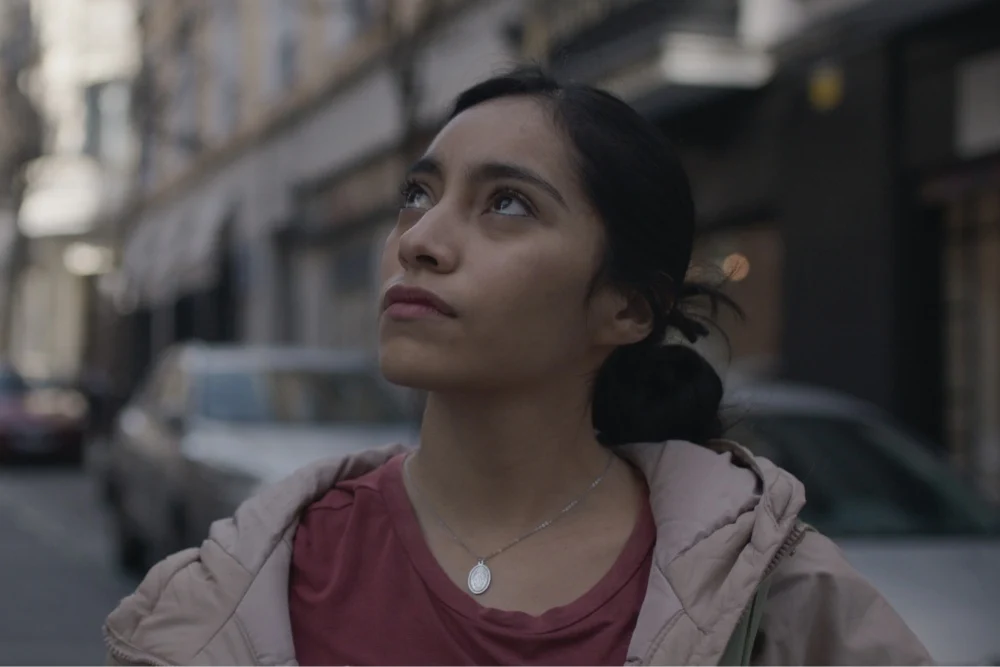
The GuadaLAjara Film Festival (GLAFF) has officially pulled back the curtain on its highly anticipated program for this year’s edition, scheduled to run from November 5 through November 7. As one of the most vital cultural bridges between the creative hubs of Mexico and the United States, this year’s festival promises to transform Los Angeles into a vibrant epicenter of cinematic storytelling. With a curated selection of U.S., West Coast, and international premieres, the event aims to highlight the intersectional narratives that define the modern Latinx experience while showcasing the work of both emerging visionaries and established masters.
The festival’s organizers have confirmed a schedule that spans several iconic Los Angeles venues, including the United Theater, the Linwood Dunn Theater, and the Vidiots screening room. By bridging these historic spaces, GLAFF intends to cultivate a shared experience that invites both industry professionals and the local community to engage with stories that challenge borders and conventions.
A Cinematic Journey: Opening, Centerpiece, and Closing Highlights
The 2024 program is anchored by three pivotal screenings that reflect the festival’s commitment to bold, narrative-driven filmmaking.
Opening Night: "Ashes"
The festival will kick off on November 5 at the United Theater with the much-anticipated screening of Ashes, a Watermelon Pictures release directed by the renowned Diego Luna. The film offers an intimate and harrowing look at the complexities of migration and familial estrangement. The narrative follows Lucila, a young woman who relocates to Spain with her brother in a desperate attempt to reunite with their mother, who abandoned them eight years prior. Upon arrival, Lucila is forced to navigate a landscape fraught with systemic discrimination and the crushing weight of family expectations. Ashes serves as a poignant exploration of the struggle for independence, illustrating how the wounds of the past continue to bleed into the present.
The Centerpiece Gala: "14th"
Adding significant prestige to the mid-festival program, the Centerpiece Gala will feature a screening of Netflix’s 14th, directed by the visionary Ava DuVernay. Hosted at the celebrated Vidiots venue, the documentary serves as an intellectual and visual deep dive into the constitutional crises currently defining the American political zeitgeist. DuVernay’s lens uncovers a disturbing pattern hard-wired into the nation’s historical DNA, exposing an unfinished battle to define the soul of America. By placing 14th at the heart of the festival, GLAFF highlights the necessity of using cinema as a tool for sociopolitical critique.
The Closing Ceremony: "Mexicanamerican"
The festival will conclude on November 7 with a special 35mm presentation of Mexicanamerican at the Linwood Dunn Theater. Directed by Eddie Sánchez, this feature provides a nostalgic yet sobering look at the assimilation process. The story centers on Lalo and Beby, a Mexican couple who successfully achieve the elusive American Dream, only to find that the price of their success is the gradual erosion of the culture, language, and traditions they once shared with their children. This screening, presented on film, underscores the festival’s dedication to preserving the medium’s tactile history while addressing the cultural fragmentation inherent in the immigrant experience.
The Cultural Implications of GLAFF
The significance of the GuadaLAjara Film Festival extends far beyond the red carpet. In an era where Latinx representation in mainstream media is often reduced to tropes or peripheral characters, GLAFF serves as a necessary corrective. By providing a platform for films that are unapologetically grounded in the realities of Mexico, Latin America, and the United States, the festival fosters a nuanced understanding of identity.
Ximena Urrutia, the executive director of GLAFF, emphasized the festival’s mission during the lineup announcement. "We are proud to bring these films to Los Angeles," Urrutia stated. "They tell our stories, honor our cultures, and present some of the finest work of the year from Mexico, Latin America, the United States, and beyond. This is about more than just entertainment; it is about building a legacy of representation that resonates with the diversity of Los Angeles."
Shaping the Cinematic Landscape
The festival’s lineup is meticulously curated to showcase filmmakers who are actively reshaping the cinematic landscape. By including a diverse array of U.S. and international premieres, the festival creates an environment where cross-pollination between markets can occur. Emerging filmmakers are given a stage alongside established auteurs, allowing for a dialogue that bridges generations and geographic divides.
The inclusion of short films is a critical component of this strategy. These smaller-scale projects often act as a barometer for new talent, providing a space for experimental narratives that might not fit the rigid structures of traditional studio features. By highlighting these voices, GLAFF ensures that it remains at the forefront of creative innovation.
Beyond the Screen: A Hub for Industry and Community
While the films provide the substance, the festival’s secondary programming provides the infrastructure for professional growth. Throughout the three-day event, attendees can expect:
- Red-Carpet Premieres: Providing high-visibility opportunities for filmmakers to showcase their work to critics and audiences.
- Panel Conversations: Moderated discussions featuring directors, producers, and screenwriters, focusing on the future of Latinx cinema in an increasingly globalized market.
- Master Classes: Expert-led sessions that offer technical and creative insights, aimed at fostering the next generation of storytellers.
- Industry and Community Events: Dedicated networking opportunities designed to connect international filmmakers with Los Angeles-based production entities and investors.
These components are vital for the sustainability of the festival. By integrating industry-facing events with public-facing screenings, GLAFF functions as both a celebration of culture and a pragmatic engine for career development. The festival recognizes that for stories to be told, the storytellers must have access to the resources and connections necessary to bring their visions to fruition.
The Evolution of the GuadaLAjara Film Festival
Since its inception, the GuadaLAjara Film Festival has navigated the complexities of its dual identity: representing the spirit of the Guadalajara International Film Festival while adapting to the unique cultural topography of Los Angeles. This year’s lineup suggests an evolution toward a more robust, narrative-heavy program that prioritizes intellectual rigor alongside emotional resonance.
The choice of venues—ranging from the architectural grandeur of the United Theater to the intimate, cinephile-focused atmosphere of Vidiots—reflects a sophisticated programming strategy. Each location is chosen to enhance the experience of the specific film, ensuring that the environment contributes to the viewer’s engagement with the content.
Looking Toward the Future
As the festival approaches its November start date, the anticipation within the creative community is palpable. The blend of high-profile documentaries, intense dramas, and historical preservation efforts indicates a festival that is not afraid to confront difficult subjects. In doing so, GLAFF secures its position as a critical player in the global film circuit.
For the audience, the event offers a rare opportunity to witness a curated selection of work that is rarely seen in mainstream multiplexes. For the industry, it is a chance to identify the emerging trends and voices that will define the coming years of independent film.
Ultimately, the GuadaLAjara Film Festival serves as a testament to the power of stories to transcend borders. Whether exploring the complexities of family reunification in Ashes, the systemic failures examined in 14th, or the cultural loss depicted in Mexicanamerican, the films selected for this year’s program demand that the viewer look closer, listen harder, and acknowledge the shared humanity that connects the diverse populations of Los Angeles and beyond.
As the festival continues to grow, its impact on the cultural fabric of Southern California will likely only deepen. By maintaining its focus on authentic storytelling and providing a platform for those who are often ignored, GLAFF is not just hosting a film festival—it is defining a new chapter in the history of cinema. With additional talent and event announcements expected in the coming weeks, the industry is watching closely to see how this year’s edition will further cement the festival’s reputation as a vital cultural institution.
