
The Duality of Destiny: How ‘Avatar: Seven Havens’ Shatters Franchise Conventions
The Avatar universe has long been defined by a singular, cyclical rhythm. For millennia, the spirit of light, Raava, has reincarnated into a single vessel—the Avatar—tasked with maintaining balance between the physical and spirit worlds. From the stoic wisdom of Roku to the reluctant heroism of Aang and the revolutionary fervor of Korra, the mantle of the Avatar has always been a solitary burden.
That fundamental rule has now been irrevocably broken.
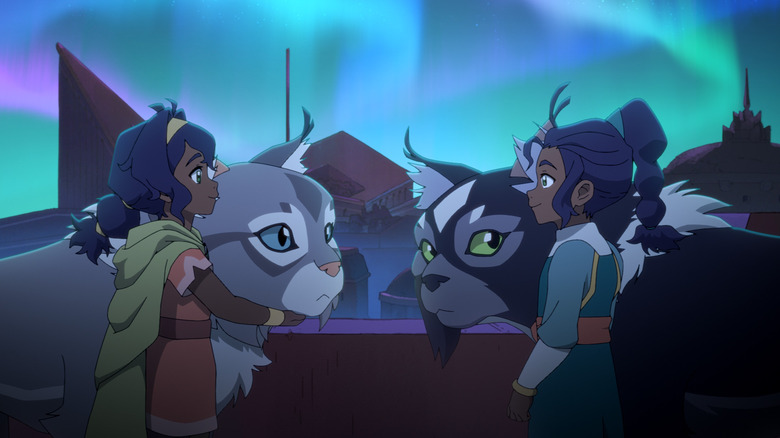
Avatar: Seven Havens, the latest animated series from Avatar Studios, has premiered its first three episodes, introducing a twist that fundamentally alters the franchise’s cosmology: the birth of twins, Pavi and Nisha, who both possess the soul of the Avatar. This revelation, while shocking, serves as the cornerstone for a narrative that explores the consequences of a world pushed to the brink of extinction.
The State of the Franchise: A Rocky Road to Release
The launch of Seven Havens arrives during a period of turbulent transition for the Avatar brand. While the 20th anniversary of the original The Last Airbender series prompted a global celebration of the franchise’s enduring cultural impact, the recent release of the animated feature Avatar Aang: The Last Airbender was marred by corporate mismanagement.
Paramount’s handling of the feature film—which leaked months ahead of its scheduled debut and was subsequently relegated to a low-key streaming release—left many fans disillusioned. The studio’s apparent lack of investment in promotional marketing for Seven Havens suggests a continued pattern of undervaluing its most prestigious animation property. Despite this, Seven Havens stands as a testament to the creative vitality of the franchise. By pivoting to a post-apocalyptic, visually distinct aesthetic and leaning into a darker, more serialized mystery, the show successfully carves out its own identity, separate from the shadows of its predecessors.
The Chronology of the Twins: Pavi and Nisha
The narrative structure of Seven Havens is built upon the disparate lives of its two protagonists, whose journeys mirror the fractured state of their world.
The Street-Wise Survivor
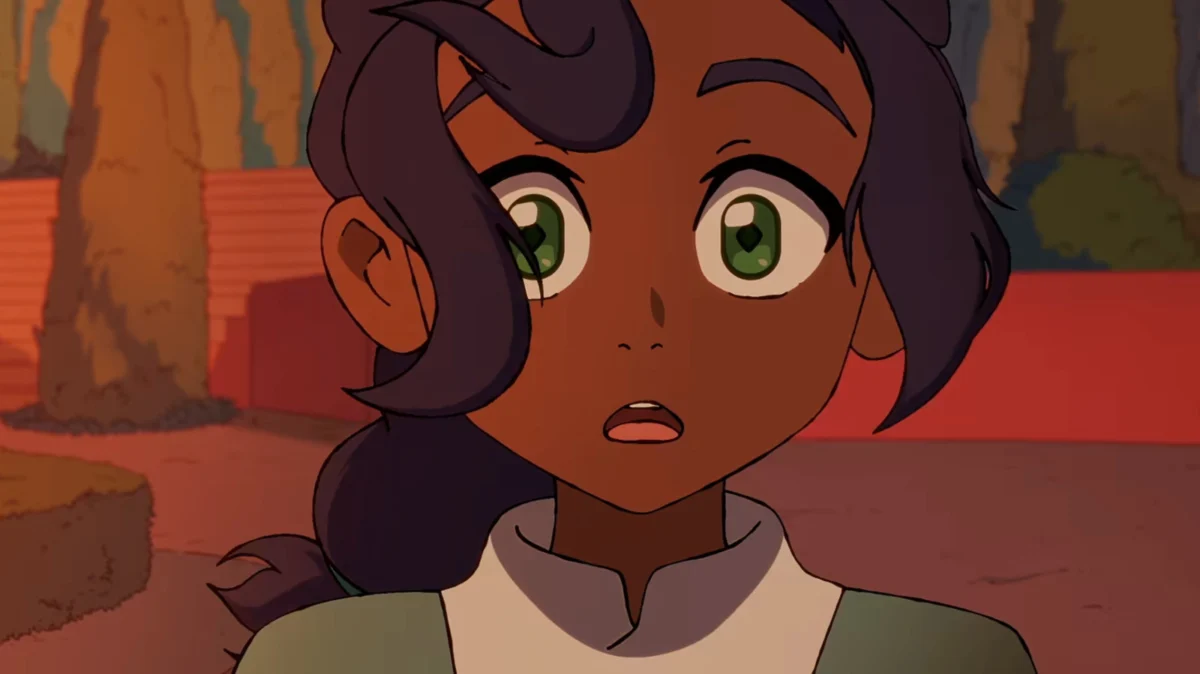
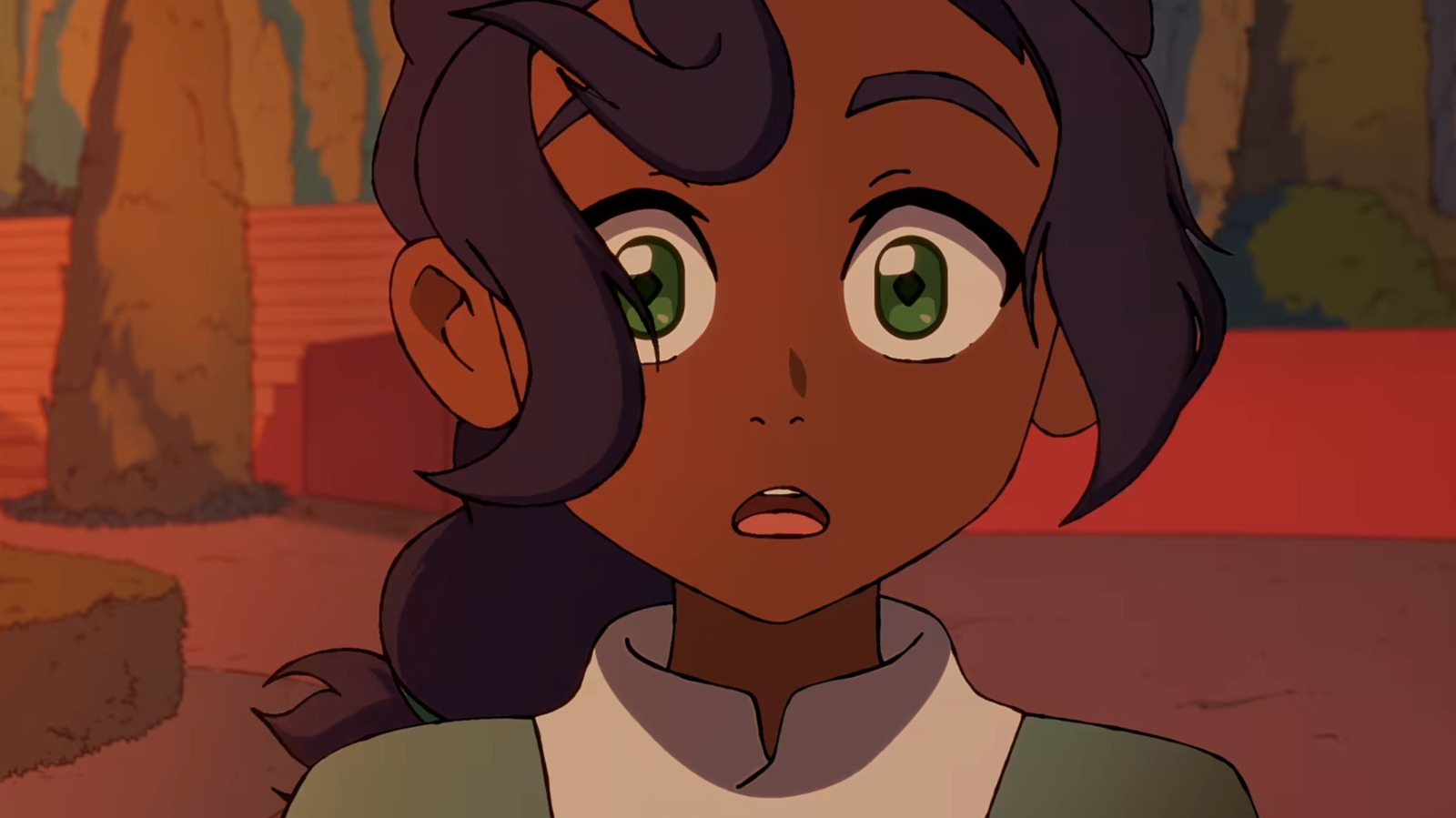
We are first introduced to Pavi, voiced by Saheli Khan. Living on the margins of a crumbling society, Pavi is a forced anomaly. In this era, elemental bending is not a celebrated heritage but a liability; all benders are mandated to register with the military apparatus of their respective "haven." Pavi exists in hiding, her only companion a cat-monkey, constantly suppressing her abilities to avoid the gaze of a regime that views power as a threat to the status quo. Her journey is one of survival, defined by the grit of the streets rather than the enlightenment of the temple.
The Sheltered Legacy
Conversely, Nisha (Aishu Devan) represents the institutional side of the Avatar’s legacy. Raised in total seclusion by the White Lotus, she exists in a gilded cage. Unlike Pavi, Nisha is acutely aware of her nature and the global hostility directed toward the very concept of an Avatar. In this world, the public has been conditioned to view the Avatar not as a savior, but as a relic of a failed past—a symbol of the catastrophe that left the world in ruins.
Supporting Data: The Spirit of Chaos
The central mystery of Seven Havens revolves around the "spirit shenanigans" that have left the world in a post-apocalyptic state. The visual language of the show—specifically the recurring motifs of red and black energy—strongly parallels the aesthetic of Vaatu, the spirit of darkness and chaos who threatened to undo the Avatar cycle during Korra’s tenure.
The Raava Contingency
The existence of two Avatars suggests a drastic, perhaps desperate, intervention by Raava. In the lore of the franchise, the Avatar cycle is a symbiotic relationship between a human host and the light spirit. If the world reached a point of total collapse due to the overwhelming influence of darkness, it is logically consistent to hypothesize that Raava fractured her own essence. By splitting the spirit between twins, Raava may be attempting to create a "fail-safe" or a "double-strike" capability to combat an encroaching darkness that a single Avatar could no longer contain.
Implications for the World-Building
The existence of two Avatars raises profound questions that the series is only beginning to peel back:
- The Sharing of Power: Can both girls access the Avatar State simultaneously? Does the spirit of the Avatar get divided, or do they possess the full power individually? The early episodes hint that their connection to one another—and the tension of their differing upbringings—will be the catalyst for their growth.
- The Sociopolitical Landscape: If the world views the Avatar as a failure, how will the return of two Avatars impact the existing power structures? The military-controlled havens likely have a vested interest in keeping the twins separated or neutralized.
- The Legacy of Korra: The series implies that the events following Korra’s tenure were catastrophic. The rise of the Equalists and the opening of the spirit portals, which were hallmarks of the Legend of Korra era, have evidently culminated in a world that is fundamentally broken. Seven Havens is essentially a "reconstruction" story, asking if a shattered world can be mended when its traditional savior is now a bifurcated entity.
A New Horizon for Animation
Avatar: Seven Havens is not merely a sequel; it is a bold experiment. By diverging from the "Chosen One" trope and replacing it with the "Chosen Two," the series challenges the individualistic focus of previous installments.
As we look back on two decades of Avatar, it is clear that the franchise thrives when it takes risks. The Last Airbender changed the landscape of Western animation by introducing serialized, mature storytelling to children’s television. The Legend of Korra pushed the boundaries of political complexity and spiritual lore. Seven Havens appears poised to push the franchise into a more nuanced, psychological space.
The mystery of Pavi and Nisha is more than just a plot device—it is an exploration of identity, destiny, and the nature of balance. While Paramount’s promotional strategy remains a point of frustration for the fanbase, the quality of the animation, the depth of the world-building, and the sheer audacity of the premise make Seven Havens essential viewing.
As the first three episodes demonstrate, the world of the four nations is no longer the one we recognize. It is a darker, more dangerous place—but it is also a place where the light of the Avatar, now doubled, may finally be strong enough to burn away the shadows of the past. The cycle has not just continued; it has evolved. Whether this evolution will bring the harmony the world so desperately needs remains to be seen, but one thing is certain: the era of the solo Avatar is over, and the era of the twins has only just begun.
