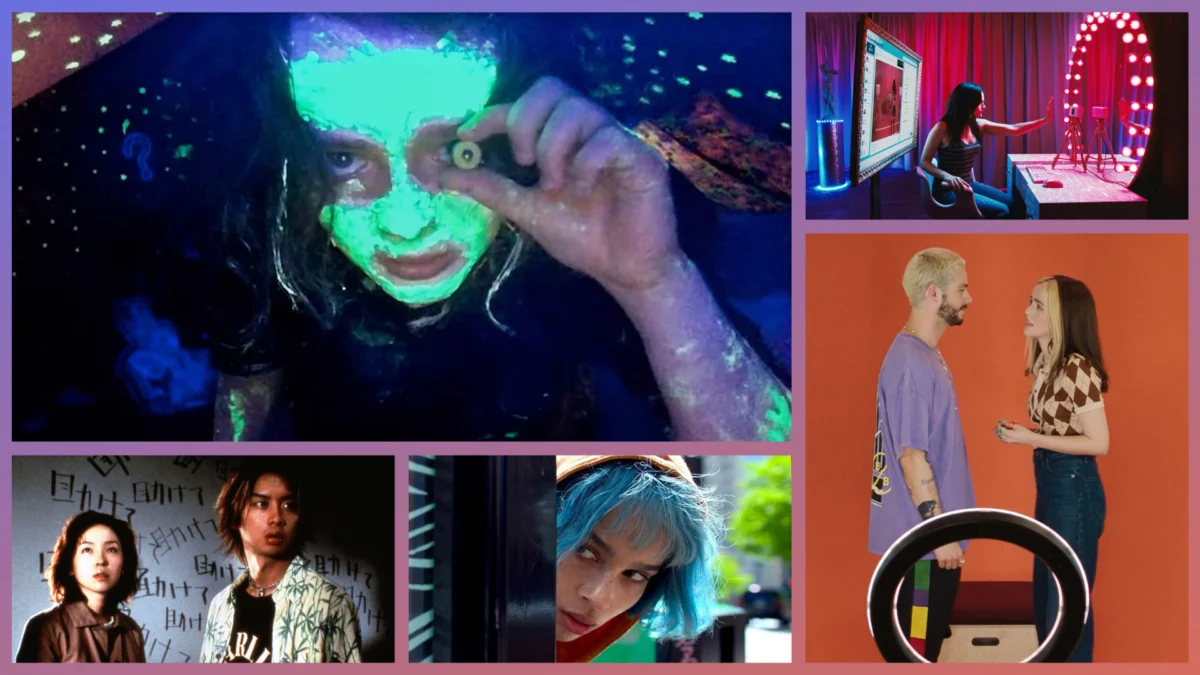
Scrolling into the Abyss: How Cinema Turned the Internet and Social Media into Modern Horror
Editor’s note: Originally published in August 2022, this comprehensive feature has been significantly expanded and updated with new cinematic entries that reflect the ever-darkening digital landscape.
Board up the abandoned Victorian mansions and leave the creepy, mist-shrouded woods to 20th-century slashers. In the modern age, there is simply no place more psychologically terrifying, unpredictable, or inescapable than the internet.
Long before Sandra Bullock was forced to navigate digital paranoia in the 1995 techno-thriller The Net, cyberspace provided a compelling, shifting backdrop to countless horror, suspense, and thriller films. Some of these cinematic explorations are firmly rooted in cold science fiction, while others rely on the occult or supernatural. Yet, the eerie, boundless expanse of the web accommodates it all, made infinitely more effective by the spooky implications of an unseen, largely unregulated global network that billions of users interact with daily without truly understanding.
The Evolution of Digital Horror: From Early Thrillers to Screen-Life Innovations
The cinematic relationship with technology has evolved dramatically over the last three decades. In the early days of dial-up connections and chat rooms, movies treated the internet as a novelty—a mysterious frontier where hackers could alter identities and erase lives with the press of a button. However, as broadband expanded, smartphones proliferated, and socialmedia integrated into every waking hour of human existence, the nature of cinematic dread shifted from external threats to deeply internal, pervasive anxieties.
The genre took a massive leap forward with the advent of the "screen-life" format and modern found-footage flicks. Cheeky, self-aware titles like Unfriended (2014), Followers, and #Horror (2015) brought a knowing, sometimes playful goofiness to the conceit of films unfolding entirely on a computer desktop or smartphone screen. These movies tapped into the visceral panic of an incoming video call from an unknown user, a mysterious friend request, or the slow, dread-inducing movement of a cursor across a webcam interface.
As audiences grew more sophisticated, filmmakers responded with tighter execution. Movies like Searching (2018) and Host (2020)—the latter famously filmed and set entirely over Zoom during the height of the COVID-19 pandemic—garnered widespread critical and commercial appreciation. They successfully integrated smart, authentic technical details into their design and direction, making the horror feel terrifyingly close to home. Meanwhile, high-concept thrillers like Spree (2020) and Dashcam (2021) took the digital horror show on the road, combining ride-share applications, toxic influencer culture, and chaotic live streams to tremendous, blood-soaked effect.
Beyond the Desktop: Traditional Filmmaking and the Digital Psyche
Visible browser windows, active tabs, and blinking cursors are not strictly required to make internet-based scares or suspense stick. More traditionally shot films have proven equally adept at capturing the psychological weight of the digital age.
Recent releases such as Steven Soderbergh’s KIMI (2022)—which examines pandemic-era isolation and corporate surveillance through the lens of a smart-home voice assistant—and Jane Schoenbrun’s haunting We’re All Going to the World’s Fair (2021) have successfully molded contemporary internet themes into distinct cinematic stories. These films focus less on jump scares and more on the profound alienation, parasocial relationships, and identity dissolution that occur when humans spend more time interacting with screens than with each other.
Furthermore, satirical black comedies have emerged as a particularly fruitful ground for exploring social media pathology. Movies ranging from Tragedy Girls (2017) and Ingrid Goes West (2017) to the more recent Not Okay (2022) deliver exasperated sighs and genuine dark laughs in equal measure. By weaponizing concepts like follower counts, algorithmic validation, and performative activism, these films hold an uncomfortable mirror up to modern social media culture.
Although not strictly comedies, the category’s most socially conscious and feminist entries—such as the sex work-centric projects Zola (2020) and CAM (2018)—make brilliant use of light-hearted internet fodder (viral threads, webcam streaming platforms) to emphasize much heavier, more serious perspectives regarding bodily autonomy, digital exploitation, and online identity.
Defining the Boundaries: What Makes a "Digital Horror" Film?
Curating a definitive list of the best internet and social media horror films requires establishing strict thematic boundaries. Fundamentally, the best internet movies tend to be scary because the underlying technologies they examine genuinely frighten people.
To maintain a cohesive and gripping ranking of the genre’s finest fictional works, certain exclusions are necessary:
Coming-of-Age Dramas: While films like Bo Burnham’s Eighth Grade (2018) heavily involve the internet and induce severe anxiety regarding teenage cyber-culture, they are fundamentally coming-of-age dramas rather than traditional horror or thrillers.
True Crime and Documentaries: Projects like the documentary We Live in Public (2009) or the true-crime phenomenon The Tinder Swindler (2022) are inarguably horrific, detailing real-world violations of privacy and safety. However, they are excluded from this specific cinematic compilation to keep the focus strictly on fictional storytelling.
To understand how internet horror arrived at its current state, it is helpful to trace its evolution chronologically through key milestones:
The Pre-Millennial Era (Late 1990s): Cinema views the internet as a sci-fi novelty. Films like The Net (1995) and The Truman Show (1998—foreshadowing constant surveillance culture) introduce audiences to the paranoia of digital tracking.
The Web 2.0 and Forum Era (Late 2000s): As message boards, early webcams, and chat rooms gain prominence, horror films begin exploring anonymous harassment and the dangers of online personas (e.g., FeardotCom in 2002, followed by documentary-style explorations of online fame).
The Social Media Boom (Early-to-Mid 2010s): Facebook, Twitter, and smartphones become ubiquitous. The horror genre pivots toward direct digital interaction, birthing the "screen-life" subgenre with films like Unfriended (2014).
The Algorithmic and Influencer Age (Late 2010s–Present): The focus shifts toward livestreaming, viral culture, data privacy, and the psychological decay caused by constant connectivity (Host, Spree, KIMI, CAM).
Supporting Data: The Psychological Impact of Screen Time and Digital Media
The resonance of these horror films is backed by a growing body of sociological and psychological research. According to data from the Pew Research Center and various mental health studies conducted over the past decade, public anxiety regarding digital technology has risen in tandem with daily screen time averages.
Metric / Study Focus
Percentage / Data Point
Primary Implication for Viewers
Daily Screen Time (Global Average)
~6 hours, 40 minutes per day
Audiences spend more time interacting with digital interfaces than sleeping, making "screen-life" cinema instantly recognizable.
Cyberbullying & Online Harassment
Over 40% of U.S. adults report experiencing personal online harassment
Fictional depictions of stalkers, trolls, and compromised accounts tap into widespread, lived trauma.
Algorithmic Dependence Anxiety
~65% of Gen Z and Millennial users report anxiety tied to social media validation
Black comedies and thrillers about follower counts resonate strongly with younger demographic groups.
Data Privacy Concerns
Over 80% of consumers feel they have lost control over how companies collect and use their data
Techno-thrillers dealing with corporate surveillance (KIMI, The Net) reflect a pervasive loss of institutional trust.
This data illustrates that internet horror is rarely purely fantastical; rather, it amplifies everyday digital stressors—doxxing, algorithmic control, deepfakes, isolation, and loss of privacy—turning mundane technological frustrations into existential dread.
Official Responses and Industry Perspectives
Filmmakers, cybersecurity experts, and cultural critics have increasingly weighed in on why digital horror has become such a dominant cinematic force in the 2020s.
Director Aneesh Chaganty (Searching, Missing):
"We didn’t set out to make movies about computers just to be gimmicky. We set out to tell stories where the computer is the modern-day kitchen table, the living room, and the front door. If you want to know where a modern character is hiding, suffering, or falling in love, you don’t look at their physical surroundings—you look at their browser history."
Dr. Aris Thorne, Digital Media Sociologist:
"Horror has always acted as a cultural pressure valve for contemporary fears. In the 20th century, it was nuclear annihilation or biological contagion. Today, our greatest vulnerability is invisible, distributed across data centers and cloud servers. When a horror film personifies the internet as a malevolent entity or an inescapable trap, it is simply giving shape to the ambient panic we all feel when we click ‘Accept All Cookies’."
Hollywood studio executives have also noted a distinct shift in box office performance. Mid-budget thrillers that incorporate modern communication technology frequently overperform relative to their production costs, driven largely by younger audiences who see their own digital habits reflected on the silver screen.
Implications for the Future of Horror
As artificial intelligence, deepfake technology, generative content, and virtual reality rapidly advance, the landscape of internet horror is poised for another seismic shift.
The boundary between human-generated content and synthetic creation is blurring, giving filmmakers entirely new tools—and terrors—to explore. Where early digital horror focused on chat rooms and hacked webcams, future cinematic nightmares will likely grapple with autonomous algorithms, synthetic identities, and the complete erosion of objective truth online.
Ultimately, these 15 carefully curated films (spanning desktop thrillers, biting social media satires, and deeply atmospheric psychological explorations) serve as both entertainment and cautionary tales. They remind us that while the internet connects humanity in unprecedented ways, it also constructs a vast, digital wilderness where anyone can get lost—and where something predatory is always scrolling, watching, and waiting.