
Stardust and Tap Shoes: The Highly Anticipated Fred Astaire Biopic Sets Its Leading Trio
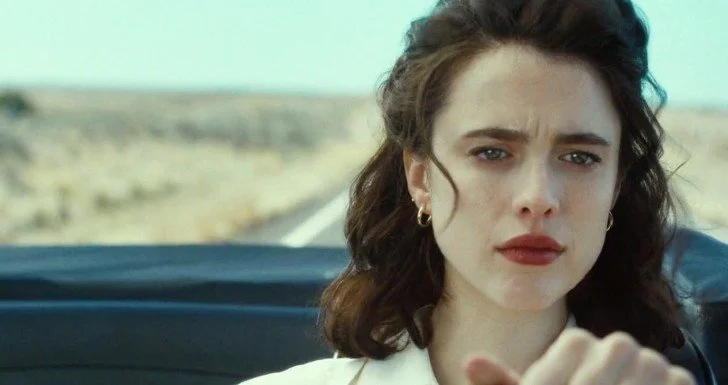
The golden age of Hollywood is set to be resurrected with a rhythmic, high-stakes flair. In a move that has electrified the industry, director Paul King—the visionary behind the whimsical success of Paddington and Wonka—has officially rounded out the central cast for his untitled Fred Astaire biopic. Joining the previously announced Tom Holland, who will step into the polished shoes of the legendary song-and-dance man, are Emmy nominee Margaret Qualley and global pop sensation and Emmy winner Sabrina Carpenter.
The casting announcement, which signals a major push by the production to marry modern star power with classic choreography, confirms that Qualley will portray Adele Astaire, Fred’s sister and original stage partner, while Carpenter will step into the iconic heels of Ginger Rogers. The project, which aims to reconcile the dual legacies of Fred’s early life on the stage and his legendary cinematic partnership, is poised to be one of the most ambitious musical biopics in recent memory.
The Architect of the Project: Paul King’s Vision
Paul King, who has established himself as a master of whimsical, character-driven storytelling, has been tasked with the monumental challenge of translating the grace of the 20th century’s greatest dancer to the modern screen. His enthusiasm for the project is palpable, as he balances the weight of history with the excitement of a new creative endeavor.
"I am thrilled and honored to have been entrusted with telling the story of Fred Astaire and his original dance partner—his big sister Adele—to the big screen," King said in an official statement. "Fred left a timeless legacy of dance on film, most famously in his collaborations with Ginger Rogers, while Adele’s work has been lost to history; indeed, no footage of her dancing survives. The cinematic challenge of bringing to life these icons of the 20th century is one that I could not imagine without Tom Holland, Margaret Qualley, and Sabrina Carpenter by my side."
King’s decision to pair the seasoned dramatic precision of Qualley with the magnetic performance energy of Carpenter suggests a film that will prioritize character depth alongside the technical demands of period-accurate choreography.
Chronology: From Omaha to the Silver Screen
To understand the scope of the film, one must look at the timeline of the Astaire legacy. The biopic is based on the book The Astaires: Fred & Adele by Kathleen Riley, who is also serving as a consultant on the project.
The Early Years: The Vaudeville Sibling Act
Before Fred Astaire became a household name synonymous with top hats and tails, he and his sister Adele were the darlings of the Vaudeville circuit, and later, the Broadway and West End stages. Their partnership was arguably the foundational element of Fred’s career. Adele was considered the charismatic, comedic spark of the duo, while Fred provided the technical, rhythmic backbone. Their success in London and New York in the 1920s established the Astaire brand.
The Transition to the Silver Screen
The narrative arc of the film is expected to follow the eventual dissolution of the sibling act—when Adele retired to marry—and Fred’s subsequent move to Hollywood. It was here that he met Ginger Rogers, a pairing that would redefine the musical genre for generations. The transition from stage to screen wasn’t seamless, but the chemistry between Fred and Ginger, captured in films like Top Hat and Swing Time, turned them into the definitive dance couple of the 20th century.
Supporting Data and Creative Rationale
The script, penned by Steven Levenson—the acclaimed writer behind Fosse/Verdon, tick, tick… BOOM!, and Dear Evan Hansen—alongside Paul King, is designed to navigate the complex personal lives behind the glittering costumes. Levenson’s background in musical theater and biography makes him an ideal partner for King, as they seek to weave historical accuracy with the emotional resonance required for a big-budget biopic.
The Cast Breakdown
- Tom Holland as Fred Astaire: Holland, who rose to global fame as Spider-Man, possesses a background in formal dance, having starred in Billy Elliot the Musical in London’s West End as a child. This provides him with the necessary foundational technique to emulate Astaire’s effortless style.
- Margaret Qualley as Adele Astaire: Known for her nuanced performances in Maid and The Substance, Qualley brings a rigorous training in classical ballet. Her ability to inhabit complex, often overlooked women makes her a compelling choice to portray the "lost" legacy of Adele.
- Sabrina Carpenter as Ginger Rogers: A force in contemporary music and performance, Carpenter’s rise to prominence as an Emmy-winning entertainer showcases her versatility. Her role as Rogers requires a blend of sharp-witted acting and the endurance required for intricate dance sequences.
The Implications: Revitalizing the Musical Biopic
The casting of this trio is not merely a marketing maneuver; it is a statement on the state of the musical biopic. Following the success of films like Elvis and Bohemian Rhapsody, audiences have shown a hunger for stories that explore the human cost of stardom. However, the Astaire project faces a unique hurdle: the "lost" history of Adele Astaire.
By dedicating significant screen time to Adele, the filmmakers are consciously attempting to correct a historical blind spot. Because no footage of Adele’s dancing survives, the film serves as a creative reconstruction. Qualley’s performance will be a blend of historical research and artistic interpretation, effectively bringing a ghost back to life.
Furthermore, the involvement of modern stars like Holland and Carpenter is expected to bridge the gap between cinephiles who revere the Golden Age and a younger generation of moviegoers. This project represents a massive financial and cultural investment, signaling that the studio believes there is a viable, high-quality future for the big-screen musical.
Challenges and Creative Hurdles
Despite the high-profile talent involved, the production faces significant challenges. Chief among them is the high bar set by the source material. Fred Astaire’s dancing is often described as "effortless," yet it was the result of hours of agonizing rehearsal. Recreating this on screen in a way that feels authentic, rather than a mere pantomime, will require months of rigorous training for the leads.
Additionally, the film must contend with the "Ginger Rogers" legacy. Her work with Astaire is iconic, and any attempt to replicate those dances will be scrutinized by dance historians and fans alike. Carpenter’s ability to capture Rogers’ specific blend of independence and grace will be the litmus test for the film’s success.
Conclusion: A New Standard for Biopics
As pre-production ramps up, the excitement surrounding the Untitled Fred Astaire Biopic continues to build. By leaning into the intellectual property of Kathleen Riley’s book and the creative synergy of Paul King and Steven Levenson, the production team has signaled a commitment to depth and historical detail.
The narrative of the Astaires—a story of sibling devotion, the struggle for identity, and the pursuit of artistic perfection—is timeless. With Tom Holland, Margaret Qualley, and Sabrina Carpenter leading the charge, the film is poised to be more than just a trip down memory lane. It is an ambitious attempt to reclaim the elegance of a bygone era and present it to a new generation, ensuring that the legacy of the Astaires, and the women who stood beside them, remains as vibrant and vital as the music they danced to.
As the industry watches with bated breath, one thing is certain: the world is ready for the return of the top hat, the tails, and the unmatched, rhythmic genius that defined a century of cinema.
