
From Vision to Screen: Mastering the Animation Pipeline in the Digital Age
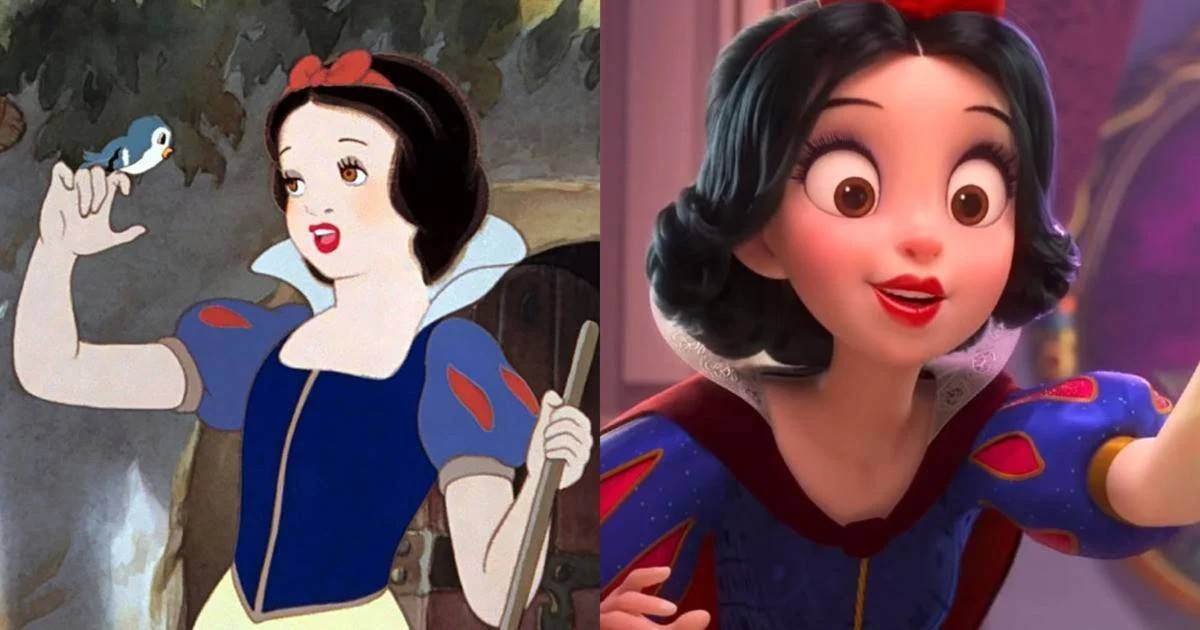
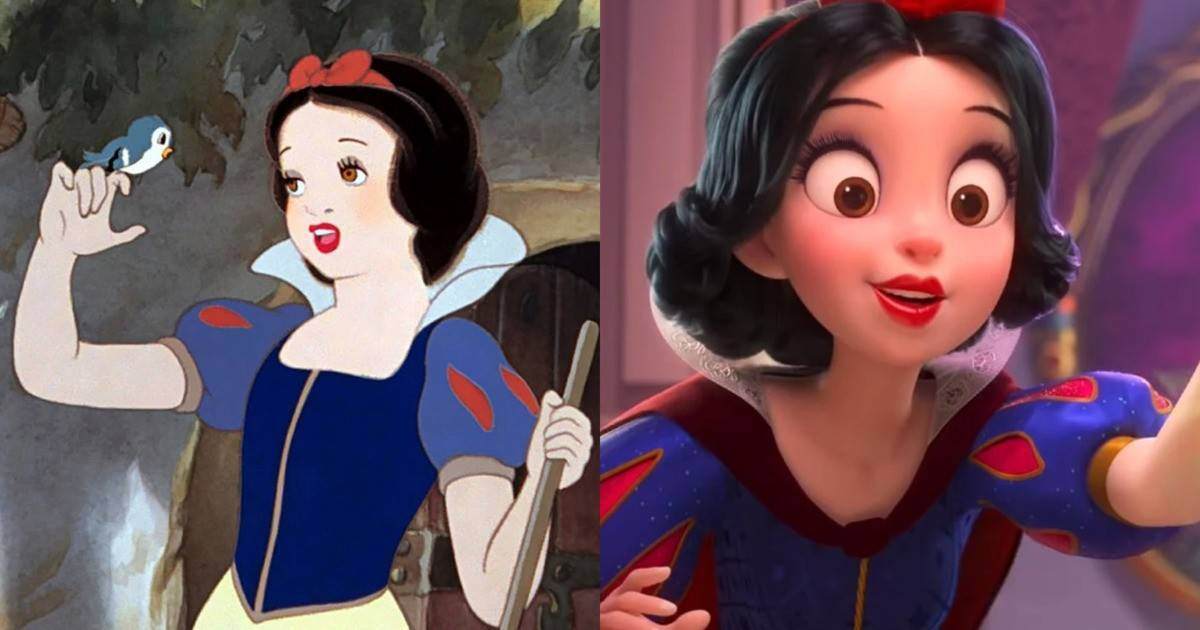
Ever wondered how the breathtaking worlds of blockbuster animated films or the fluid mechanics of your favorite video games are birthed from a simple idea? The magic behind the screen is not accidental; it is the result of a meticulously structured, highly technical, and deeply creative journey known as the animation pipeline. Whether you are a fan of traditional 2D artistry or cutting-edge 3D VFX, understanding this workflow is the foundational key to unlocking a career in the creative industries.
The animation pipeline is the backbone of production, encompassing every stage from the initial spark of conception to the final, polished delivery. By breaking down this complex process into three primary phases—Pre-production, Production, and Post-production—studios ensure that stories are told with clarity, efficiency, and artistic cohesion.
The Foundation: Pre-Production and the Architecture of Story
Pre-production is the "blueprinting" phase. It is here that the narrative’s DNA is written and the visual language of the world is established.
Ideation and the Power of Scripting
Every great animation begins with a concept. This phase involves intensive brainstorming, where writers draft scripts that dictate dialogue, scene descriptions, and emotional beats. Unlike traditional literature, animation scripts must account for visual movement. Whether a writer takes a linear approach or focuses on "hero moments" first, the goal remains the same: a clear narrative roadmap. Following industry-standard formatting is essential here, as it allows directors, storyboard artists, and producers to communicate effectively without ambiguity. Feedback loops at this stage are critical—identifying a plot hole in a script is infinitely cheaper than fixing it after the animation has been rendered.
Concept Art and the Visual Identity
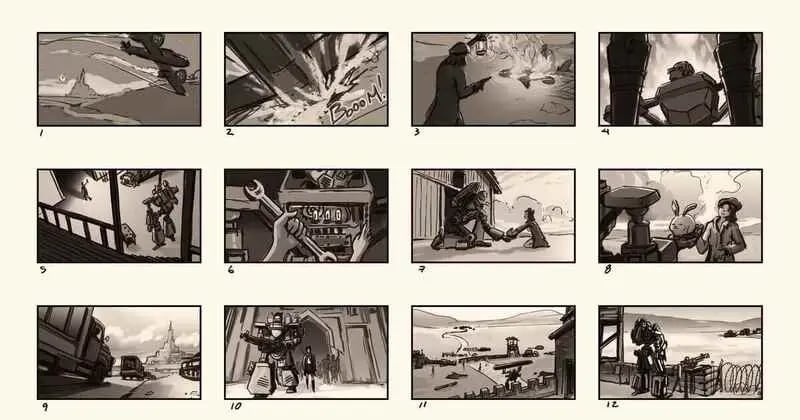
Once the story is locked, concept artists step in to breathe visual life into the text. They define the "look and feel"—the lighting, color palettes, costume designs, and architectural styles. Simultaneously, storyboard artists translate these scripts into rough, sequential frames. These sketches are the first iteration of the film, dictating camera angles, pacing, and character blocking. They serve as the definitive guide for animators, ensuring that when the project moves into production, every team member understands exactly what is happening in a specific frame.
Character Design: Building Personalities
Character design is a delicate blend of aesthetics and psychology. Designers must consider a character’s backstory, origin, and role in the story to dictate their physical appearance. For 2D projects, artists often create "turnarounds"—drawings of the character from multiple angles—to maintain consistency. In 3D, this is where the "digital puppet" is born. Once a character model is created, a "rig" is added, providing an internal skeleton that allows the animator to manipulate limbs and facial expressions, ensuring that the character moves in a way that feels natural, even in an impossible, animated world.
The Engine Room: The Production Process
With the blueprint in place, the production phase begins, where the raw, static elements are transformed into dynamic, moving sequences.
Layout and Environmental Staging
Layout is where the 3D environment or 2D background is constructed to match the storyboard’s vision. In 3D production, environment artists build the world, while animators manipulate the rigs within it. Digital cameras are introduced here, allowing directors to simulate pans, tilts, and zooms, adding a cinematic depth that grounds the animation in a realistic space.
2D vs. 3D: Divergent Paths
While the goal is the same, the mechanics differ significantly.
- The 2D Pipeline: This process relies heavily on the animator’s skill at drawing. Using traditional cel techniques (layering transparent sheets) or modern digital software, animators create keyframes that define major movements, then meticulously draw "in-betweens" to create smooth transitions.
- The 3D Pipeline: Here, the workflow relies on geometry and physics. Animators move rigs to create "blocking" poses. Instead of drawing every frame, they use mathematical curves (splining) to allow software to calculate movement between key poses. This efficiency allows for greater complexity in character detail and lighting.
Key Techniques: Blocking and Splining
Regardless of the medium, "blocking" is the essential first step in production. It defines the major poses of a scene to establish the timing and flow. Once the major action is set, "breakdowns" are added to flesh out the arc of movement. In 3D animation, the "splining" process allows for a fluid, realistic motion, while in 2D, the artist’s hand-drawn "in-betweens" provide the organic, stylized feel that defines traditional animation.
Refinement: Post-Production and Final Output
Once the animation is "locked," it enters post-production, where the technical and artistic finishing touches turn a collection of shots into a unified cinematic experience.
Compositing: The Art of Layering
Compositing is the "glue" of the animation pipeline. Whether it is layering 3D render passes (lighting, shadows, reflections) or combining hand-drawn 2D characters with digital backgrounds, the compositor ensures that every element feels like it belongs in the same space. In modern workflows, VFX artists also use simulation software to add realistic elements like fire, water, and fabric movement, grounding the animation in physical reality.

Sound Design and Music Integration
Sound is the invisible layer that dictates emotional impact. Foley artists create physical sounds—footsteps, rustling clothes, the swoosh of a sword—while voice actors provide the personality. When integrated with a musical score, these elements create an immersive atmosphere that elevates the visuals from mere motion to storytelling.
Rendering and Final Delivery
Rendering is the final, computationally heavy step. It converts the 3D geometry, textures, and lighting into the final image sequence. This stage requires immense hardware power and is the moment where the quality of the production is solidified. Once rendered, the project is color-graded and exported into the specific format required for cinema, streaming, or gaming platforms.
Navigating Challenges in the Pipeline
Despite the standardization of the pipeline, production is rarely linear. Common challenges include:
- Communication Silos: When departments fail to sync, errors propagate quickly. Standardized file naming and regular "dailies" (feedback sessions) are the industry-standard solutions to this.
- Scope Creep: Adding new features mid-production can break the budget and timeline. Maintaining a strict adherence to the approved storyboard is essential.
- Technical Constraints: Rendering times and computational loads can bottleneck progress. This is why "low-poly" (simplified) models are used during the blocking phase to allow for rapid iteration.
Implications: The Future of Animation Careers
The animation industry is rapidly evolving, with AI and real-time engines like Unreal Engine changing how pipelines are structured. However, the core principles remain unchanged. A successful animator is not just a software expert; they are a storyteller who understands the entire process.
Industry veterans, such as those mentored at CG Spectrum, emphasize that the most valuable skill a student can develop is an understanding of the entire pipeline. Knowing how your animation will be composited, how it will be rendered, and how it will be sound-designed makes you a more effective, versatile, and employable artist.
Conclusion: Your Path Forward
Mastering the animation pipeline is a marathon, not a sprint. It requires patience, technical proficiency, and a relentless focus on the story. By streamlining workflows and fostering a culture of clear communication, studios—and individual creators—can consistently produce high-quality work that resonates with audiences globally.
If you are looking to turn your passion for animation into a professional career, remember: the pipeline is your map. Study it, respect it, and eventually, learn how to innovate within it. Whether you dream of working on the next big feature film or a cutting-edge video game, your journey begins by understanding how a simple idea is transformed into the moving image.
Ready to start? The industry is always looking for the next generation of creative problem-solvers. With the right mentorship and a commitment to learning the full production cycle, your seat at the studio table is well within reach.
