
Survival, Soul, and Starlight: A Review of David Ayer’s Heart of the Beast (2026)
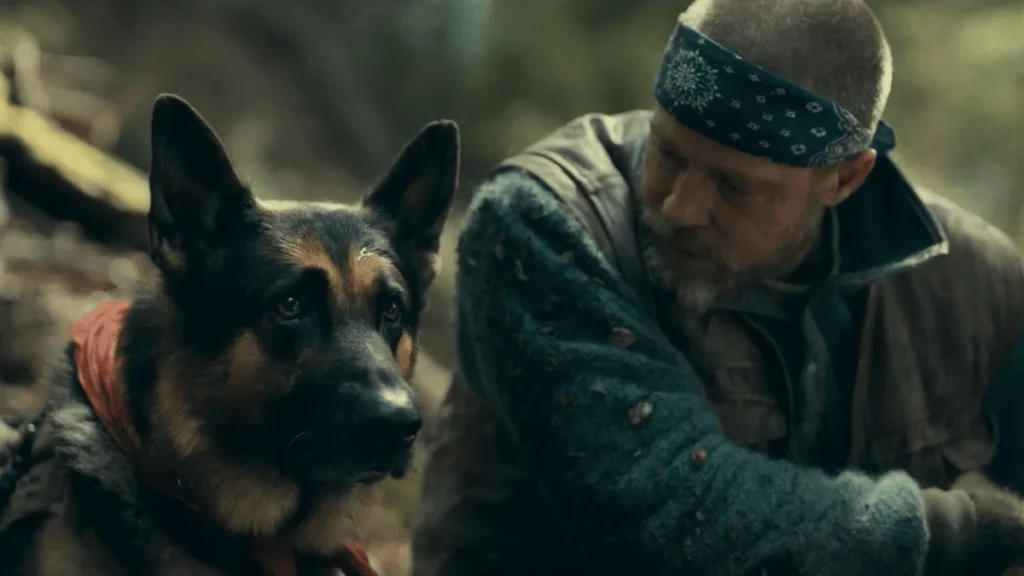
In an era of cinema often dominated by sprawling CGI spectacles and franchise fatigue, David Ayer’s Heart of the Beast (2026) arrives as a stark, visceral reminder of the power of grounded, character-driven storytelling. Anchored by a powerhouse performance from Brad Pitt, the film serves as both a harrowing survival drama and a profound meditation on the unspoken, symbiotic bonds that form between man and animal. With a screenplay by Cameron Alexander, the film navigates the treacherous terrain of the Alaskan wilderness, but it is the internal geography of its protagonist—a man haunted by his past—that truly commands the screen.
Main Facts: A Return to Form
Heart of the Beast is, at its core, a testament to the enduring craft of Brad Pitt. Playing James Belmont, a Special Forces veteran struggling with the silent echoes of combat, Pitt delivers a performance that strips away the vanity often associated with A-list stardom. He is joined by an ensemble cast that includes the ever-reliable J.K. Simmons, Anna Lambe, Justin Melnick, and Shaun DeZern.
The film follows the harrowing journey of Belmont and his canine companion, Odin, after a plane crash leaves them stranded in the unforgiving Alaskan backcountry. Beyond the physical survival narrative, the film explores themes of trauma, PTSD, and the redemptive nature of companionship. With an 8/10 rating, the film stands as a critical success, highlighting Ayer’s ability to balance high-octane suspense with delicate, emotional character work.
Chronology of the Narrative
The film opens with a framing device that immediately establishes a sense of mystery and urgency. Amber (Anna Lambe) discovers the combat dog, Odin, wandering alone on a desolate road. This discovery serves as the catalyst for a flashback-heavy narrative that peels back the layers of Belmont’s life.
The Inciting Incident
We are transported back to the days leading up to the disaster. Belmont is seen navigating a life of isolation, his bond with Odin serving as the only tether to his sanity. The transition from their quiet existence to the chaos of the plane crash is masterfully executed. When a violent Alaskan storm forces their aircraft down, the narrative shifts gears into a pure survivalist mode.
The Wilderness Odyssey
The middle act of the film is a masterclass in tension. Stripped of modern comforts and faced with the reality of a heart condition that threatens to end his life at any moment, Belmont must rely on his veteran instincts and his dog’s unwavering loyalty. From the terrifying, high-stakes crossing of a fallen log over a jagged ravine to the heart-pounding encounter with a grizzly bear, the film refuses to give its audience a moment to exhale.
The Resolution
The culmination of their journey is both physically exhausting and emotionally devastating. The final sequences, which reveal the ultimate fate of the pair, offer a resolution that is as surprising as it is cathartic. It is a finale that demands the audience confront the fragility of life and the strength found in the "heart of the beast."
Supporting Data and Production Insight
The production of Heart of the Beast was a logistical undertaking that required as much discipline as the characters themselves. According to production notes, the role of Odin was portrayed by multiple highly trained dogs. The seamless integration of these performances is a triumph of editing and animal training, creating the illusion of a singular, sentient companion that anchors the entire film.
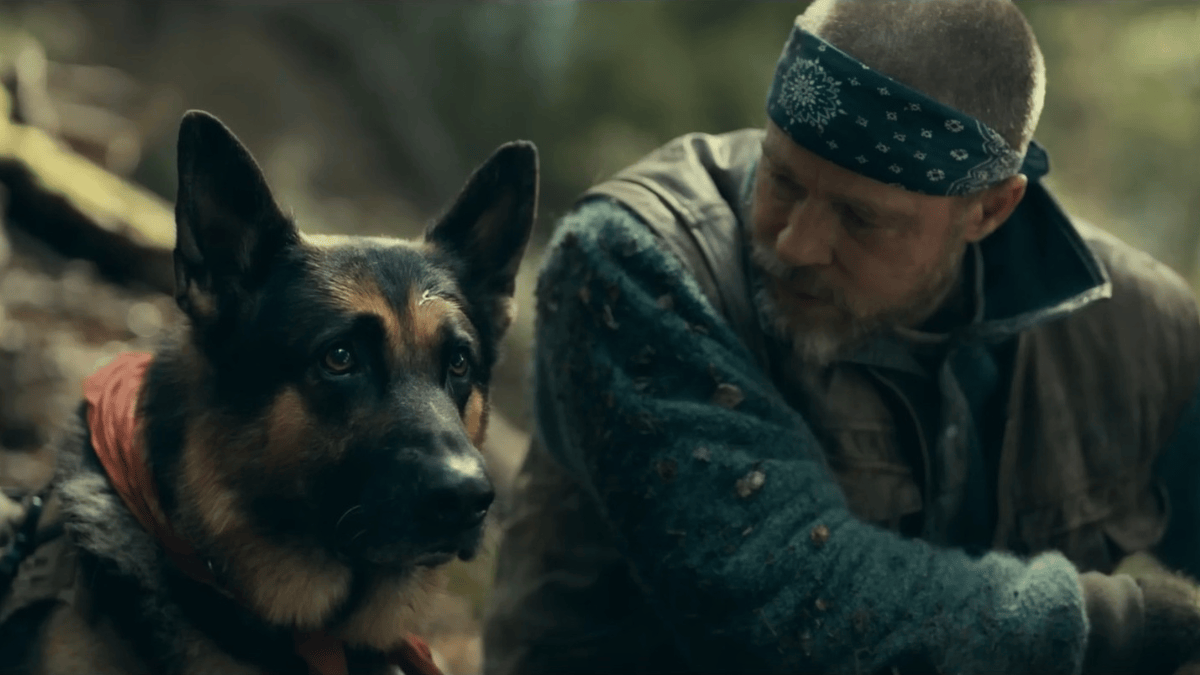
The chemistry between Pitt and the canine performers is palpable. In interviews, Ayer has noted that the challenge for Pitt was to communicate vast amounts of information—regret, fear, and love—without the crutch of dialogue. This silence allows the audience to project their own emotions onto the relationship, making the stakes of every jump, climb, and swim feel intensely personal.
The Role of the Supporting Cast
While the film belongs to the man and his dog, J.K. Simmons’ brief but pivotal appearance as the enigmatic Watkins provides a vital anchor to the story. Their interaction is a fleeting moment of humanity in a landscape of indifference. Simmons’ ability to convey a lifetime of weariness in just a few minutes of screen time provides the necessary gravity to justify Belmont’s mission. It is a reminder that even in the most solitary of survival stories, we are shaped by the people—and the memories—we carry with us.
Implications: The Psychological Landscape
Heart of the Beast does not shy away from the darker implications of its premise. By integrating vivid, jarring flashbacks, the film provides context for the PTSD suffered by both man and dog. These sequences are not mere plot devices; they are essential to understanding why Belmont and Odin are the way they are.
The film implies that for those who have served in high-conflict environments, the "wilderness" is not just a place on a map—it is a state of mind. The survival of the body in the Alaskan cold is a metaphor for the survival of the soul in the aftermath of war. The film suggests that while the scars of the past may never fully fade, they can be managed through the pursuit of a common goal and the presence of a loyal witness to one’s life.
A Cinematic Triumph: Why It Matters
In an era where audiences are increasingly turning to home streaming, Heart of the Beast makes a compelling case for the theatrical experience. The scale of the Alaskan landscape, captured with sweeping, cold-toned cinematography, demands the immersion of the big screen.
The film’s success also has broader implications for the industry. It proves that there is still a massive, hungry audience for "mid-budget" dramas that rely on star power and strong direction rather than franchise IP. Brad Pitt’s commitment to this role—a physically demanding, emotionally grueling part—reaffirms his status as a premier actor who is more interested in the craft of storytelling than the comfort of a blockbuster paycheck.
Final Reflections
Heart of the Beast is a film that lingers long after the credits roll. It is a rare piece of art that succeeds on two distinct levels: as a gripping, pulse-pounding survival thriller, and as a quiet, tear-jerking portrait of a bond that transcends language.
For the viewer, the takeaway is clear: we are all defined by our experiences and our skillsets, but we are sustained by our connections. As we witness James and Odin navigate the brutal, unforgiving beauty of the north, we are reminded that sometimes, the only thing keeping us from the edge is the heartbeat of another.
Critical Reception
Critics have largely praised the film for its restraint. Where other directors might have opted for overwrought melodrama, David Ayer opts for a lean, efficient, and deeply effective style. The pacing is deliberate, the cinematography is breathtaking, and the emotional payoff is earned through every hardship endured by the protagonists.
If you are looking for a film that challenges your nerves and touches your spirit, Heart of the Beast is the standout achievement of the season. It is a poignant, gritty, and ultimately beautiful reminder of why we go to the movies in the first place: to see ourselves reflected in the struggle, and to find hope in the resolution.
Rating: 8/10
What are your thoughts on Heart of the Beast? Does the survival genre still hold the same power for you, or are you looking for something different from modern cinema? Join the conversation in the comments below.
