
The Crucible of Creativity: Inside the High-Stakes World of Emergency Screenwriting
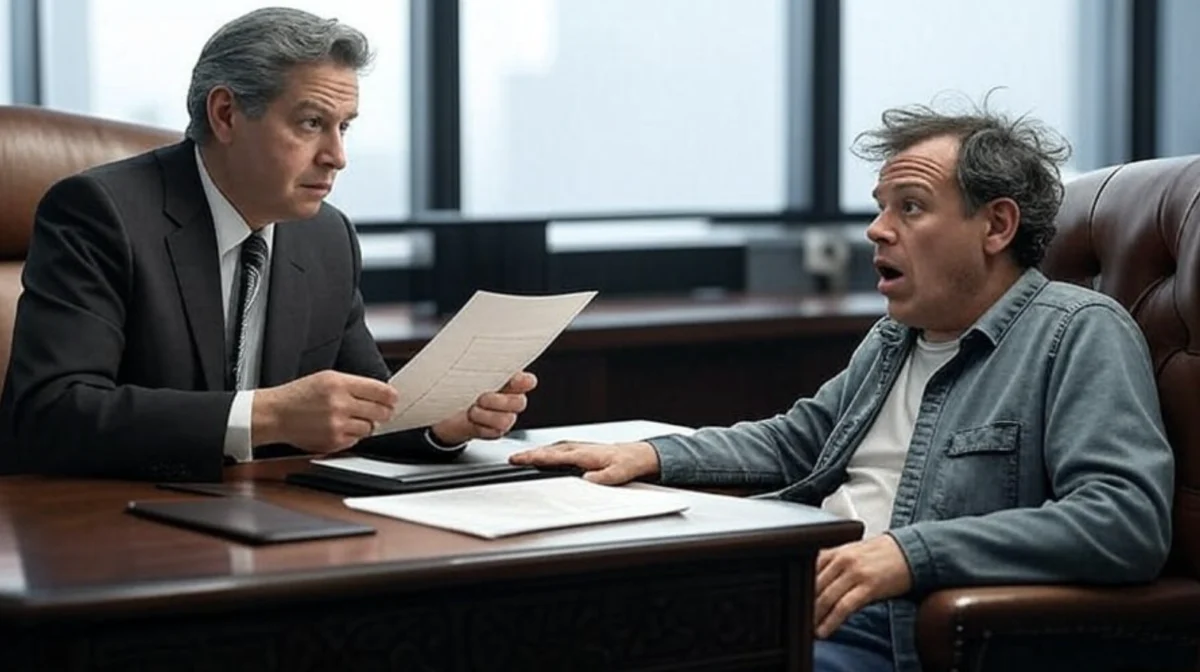
In the high-pressure ecosystem of Hollywood, where a single script can determine the fate of millions of dollars in capital, the difference between a greenlit blockbuster and a project destined for the "Hollywood shredder" often comes down to a matter of days. For screenwriter Jake Suleman, the reality of this volatile industry hit home when he was handed a seven-day ultimatum to salvage his feature film, The Great Starlight Heist.
What follows is an analysis of the psychological and tactical challenges inherent in emergency script doctoring, a process that separates amateur writers from professional storytellers capable of delivering under duress.
The Anatomy of an Emergency: A Chronology of the Rewrite
The crisis began in a corner office in Burbank. Producer Marty Kieffer, whose reputation for volatility is matched only by his keen eye for commercial viability, delivered a scathing assessment of Suleman’s draft.
"The second and third acts are weak," Kieffer reportedly stated, setting a one-week deadline. "Fix it. One week. Or your name’s mud, and the backers will take a walk."
For a writer on his first sold project, the stakes could not have been higher. The following chronology outlines how the revision was executed under extreme time constraints:
- Day 1: The Panic Threshold. Suleman initially faced a total psychological blockade. The "blank page" syndrome was compounded by the existential threat of failure. He utilized controlled breathing techniques—a method commonly employed by high-performance athletes—to regulate his autonomic nervous system and prevent a full-blown panic attack.
- Day 2: Structural Decomposition. Recognizing that the 60-page abyss was paralyzing, Suleman opted for "modular writing." By breaking the script into individual scenes and focusing on the inciting incident of the second act—the hijacking of a billionaire’s space yacht—he transformed an insurmountable mountain into manageable molehills.
- Day 3-4: Digital Isolation. Distractions were identified as the primary adversary. Utilizing internet-blocking applications and airplane mode, Suleman implemented a strict environment control protocol. During this phase, he also reached out to industry peers for perspective, utilizing the "write the dumbest version first" technique to bypass the perfectionist’s block.
- Day 5-6: Routine and Ritual. By treating the creative process as a standard 9-to-5 labor cycle, Suleman maintained momentum. He utilized "freewriting" sessions—unfiltered, non-linear exercises—to break through narrative stalemates.
- Day 7: The Final Push. The final 24 hours were defined by high-intensity output, fueled by a structured soundtrack and the mantra: "Done is better than perfect." At 4:30 p.m., the revised script was delivered, meeting the deadline with only 30 minutes to spare.
The Psychology of High-Stakes Performance
The case of The Great Starlight Heist serves as a textbook example of "flow state" management. Psychologists often point to the "Yerkes-Dodson Law," which suggests that performance increases with physiological or mental arousal, but only up to a point. When the pressure becomes too high, performance declines.
Suleman’s strategy for mitigating this decline involved three distinct pillars:
- Reframing the Adversary: By viewing the producer not as a career-ending threat but as a demanding stakeholder with a specific goal, Suleman successfully reduced his cortisol-driven "fight or flight" response.
- Tactical Constraints: The use of "time-boxing"—setting a timer for ten-minute intervals—forces the brain to focus on immediate execution rather than long-term anxiety.
- Physical Integration: Regular, short-duration movement breaks served to disrupt the loop of intrusive thoughts, providing the cognitive reset necessary for creative problem solving.
Supporting Data: Why Scripts Fail and How They Are Saved
Industry data suggests that the "rewrite" phase is the most critical stage of the production cycle. According to internal reports from major studios, over 70% of scripts that move into production undergo significant structural changes after the initial sale. Common reasons for this include:
- Pacing Issues: Scripts often suffer from "sagging mid-sections," where the second act fails to maintain the narrative tension established in the first.
- Character Arc Inconsistency: A disconnect between the protagonist’s internal motivations and their external actions frequently necessitates a total overhaul of the climax.
- Market Alignment: Changes in the competitive landscape or shifts in audience interest can force producers to pivot a script’s tone or stakes within a matter of days.
Official Responses and Industry Standards
In the wake of his successful delivery, Suleman’s experience highlights a growing trend in the entertainment industry: the reliance on professional script doctoring and emergency rewrite services. While some writers choose to face these challenges in isolation, many production houses now maintain a stable of "ghostwriters" and "script surgeons" who specialize in rapid-turnaround narrative repair.
Industry experts note that the ability to perform under a deadline is perhaps the most valued skill in a screenwriter’s arsenal. "A good script that is delivered on time is infinitely more valuable to a production company than a masterpiece that misses the window of opportunity," says one veteran studio executive.
Implications for the Future of Filmmaking
The narrative surrounding Suleman’s experience underscores a harsh truth: the artistic process in Hollywood is rarely a solitary, romantic journey. It is a collaborative, industrial process that demands clinical precision, iron-clad discipline, and the ability to detach one’s ego from the work.
For independent producers and studios, the implication is clear: when a project is stalled, the cost of inaction is far greater than the cost of intervention. The rise of specialized agencies, such as Ghostwriters Central, reflects this shift. Since 2002, such services have provided emergency priority screenwriting and script doctoring to ensure that narrative deficiencies do not result in the total abandonment of a production.
As the industry continues to accelerate, the "lone wolf" writer is increasingly being replaced by agile, deadline-oriented professionals who understand that writing is not just about inspiration—it is about execution. Whether through personal discipline or external professional aid, the ability to turn a failed draft into a viable production remains the singular metric of success in the film industry.
For those currently staring down the barrel of a looming deadline, the lessons from the Venice Beach apartment are clear: segment the work, control the environment, and above all, prioritize completion over perfection. The sandcastle may be built in a day, but in the world of film, that is exactly how long you have to make your mark.
