
CD Projekt Red Bridges Its Iconic Universes: The Witcher 3 Remaster Crosses Over With Cyberpunk 2077 as The Witcher 4 Prepares for 2028
By Industry News Desk
Published September 30, 2026
Main Facts
In a surprise crossover event bridging two of the biggest modern video game franchises, Polish developer CD Projekt Red has officially announced a crossover perk between The Witcher 3: Wild Hunt and its dystopian sci-fi epic, Cyberpunk 2077.
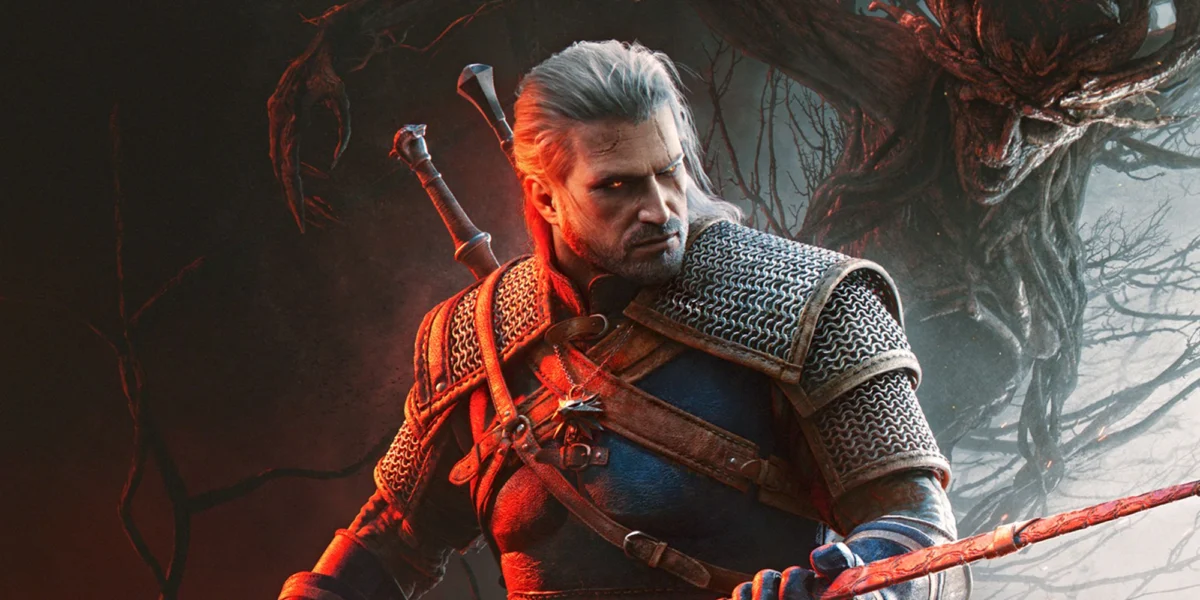
Following the rollout of a comprehensive, next-generation remaster of The Witcher 3 for current-gen platforms such as the PlayStation 5 and Xbox Series X|S, the studio revealed that players who own both titles will unlock exclusive cross-promotional cosmetic items. Specifically, owners who link or verify their game ownership will receive a custom, Cyberpunk 2077-inspired hairstyle for series protagonist Geralt of Rivia, alongside a stylized Wolf bandana pulled straight from the neon-drenched streets of Night City.
While CD Projekt Red has traditionally kept its flagship fantasy and sci-fi universes strictly segregated since Cyberpunk 2077’s rocky 2020 launch, this unexpected crossover serves as a celebratory nod to the studio’s massive community. It arrives alongside confirmation that The Witcher 3—originally released to critical acclaim in 2015—will receive its final DLC expansion, titled Songs of the Past, next year.
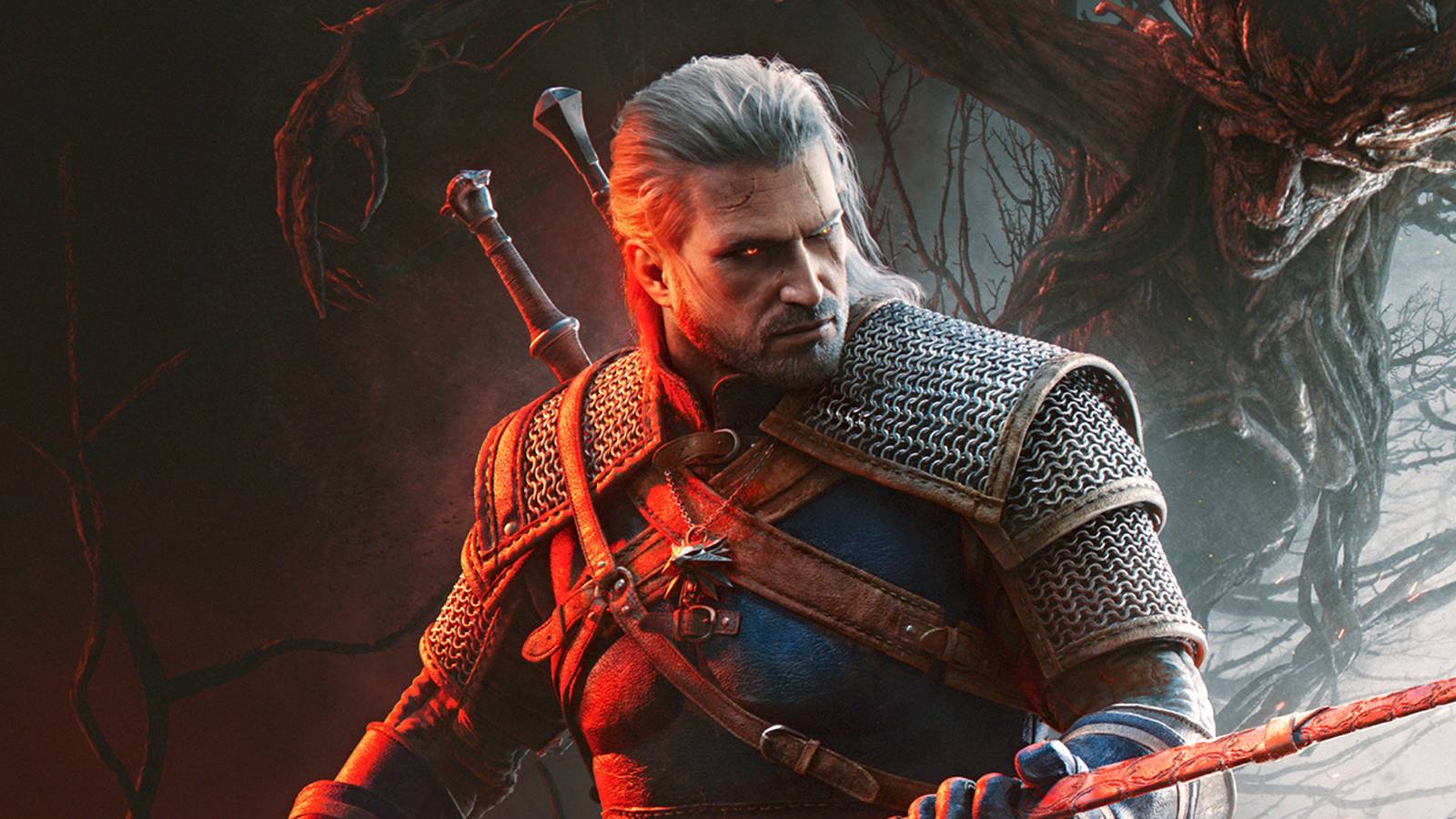
These developments pave the way for the studio’s monumental upcoming release, The Witcher 4, which is officially slated to launch in 2028. The upcoming title marks a massive paradigm shift for the franchise, stepping away from the iconic White Wolf to focus on his talented protégé, Ciri. Meanwhile, development on the sequel to Cyberpunk 2077—internally referred to as Cyberpunk 2—continues behind closed doors with hundreds of developers hard at work.
Chronology: A Timeline of CD Projekt Red’s Modern Era
To fully understand the weight of this crossover and the studio’s current trajectory, it helps to retrace the critical milestones that have shaped CD Projekt Red over the past decade:
- May 2015: The Witcher 3: Wild Hunt launches worldwide to universal critical acclaim, eventually securing hundreds of Game of the Year awards and establishing a gold standard for open-world narrative role-playing games.
- December 2020: Cyberpunk 2077 debuts as one of the most anticipated titles of the generation. However, severe technical issues, performance bugs on last-generation consoles, and optimization failures lead to a disastrous launch, forcing the studio into years of damage control and public remediation.
- December 2022 – September 2023: CD Projekt Red rolls out the major Next-Gen Update for The Witcher 3, bringing Ray Tracing, performance upgrades, and quality-of-life additions. Shortly after, the studio releases the critically praised Cyberpunk 2077: Phantom Liberty expansion alongside the transformative Update 2.0, successfully redeeming the sci-fi RPG’s reputation.
- Late 2026: CD Projekt Red launches a brand-new, comprehensive remaster of The Witcher 3 for next-generation consoles (PS5 and Xbox Series X|S). Simultaneously, the studio drops the unexpected cross-universe update, introducing Cyberpunk 2077-themed cosmetics to the fantasy realm.
- 2027 (Upcoming): The studio plans to release the final planned DLC for The Witcher 3, titled Songs of the Past.
- 2028 (Projected): The Witcher 4 is scheduled to launch, introducing players to a brand-new saga centered on Ciri as the primary protagonist.
Supporting Data & Production Metrics
CD Projekt Red’s operational capacity has expanded exponentially since the launch of The Witcher 3 over a decade ago. The studio’s current development pipeline highlights a massive multi-project strategy that splits its workforce across multiple high-budget AAA titles.
- The Witcher 4 Pipeline: The next installment in the fantasy franchise is being developed using Unreal Engine 5, representing a technological pivot away from the proprietary REDengine used for The Witcher 3 and Cyberpunk 2077. Hundreds of core developers are currently stationed on this project to meet the 2028 release window.
- Cyberpunk 2 Development: Despite the heavy emphasis on fantasy, CD Projekt Red’s ongoing commitment to its sci-fi intellectual property remains robust. Reports indicate that a substantial workforce—consisting of several hundred developers—is actively iterating on the preliminary stages and production pipeline of the Cyberpunk 2077 sequel.
- Longevity of Legacy Titles: The Witcher 3 continues to defy industry standards for player retention. Over a decade after its initial release, the game continues to receive technical enhancements, hardware optimizations, and specialized content drops, proving that CD Projekt Red’s foundational fantasy asset remains a vital commercial and cultural pillar.
Official Responses and Industry Context
Speaking through official social media channels, representatives for CD Projekt Red confirmed the crossover mechanics, emphasizing that the studio wanted to reward dedicated players who have journeyed through both of their landmark universes.

While major narrative integration between the worlds of The Witcher and Cyberpunk remains purely aesthetic—largely due to Easter eggs like Ciri’s famous passing reference to traveling through space-time portals in The Witcher 3—fans have long speculated about deeper lore connections. CD Projekt Red executives have consistently maintained that the universes are mechanically separate, yet the studio has never shied away from dropping subtle winks and nods between its flagship properties.
Industry analysts view this crossover as a masterclass in community engagement. By tying the longevity of The Witcher 3 directly to the ecosystem of Cyberpunk 2077, the developer successfully keeps both intellectual properties at the forefront of gaming discourse while anticipation mounts for the 2028 arrival of The Witcher 4.
Implications for the Future of CD Projekt Red
The intersection of these updates carries profound implications for the studio’s strategic future:
- Transition to Unreal Engine 5: Moving away from internal tools to Epic Games’ Unreal Engine 5 for The Witcher 4 marks a monumental shift in how CD Projekt Red builds games. The operational efficiency gained from this transition is expected to streamline future multi-platform releases, including the eventual Cyberpunk sequel.
- Passing the Torch: Shifting the narrative focal point from Geralt of Rivia to Ciri in The Witcher 4 is a high-stakes narrative gamble. Geralt is widely regarded as one of the most iconic protagonists in video game history. How the community embraces Ciri as the solo lead will dictate the trajectory of any subsequent fantasy sequels.
- Restored Consumer Trust: The rocky redemption arc of Cyberpunk 2077 taught CD Projekt Red invaluable lessons regarding project management, transparency, and launch readiness. The meticulous rollout of current-generation remasters, careful pacing of upcoming DLCs like Songs of the Past, and realistic scheduling for 2028 indicate a mature, more disciplined studio culture.
As the industry looks ahead to the remainder of the decade, CD Projekt Red remains positioned at the absolute apex of AAA role-playing game development. Fans waiting for The Witcher 4 or the Cyberpunk 2077 sequel can rest assured that the studio is actively building bridges between its past triumphs and its ambitious future.
