
Bridging the Gap: How US Foods is Redefining B2B Experiential Marketing
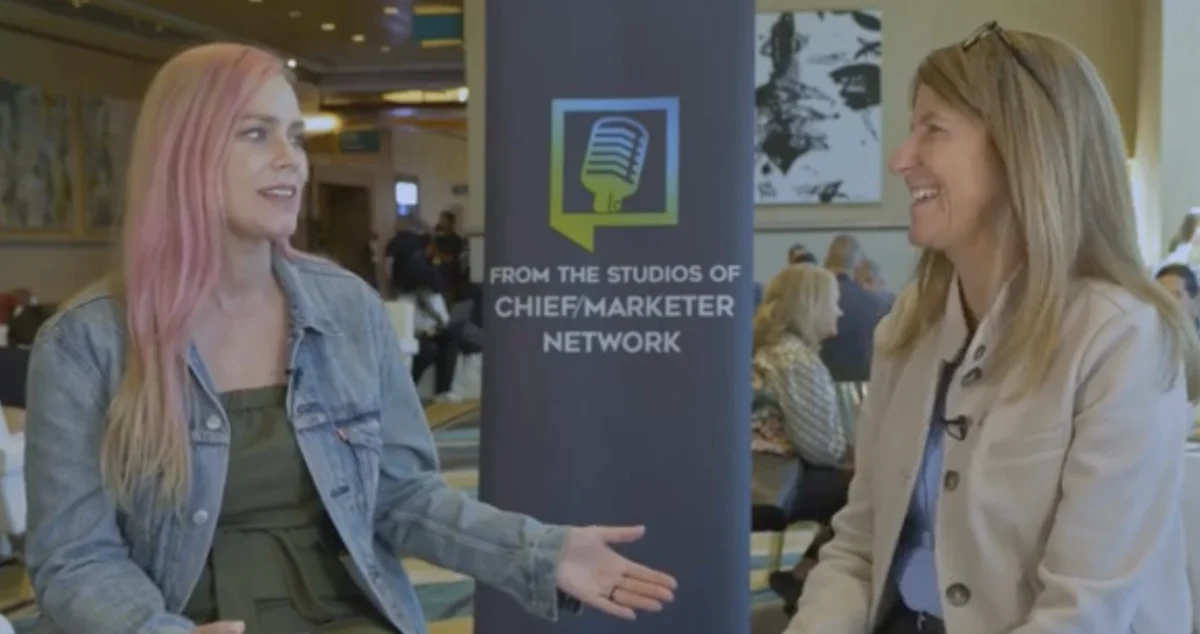
In the high-stakes world of B2B food distribution, where the bottom line is often dictated by logistics, supply chain efficiency, and razor-thin margins, marketing can easily be relegated to a secondary function. However, Diane Hund, SVP and Chief Marketing Officer at US Foods, is challenging that paradigm. During the recent Experiential Marketing Summit (EMS), Hund sat down with Chief Marketer to discuss how US Foods is leveraging experiential marketing to transcend the traditional "vendor-distributor" relationship, turning food shows into high-ROI engines of customer acquisition and retention.
The Strategic Pivot: Beyond the Product List
US Foods is a titan of broadline distribution, managing an immense network that sources products from hundreds of vendors and delivers them to hundreds of thousands of operators, including chefs, restaurant owners, and hospitality professionals. For a company of this scale, the challenge is not just distribution; it is differentiation.
"To be really compelling with these chefs and operators, we’ve got to bring them more than just a list of products," Hund explains. "They’ve got to feel it, taste it, experience it to really want to connect with the food that we’re selling."
This realization has led US Foods to prioritize experiential channels. The company’s food shows are no longer just displays of inventory; they are curated environments designed to bring the brand’s entire value proposition—quality products, innovative technology, and reliable logistics—to life. By integrating these disparate elements into a cohesive, tactile experience, US Foods is moving away from transactional sales toward a more holistic partnership model.
Chronology of a Reinvention: A Two-Year Journey
The current state of US Foods’ events is the result of a deliberate, two-year strategic overhaul. Roughly 15 years ago, US Foods was an industry pioneer, setting the standard for food show formats. However, as the market evolved and customer expectations shifted, leadership recognized that their legacy model had become stagnant.
The "reinvention" journey began by looking outside of the food industry for inspiration. Partnering with experiential agency EA, the US Foods team attended HubSpot’s Inbound—an event renowned for its innovative approach to engagement and community building.
"When we saw that, we were hooked," says Hund. "We realized this was the breakthrough we needed. Going outside your industry to get experiences from other areas was the catalyst to help us fundamentally rethink how our food shows should show up."
This cross-pollination of ideas allowed US Foods to dismantle the traditional "booth-and-aisle" format, replacing it with a design language that prioritizes customer journey and educational engagement.
Outcome-First Design: The ROI Mandate
In today’s climate, no marketing initiative—no matter how creative—is immune to the scrutiny of the C-suite. Hund is vocal about the necessity of an "outcome-first" design framework.
"When you design these events, you are on the hook for a positive ROI," she notes. "You can’t help but design it with an outcome in mind."
Key Performance Pillars
For US Foods, the success of an event is measured through three distinct business outcomes:
- Share of Wallet: Encouraging existing customers to sample, taste, and purchase products they haven’t explored previously.
- Customer Acquisition: Converting prospects by providing a first-hand look at the company’s value proposition in a low-pressure, high-inspiration environment.
- Customer Longevity: Utilizing events as a retention tool, ensuring that attendees demonstrate higher lifetime value compared to non-attendees.
By designing the event floor around the "shopper’s journey," the team ensures that every interaction—from a cooking demonstration to a software walkthrough—serves a specific business purpose. The goal is to provide inspiration for chefs while simultaneously educating them on the technical tools that make their daily operations more efficient.
Aligning the Stakeholder Ecosystem
One of the most significant challenges in executing a massive event transformation is securing buy-in from external stakeholders—specifically the vendors and suppliers who fund and populate the event. Convincing these partners to invest in a new, unproven format was a hurdle that required transparency and vision.
Hund and her team employed a "visualization" strategy to bridge the gap. Six months before the new event launched, they invited key vendors to Las Vegas for a site walk-through. Standing in the middle of a cavernous, empty 200,000-square-foot floor, the team didn’t just talk about the strategy; they asked the vendors to imagine the future.
"We walked them into an empty space and said, ‘Imagine you filling this,’" Hund recalls. By making the vendors feel like co-architects of the new vision rather than just sponsors of a trade show, US Foods successfully aligned the entire ecosystem behind their new, outcome-driven goals.
Integrating Marketing Channels: The Trifecta
For a B2B organization of this size, the marketing mix is a delicate balance of three pillars:
- Events (In-Person): Used to build an initial emotional understanding of value and to spark the conversation.
- Digital: Leveraged to build frequency and sustain the message, particularly in post-event nurturing journeys.
- The Sales Force: A team of over 3,000 sellers who serve as the final point of contact, closing the loop and driving actual revenue.
The core challenge, according to Hund, is ensuring consistency across these channels. This is where the company’s latest campaign, "More," comes into play. The campaign focuses on three value pillars: More Quality (products), More Delivery (logistics), and More Tools (technology). By anchoring the events, digital content, and sales scripts in the same "More" narrative, US Foods ensures that the customer experience is seamless, regardless of the touchpoint.
Technological Implications: AI and Predictive Intelligence
The conversation inevitably turned to the role of Artificial Intelligence. US Foods is currently navigating the transition from theoretical experimentation to practical, revenue-generating implementation.
In the realm of predictive AI, the company is ahead of the curve. They are moving beyond traditional digital footprint analysis to look at the "menu intelligence" of their customers. By analyzing a restaurant’s menu, the company can predict what the operator needs to succeed—for instance, identifying a gap in their Caesar salad ingredients—and then proactively present them with the necessary products.
On the generative AI front, the marketing team is utilizing tools to scale content production, from photography to copywriting and video, effectively acting as a "force multiplier" for a lean creative team.
The Future CMO: Enabler and Steward
As the role of the Chief Marketing Officer evolves, Hund identifies two primary traits that are essential for success in the current climate.
First, radical proximity to the customer. "Once you lose sight of what a customer truly needs, I don’t think you can be an effective marketer anymore," she asserts. This is why she mandates that her event teams, not just her sales teams, spend time in the field visiting customer operations.
Second, the ability to act as an enabler. At the CMO level, the role shifts from direct execution to creating an environment where the team can thrive. By integrating the events team into broader strategic discussions, ensuring they understand the company’s core business problems, and empowering them to contribute to the overall marketing strategy, Hund has transformed her department into a unified, high-performing engine.
Conclusion
The evolution of US Foods’ marketing strategy serves as a blueprint for other B2B organizations. By treating experiential marketing not as a standalone tactic but as a core pillar of the business strategy, and by grounding that strategy in measurable outcomes, Diane Hund has demonstrated that even the most traditional industries can innovate. In a world where digital noise is at an all-time high, the ability to create meaningful, in-person, and value-driven connections remains the ultimate competitive advantage.
