
Sigma Unveils the FP2 Mirrorless Camera: Redefining Modular Hybrid Filmmaking and Photography
TOKYO — Sigma has officially announced the launch of the FP2 Mirrorless Camera, marking the highly anticipated second generation of its signature compact, modular full-frame camera system. Tailored for both high-end indie filmmakers and professional photographers, the FP2 builds directly upon the cult-classic status of the original fp while systematically addressing its most-cited limitations.
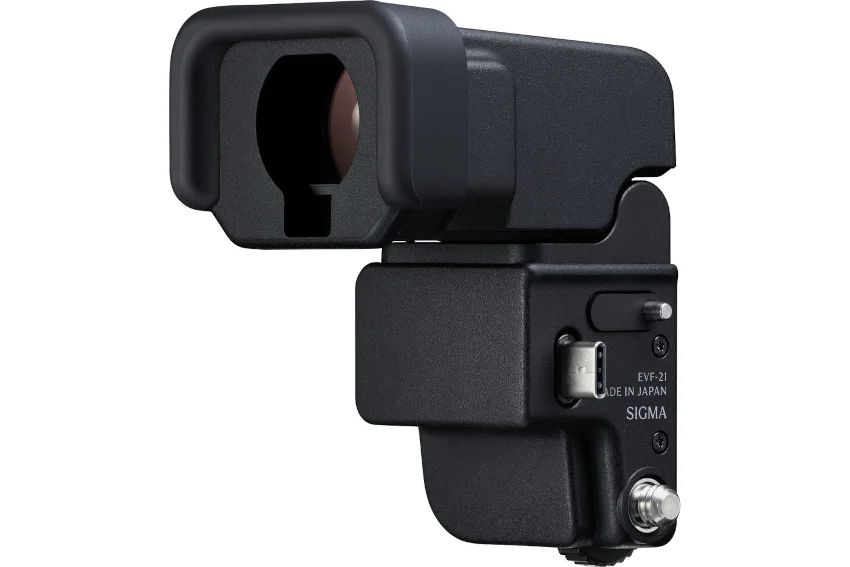
Featuring an updated 24.5-megapixel partially stacked CMOS sensor, groundbreaking 6K Open Gate RAW internal recording, a newly integrated tilting rear LCD, vastly improved autofocus capabilities, and 70GB of high-speed internal storage, the FP2 represents a monumental leap forward. Alongside the camera body, Sigma has also debuted the ultra-sharp 50mm f/1.4 CL DG Contemporary lens and the high-resolution EVF-21 Electronic Viewfinder, solidifying an ecosystem built for uncompromising creative flexibility.
Main Facts
The Sigma FP2 is designed to bridge the gap between pocket-sized portability and cinematic production capability. At its core is a newly engineered 24.5-megapixel partially stacked full-frame CMOS sensor that dramatically improves readout speeds over its predecessor. This architectural upgrade minimizes rolling-shutter artifacts during rapid panning or fast-action video capture, while simultaneously enabling continuous still shooting speeds of up to 20 frames per second.
For motion picture capture, the camera introduces uncropped 6K Open Gate RAW recording (utilizing the sensor’s full 3:2 aspect ratio). This format gives post-production teams the unprecedented freedom to re-frame, crop, or simultaneously export horizontal and vertical video deliverables from a single master file without sacrificing pixel fidelity.

The device supports industry-standard Apple ProRes RAW and ProRes RAW HQ, alongside Leica L-Log, delivering a stellar 14.1 stops of dynamic range—including a generous seven stops of highlight headroom when shooting at ISO 1250 and above. Audio capture has also entered the next generation with native 32-bit float audio recording, minimizing the risk of digital clipping on unpredictable live sound stages.
Housed in the iconic, rectangular, tool-free modular block design that defined the original fp series, the FP2 introduces crucial hardware upgrades requested by the community: a physical tilting rear LCD for complex low- and high-angle framing, 70GB of high-speed internal storage as a fallback or primary drive, dual USB-C ports, a full-size HDMI terminal, and a radically redesigned battery system that extends video runtimes to approximately 130 minutes per charge.
Chronology of Development: From the Original FP to the FP2
The journey toward the Sigma FP2 spans years of listening to user feedback, observing shifting industry standards, and redefining what a modern mirrorless hybrid can be.
2019: The Genesis of the FP Concept
When Sigma introduced the original fp in late 2019, it disrupted the imaging market. Touted as the world’s smallest and lightest full-frame mirrorless camera at the time, it pioneered a stripped-down, "scalable" box design. It omitted a mechanical shutter entirely, favored a cinematic workflow with native support for external ProRes RAW and Blackmagic RAW via HDMI, and catered heavily to the expanding drone and gimbal cinematography markets. However, purists noted several shortcomings: the lack of a mechanical shutter caused banding under certain artificial lights, autofocus tracking was rudimentary, battery life was notably brief, and the fixed rear screen made high- and low-angle monitoring challenging without external monitors.

2020–2023: Firmware Updates and the L-Mount Alliance
During the intervening years, Sigma attempted to patch these structural gaps via extensive firmware updates. The introduction of the sigma fp L in 2021 brought a high-resolution 61MP sensor but retained many of the ergonomic and autofocus constraints of the original body. Meanwhile, the L-Mount Alliance—forged between Leica, Sigma, and Panasonic—matured significantly, providing users with an expansive catalog of exceptional glass. Yet, filmmakers and hybrid shooters continued to demand a ground-up hardware revision that could compete directly with dedicated cinema line cameras from Sony, Canon, and Panasonic.
2025/2026: The Arrival of the FP2
Entering production with a newly designed sensor architecture, Sigma bypassed minor iterative updates. The development team focused on resolving the core complaints of the original system: upgrading the autofocus engine with deep-learning subject detection, engineering a partially stacked sensor to eliminate rolling shutter woes, introducing high-end internal codecs, and finally integrating a modular tilting mechanism into the rear display without increasing the camera’s minimal physical footprint.
Supporting Technical Data and Specifications
To understand the scope of the Sigma FP2, one must look closely at its technical architecture and performance metrics across both cinema and photography workflows:
- Sensor: 24.5MP Partially Stacked Full-Frame CMOS Sensor.
- Video Recording Formats: 6K Open Gate RAW (3:2 aspect ratio), Apple ProRes RAW, ProRes RAW HQ, and Leica L-Log.
- Dynamic Range: 14.1 stops total, with 7 stops of dedicated highlight headroom at ISO 1250+.
- Audio Architecture: 32-bit float internal audio recording compatibility.
- Autofocus System: Enhanced contrast- and phase-detection hybrid AF with advanced subject-detection algorithms and improved low-light acquisition.
- Still Photography Performance: Up to 20 fps continuous shooting.
- ISO Sensitivity Range: ISO 6 to 102,400 (including extended settings).
- Storage Options: 70GB built-in high-speed internal storage alongside standard card slots.
- Monitoring & Display: Tilting rear LCD screen designed for flexible rig configurations.
- Connectivity: Dual USB-C ports, full-size HDMI out, Wi-Fi, and Bluetooth.
- Battery Life: Rated for roughly 130 minutes of continuous video or 370 still images (a ~30% efficiency increase over the original fp).
- Companion Optics: Sigma 50mm f/1.4 CL DG Contemporary lens (8 elements in 6 groups, Rotary Direct Drive AF actuator, L- and E-mount).
- Modular Accessories: EVF-21 Electronic Viewfinder (0.5-inch OLED, 5.76 million dots), hot-shoe unit, specialized base plates, and DC adapters.
Official Responses and Industry Reception
Industry analysts and early-access beta testers have responded enthusiastically to Sigma’s strategic pivot with the FP2.

In an official statement accompanying the global launch, Sigma’s executive management emphasized their commitment to artistic freedom:
"When we designed the original fp, our goal was to democratize high-end cinema tools by stripping away the unnecessary bulk. With the FP2, we listened closely to our community of filmmakers and photographers who demanded uncompromised imaging performance without sacrificing our core philosophy of modular scalability. The inclusion of a partially stacked sensor, 6K Open Gate recording, and advanced autofocus transforms the fp series into an uncompromising powerhouse for modern hybrid creators."
Cinematographers and gear reviewers have echoed this sentiment, noting that the addition of 6K Open Gate RAW solves one of the most frustrating bottlenecks in modern content creation: the need to shoot separate takes for cinematic 16:9 widescreen and vertical social media platforms. By capturing the full 3:2 canvas simultaneously, directors of photography can deliver multi-format assets from a single shooting session with zero loss in resolution.
Implications for Filmmakers, Photographers, and the Market
The launch of the Sigma FP2 sends a strong signal to the broader digital camera market, where manufacturers increasingly try to lock users into heavy, closed-ecosystem camera bodies.

1. The Death of the Compromise in Hybrid Shooting
For years, creators forced to choose between nimble photography bodies and heavy cinema rigs had to make painful compromises. Cameras optimized for video often lacked ergonomic photo controls or high-speed continuous tracking, while pure photography powerhouses choked on thermal limits or lacked professional cinema codecs like ProRes RAW. By combining a 20 fps still capability with 6K Open Gate RAW and 32-bit float audio, the FP2 positions itself as a true multi-tool for solo shooters, documentary crews, and commercial content creators.
2. Strengthening the L-Mount Ecosystem
The simultaneous release of the Sigma 50mm f/1.4 CL DG Contemporary lens reinforces the viability of the L-Mount Alliance. As Leica, Panasonic, and Sigma continue to cross-pollinate lens lineups and bodies, users have access to an extraordinary array of optical choices. The FP2’s compact flange distance and universal modular mounting points mean it can easily integrate into legacy cinema setups using third-party adapters while remaining light enough for modern drone and gimbal operations.
3. Workflow Speed and Reliability
The integration of 70GB of high-speed internal storage alongside dual USB-C interfaces transforms how fast a crew can move on set. While external media remains vital for massive feature-length productions, internal storage provides an immediate safety net for run-and-gun documentary filmmakers who may drop frames or experience card errors during critical, unrepeatable moments. Furthermore, the inclusion of the optional EVF-21—featuring a breathtaking 5.76-million-dot OLED panel—ensures that bright outdoor daylight shooting is no longer a hindrance to precise manual focusing.
Ultimately, the Sigma FP2 proves that evolution does not require abandoning a product’s identity. By refining its internal technology while staying true to its architectural roots, Sigma has crafted one of the most compelling, versatile, and forward-thinking hybrid camera systems of the decade.
