
Uncovering the Truth: How the Documentary ‘Teenage Wasteland’ Merges 90s Nostalgia with High-Stakes Investigative Journalism
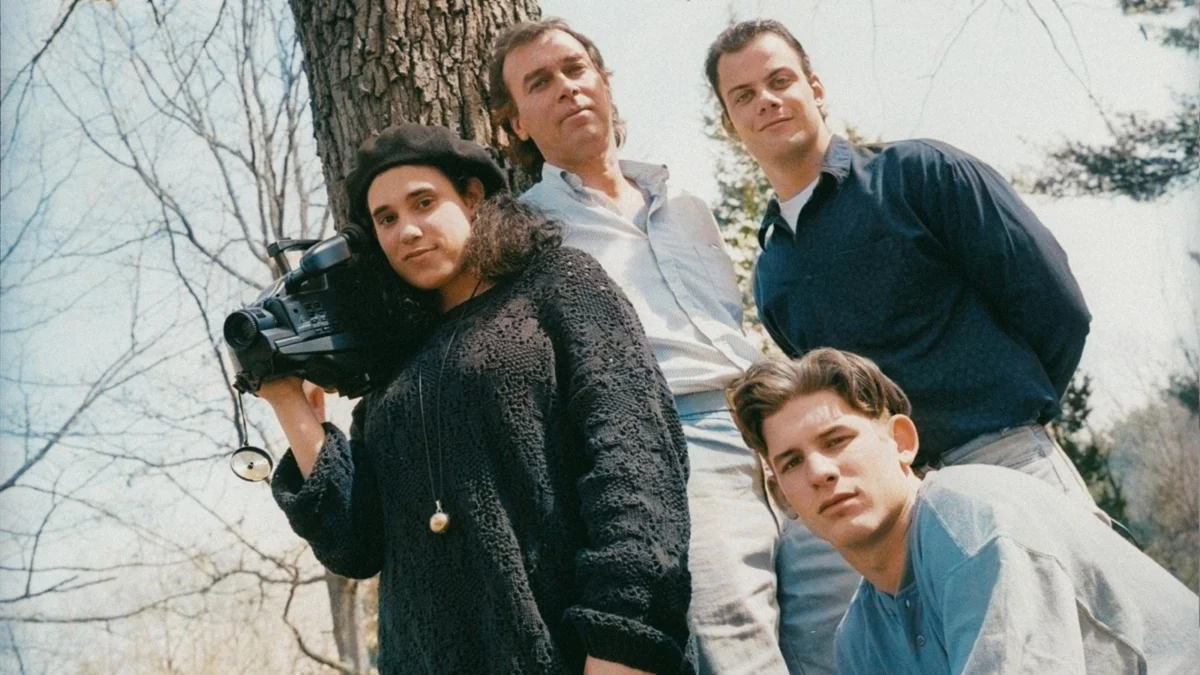
In an era where digital archives have turned the mundane lives of past generations into a form of cultural currency, the fascination with "analog" life—the pre-smartphone, pre-social media era—has reached a fever pitch. Modern teenagers, increasingly detached from the visceral reality of physical documentation, are scouring YouTube for grainy camcorder footage, seeking a glimpse into the raw, unpolished lives of high schoolers from the 1990s and 2000s.
It is within this cultural zeitgeist that a new documentary has emerged, currently streaming on Netflix, that satisfies this craving for nostalgia while simultaneously delivering a gripping, high-stakes conspiracy thriller. Titled Teenage Wasteland, this latest project from acclaimed filmmakers Amanda McBain and Jesse Moss is a masterclass in non-fiction storytelling, proving that the most profound mysteries are often hidden in plain sight, waiting for the right pair of eyes to uncover them.
The Minds Behind the Lens
Amanda McBain and Jesse Moss have established themselves as masters of the observational documentary. Having previously garnered massive critical acclaim and the Grand Jury Prize at the 2020 Sundance Film Festival for their electrifying look at adolescent political ambition in Boys State, the duo has returned with a project that feels both intimate and expansive.
Teenage Wasteland (which premiered at the 2025 Sundance Film Festival under the working title Middletown) represents a thematic pivot for the filmmakers. While Boys State examined the mechanics of power within a controlled environment, Teenage Wasteland ventures into the unpredictable, murky waters of local environmental corruption and the courage of ordinary citizens—specifically, students—to challenge entrenched authority.
Chronology: From Classroom Assignment to Environmental Investigation
The story begins in the 1990s in the small town of Middletown, New York. The narrative hook is deceptively simple: a local high school teacher, deeply concerned by reports of mysterious illnesses and suspicious activity near the town’s massive municipal dump, decides to use the situation as a teachable moment.
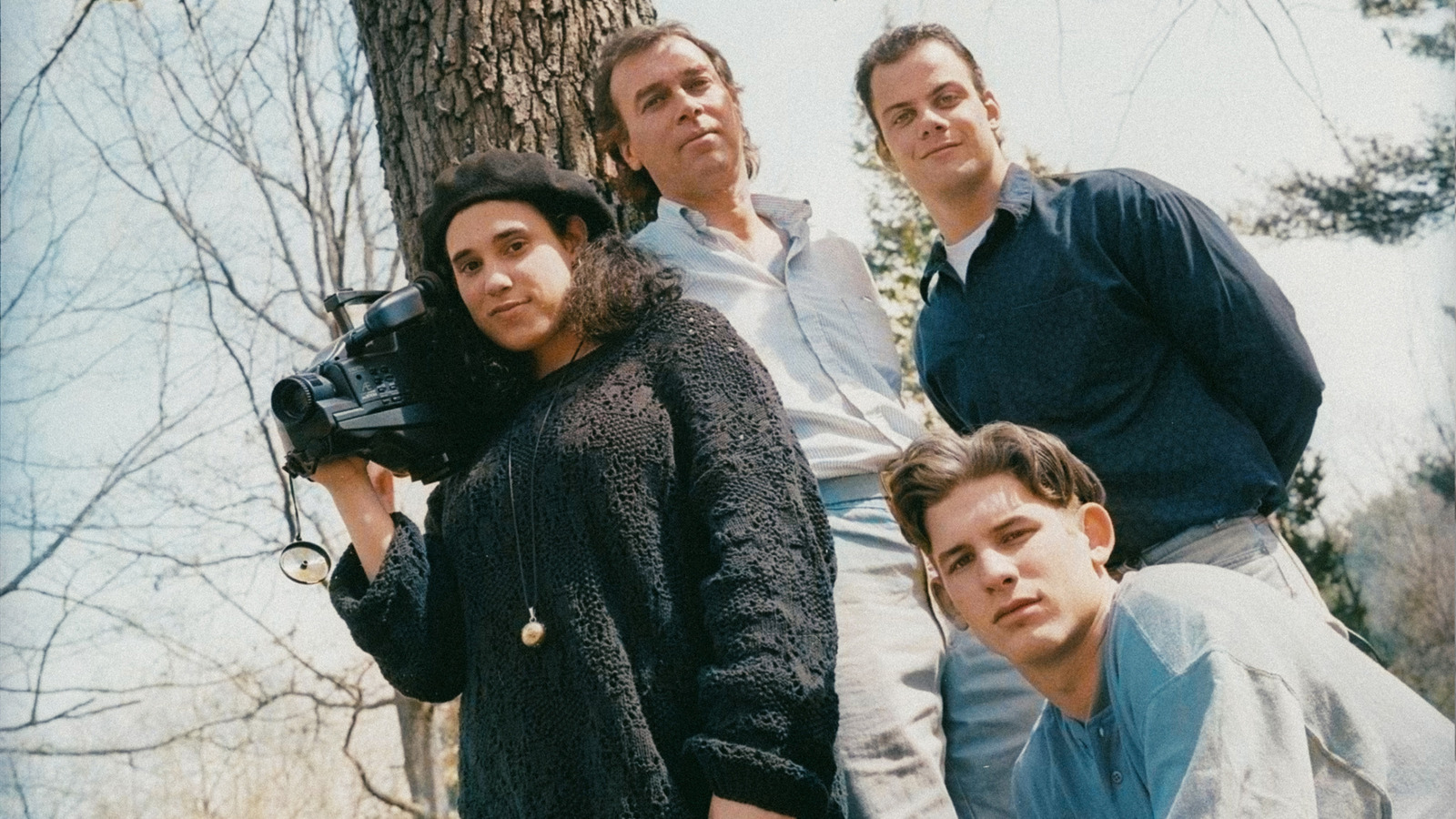
Rather than relying on traditional textbooks, he empowers his students to pick up camcorders and investigate the environmental realities of their own backyard. What started as a rudimentary class project in videography and local geography quickly spiraled into something much darker.
- The Discovery (1994-1996): Students begin interviewing residents who live near the Middletown dump. They capture testimonials of unexplained health issues and observe trucks entering the facility under the cover of darkness.
- The Investigation (1996-1998): The students transition from amateur videographers to investigative journalists. They begin mapping illegal dumping patterns and identifying corporate negligence that local officials seemed all too eager to ignore.
- The Confrontation (Late 90s): As the students get closer to the truth, they face intimidation tactics and bureaucratic stonewalling, turning a school project into a dangerous game of cat-and-mouse.
- The Retrospective (2025): The film fast-forwards to the present day, where McBain and Moss reunite the now-adult students with their former teacher. Together, they review the footage they shot three decades ago, reconciling the idealism of their youth with the harsh realities they uncovered.
Supporting Data and The Nature of the Mystery
What sets Teenage Wasteland apart from the standard fare of streaming services is its refusal to rely on the sensationalist tropes of "true crime." While the film documents potential criminal activity and corporate malfeasance, it maintains an ethical rigor that is increasingly rare.
The documentary utilizes the students’ original 90s footage—the grainy, shaky, yet intensely authentic aesthetic of the era—intercut with high-definition contemporary interviews. This visual contrast serves as a timeline of their lost innocence. The "data" of the film isn’t just in the environmental reports or the testimony regarding the Middletown dump; it is in the evolution of the students themselves. The film captures the transition from teenage apathy to the realization that their town—and perhaps their world—was built on a foundation of compromise and corporate greed.
Official Responses and Bureaucratic Silence
Throughout the narrative, the documentary highlights the standard playbook used by local authorities and corporate entities to stifle dissent. In the mid-90s, when the students attempted to bring their findings to the town council, they were met with condescension and dismissal.
In the present day, as the filmmakers attempted to verify the extent of the dump’s impact, they encountered similar patterns of silence. The film serves as a meta-commentary on the difficulty of holding power accountable. Even decades later, when the original culprits are either retired or deceased, the "official" record remains remarkably sanitized. The power of Teenage Wasteland lies in its ability to show how institutional power relies on the assumption that citizens will eventually lose interest and move on.
Implications: The Legacy of Civic Courage
Beyond the immediate mystery of what happened in Middletown, Teenage Wasteland poses a profound question for modern viewers: What is our responsibility to our community in a functional—or dysfunctional—democracy?
The filmmakers argue that the students’ actions represent a form of "civic courage." They were operating in an era without the internet’s reach, relying on word-of-mouth, physical camcorders, and sheer persistence. In today’s digital age, where activism is often reduced to performative social media posts, the film serves as a stark reminder of the efficacy of "boots on the ground" journalism.
The implication is clear: we are living in a society where corporate forces are constantly working to obscure the environmental and social costs of their operations. The film’s ultimate message is a rallying cry for decency and the importance of questioning the status quo. It suggests that even in a system that often feels rigged or unresponsive, the act of documenting the truth is, in itself, a radical and necessary democratic duty.
Why You Should Watch It
Netflix has long been criticized for its "content mill" approach to documentaries, which often favor quantity over quality and, occasionally, exploit the subjects of their true crime sagas. Teenage Wasteland is the antithesis of that trend. It is a slow-burn, contemplative, and ultimately inspiring piece of filmmaking.
Whether you are drawn in by the 90s nostalgia—the flannel shirts, the bulky camera equipment, and the specific energy of pre-digital adolescence—or the high-stakes investigative thriller at its core, the film delivers on all fronts. It is a rare documentary that respects its audience enough to let them sit with the discomfort of the truth, rather than spoon-feeding them a tidy, morally simplified conclusion.
In a world filled with digital noise, Teenage Wasteland invites us to look back at the past not just to romanticize it, but to learn from the bravery of those who dared to pick up a camera and expose the cracks in the world around them. It is currently available to stream, and it demands to be seen.
