
Thunder Across the Plains: Tala Hadid’s Bardi Explores the Ancient Majesty of Morocco’s Tbourida
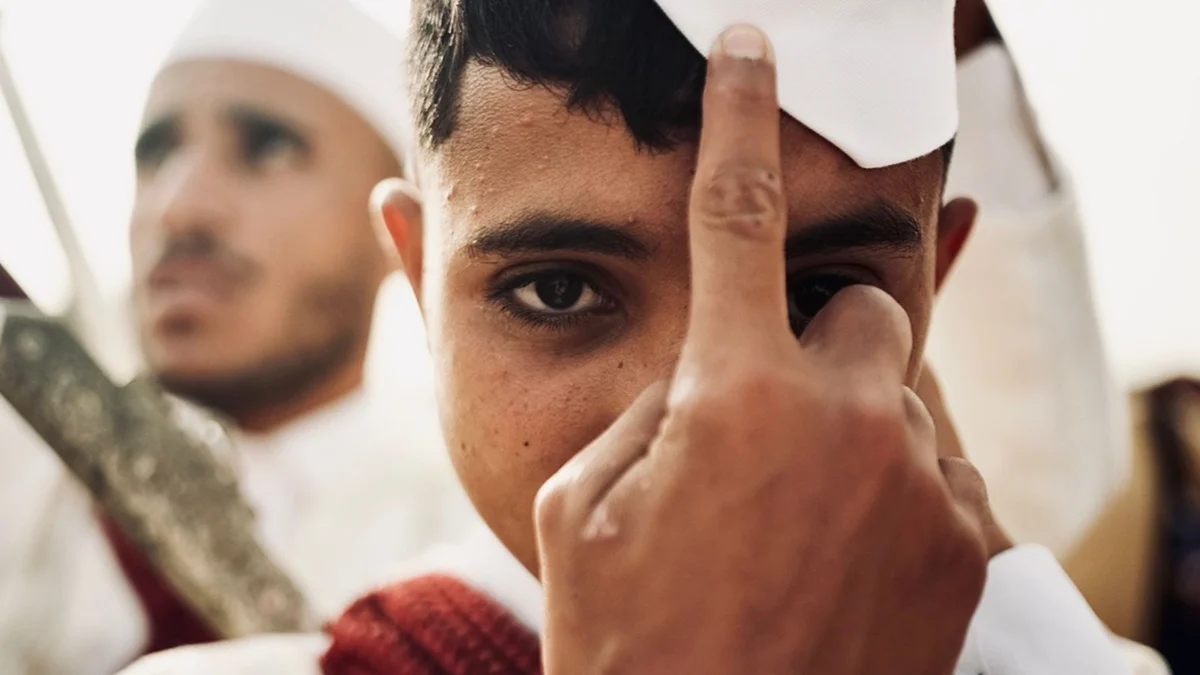
NEW YORK — In an era dominated by hyper-fast media and fleeting digital spectacles, Moroccan-born filmmaker Tala Hadid has chosen to look backward into the annals of centuries-old tradition to capture something increasingly rare: an unbroken lineage of cultural heritage. Her ambitious, multi-threaded documentary Bardi, which recently celebrated its world premiere at the 64th New York Film Festival, turns its lens on tbourida—a high-stakes, 16th-century Moroccan equestrian military ritual that was officially inscribed onto the UNESCO Representative List of the Intangible Cultural Heritage of Humanity in 2021.
Operating as both an ethnographic study and a visceral cinematic experience, Bardi immerses audiences in the dust, sweat, and thunder of a rite of passage older than many modern nations. Through patient observation and an unflinching eye, Hadid explores the profound, complex choreography shared between humans and animals, charting months of grueling preparation that culminate in seconds of explosive, synchronized adrenaline.
Main Facts: The Anatomy of Bardi and Tbourida
At its core, Bardi investigates the physical and psychological architecture of tbourida, an Arab-Amazigh equestrian tradition deeply rooted in Morocco’s history as a display of horsemanship, military readiness, and tribal pride. The film operates on a dual-track focus, tracking not merely the human participants—ranging from eager adolescents to weathered veterans—but placing equal emphasis on the magnificent horses that carry the psychological and physical weight of the ritual.
The traditional ceremony captured in the film is broadly divided into two distinct parts:
- The Hadda: An introductory phase characterized by complex trotting drills, precision movements, and breathtaking acrobatics designed to showcase the rider’s absolute control and connection with the mount.
- The Talqa: The explosive main attraction. Participants ride side-by-side in a rigid, perfectly straight line, simultaneously holding aloft a traditional Quran and an antique rifle. At a precise command, the entire line fires their weapons in unison mid-gallop, creating a deafening thunderclap of gunpowder and smoke that thrills spectators.
Throughout the documentary, Hadid’s camera utilizes intimate close-ups to examine the rich, intricately embroidered garments worn by both riders and steeds. Yet, the emotional anchor of the film rests in the eyes of its subjects. The documentary illuminates a raw, historically charged bond between man and animal. In one particularly poignant scene, a senior rider imparts wisdom to a nervous young trainee, observing, "The horse is an intelligent animal. It thinks you want to hurt it. Anyone who says animals are not intelligent is wrong."
Chronology: From Months of Labor to Fleeting Glory
The narrative pacing of Bardi mirrors the rhythm of the ritual itself: a marathon of painstaking preparation followed by a fleeting, blindingly fast climax.
The Months of Preparation
Hadid’s camera is intimately embedded in the daily life of the training camps. The documentary chronicles the unglamorous, backbreaking labor required to field a tbourida troupe. We watch mentors deliver impassoned speeches to young riders preparing for their maiden deployment. The film captures the meticulous maintenance of the animals—riders cleaning hooves, washing coats, scrubbing manes, and tending to backsides. While some handlers offer gentle, intimate care, others maintain a colder, functional distance, highlighting the pragmatic nature of the human-animal working relationship.
The Buildup and Arrival
As the festival date approaches, the chronology shifts to the slow, communal arrival of spectators and the bustling setup of the encampment. The screen fills with vibrant colors as massive tents are erected, sound systems and speakers are wired, elaborate food tables are prepared, and ceremonial garments are laid out. Tensions rise among the participants, dances are performed into the night, and traditional songs mingle with the laughter of families carrying forward 400 years of living history.
The Climax and Aftermath
When the camera finally pulls back to reveal the full scale of the arena, the viewer is confronted with the stark disparity between the sheer volume of labor and the brevity of the performance. The talqa—the climax of months of sweat and anticipation—is over in a flash. Though met with roaring delight from the packed grandstands, the ride vanishes into a haze of gunpowder smoke almost as quickly as it began, leaving behind a profound meditation on the ephemerality of spectacle.
Supporting Data and Technical Analysis
Clocking in as a sweeping documentary feature, Bardi relies heavily on visual storytelling rather than conventional exposition. Hadid eschews traditional voiceover narration, letting the sights and sounds of the encampment do the heavy lifting.
- Cinematographic Approach: The film weaves observational distance with startlingly intimate close-ups. By focusing intensely on the expressive eyes of the horses and the detailed textures of gold-thread embroidery on heavy wool and velvet garments, the film grounds its grand historical themes in tactile reality.
- Critique of Craft: While the overarching visual language is immersive, critical reception of the film’s technical choices has been mixed. Reviewers have noted distracting elements, such as an aggressive autofocus feature that occasionally jitters in and out during pivotal sequences, momentarily pulling the viewer out of the hypnotic, historic allure of the subject matter.
- Narrative Interruptions: The film’s structural integrity faces minor hurdles when it attempts to inject explicit narrative conflicts into an otherwise purely observational flow. Two specific subplots—a young rider diagnosed with a sudden horse allergy, and a generational debate between a young girl and her father regarding female participation—feel somewhat incongruous. Staged and placed as if edited in as afterthoughts, these manufactured dramatic beats occasionally disrupt the seamless, flowing cadence of the documentary’s ethnographic core.
Official Responses and Cultural Significance
The inscription of tbourida onto the UNESCO Intangible Cultural Heritage list in 2021 marked a watershed moment for Moroccan cultural preservation, elevating a regional practice onto the global stage. Cultural ministers and heritage preservationists have lauded works like Bardi for providing an unvarnished, authentic window into traditions that risk being misunderstood or sidelined in an increasingly homogenized global culture.
While formal political responses to Hadid’s specific film are still unfolding following its New York Film Festival debut, cultural preservation advocates in North Africa have welcomed the documentary. Many see it as a vital counterweight to orientalist tropes, presenting Arab-Amazigh traditions not as static museum artifacts, but as dynamic, living practices sustained by real communities, fierce pride, and intergenerational mentorship.
By capturing a tradition older than many modern nation-states, Bardi serves as an official cultural ledger, recording a vanishing way of life with appropriate patience and profound respect.
Implications: Preserving Living Heritage in the Modern Age
The broader implications of Tala Hadid’s Bardi extend far beyond the borders of Morocco or the confines of the film festival circuit. The documentary raises critical questions about the survival of traditional arts in the 21st century.
The Transmission of Knowledge
At its heart, Bardi is a study in pedagogy—how skills, values, and historical consciousness are handed down from elder to youth without the aid of written textbooks. The patience required to train a warhorse mirrors the patience required to instill cultural pride in a generation tempted by digital distractions. The film suggests that traditions like tbourida survive not merely because of government recognition or UNESCO status, but because they demand total physical and emotional investment from those who practice them.
Gender, Tradition, and Evolution
Though the documentary handles gender dynamics lightly through its brief inclusion of a young girl’s aspirations to ride, it opens a broader conversation about how ancient, male-dominated military rituals must adapt to contemporary values if they are to remain relevant. The survival of tbourida depends on its capacity to welcome new demographics while preserving the austere discipline that gives the ritual its power.
Cinematic Ethics and Observation
Finally, Bardi offers a masterclass in observational documentary ethics. By refusing to over-explain or sensationalize the dangers inherent in riding charging horses alongside live ammunition, Hadid respects her subjects. She invites international audiences to bear witness to a world they likely never knew existed, proving that cinema can act as a bridge across centuries, connecting modern viewers to the raw, thundering pulse of human history.
