
Marvel Studios Unveils "Zodiac": A New Era of Espionage for the MCU
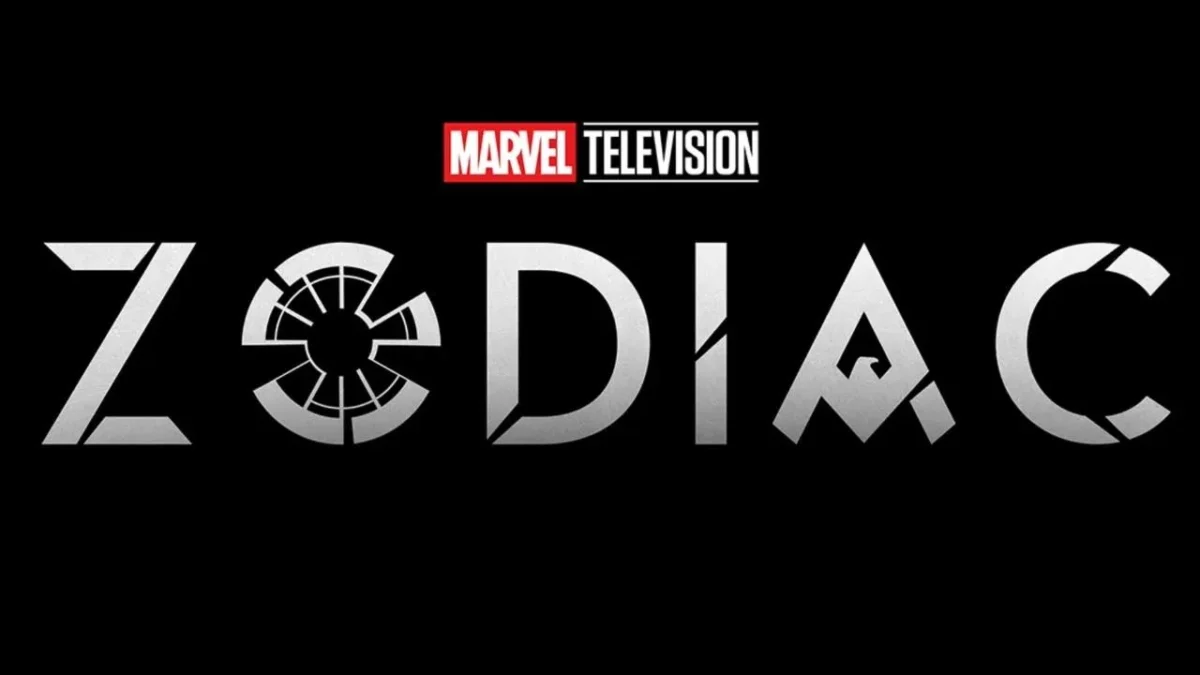
The atmosphere inside the Javits Center at New York Comic Con (NYCC) shifted from a low hum to a fever pitch this past weekend as Marvel Television delivered a surprise that few saw coming. Amidst the ongoing fervor regarding the Multiverse Saga, Marvel Television chief Brad Winderbaum took the stage to announce a brand-new live-action series, Zodiac, slated for a 2028 Disney+ premiere.
While the announcement was brief, its implications are massive. By venturing back into the high-stakes world of international espionage, Marvel is signaling a desire to return to the grounded, tactical roots that once defined the franchise’s most beloved entries. With the promise of a 2028 release date—the year following the climactic Avengers: Secret Wars—Zodiac appears to be a cornerstone of the post-Multiverse landscape.
The Core Facts: What We Know About ‘Zodiac’
The announcement was designed to whet the appetite of the Marvel faithful without giving away the narrative store. Here is the current state of play regarding the project:
- Zodiac
- Format: Live-action series
- Platform: Disney+
- Release Window: 2028
- Genre: Action-Spy Thriller
- Production Status: Casting is set to commence in the "next couple of weeks," with principal photography slated to begin in 2025.
Brad Winderbaum, who has been instrumental in steering the creative direction of Marvel’s television wing, kept the creative team under wraps. There has been no official word on showrunners, directors, or writers, though industry insiders suggest that Marvel is looking for talent with a pedigree in prestige television and political thrillers.
A Chronology of Marvel’s Espionage Evolution
To understand why Zodiac feels like a pivotal moment, one must look at the historical trajectory of spy-centric storytelling within the Marvel Cinematic Universe (MCU).
The Golden Age of SHIELD (2008–2014)
The MCU began, in many ways, as a spy story. Iron Man introduced us to Nick Fury and the Strategic Homeland Intervention, Enforcement and Logistics Division. This era peaked with Captain America: The Winter Soldier, which redefined the genre for superhero cinema, blending political paranoia with visceral, grounded combat.
The Television Expansion (2013–2020)
Agents of S.H.I.E.L.D., spearheaded by Joss Whedon and later expanded by Jed Whedon and Maurissa Tancharoen, became the gold standard for long-form Marvel television. For seven seasons, it navigated the bureaucratic nightmare of maintaining order in a world filled with gods and monsters. Its conclusion left a void for fans of tactical, human-led conflict.
The Recent Struggles (2023)
The MCU’s most recent attempt at a spy-thriller, Secret Invasion, proved to be a cautionary tale. Despite the star power of Samuel L. Jackson and a premise dripping with potential, the series failed to capture the tension of a true "paranoia thriller," leading to mixed reviews and a disconnect with the audience.
Zodiac represents a clean slate. By distancing itself from the direct fallout of Secret Invasion and positioning itself in the post-Secret Wars world, Marvel is effectively "resetting the board" for espionage in the MCU.
Supporting Data: Examining the Source Material
For those who are already deep into the theory-crafting phase, the term "Zodiac" carries significant weight in Marvel Comics. The name refers to two distinct but equally dangerous entities that could provide the backbone for the series.
The Zodiac Cartel
In the comics, the Zodiac is an international criminal syndicate that seeks to manipulate world events, control global markets, and influence the political structure of the planet. Often led by figures associated with the stars or astrological signs, the cartel is the perfect antagonist for a spy thriller. They represent a more "human" threat—no Infinity Stones, no multiversal collapse—just cold, calculated greed and a quest for power.
The ‘Dark Reign’ Iteration
Alternatively, Marvel could look to the Dark Reign era, where the Zodiac name was utilized by a mysterious, high-level operative working in the shadows of a collapsing global order. This iteration leans heavily into the "mystery box" style of storytelling, which Disney+ audiences have shown a high affinity for.
The logo displayed at NYCC featured sharp, geometric lines reminiscent of classic S.H.I.E.L.D. iconography. This has led many to speculate that Zodiac will focus on the reformation—or the corruption—of the agency in the wake of the Multiverse Saga’s conclusion.
Official Responses and Industry Context
During the NYCC panel, Brad Winderbaum was characteristically tight-lipped. When pressed about the connection between Zodiac and the remnants of S.H.I.E.L.D., he simply remarked that the series would "explore the corners of the MCU that operate in the dark."
This ambiguity is intentional. Marvel is currently undergoing a "quality over quantity" shift, as evidenced by the internal restructuring of their Disney+ division. The decision to announce a project four years in advance suggests that Zodiac is being developed with a more robust, longer-term creative cycle than previous series.
"We are taking our time with this one," a source close to the production noted. "The goal is to move away from the ‘miniseries’ feel and create a show that can sustain multiple seasons of high-stakes, character-driven tension."
Implications: Why ‘Zodiac’ Matters for the MCU
The announcement of Zodiac carries several profound implications for the future of the Marvel Cinematic Universe:
1. Re-centering the Human Element
As the franchise moves past the Multiverse Saga, there is a clear appetite for stories that feature "boots on the ground." Audiences have expressed fatigue regarding cosmic-scale stakes. Zodiac promises a return to the fundamentals: human intelligence, clandestine operations, and the gray areas of morality.
2. A New Home for Nick Fury?
With Samuel L. Jackson confirmed for Avengers: Secret Wars, fans are already asking if he will transition into the Zodiac series. While nothing is confirmed, the structural nature of Zodiac makes it the perfect vehicle for a legacy character like Fury to oversee a new generation of operatives. Whether he acts as a mentor or an adversary remains to be seen.
3. Expanding the Television Universe
If Zodiac succeeds, it could revitalize the concept of a "S.H.I.E.L.D.-adjacent" world. Many fans of the original Agents of S.H.I.E.L.D. series felt the show was disconnected from the film side of the MCU. By integrating Zodiac into the broader narrative tapestry post-2027, Marvel has the chance to weave a more cohesive, interconnected universe than ever before.
4. Setting the Tone for the Post-Secret Wars Era
The year 2028 is a symbolic choice. Coming on the heels of the most ambitious crossover event in cinematic history, Zodiac will be the first major indicator of what the "new normal" looks like for the Avengers and their associates. If the world is recovering from the trauma of the Multiverse, who is left to police the shadows?
Conclusion: Let the Speculation Begin
As the dust settles from the NYCC announcement, the Marvel community finds itself in a familiar, exciting position. We are back to the "mystery box" phase of development. Is the Zodiac a group of former villains? Is it a secret branch of the U.S. government gone rogue? Is it the resurgence of a threat we haven’t seen since the days of HYDRA?
For now, we have only a logo and a title, but in the world of Marvel, that is often more than enough to ignite the imagination. As casting begins and the creative team is eventually unveiled, we will be watching closely. One thing is certain: if Zodiac can capture even a fraction of the intrigue found in the best spy novels and combine it with the cinematic polish of the MCU, 2028 will be a banner year for television.
The stage is set, the pieces are moving, and the game of shadows is about to begin. Keep your eyes on the horizon—and perhaps, look to the stars.
