
The Ghost in the Machine: Dissecting Terry’s Fatal Legacy in Paramount+’s Mayor of Kingstown
Main Facts: The Catalyst of an Invisible Man
In the brutal, unforgiving universe of Paramount+’s gritty crime thriller Mayor of Kingstown, characters frequently live and die by the violent power structures that dictate the daily rhythm of Michigan’s incarceration capital. Yet, few narrative catalysts are as unconventional—or as fiercely debated by the fandom—as Terry. Though he is never once seen alive on screen, Terry’s violent demise during the chaotic Season 1 prison riots serves as a narrative epicenter, sending shockwaves through the series that reverberate deeply into Season 2.
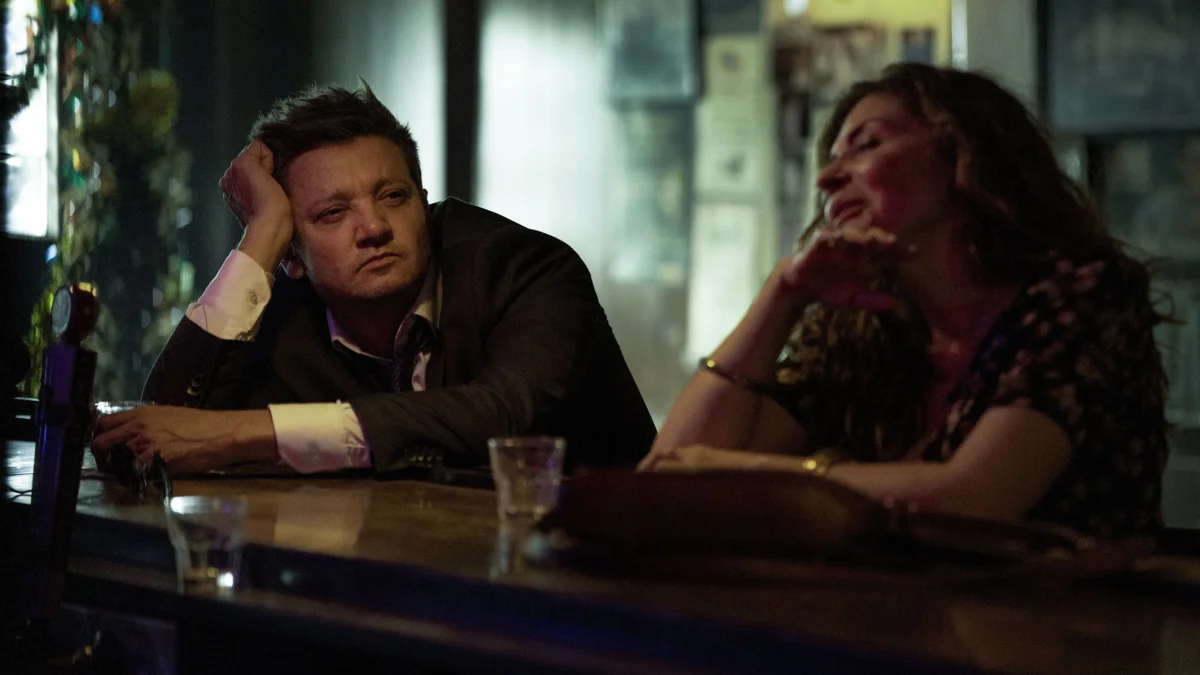
Led by Jeremy Renner as Mike McLusky—the titular "mayor" and unofficial power broker navigating an uneasy peace between law enforcement, incarcerated factions, and street criminals—the show frequently explores the heavy cost of systemic corruption. Terry’s death encapsulates this central theme. As a prison guard with presumptive ties to the Aryan Brotherhood, Terry’s off-screen existence is defined entirely by his absence. His widow, Allison (portrayed by Callie Thorne), becomes the human vessel for the tragedy’s fallout, directing a consuming grief and blinding fury squarely at Mike McLusky.
Rather than serving as a traditional character with an arc, Terry operates as a complex plot device and a thematic anchor. His death exposes the precarious moral tightrope Mike must walk, illustrating how personal tragedies are systematically weaponized, manipulated, and ultimately discarded in the relentless war for survival within Kingstown.
Chronology: From the Season 1 Riots to the Fallout in "Santa Jesus"
To understand the weight of Terry’s shadow, one must trace the chronological sequence of events that transformed an unseen prison guard into a deadly focal point for Mike McLusky’s survival strategy:
1. The Season 1 Prison Riots
Before the dramatic time jump in Mayor of Kingstown Season 2, the local correctional facility descends into absolute anarchy. The catastrophic prison riots rip through the institution, creating a power vacuum and leaving a trail of bloodshed in their wake. Amidst the slaughter, Terry—a guard tied to the prison’s white supremacist factions—is killed. While the exact, frame-by-frame details of his final moments are obscured by the sheer chaos of the uprising, his death becomes an immediate casualty of a system on the brink of total collapse.
2. Allison’s Grief and the Burden of Blame
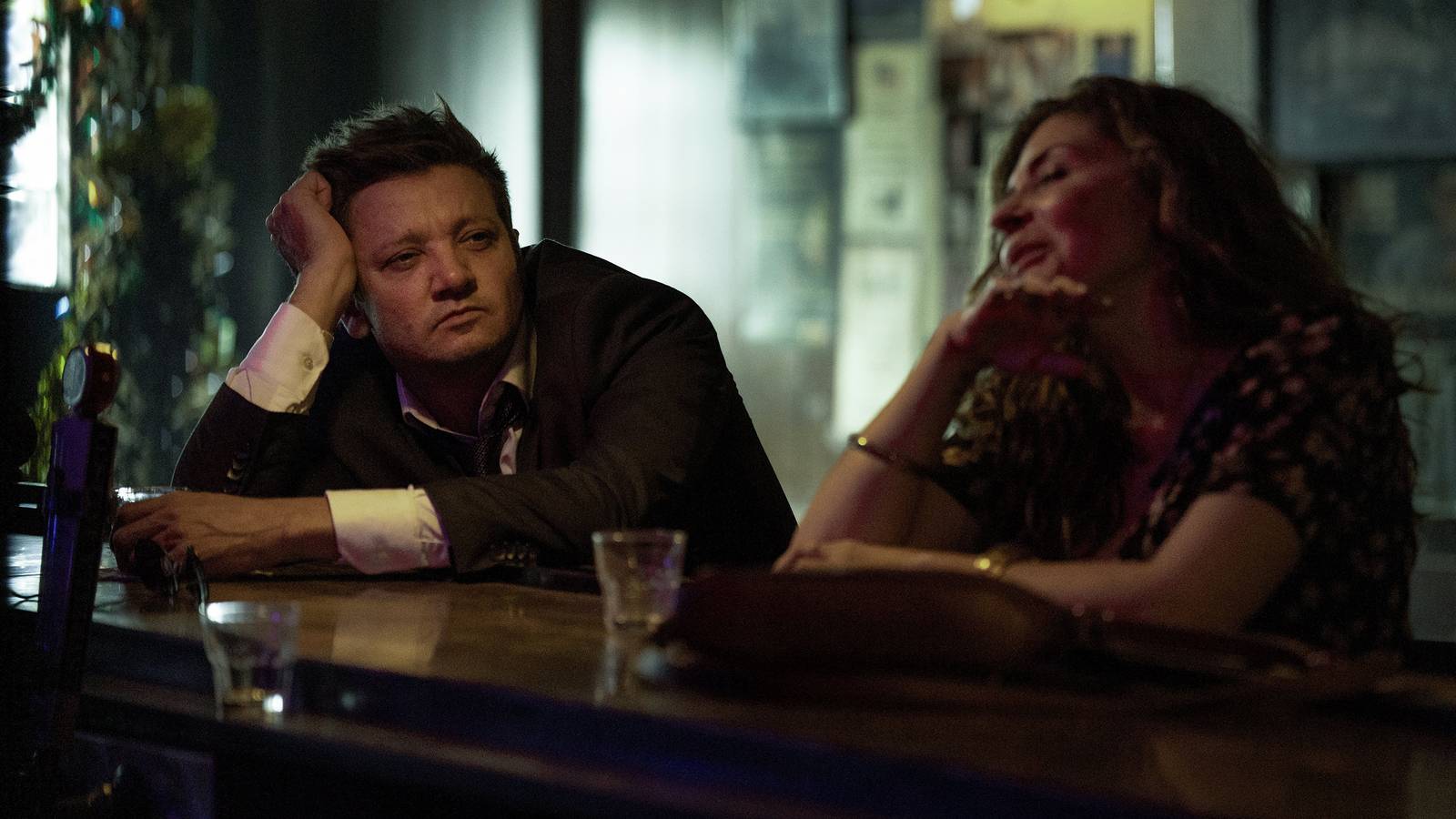
Following the riots, Terry’s widow, Allison, is left to pick up the pieces of a shattered life. Consumed by grief, she fastens her anger onto Mike McLusky. From Allison’s perspective, Mike’s pervasive reach inside and outside the prison walls means he could have—and should have—prevented the riots, or at the very least mitigated their lethal severity. Her resentment is fueled by the understanding that Mike operates comfortably within the gray areas of Kingstown’s criminal underworld, making him complicit in every drop of blood spilled.
3. Season 2, Episode 8: "Santa Jesus" and the Assassin Plot
The narrative convergence of Terry’s death reaches its boiling point in Season 2, Episode 8. Freshly targeted by an assassination contract ordered through the prison’s deeply entrenched power structures, Mike finds himself hunted. Desperate to identify the hitman and secure his own survival, Mike turns his sights toward Allison, utilizing the grieving widow as an unwitting pawn in a high-stakes psychological game.
4. The Trap Springs
During an interaction with Mike, Allison inadvertently slips up, letting out a subtle, telling comment infused with racial animus. For a tactician of Mike’s caliber, it is all the confirmation he needs. Connecting her bias to her late husband’s known affiliations with the Aryan Brotherhood, Mike pieces together her quiet disdain and unmasks the assassination plot. The sequence culminates in a tense confrontation where Mike successfully anticipates the threat, flushing out and neutralizing the Aryan assassin.

Supporting Data: The Mechanics of Power and Manipulation in Kingstown
To fully grasp why Terry’s death matters, it is essential to examine the structural ecosystem of Mayor of Kingstown. Set in a fictionalized Michigan town heavily inspired by real-world correctional hubs, the series functions as a macro-study of an economy built entirely around mass incarceration.
- The Economic Dependency: In Kingstown, prison is not just a punitive institution; it is the primary industry. According to the show’s lore, roughly a quarter of the town’s population is directly or indirectly employed by the correctional system, while the rest live in the shadow of the inmates.
- The Power Broker Dynamic: Mike McLusky does not hold political office; his "mayorship" is an informal title earned through familial legacy (succeeding his late father and brother) and an innate understanding of how to balance volatile forces: the Crips, the Bloods, the Aryan Brotherhood, the Mexican cartel, the Russian mob, and the local police department.
- The Statistical Weight of Unseen Characters: While television historically relies on visible casualties to drive emotional stakes, Mayor of Kingstown frequently utilizes "ghost characters"—figures talked about extensively but never shown—to demonstrate how systemic violence ripples outward into domestic spaces. Allison represents the civilian collateral damage of an industrial complex that consumes its workers just as easily as its inmates.
Official Responses and Creative Intent
While Paramount+ and the show’s creators—including co-creator Taylor Sheridan and showrunner Dave Erickson—have kept specific commentary on Terry’s background sparse, the broader narrative framework of Mayor of Kingstown speaks volumes about how the creative team approaches character mortality.
In interviews discussing the heavy, unflinching tone of the series, the production team has consistently emphasized that Kingstown is a place where no one is safe and actions always carry unforeseen, catastrophic ripple effects. The decision to keep Terry entirely off-screen was a deliberate structural choice. By denying the audience a visual introduction to Terry, the writers ensure that the character is defined entirely by his utility to the plot and his impact on the living.
Terry is not meant to be mourned by the viewer; rather, he is meant to be a symbol of the invisible gears turning within the prison system. His death serves as a vehicle to showcase the chilling pragmatism of Mike McLusky. When pushed to the edge, Mike does not offer platitudes or seek restorative justice—he gathers intelligence, weaponizes emotional vulnerabilities, and eliminates threats before they can materialize.

Implications: Fan Reception, Moral Ambiguity, and the Future of the Series
The handling of Terry’s storyline has sparked intense discourse within the Mayor of Kingstown fandom, particularly across social media platforms and discussion boards like Reddit.
The Fandom Verdict: Plot Device Over Person
A prominent consensus among fans is that Terry’s character was never truly meant to be a person; he was a narrative instrument. Many viewers admitted to initial confusion upon hearing Terry referenced constantly without ever appearing in Season 1 or early Season 2. However, as the arc involving Allison and the assassination attempt unfolded, the community recognized Terry’s death for what it was: a structural lever designed to force Mike deeper into the operational matrix of the Aryan Brotherhood.
As fans noted in various episode discussion threads, "Who Terry was didn’t matter to the story; what he represented meant everything." The storyline effectively stripped away any sentimental illusions about grief in Kingstown, reframing Allison’s tragic loss as yet another chess piece on Mike’s board of survival.
Moral Ambiguity and Indirect Culpability
Terry’s death forces both the characters and the audience to grapple with a deeply uncomfortable question: Who is truly to blame?

- From a legal and logistical standpoint, Mike McLusky did not pull a trigger on Terry, nor did he personally incite the prison riots. He is a mediator trying to keep a lid on a boiling pot.
- From an ethical standpoint, however, Mike’s continued manipulation of the criminal ecosystem helps sustain the very powder keg that eventually explodes. By trading favors with violent factions, he helps maintain a status quo where riots and guard casualties are inevitable outcomes.
Allison’s misplaced anger, while misdirected at Mike as an individual, hits closer to the truth than she realizes: Mike is part of the machine that crushed her husband. Yet, the series refuses to offer easy moral binaries. When Mike uses Allison to flush out his assassin, the audience is reminded that survival in Kingstown requires a descent into moral darkness. Mike must exploit a grieving widow to save his own skin, cementing his status as a tragic antihero who is as much a prisoner of the town as the men locked behind its razor wire.
As Mayor of Kingstown continues to expand its sprawling narrative canvas, the ghost of Terry will likely remain a silent reminder of the human cost paid for the fragile, bloody peace that Mike McLusky fights every day to maintain.
