
The Infinite Soul: Reevaluating the Beatles’ 1965 Masterpiece in the Age of the Super Deluxe Edition
Determining the "greatest" Beatles album is an exercise in futility, a subjective endeavor that typically shifts based on the listener’s mood, age, or current life chapter. While albums like Sgt. Pepper’s Lonely Hearts Club Band or Abbey Road often dominate the conversation due to their sprawling ambition, a quiet, insistent argument has persisted among the most dedicated of fans: the crown truly belongs to Rubber Soul.
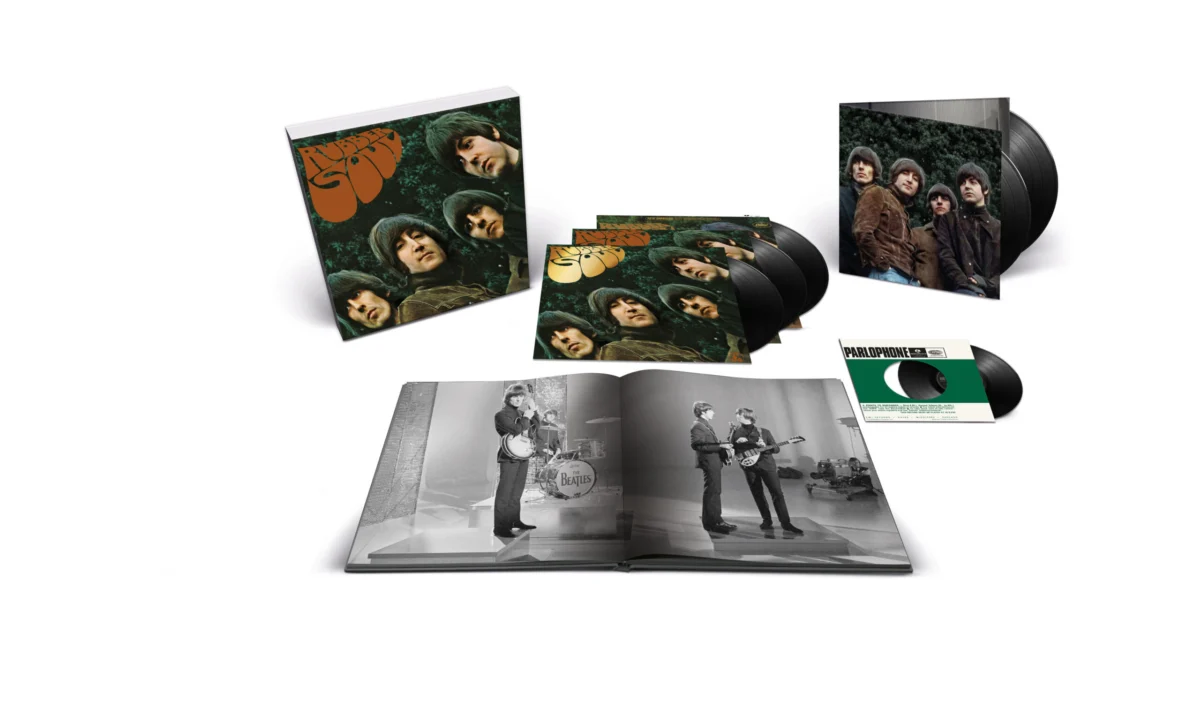
Released in 1965, Rubber Soul occupies a unique space in the band’s discography—a transitional bridge between the energetic, beat-driven pop of their early years and the expansive, psychedelic experimentation that would define the latter half of the decade. With the long-awaited arrival of the Rubber Soul: Special Edition Super Deluxe—a massive four-CD or five-LP box set—the conversation has been reignited. This collection does more than just remaster an old classic; it provides a definitive look at the moment the Fab Four caught lightning in a bottle, perfectly balanced between their past as a touring rock-and-roll outfit and their future as studio pioneers.
The Chronology of a Sonic Shift
To understand Rubber Soul, one must view it within the frantic, high-pressure timeline of the Beatles’ mid-60s career. By late 1965, the band was exhausted. Having spent the better part of two years in a cycle of relentless touring, television appearances, and back-to-back film shoots, they were effectively running on fumes.
Unlike the albums that followed—which were meticulously crafted over months of leisurely studio time—Rubber Soul was recorded under a deadline that would break most modern artists. The band entered the studio in October 1965 with a mandate to deliver a new album for the lucrative Christmas market. Remarkably, this pressure did not lead to a watered-down product. Instead, it forced a "casual" genius. There was no conscious attempt to create a "tour de force" or a conceptual masterpiece; there was simply the sound of four musicians operating at the absolute peak of their chemistry.
This was the last moment the Beatles recorded with a sense of spontaneity. It was the final gasp of their "Beatlemania" era before the looming specters of Bob Dylan, the Byrds, and the nascent folk-rock movement fully pushed them toward the avant-garde. The album captures a band at the glorious nexus of rocking out and maturing, providing a different kind of joy than the "whiplash" transitions that would later define Revolver.
Supporting Data: Dissecting the Super Deluxe Experience
The Rubber Soul: Special Edition is a triumph of archival curation, comprising four distinct components that serve both the casual listener and the obsessive archivist. The centerpiece is a fresh stereo remix by Giles Martin and Sam Okell.
The Remix: A Modern Sonic Restoration
For decades, the original stereo mix of Rubber Soul—notorious for its hard-panning where vocals often occupied one speaker and instruments the other—has been viewed as a relic of early stereo experimentation. While nostalgic, it lacked the cohesion required for modern high-fidelity systems. Martin and Okell have achieved a delicate balance: the mix is not radical, but it is revelatory. It brings the rhythm section into the center of the soundstage, giving the bass and drums the punch they lacked in 1965, while maintaining the warm, analog character that defines the record. It feels like hearing the album for the first time, yet it retains the familiarity of an old friend.
The Outtakes: A Peek Behind the Curtain
The box set includes 26 unreleased scraps, a treasure trove for those interested in the creative process. These tracks reveal that Rubber Soul was, in many ways, a country-rock album in disguise. Instrumental versions of "Run for Your Life" highlight a Buck Owens-style grit, while the early, non-sitar versions of "Norwegian Wood" illustrate the band’s conscious decision to integrate Eastern influences. Perhaps most fascinating is a newly surfaced John Lennon demo, "Little Girl," a modest, charming curio that, while ultimately too old-fashioned for the final tracklist, serves as a poignant reminder of Lennon’s prolific songwriting during this period.
The U.K. vs. U.S. Debate
The inclusion of both the original U.K. and U.S. tracklists allows for a fascinating historical comparison. The U.S. version, often criticized for its "folkier" leanings, actually provided American listeners with a different narrative arc—starting with "I’ve Just Seen a Face" and framing the band as a sophisticated folk-rock act. The U.K. version, beginning with the rock-forward "Drive My Car," emphasizes their R&B roots. By providing both, the box set invites listeners to curate their own "perfect" version of the album, perhaps incorporating the Day Tripper/We Can Work It Out single to create an 18-track masterpiece that stands as one of the most consistent listening experiences in the history of rock music.
Official Perspectives: The Cultural Weight of a Landmark
The reception of the Rubber Soul box set has been overwhelmingly positive, with critics and fans alike noting that this was the album most in need of a sonic upgrade. In his extensive notes accompanying the release, Beatles historian and producer Giles Martin emphasizes that the goal was never to rewrite history, but to honor the "soul" of the sessions.
"We aren’t trying to change what they did," Martin has stated in press briefings. "We are trying to remove the technological barriers that kept the listener from hearing exactly what they were doing in that room."
This sentiment is echoed by the inclusion of a hardback coffee table book within the physical box set. The book is more than a mere collection of photographs; it is a scholarly deep dive into the band’s cultural standing in 1965. It addresses the well-documented tensions and inspirations of the era: Paul McCartney’s relationship with Jane Asher and its influence on his songwriting; the collaborative mystery of who wrote the melody to "In My Life"; and the lingering ambiguity of whether "Nowhere Man" was a critique of the "squares" or a self-reflective look at Lennon’s own malaise.
Implications: The Legacy of the "Rubber" Era
The release of this definitive edition carries significant weight for the legacy of the Beatles. It solidifies Rubber Soul not as a mere stepping stone, but as a destination. Before the band went "way up in the air" with their kites in the form of psychedelia and orchestral experimentation, they were firmly planted on the ground—a tight, professional, and deeply soulful unit.
The implications for music history are profound. By analyzing the isolated tracks, we see the blueprint for everything that followed in the late 60s. We hear the early stirrings of the studio wizardry that would define Sgt. Pepper, yet it is still tethered to the raw energy of the Cavern Club.
Ultimately, Rubber Soul earns its title. It was a record that allowed for flexibility—it could be a folk record, a rock record, or a pop record, depending on how you listened to it. As the world moves further into the 21st century, this "Special Edition" ensures that the album remains relevant. It is a reminder that the Beatles’ greatness did not just exist in their grand experiments, but in their ability to write perfect, concise, and deeply human songs.
Whether you listen to it on a high-end turntable or through a streaming service, Rubber Soul remains the most consistent entry point into the Beatles’ universe. It is a record that, in its own modest way, taught the world that rock and roll could be "mature" without losing its soul. It is, quite simply, the album you are listening to right now—and for the foreseeable future, it remains the correct answer to the eternal question of what constitutes the Beatles’ best work.
