
The Myth and the Macabre: Deconstructing the Legacy of ‘Faces of Death’
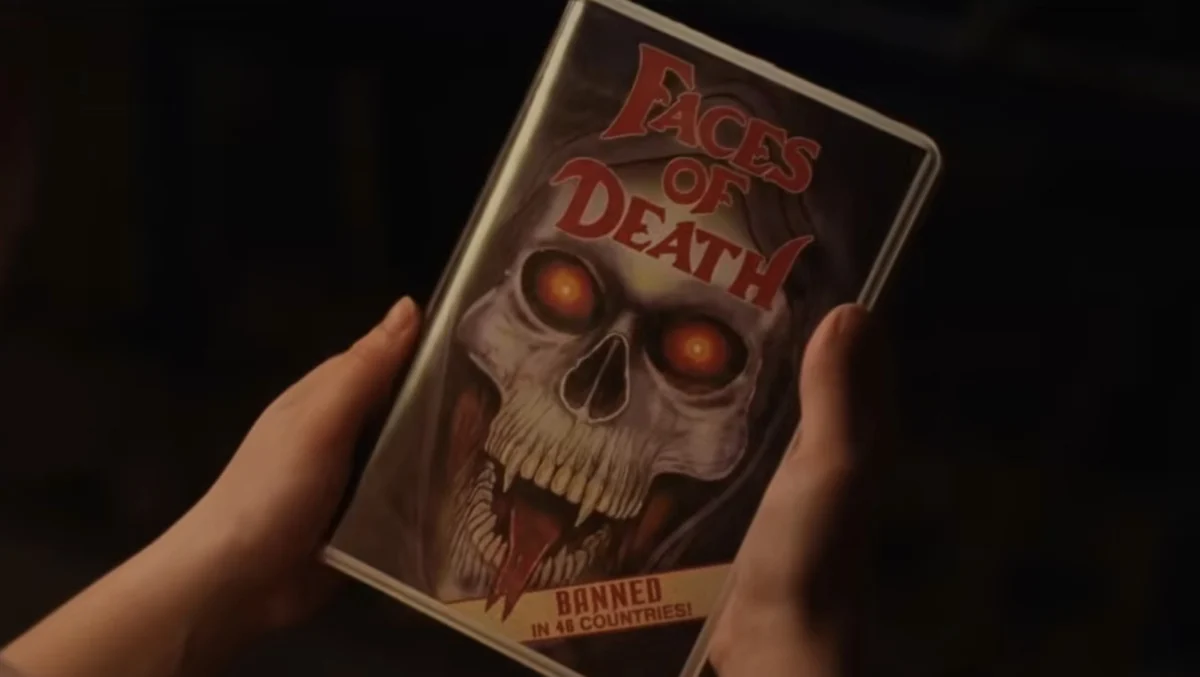
In the annals of cinematic infamy, few titles carry the weight, the dread, and the sheer cultural curiosity of the 1978 cult phenomenon Faces of Death. For generations of horror enthusiasts and suburban teenagers, the mere mention of the film was enough to elicit hushed whispers and morbid fascination. It was the original "forbidden" movie—the VHS tape hidden at the back of the shelf, the illicit viewing experience that supposedly blurred the lines between documentary observation and criminal snuff film.
Directed by John Alan Schwartz and presented by the fictional pathologist Dr. Francis B. Gröss (played by actor Michael Carr), the film positioned itself as an unflinching, scientific investigation into the finality of existence. Decades later, as we look back through the lens of modern media literacy, the legend of Faces of Death has evolved from a terrifying reality check into a masterclass in cinematic manipulation and the power of the "mondo" genre.
The Genesis of the Mondo Subgenre
To understand the impact of Faces of Death, one must first understand its lineage. The film was the spiritual successor to the Italian "mondo" movement, which took its name from the 1962 documentary Mondo Cane (A Dog’s Life). These films were essentially "shock-docs" that sought to capitalize on global cultural taboos, featuring vignettes of ritualistic behavior, primitive traditions, and the strange, often cruel, habits of humanity.
By the late 1970s, the genre had largely faded from the mainstream, but John Alan Schwartz saw an opportunity. He tapped into a primal human urge—the voyeuristic fascination with mortality—and packaged it as a pseudo-scientific inquiry. Dr. Gröss, the film’s host, served as the bridge between the audience and the void. His delivery was clinical and detached, designed to convince the viewer that they were participating in an educational, albeit harrowing, exercise in existential philosophy.
Fact vs. Fiction: The Anatomy of a Hoax
The enduring question surrounding Faces of Death has always been: How much of it is real? The reality is a complex mosaic of genuine archival footage, well-executed practical effects, and, occasionally, the sheer audacity of the filmmakers.
According to special makeup effects artist Allan A. Apone, approximately 60% of the film is comprised of existing stock footage. The remaining 40%—the segments that provided the film’s most "notorious" moments—were meticulously staged.
The Staged Deceptions
The film’s most infamous sequence, involving a group of tourists at a restaurant consuming the brains of a live monkey, remains the definitive example of the film’s sleight of hand. For decades, audiences were convinced they were witnessing animal cruelty. In truth, the "monkey" was a highly trained animal, and the brains were a mixture of cauliflower and theatrical stage blood.
Similarly, the execution of a man in an electric chair was entirely fabricated. The chilling "frothing at the mouth" effect, which convinced many that they were witnessing a genuine human death, was achieved using simple household toothpaste. Even the film’s "cannibal cult" sequence was a theatrical creation, with director John Alan Schwartz himself leading the cast, further proving that the production was more interested in psychological theatre than journalistic integrity.
The Uncomfortable Reality
While the most sensational scenes were staged, the film’s effectiveness was bolstered by the inclusion of genuine, harrowing footage. The production featured authentic clips of a slaughterhouse in Vernon and an abattoir in Petaluma, California. These segments were not staged; they were, as Schwartz noted, simply the realities of the meat industry.
Furthermore, the film incorporated real-world tragedies, such as the aftermath of the 1978 PSA Flight 182 crash in San Diego. By interspersing these gut-wrenching, authentic depictions of human tragedy with staged gore, the film successfully exploited the audience’s inability to distinguish between the two. Once the viewer is tricked into believing the "fake" footage, their brain reflexively assigns that same level of "reality" to everything that follows.
A Chronology of Controversy
The release of Faces of Death in 1978 triggered an immediate, visceral reaction from the public and regulatory bodies alike.
- 1978: The film is released, quickly finding a home in the burgeoning underground home-video market. It becomes a staple of "urban legend" lore, with word-of-mouth driving its popularity.
- The 1980s: The film faces bans in various countries, including Australia, New Zealand, and parts of Europe, due to its graphic nature and the perceived risk of moral corruption. It becomes a symbol of the "Video Nasty" era of censorship.
- 2012: Director John Alan Schwartz gives a rare, candid interview with Deadspin, finally pulling back the curtain on the production techniques used to create the "reality" of the film.
- 2019: John Alan Schwartz passes away, leaving behind a legacy that is equal parts controversial, innovative, and deeply misunderstood.
- 2026: A new, reimagined Faces of Death project is announced, signaling that the franchise’s influence still resonates in modern horror cinema.
The Psychology of the "Prank"
John Alan Schwartz was, by many accounts, a man of profound sensitivity. Those who knew him describe a person who was deeply moved by the suffering of the animals he filmed in slaughterhouses and who maintained a lifelong interest in the philosophy of life and death. His daughter and wife often noted that his professional work was a stark contrast to his personality.
The brilliance of the film—and the reason it remains a target of debate—lies in the intentional lack of context. By stripping the footage of timestamps, locations, and journalistic framing, Schwartz turned the audience into conspirators in his own macabre joke. Even the credits were a wink to the initiated: using pseudonyms like "Conan LaCiliere" (a play on "Conan the Killer") and "Johnny Getyerkokov" served as a hidden admission that the entire project was a work of dark satire.
The Legacy and Cultural Implications
The impact of Faces of Death cannot be overstated. It was one of the first films to leverage the democratization of video technology to create a "viral" experience before the age of the internet. It taught an entire generation to be wary of the images they see on a screen, even if that lesson was learned through a traumatic, visceral experience.
In today’s digital landscape, where "gore" and "shock" are readily accessible through a simple search, Faces of Death feels almost quaint in its methods. Yet, its legacy endures as a cautionary tale about the malleability of human perception. It proved that audiences are eager to be shocked, and that with enough grit, grainy film, and clever editing, one can turn fiction into an immutable "truth" in the minds of the public.
As we look toward the 2026 reimagining of the concept, it is worth remembering the original’s true purpose. It was not a documentary about death, but a documentary about fear—specifically, the fear of the unknown and the human capacity to be deceived by the flickering lights of the cinema. Whether the new iteration can capture that same lightning in a bottle remains to be seen, but the original Faces of Death will forever hold its place as the definitive, albeit deceptive, chronicle of the morbidly curious.
