
Rise of the Shadow Lord: How Lucasfilm is Reinventing Darth Maul in a Groundbreaking New Animated Series
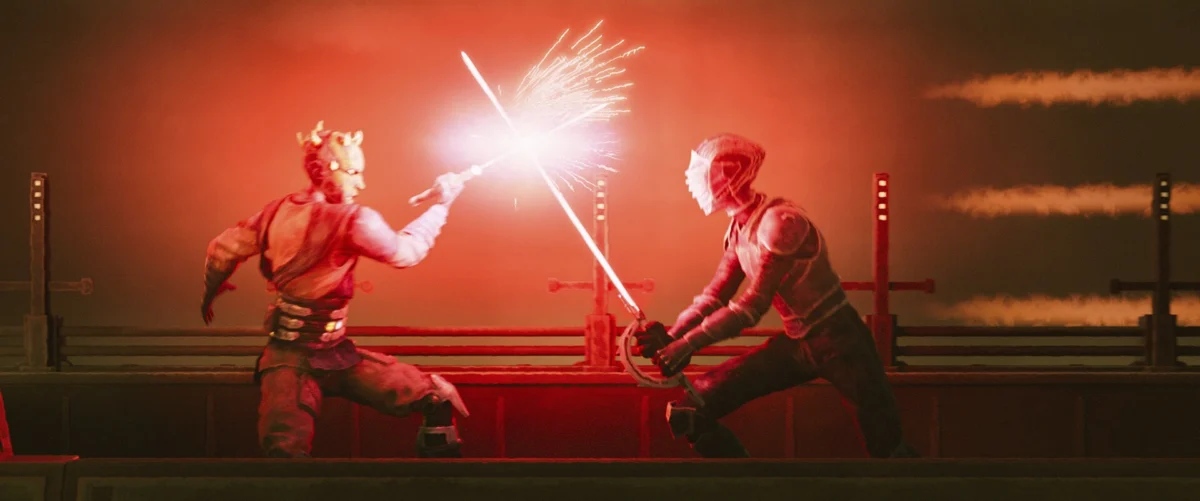
Main Facts
Nearly three decades after his electrifying, wordless debut in Star Wars Episode I: The Phantom Menace, Darth Maul is carving out a historic space in the galaxy far, far away. Lucasfilm has officially announced Star Wars: Maul — Shadow Lord, an upcoming animated television series that grants the iconic Zabrak Sith Lord his own dedicated solo show. This milestone makes Maul the only Star Wars villain in franchise history to headline an individual series, following in the footsteps of Boba Fett.
Set during the tumultuous dawn of the Galactic Empire, Shadow Lord bridges a critical gap in the canon. It acts as both a direct sequel to the events of Star Wars: The Clone Wars and a prequel to Maul’s criminal syndicate reign in Solo: A Star Wars Story and his tragic twilight in Star Wars Rebels.
Voiced once again by veteran actor Sam Witwer—who has breathed life, fury, and nuance into the character since 2010—the series promises a stark departure from traditional Star Wars animation. Eschewing the classic "mission-of-the-week" format, Shadow Lord utilizes a fully serialized narrative structure. It embraces a grittier, darker, and more violent tone, exploring a broken Maul who has lost his seat of power during the Siege of Mandalore, his influence, and his criminal allies. Seeking vengeance against Emperor Palpatine (who discarded him for Anakin Skywalker) and the syndicates that betrayed him, Maul finds himself pursuing an unexpected path: taking on a Jedi Padawan named Devon as his apprentice.
Chronology: The Evolution of a Pop Culture Icon
To understand the weight of Star Wars: Maul — Shadow Lord, one must trace the improbable trajectory of a character who nearly remained a footnote in cinematic history.

- 1999 (The Phantom Menace): Introduced simply as a striking, horned aesthetic marvel with a double-bladed lightsaber, Maul makes an indelible impression during a legendary 15-minute climactic duel. However, his story seemingly ends when Obi-Wan Kenobi slices him in half, plunging him down a reactor shaft on Naboo.
- 2011–2012 (The Clone Wars): Brought back from the dead through dark side sorcery and equipped with cybernetic spider-legs, Maul returns in the animated series. He evolves into a ruthless crime lord, forming the Shadow Collective and ruling over Mandalore before being captured by his former master, Darth Sidious.
- 2018 (Solo: A Star Wars Story): Maul makes a shocking live-action return on the silver screen, revealed as the true head of the Crimson Dawn crime syndicate, signaling his continued shadow war across the galaxy.
- 2016–2017 (Star Wars Rebels): Maul’s arc reaches a poignant, definitive conclusion on the desert planet of Tatooine, where an aged and broken version of the character confronts his old rival, Obi-Wan Kenobi, in a masterclass of emotional storytelling before finally perishing.
- The Present (Shadow Lord Announcement): Lucasfilm fills in the missing narrative puzzle pieces, setting the new series in the vacuum of power left immediately after the fall of the Republic and the rise of the Empire.
Supporting Data: Artisanal Craftsmanship and Production Innovations
Star Wars: Maul — Shadow Lord stands out not only for its narrative ambition but also for its radical technical and artistic breakthroughs. Executive produced by Lucasfilm animation veteran Athena Yvette Portillo and co-created by showrunner Matt Michnovetz, the series breaks new ground in visual and auditory design under the leadership of director of photography Joel Aron.
A Painterly Aesthetic
Building upon the practical visual styles Aron tested in Star Wars: The Bad Batch, Shadow Lord doubles down on tactile, analog-inspired artistry. The production team incorporated:
- Oil-on-canvas matte paintings.
- Actual paintbrush strokes applied directly to glass panes.
- Physical, live-action practical models for starships and environments.
This hybrid approach drastically reduces the sterile look of traditional computer rendering, substituting it with a textured, vibrant, and deeply atmospheric painterly finish.
The Serialized Post-Production Pipeline
Because Shadow Lord relies heavily on a continuous, serialized plot rather than episodic vignettes, maintaining visual consistency across the season presented a monumental hurdle. Portillo revealed that Lucasfilm implemented a revolutionary post-production workflow. Episodes were deliberately left unlocked until the entire season was ready, allowing the creative team to continually refine earlier installments based on stylistic breakthroughs made later in the production cycle.

"It’s like cooking," Portillo explained. "You’re taste-testing the episodes, then going back in and adding spices to keep it consistent."
Visceral Audio Design
The auditory landscape of Shadow Lord mirrors its rugged visual identity. Sound designer David W. Collins engineered a completely new sonic footprint for the lightsabers. Rather than sounding like the clean, humming energy blades of the Jedi, the weapons in Shadow Lord feature visible paintbrush strokes in their design and roar like raging fires cutting through the air. To capture Maul’s raw, unbridled fury, Collins integrated Sam Witwer’s actual, unedited screams directly into the audio mixing of the blade swishes.
Official Responses and Creative Insights
The creative team behind Shadow Lord emphasizes that the series is designed to humanize a character traditionally defined by pure malice.
Sam Witwer reflected on his decade-plus journey voicing the character:

"It’s been a real surprise that the character continues to evolve and to grow. The fun of it is reinventing him every time that we bring him out and learning new things about him… I’ve always had a lot of questions about Maul, and now I feel like I finally have the full vision of his arc throughout Star Wars for the first time in my life."
Supervising director Brad Rau highlighted Maul’s psychological complexity in this era:
"He’s a survivor, and dedicated to his causes. He’s also a manipulator, and a very charismatic one at that. He provides a kind of devil on the shoulder of our characters, to tempt them in some ways and reveal some uncomfortable truths in some ways. He’s, in some regards, a relatable character, due to the losses he’s suffered, and the mistakes he keeps repeating."
Addressing how the series positions the overarching threat of the galactic regime, co-creator Matt Michnovetz discussed the conscious decision to treat the Empire differently than gritty live-action projects like Andor:

"We wanted to make it a menacing, strong, external force that would come in at the right time to push the story forward. It’s a looming presence, one that every character is well aware would heavily disrupt their lives if it were to show up."
Implications for the Star Wars Universe
Star Wars: Maul — Shadow Lord arrives at a fascinating cultural and narrative crossroads for the franchise.
- Deconstructing Heroism and Villainy: The series deliberately blurs moral lines. Aside from the undisputed evil of the burgeoning Empire, the characters populating Shadow Lord operate in ethical gray areas. A rule-following detective with a droid companion risks condemning an entire world to tyranny simply by adhering to the letter of the law; a Jedi apprentice wrestles with the definition of justice during lawlessness; and Maul—despite his bloody history—finds himself inadvertently aligned against a larger, more oppressive systemic evil.
- The Mirror Image of Ahsoka Tano: Narratively, Maul’s current trajectory in Shadow Lord positions him as a dark mirror to Ahsoka Tano. Both characters were stripped of their biological families, indoctrinated into rigid dogmatic organizations (the Sith and the Jedi, respectively), and ultimately abandoned by the institutions they served. However, while Ahsoka manages to forge a path toward healing and altruism, Maul’s tragedy lies in his inability to escape the cycle of trauma, ultimately marching toward his lonely, vengeful end on Tatooine.
- The Future of Animation: By pushing the boundaries of what a canonical Star Wars animated show can look and sound like—embracing a mature tone, mixed-media practical effects, and serialization—Lucasfilm is signaling that its animated slate is no longer restricted to younger demographics. If Shadow Lord succeeds, it could pave the way for more complex, character-driven studies of morally ambiguous figures within the franchise.
As long as fans crave deep-dive storytelling into the darker corners of the galaxy, Darth Maul will remain a fixture. Star Wars: Maul — Shadow Lord ensures that the galaxy’s most resilient survivor will have his definitive chapter told in striking, unforgettable fashion.
