
The End of the Line: Breaking Down the Shocking Exit in ‘Slow Horses’ Season 6
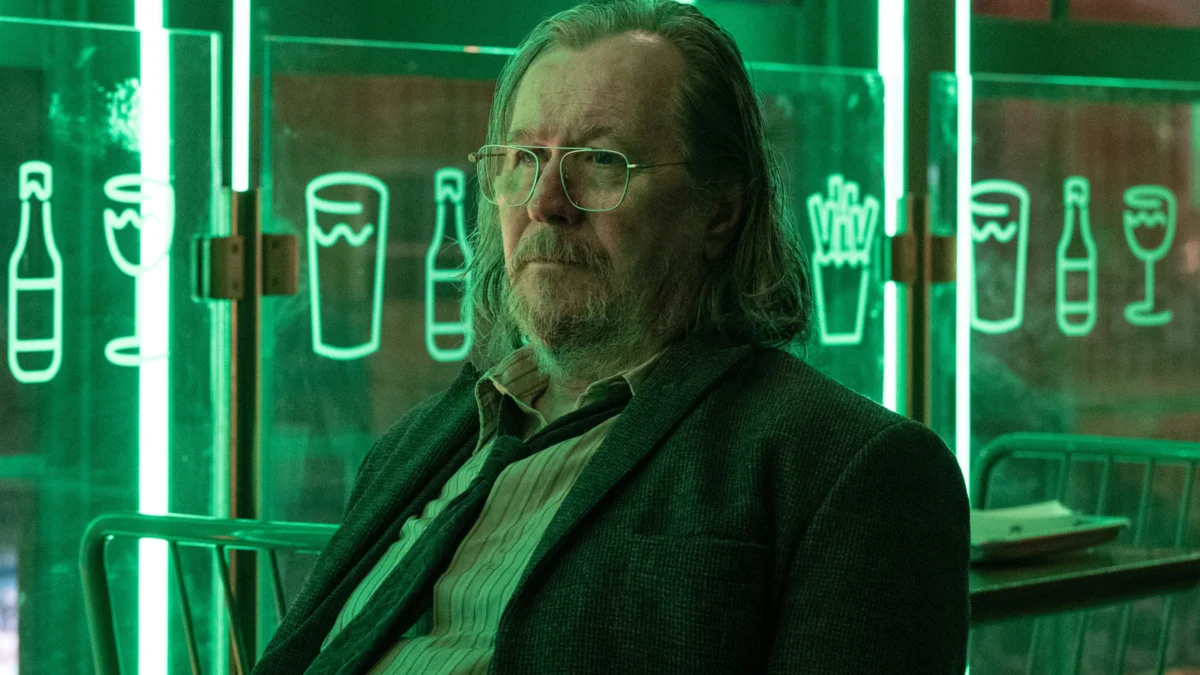
Warning: This article contains major spoilers for "Slow Horses" Season 6, Episode 4, "Lost and Found."
Since its inception, Apple TV+’s Slow Horses has distinguished itself from the polished, gadget-heavy world of James Bond or the high-octane heroics of Ethan Hunt. Instead, it offers a gritty, cynical, and often darkly comedic look at the dregs of MI5. It is a show where the heroes are defined by their failures, their addictions, and their proximity to death. However, even by the show’s own high-stakes standards, the events of the fourth episode of Season 6, "Lost and Found," have sent shockwaves through the fandom, marking the brutal, unceremonious end for one of Slough House’s most complex figures: J.K. Coe.
The Brutal Reality of Slough House
For those who have followed the series, the demise of supporting cast members is a recurring motif. The show, which tracks the lives of disgraced intelligence agents exiled to the administrative purgatory of Slough House, has never shied away from the concept that in the world of espionage, being "slow" doesn’t just mean being sidelined—it means being expendable.
Season 6 has escalated this grim reality to new heights, centering on a clandestine plot involving a shadow organization of assassins systematically hunting down former Slough House agents. The death of Struan Loy earlier in the series served as a sobering reminder that no one is safe, but the loss of J.K. Coe (played with understated intensity by Tom Brooke) hits differently.
Coe was a character defined by his quiet, eccentric nature and the visible weight of his PTSD. His death in a cramped, grimy bowling alley bathroom was a masterclass in the show’s signature "anti-glamour" aesthetic. It was not a choreographed, cinematic shootout; it was a desperate, ugly struggle between two men who—in another life—might have been comrades.
The Aesthetic of Failure: Why a Bowling Alley?
To understand the weight of this scene, one must look at the setting. Gaby Chiappe, who stepped into the role of head writer following the departure of Will Smith, explains that the choice of location was deliberate.
"It’s quite British," Chiappe notes. "It does not feel like an American bowling alley. It’s got that slightly Slow Horses-y sense of failure about it—the staff, the atmosphere, the disrepair. But it’s also a space that offers tactical utility. There are places to run, places to hide, and places to attack from. It just feels like a really exciting, grounded environment."
The choice of a bowling alley serves as a microcosm for the series itself: a place where the mundane meets the lethal. It reinforces the theme that these characters do not die in grand, sweeping gestures on the steps of Parliament; they die in the forgotten corners of London, surrounded by the remnants of everyday life.
A Dance of Death: The Choreography of Loss
The confrontation between Coe and the mysterious operative known only as "Jim" (Kyle Soller) has been compared to the infamous bathroom brawl in Mission: Impossible – Fallout. However, where the Mission: Impossible franchise celebrates the triumph of the super-spy, Slow Horses chooses to highlight the tragic humanity of the participants.
"That scene between Coe and the character that we call Jim—though I’m not sure that he’s ever given a name in dialogue—I find so moving," says Chiappe. "There is no real animosity there. There is no judgment. They both know what they have to do. They know that this is a fight to the death, and they sort of show interest in each other and a little bit of camaraderie. I find the whole thing very, very moving."
In the dialogue-light sequence, the audience is forced to witness the resignation of two men who recognize their own reflection in their opponent. When River Cartwright eventually discovers Coe’s body, it isn’t the discovery of a fallen superhero, but the quiet erasure of a man who was, at his core, a broken human being trying to do his best in a broken system.
Implications for the Remaining Slough Horses
The death of Coe leaves a palpable vacuum within the ranks of Jackson Lamb’s team. Throughout the past two seasons, Coe represented a specific type of competence—a mixture of cold, calculated logic and an underlying, perhaps dangerous, sociopathy. His presence provided a unique friction against the more impulsive members of the team.
With two episodes remaining in the season, the implications of his death are twofold:
- Psychological Impact: How will this affect the remaining members of Slough House? The team is already operating under immense pressure, and the loss of a peer—especially one who seemed to be finding his footing—further erodes their already fragile morale.
- The Escalation of the Hunt: The fact that the antagonists are now successfully penetrating the inner circle of the team suggests that the "Slow Horses" are running out of time. The hunters are no longer just picking off peripheral assets; they are coming for the core group.
The "Slow Horses" Legacy
The show has consistently been lauded as one of the best spy dramas on television, largely because it refuses to sanitize the cost of the job. By killing off a character like Coe, the writers are signaling that the stakes are higher than they have ever been.
Gaby Chiappe’s hope—that the death "matters to audiences"—is likely to be fulfilled. The audience’s investment in Coe, built over his arc of recovery and struggle, ensures that his exit feels like a genuine loss. It challenges the viewer to move beyond the excitement of the spy thriller and confront the reality of the characters’ lives: they are not just pawns in a geopolitical game, but individuals whose stories have been cut short.
Looking Ahead: The Final Two Episodes
As we head into the final act of Season 6, the mystery of the assassins remains the central narrative engine. Will the remaining team members be able to turn the tide, or is the destruction of Slough House an inevitability that even Jackson Lamb cannot prevent?
The brilliance of Slow Horses lies in its ability to balance this existential dread with biting wit. While we mourn the loss of Coe, the show’s momentum suggests that the worst—or perhaps the most explosive—is yet to come. The show’s refusal to provide a "hero’s death" for its characters is its greatest strength. In the world of Slow Horses, death is not a sacrifice; it is a consequence.
As the series continues its run on Apple TV+, the memory of J.K. Coe serves as a haunting reminder of the show’s central thesis: in the world of British intelligence, there are no happy endings, only jobs that get finished, and people who don’t come home.
Slow Horses is currently streaming on Apple TV+, with new episodes dropping weekly. The final two episodes of Season 6 promise to resolve the threads left by the tragic events in that fateful bowling alley. Fans can expect further revelations about the mysterious "Jim" and the overarching conspiracy that continues to threaten the safety of everyone at Slough House.
