
Resident Evil Returns: Can Zach Cregger’s Horror-Comedy Revitalize the Fall Box Office?
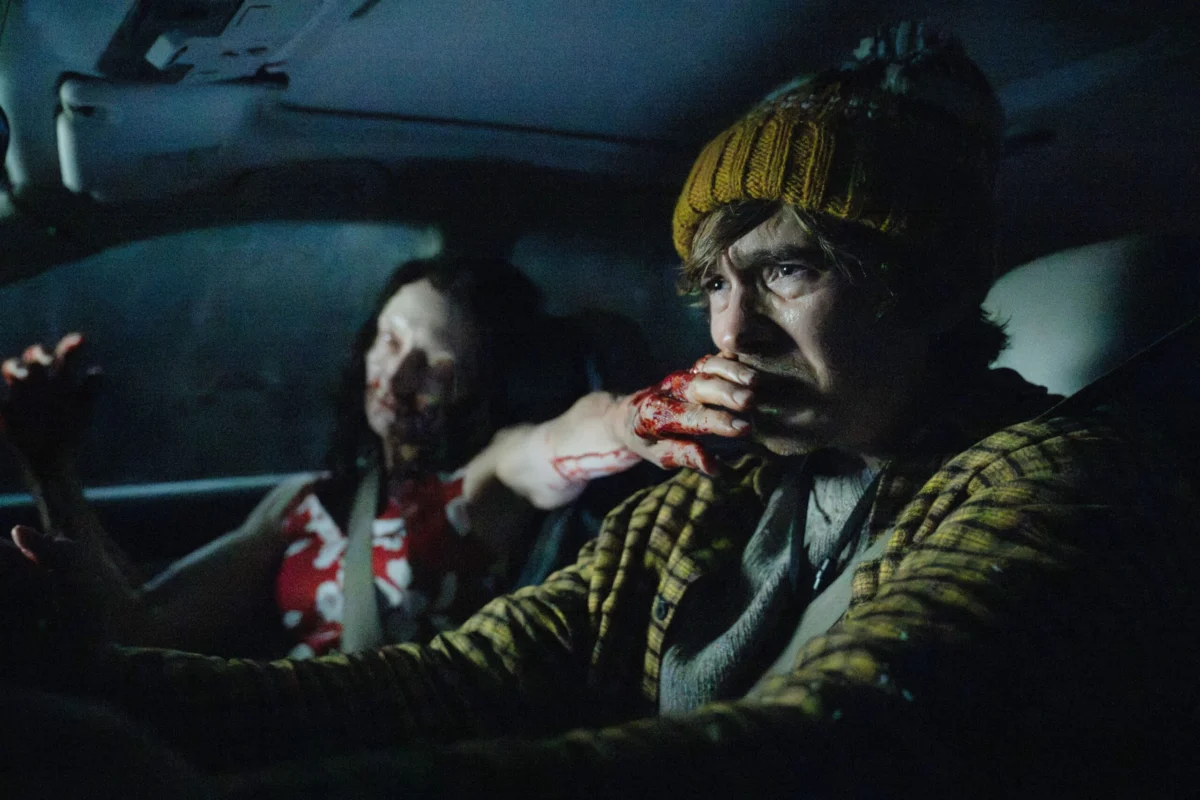
The global film industry is bracing for a pulse-pounding weekend as Sony Pictures prepares to unleash its latest reboot of the iconic Resident Evil franchise. Following a summer defined by both high-profile successes and lingering mid-season slumps, theater operators are pinning their hopes on this horror-comedy hybrid to act as a definitive catalyst for the early fall box office. With projections suggesting a robust opening, the industry is watching closely to see if this iteration can finally break the cycle of inconsistency that has plagued the property in recent years.
The Main Event: Projections and Expectations
Sony’s Resident Evil is currently tracking for a domestic debut between $40 million and $50 million. However, industry insiders and independent tracking services suggest that these figures may be conservative. Fueled by glowing early reviews and a surge of organic word-of-mouth, many analysts now believe the film could easily breach the $50 million mark, potentially climbing toward $60 million by the close of the weekend.
For Sony, the film represents a calculated $75 million investment—a significant budget for a horror reboot, but one that underscores the studio’s confidence in the material. The excitement among exhibitors is palpable, largely due to the pedigree of its director, Zach Cregger. Cregger, who transformed the landscape of horror last August with the breakout hit Weapons, has proven his ability to turn high-concept tension into massive commercial success. Weapons, an R-rated thriller about missing students, opened to $43 million and eventually grossed a staggering $270 million globally against a modest $38 million budget, culminating in an Academy Award win for supporting actress Amy Madigan. Investors are hoping for a similar lightning-in-a-bottle moment with this new installment of the zombie-infested saga.
A Legacy of Infection: The Chronology of Resident Evil
The Resident Evil brand is a titan of multimedia entertainment, tracing its origins back to the seminal 1996 video game by Capcom. Over the last three decades, it has evolved into a juggernaut spanning dozens of sequel games, television adaptations, and comic series.
The cinematic journey began in 2002 with Paul W.S. Anderson’s original Resident Evil, which introduced Milla Jovovich as Alice, a former security specialist and covert operative. That film laid the foundation for a franchise that became a global phenomenon, with Jovovich starring in five sequels throughout the 2000s and 2010s. Collectively, these films grossed over $1 billion worldwide, holding the title for the highest-grossing film series based on a video game for years.
However, the franchise’s history is not without its casualties. In 2021, Sony attempted a gritty reboot with Resident Evil: Welcome to Raccoon City. Despite a lower budget of $25 million, the film was a critical and commercial disappointment, managing only $42 million globally. When compared to the original series—where entries consistently debuted in the $20 million range—Welcome to Raccoon City’s $5.3 million domestic opening was a stark wake-up call for the studio.
The new film is positioned to change that trajectory. With a projected opening of $40 million-plus, it is set to achieve the largest domestic debut in the history of the entire franchise, comfortably surpassing the $26 million domestic launch of the 2010 hit Resident Evil: Afterlife, which eventually rode strong international momentum to a $300 million global total.
Supporting Data: Why This Time is Different
The shift in tone for the new Resident Evil is the primary differentiator. By leaning into the "horror-comedy" genre, Cregger is tapping into a modern cinematic appetite for self-aware, genre-bending storytelling.
The plot follows a medical courier—portrayed by Weapons breakout star Austin Abrams—as he fights through a viral outbreak that has turned Raccoon City into a chaotic slaughterhouse. Critics have been quick to praise the film’s unique identity. Writing for Variety, chief film critic Owen Gleiberman noted that the film feels "different, and much better, than the other Resident Evil movies," highlighting Cregger’s ability to balance visceral gore with a distinct, irreverent stylistic flair.
The economic implications of this release are significant. As the only major studio release hitting theaters this weekend, Resident Evil has effectively secured a monopoly on the premium large-format screens. It will face zero direct competition for the horror-thriller demographic, allowing it to dominate the top spot on domestic charts while holdovers like Spider-Man: Brand New Day and The Odyssey continue to provide a steady, if aging, stream of revenue for exhibitors.
Official Responses and Industry Outlook
The consensus among theater owners is one of cautious optimism. Following a summer season that saw mixed results for tentpole features, the industry is desperate for a "must-see" event that brings younger audiences back into the lobby.
"We are seeing a trend where audiences are responding to director-driven horror," says one regional multiplex operator. "Zach Cregger has a brand now. When people see his name attached, they expect a certain level of craft and tension. If Resident Evil hits the high end of these projections, it will signal a very healthy end to the third quarter."
The studio, meanwhile, is keeping its marketing focus on the film’s "cinematic gorefest" elements, leaning into the nostalgia of the video games while promising a fresh start for new audiences. By distancing the film from the tonal inconsistencies of the 2021 reboot, Sony is successfully rebranding the property as an elevated, modern horror experience.
Implications: The Road to Winter
The success of Resident Evil this weekend is merely the first act of a larger theatrical strategy for the autumn season. The box office is expected to heat up significantly as the calendar turns toward October.
Next weekend, the market will become increasingly crowded with a trio of highly anticipated titles. Paramount is set to test the star power of Brad Pitt with the survival thriller Heart of the Beast, while Universal and DreamWorks Animation will look to capture the family demographic with Forgotten Island. Meanwhile, A24 continues its push into the mainstream with Primetime, a chilling thriller starring Robert Pattinson that draws thematic inspiration from true-crime culture.
Furthermore, Disney has announced a strategic re-release of Avengers: Endgame to keep the multiplexes buzzing before the highly anticipated debut of Avengers: Doomsday in December. This surge of content, led by the potential success of Resident Evil, suggests that the "fall slump" may become a thing of the past.
For now, however, the burden of performance falls squarely on the shoulders of Cregger and his team. If Resident Evil can scare up the projected $50–$60 million, it will not only provide a massive win for Sony but also prove that legacy video game properties still hold significant power when placed in the hands of creative, vision-led filmmakers. The zombies are hungry, and if early tracking holds true, the audience is ready to feast.
