
The Digital Frontier: The Evolution, Impact, and Future of CGI in Cinema
From the humble, ten-second experiment in 1973’s Westworld to the hyper-realistic, oceanic majesty of Avatar: The Way of Water, Computer Generated Imagery (CGI) has fundamentally rewritten the DNA of motion pictures. Once a niche novelty, CGI has become the backbone of the modern blockbuster, a tool that—when wielded with precision—transcends mere spectacle to become a vital instrument of storytelling. Yet, as we navigate an era of "virtual production" and AI-assisted animation, the relationship between the filmmaker and the digital canvas is undergoing a profound and often contentious transformation.
The Foundations: Defining CGI and VFX
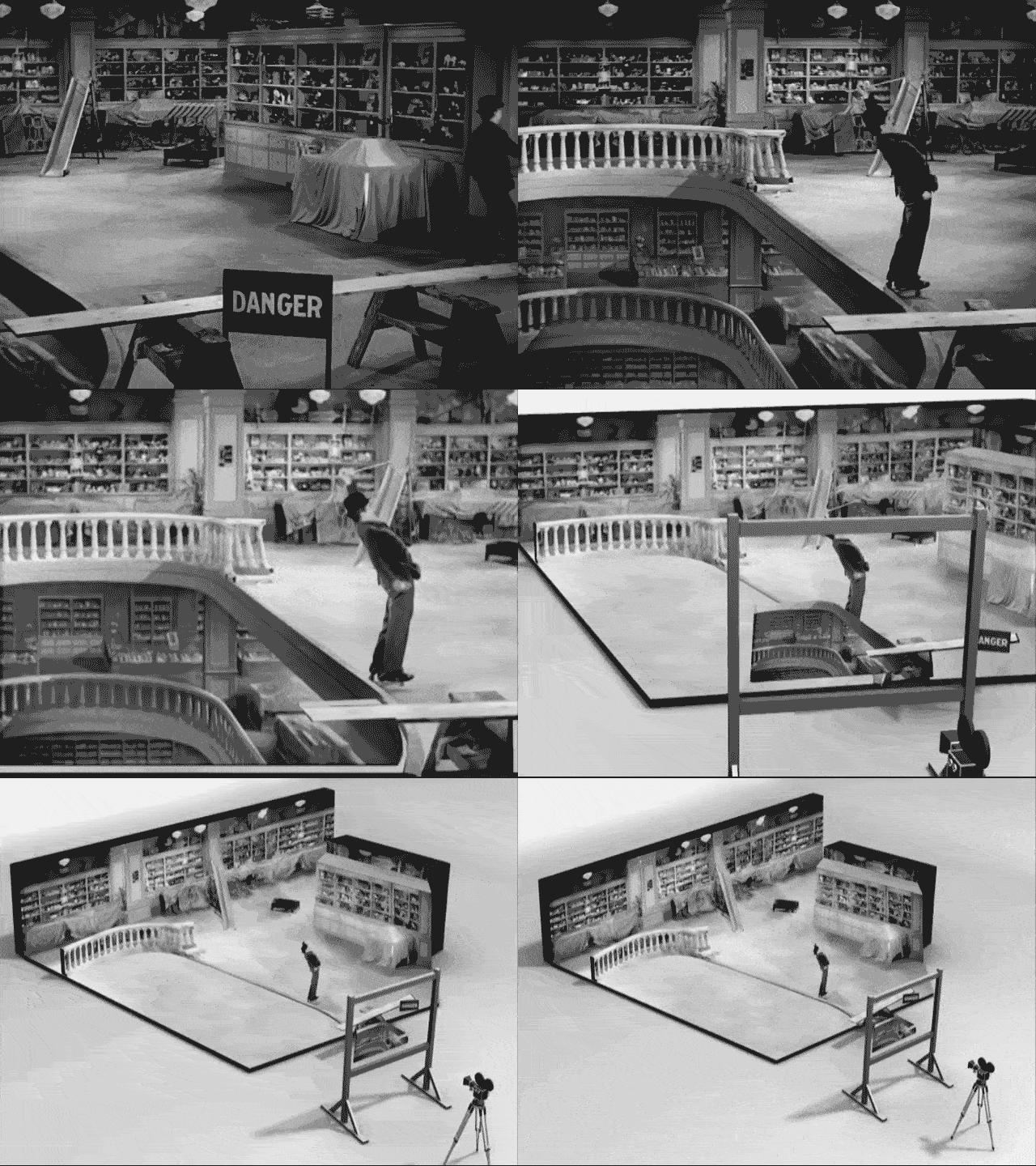
To understand the cinematic landscape, one must first dismantle the common misconception that Visual Effects (VFX) and CGI are interchangeable terms. In the professional lexicon, VFX is the umbrella term for any imagery created, altered, or enhanced for a film outside of the context of the live-action shoot. This includes everything from the classic "matte painting" of the 1940s to modern rotoscoping and digital compositing.
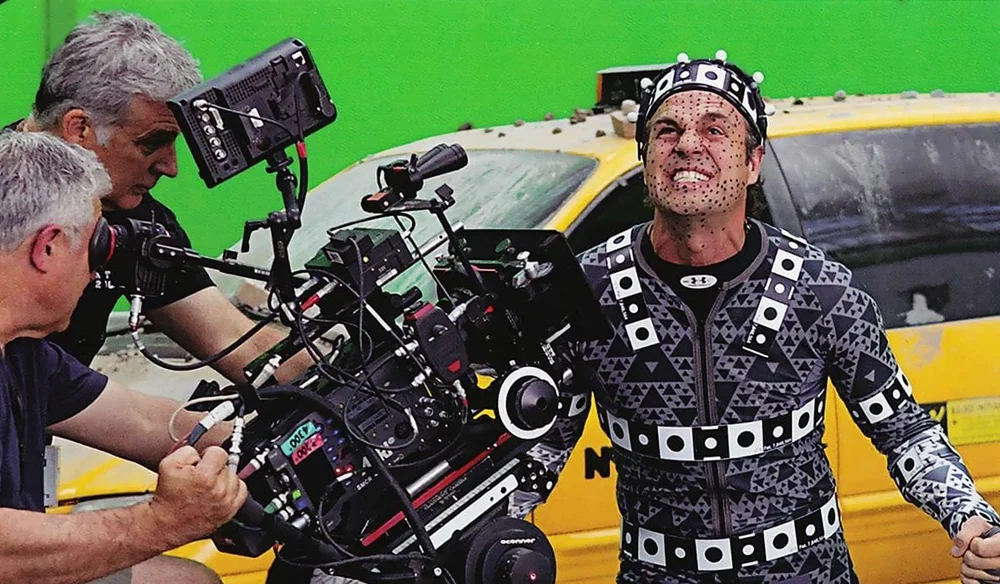
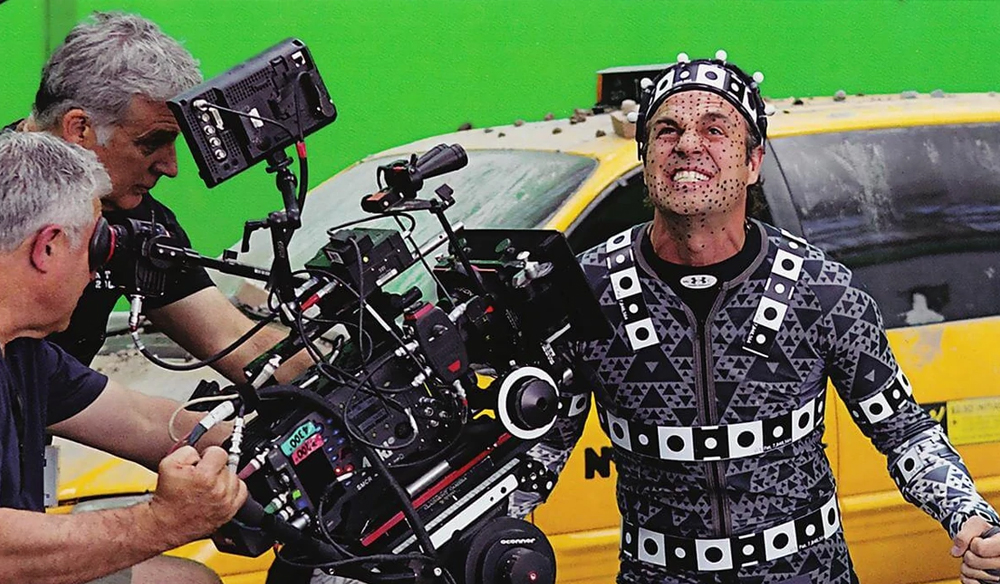
CGI, conversely, is a specific subset of VFX. It refers exclusively to visuals generated from scratch using computer software—mathematical models rendered into light and shadow. When Mark Ruffalo stands in a motion-capture suit on a stage, the computer-generated Hulk that emerges later is the result of CGI. However, the New York streetscape surrounding him, layered in by compositors to replace the green screen, is a triumph of VFX.
The convergence of these fields has allowed for a level of narrative freedom previously thought impossible, turning the director’s chair into a gateway for any reality the human mind can conceive.

A Chronology of Digital Innovation
The history of CGI is a timeline of rapid technological acceleration.
- The 1970s (The Dawn): In 1973, Westworld introduced the world to the "robot’s eye view," a primitive yet revolutionary attempt to digitize film frames into numerical data. This was followed by the 1977 landmark Star Wars: A New Hope, which utilized a 3D wireframe tactical map for the Death Star trench run—a sequence that proved digital graphics could convey complex information within a story.
- The 1990s (The Character Revolution): The 1991 release of Terminator 2: Judgement Day remains a pivotal moment. Industrial Light & Magic (ILM) pushed the boundaries of liquid-metal rendering, proving that CGI could exist as a dynamic, physical antagonist. Shortly after, 1993’s Jurassic Park perfected the blend of animatronics and CGI, while 1999’s Star Wars: The Phantom Menace introduced the first fully CGI character (Jar Jar Binks) capable of sustained, spoken interaction with live actors.
- The 2000s and 2010s (The Age of Immersion): The Matrix (1999) changed the physical language of film with "bullet time," while Avatar (2009) revolutionized performance capture, allowing the nuances of an actor’s soul to be mapped directly onto a digital alien avatar.
- The 2020s (The Era of Virtual Production): Today, technology like the "Volume"—a stage surrounded by high-resolution LED screens—allows directors to see the final background in real-time, effectively killing the traditional green screen for many high-budget productions.
Supporting Data: The Cost of Spectacle
While CGI has expanded the boundaries of imagination, it has also introduced a paradox of "efficiency versus quality." Modern blockbusters are often greenlit with massive budgets—frequently exceeding $200 million—yet they face criticism for "unpolished" visual work.
The data suggests this is rarely a failure of technology, but rather a failure of process. Marvel Studios, for instance, has faced intense scrutiny regarding the treatment of VFX artists. Industry reports indicate that the "fix it in post" mentality—driven by constant, late-stage script changes and reshoots—has created a "crunch culture." When artists are given weeks to complete shots that should take months, the resulting CGI appears "floaty," incongruous, or visually jarring.
Furthermore, the "CGI-free" marketing trend—famously championed during the press cycle for Top Gun: Maverick—serves as a marketing tactic that often obscures reality. While Maverick used incredible practical aviation photography, it still relied on over 2,500 VFX shots to polish, color-grade, and augment the final film.
Official Responses and Industry Shifts
The creative community is currently divided on the trajectory of CGI. On one side, visionaries like James Cameron and Christopher Nolan advocate for a "hybrid model." In Inception, Nolan famously used a rotating hallway set (a practical effect) combined with digital cleanup to create a gravity-defying sequence that feels grounded in physics. This, many argue, is the "Gold Standard": CGI should be the invisible thread that holds reality together, not the reality itself.
Conversely, the rise of "Virtual Production" is being hailed as the savior of the industry. By using LED volumes, actors can react to lighting and environments that are actually visible on set, potentially reducing the need for the "uncanny valley" effects that plague modern films.
However, major studio heads have had to address the backlash against "quantity over quality." Kevin Feige and other industry leaders have been forced to confront the sustainability of the current production pipeline, as audiences have shown a marked weariness toward films that feel entirely disconnected from the physical world.
Implications for the Future of Cinema
As we look toward the future, the implications of CGI are both exciting and sobering.
1. The Democratization of Creativity:
The barrier to entry for CGI has collapsed. With free, powerful software like Blender, a student in their bedroom can now create visuals that would have cost a Hollywood studio millions in the 1990s. The tools of the trade are no longer exclusive to elite VFX houses; they are open-source.
2. The Ethical and Artistic Balance:
The industry is currently experiencing a "correction." As audiences become more visually literate, they are demanding more "tactile" cinema. Future films will likely lean toward a "smart-VFX" model—where digital work is planned during pre-production rather than treated as an afterthought in post-production.
3. The Role of the Actor:
As motion-capture and deepfake technology continue to advance, the definition of an "actor" is shifting. We are seeing a blurring of lines where digital doubles can replace stunt performers or even sustain the performance of legacy actors. This raises profound ethical questions about consent, digital ownership, and the sanctity of the human performance.
Conclusion: The Path Forward
CGI is neither inherently "good" nor "bad." It is a language. Like any language, it can be used to tell profound, immersive stories that move the human spirit, or it can be used to create hollow, cluttered noise. The films that endure—Mad Max: Fury Road, Ex Machina, and Dune—are those that use CGI as a brush to paint on a canvas of physical reality.

As the technology continues to evolve, the challenge for the next generation of filmmakers will not be "how" to make things look real, but "why." As we move into an era where anything is possible, the most important element of cinema remains what it has always been: the story, the performance, and the emotional truth that no amount of processing power can simulate.
The digital frontier is vast, and for those willing to master the tools while respecting the art, the potential for cinematic innovation has never been greater. Whether you are an aspiring VFX artist or a cinephile, the message is clear: the pixels are just the beginning. The story is yours to render.
