
The General’s Toughest Battle: Why ‘Tulsa King’ Season 4 Represents a Seismic Shift for Dwight Manfredi
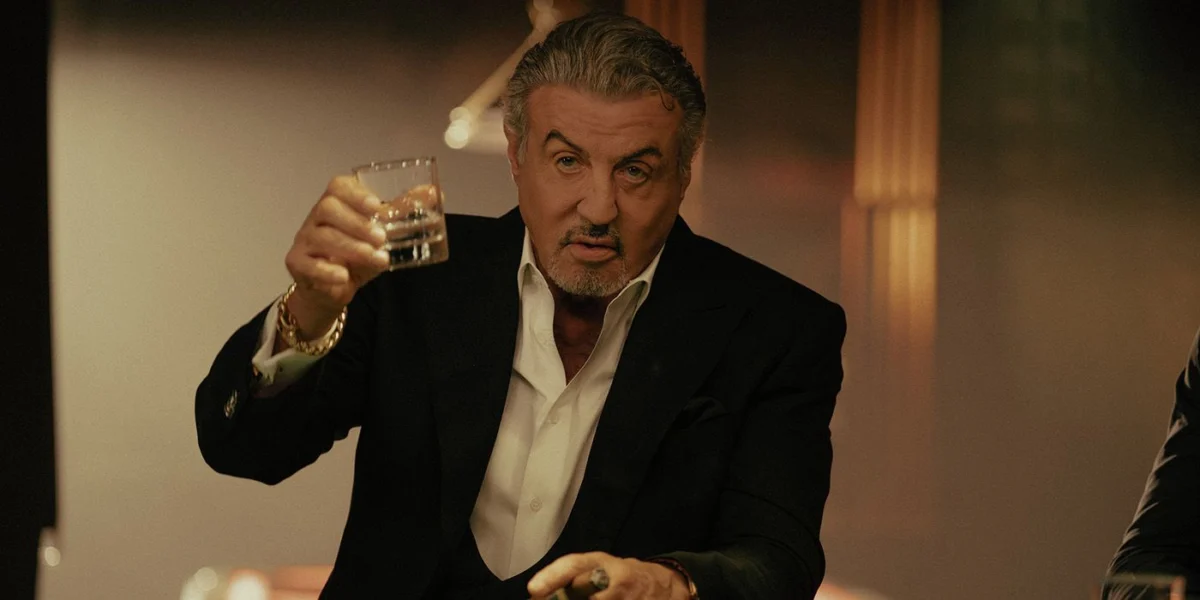
As the leaves turn and the air grows cold, the stakes for Dwight "The General" Manfredi have never been higher. With the highly anticipated premiere of Tulsa King Season 4 arriving this week, fans are bracing for a transformative chapter in the saga of the New York mobster-turned-Oklahoma entrepreneur. Sylvester Stallone’s iconic character, who once navigated the treacherous waters of the New York Mafia with ease, now finds himself caught in a high-stakes chess match where the board has shifted from back-alley deals to the halls of government.
Since his exile to the Sooner State, Dwight has built a sprawling, albeit unconventional, empire. From medical marijuana dispensaries and car dealerships to whiskey distilleries and wind energy projects, he has successfully carved out a slice of the American Dream in the heart of the Midwest. However, as Season 4 begins, that empire is facing its most existential threat yet: not from a rival mob family, but from a calculated, political adversary who holds the power of the state in his hands.
The Architect of the Empire’s Downfall: Who is Cal Thresher?
To understand the conflict defining the new season, one must look closely at Cal Thresher, portrayed with chilling sophistication by Neal McDonough. Introduced in Season 2 as a high-society oil tycoon with a penchant for the medical marijuana industry, Thresher initially served as a foil to Dwight’s rugged, hands-on approach to business.
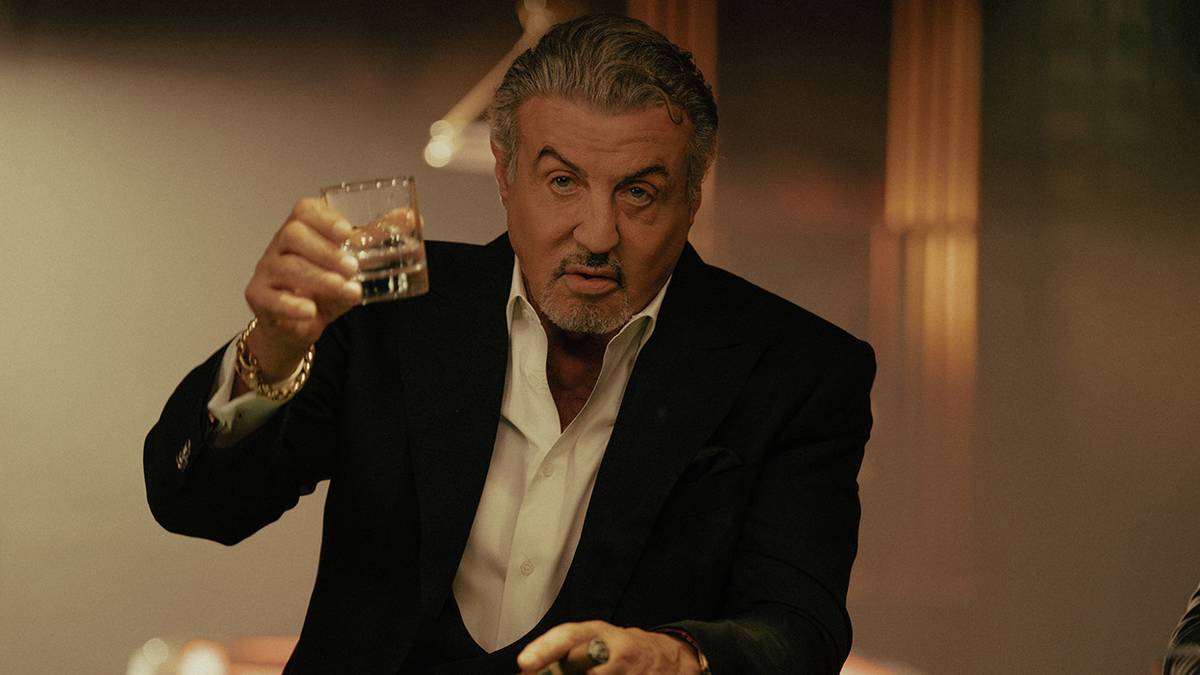
Thresher is the antithesis of the typical mob adversary. He shuns the visceral violence of the underworld, preferring to utilize institutional power and corporate maneuvering to neutralize his competition. His evolution from a wealthy businessman to the Governor of Oklahoma is a masterclass in political ambition. By weaponizing his newfound status, Thresher has moved the battleground from the streets of Tulsa to the legislative chambers of the state capital.
In the previous season, we saw a rare, uneasy alliance between the two. When the Triads threatened to dismantle Thresher’s operations, it was Dwight who stepped in to safeguard his rival’s interests—a move born more of strategic necessity than altruism. Yet, this dynamic is fundamentally altered in Season 4. As Governor, Thresher no longer needs to rely on the shadow-world tactics of organized crime; he now has the legal authority to target Dwight’s infrastructure, seize his assets, and challenge his very existence in the state.
A Chronology of Conflict: From Exile to Governance
The trajectory of Tulsa King has been defined by Dwight’s rapid ascent. To appreciate the gravity of the current season, we must look at the path that led here:

- The Exile (Season 1): Following a 25-year prison sentence, Dwight is cast out by the Invernizzi crime family. He arrives in Tulsa with nothing but his wits and a decades-old perspective on the criminal code. He begins by recruiting an eclectic crew of locals, transforming them from misfits into a cohesive business unit.
- The Expansion (Season 2): Dwight stabilizes his operations. He enters the legal cannabis market, navigates the complexities of the oil industry, and establishes a firm foothold in the local economy. It is during this time that he encounters Margaret (Dana Delany), whose influence proves pivotal.
- The Political Shift (Season 3): This was the turning point. As Dwight’s empire grew, so did the friction with local power brokers. Thresher’s decision to run for Governor, bolstered by Margaret’s political acumen, signaled the end of the "wild west" era for Dwight’s mob operations.
- The Siege (Season 4): As we enter the current season, Dwight is effectively under siege. Trailers for the new episodes reveal a stark reality: his businesses have been seized, his influence is being systematically eroded by local officials, and he is forced to retreat to the fringes of the society he helped build.
Supporting Data: The Convergence of Politics and Crime
The central conflict of Season 4—the marriage of political power and illicit commerce—is a trope common to the crime thriller genre, but Tulsa King elevates it through the lens of modern regulatory pressure. The inclusion of Gretchen Mol’s character, Amanda Clark, adds a layer of bureaucratic complexity. As a local politician championing a "crime-free" Tulsa, Clark represents the legitimate, systemic opposition that Dwight cannot simply "muscle" his way out of.
Furthermore, the involvement of Margaret is perhaps the most emotionally volatile element of the season. Her transition from a potential ally and love interest to a member of the Governor’s inner circle creates a conflict of interest that will inevitably test the bonds of trust. If Thresher chooses to use Margaret’s proximity to Dwight as a tool for leverage, the fallout will likely be the most dramatic moment in the series to date.
Official Responses and Behind-the-Scenes Insights
The production of Season 4 has been marked by a shift in tone, leaning into the darker, more conspiratorial elements of the plot. While showrunners Dave Erickson and Terence Winter have remained tight-lipped regarding specific plot twists, the industry buzz surrounding the show’s shift to New York City for the production of Season 5 suggests that the events of Season 4 will lead to a massive relocation of the narrative focus.
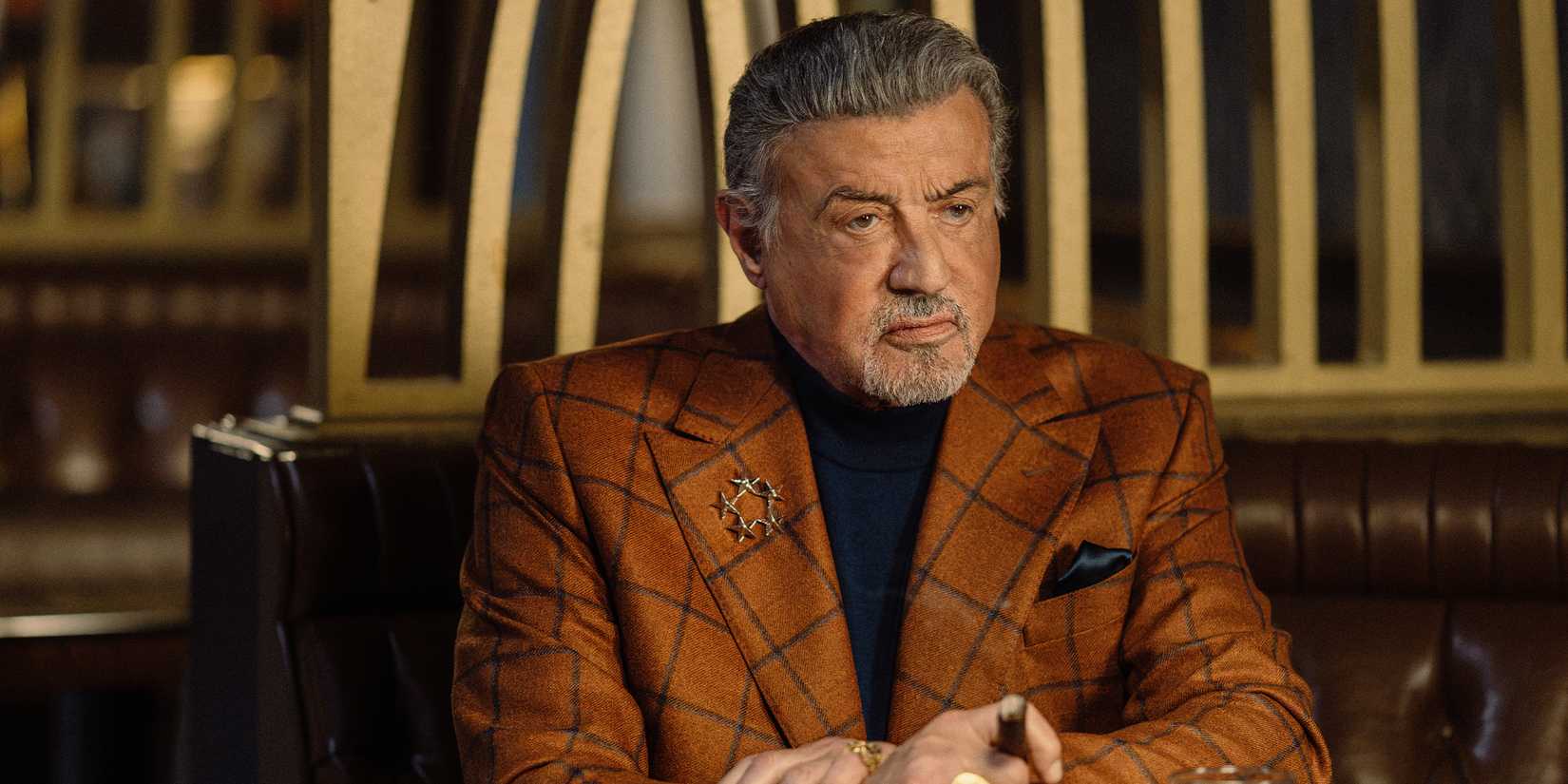
Sylvester Stallone’s commitment to the role has also been a major talking point. His recent comments regarding his involvement in the upcoming spin-off, Frisco King, indicate a broader "Sheridan-verse" strategy. By appearing in at least two and a half episodes of the spin-off, Stallone is bridging the gap between his character and the new protagonist, Russell Lee Washington Jr., played by Samuel L. Jackson. This interconnected universe allows for a level of narrative scale that is rare in contemporary television.
Implications: The End of the Tulsa Dream?
The overarching question for Season 4 is whether Dwight Manfredi can survive a war on two fronts: the legal scrutiny of the government and the persistent threat of his former associates in New York.
The implications of a failed empire in Tulsa are catastrophic for the character. If Dwight loses his legitimacy, he is essentially stripped of the very thing that made his exile meaningful. He is no longer the "General" who conquered a new frontier; he becomes merely another aging mobster waiting for the inevitable.
However, the resilience of the character is the backbone of the show. Taylor Sheridan’s writing consistently highlights the contrast between the rigid, old-world loyalty of the mob and the fluid, transactional nature of the modern world. Dwight is a man out of time, and his struggle to adapt—or his refusal to change—is what keeps the audience engaged.
As the premiere approaches, one thing is certain: the era of easy money and unchallenged growth in Tulsa has ended. Whether Dwight will burn his empire to the ground to prevent it from falling into the hands of the state, or whether he will find a way to manipulate the political machinery to his advantage, remains the primary hook of this season.
Looking Ahead: The Expanding Frontier
While Tulsa King fans focus on the immediate threats to Dwight, the horizon for the franchise looks expansive. With Tulsa King Season 5 already in production and the anticipation surrounding Frisco King, the "Taylor Sheridan effect" continues to dominate the streaming landscape. The ability to craft long-form, gritty crime dramas that feel both intimate and epic is a hallmark of this creative team.

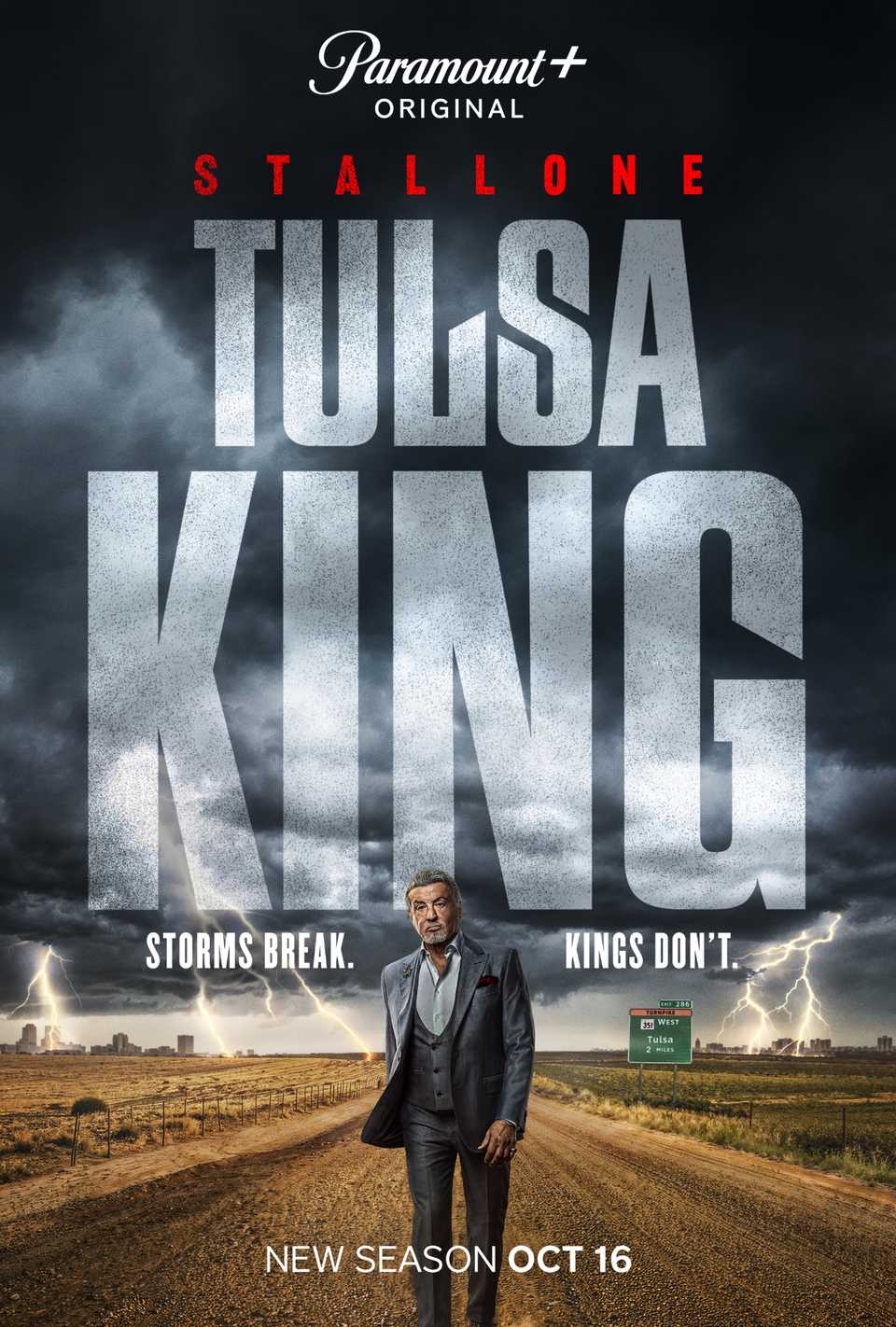
For now, all eyes are on the October 16th premiere. As Dwight Manfredi stands in the wreckage of his businesses, looking toward a future that feels increasingly like a closing trap, viewers will be watching to see if the General has one more masterstroke left in his arsenal. In the game of politics, just as in the game of the mob, the most dangerous man is the one who has nothing left to lose. And as we enter Season 4, Dwight may find that he is exactly that man.
