
How Disney+’s Loki Accidentally Laid the Groundwork for Avengers: Doomsday and the MCU’s New Era
By Lewis Glazebrook
Published October 15, 2026
Main Facts
The Marvel Cinematic Universe (MCU) has undergone one of the most dramatic narrative pivots in modern blockbuster history. Following real-world legal developments involving actor Jonathan Majors, Marvel Studios shifted its Multiverse Saga strategy away from Kang the Conqueror—the multiversal threat originally set up in Ant-Man and the Wasp: Quantumania and Disney+’s Loki—and pivoted toward Victor Von Doom.
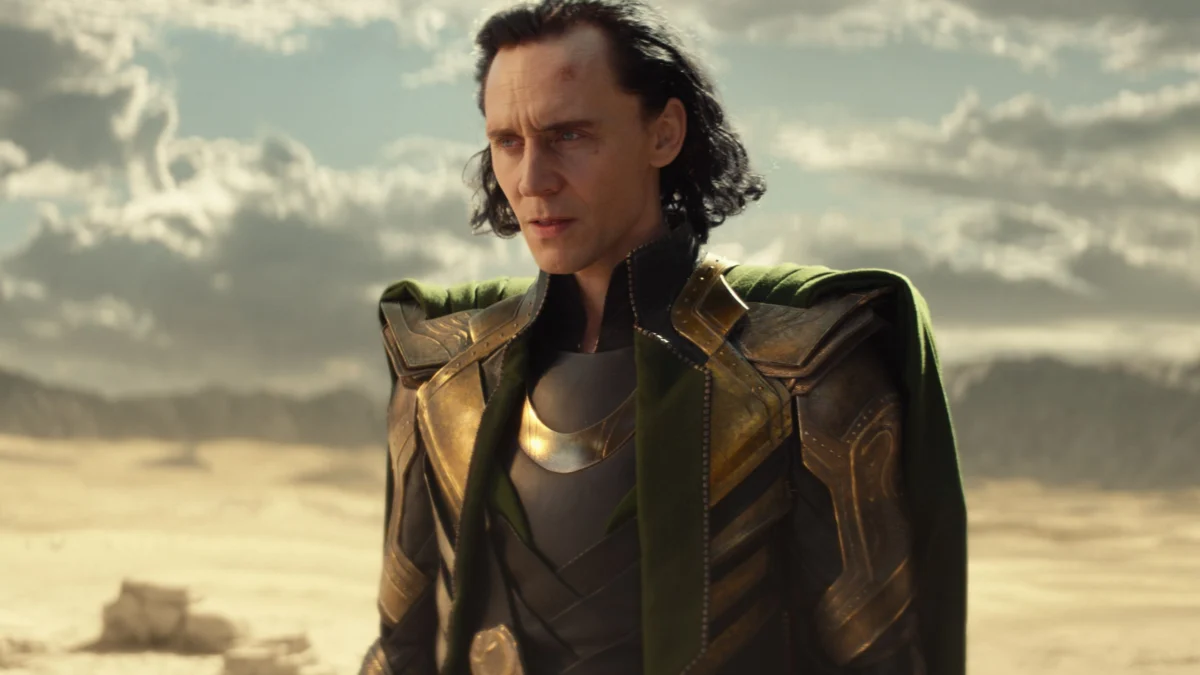
Despite this abrupt change in direction, Tom Hiddleston is officially locked in to reprise his role as the God of Mischief in Avengers: Doomsday. While many critics initially feared that the transition from Kang to Doctor Doom would render the two seasons of Loki obsolete, a closer narrative inspection reveals the opposite. The foundational opening scenes of Loki—tracing back to its 2021 series premiere and its roots in Avengers: Endgame—remain the ultimate structural roadmap for Avengers: Doomsday. Furthermore, the series unintentionally provides the foundational logic for Doctor Doom’s arrival and neatly resolves potential plot holes regarding the abrupt sidelining of the Council of Kangs.
Chronology of the Multiverse Saga’s Evolution
To understand how Loki anchors the upcoming fifth Avengers installment, it is necessary to chart the evolution of the Multiverse Saga’s plotting across several distinct phases:
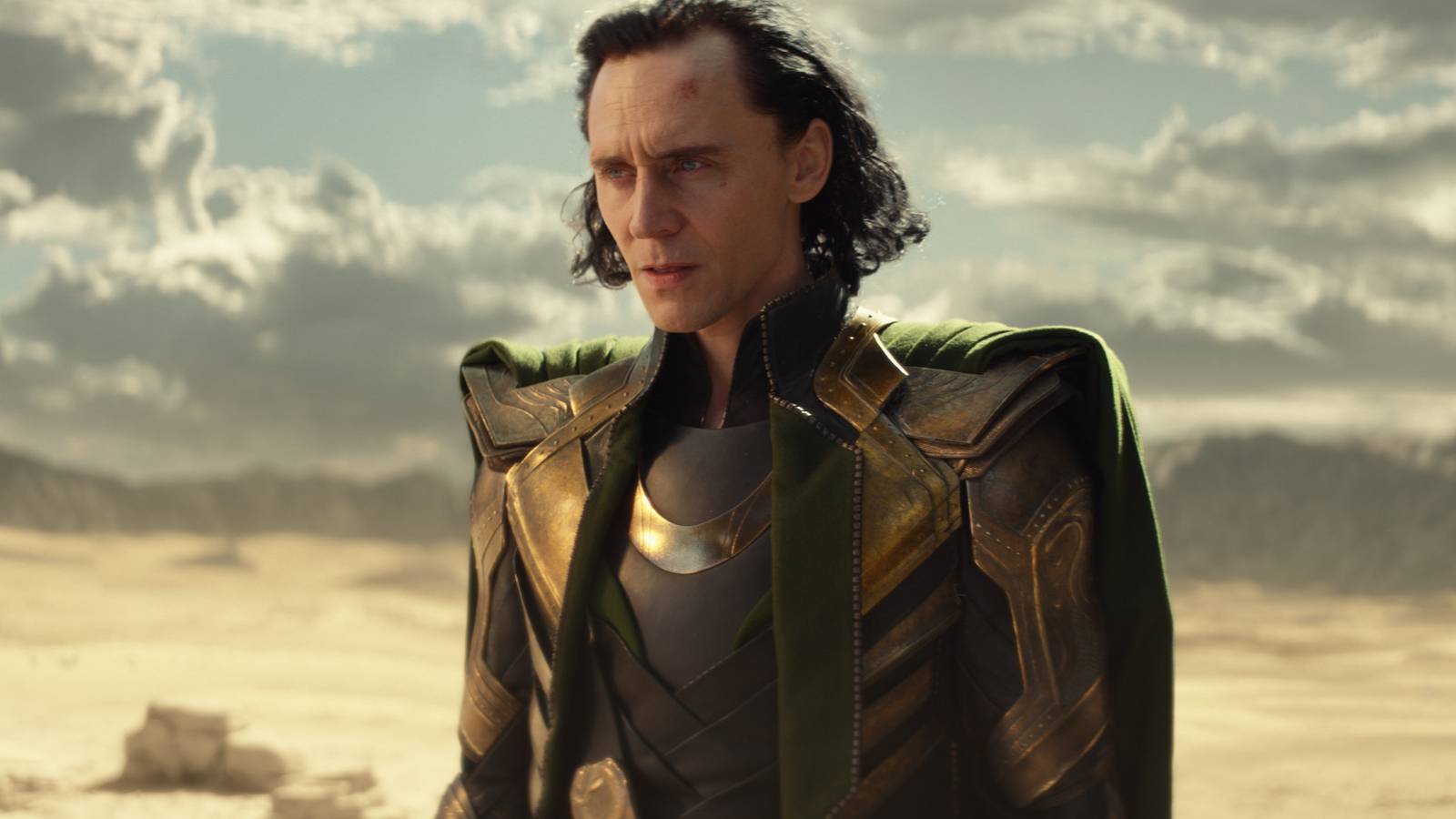
- The Catalyst (2019–2021): In Avengers: Endgame, the Avengers break time to reverse the Blip, unwittingly generating a branched timeline that allows a 2012 variant of Loki to escape with the Tesseract. This narrative thread flows directly into the premiere of Disney+’s Loki, where the Time Variance Authority (TVA) introduces the concept of the Sacred Timeline and the dangers of a branching multiverse.
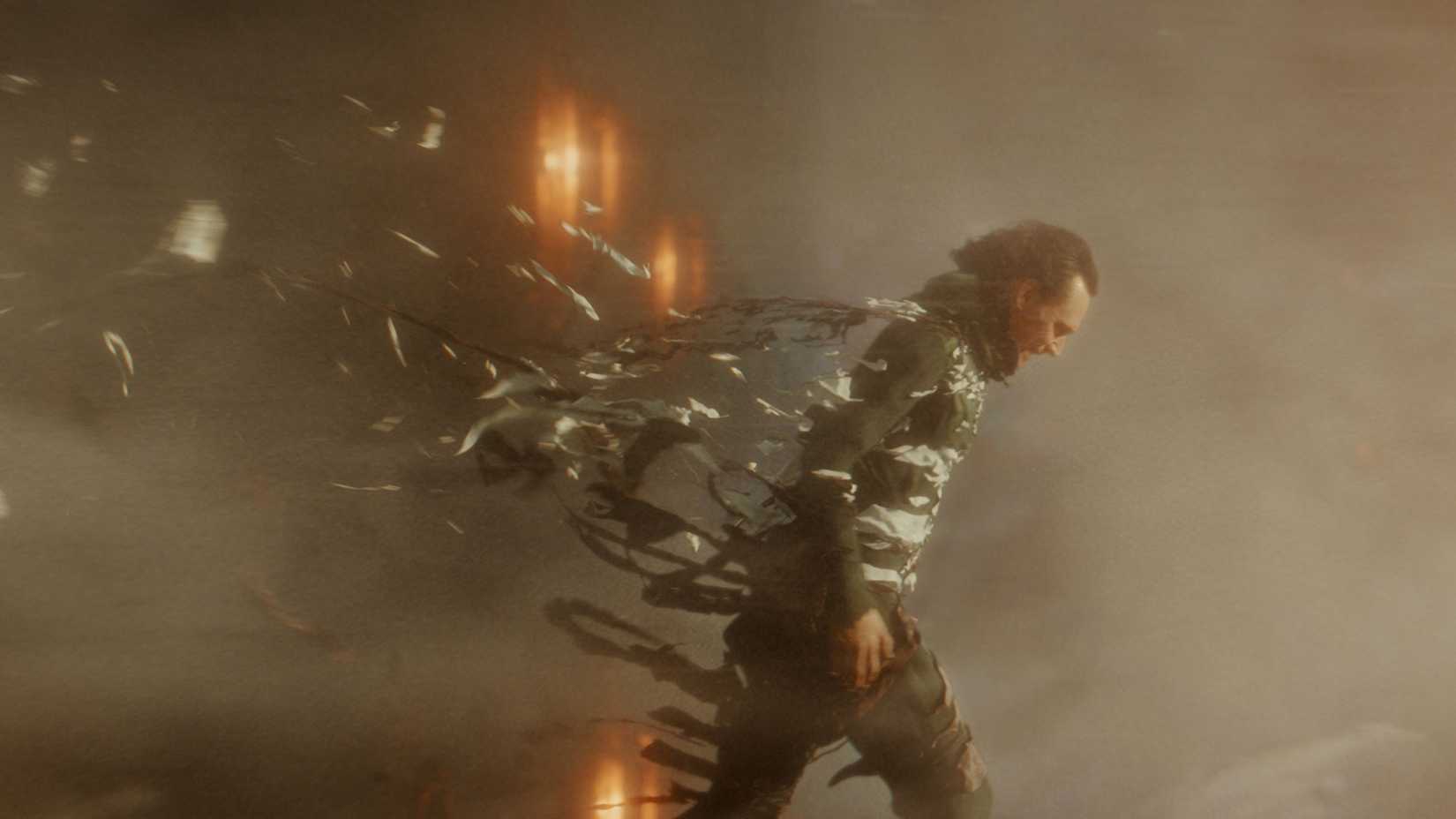
- The Kang Build-Up (2021–2023): Over two seasons of Loki and theatrical releases like Ant-Man and the Wasp: Quantumania, Marvel established Kang the Conqueror and his infinite variants as the overarching menace of the Multiverse Saga. Loki Season 2 culminated with the destruction of the Loom and Loki transforming into the literal anchor holding the sprawling multiverse together.
- The Pivot to Doom (2024–Present): Due to behind-the-scenes real-world adjustments, Marvel Studios altered course. Avengers: The Kang Dynasty was officially rebranded as Avengers: Doomsday, with Doctor Doom stepping in as the saga’s primary antagonist. Promotional materials, including trailers for Avengers: Doomsday, confirmed that the Fantastic Four of Earth-828—and by extension Victor Von Doom—hail from a universe entirely separate from the MCU’s mainline continuity.
Supporting Data and Narrative Connections
While Loki was explicitly designed to introduce the mechanics of Kang’s incursions and the dangers of the multiverse, its core themes and mechanics accidentally paved the exact pathway needed to introduce Doctor Doom.
The Multiversal Genesis of the Fantastic Four and Doom
Trailers and official casting notes for Avengers: Doomsday confirm that Earth-828’s iteration of the Fantastic Four shares a deeply rooted history with Victor Von Doom. Because these characters exist outside the sacred timeline of Earth-616, their very existence is contingent upon the expansion of the multiverse.

Without Loki’s transformative choice in the Season 2 finale—where he opts to maintain the infinite branches of the multiverse rather than pruning them—the reality housing Earth-828, the Fantastic Four, and Doctor Doom would never have been allowed to flourish. In this sense, Loki serves as the literal Genesis point for Doom’s corner of the multiverse.
Closing the Kang Loophole via the TVA
A pressing concern among fans has been how Marvel Studios plans to handle the loose threads left behind by Kang and the Council of Kangs, who were heavily teased in the mid-credits scene of Quantumania. If Avengers: Doomsday completely ignores Kang, it risks creating a glaring narrative void.
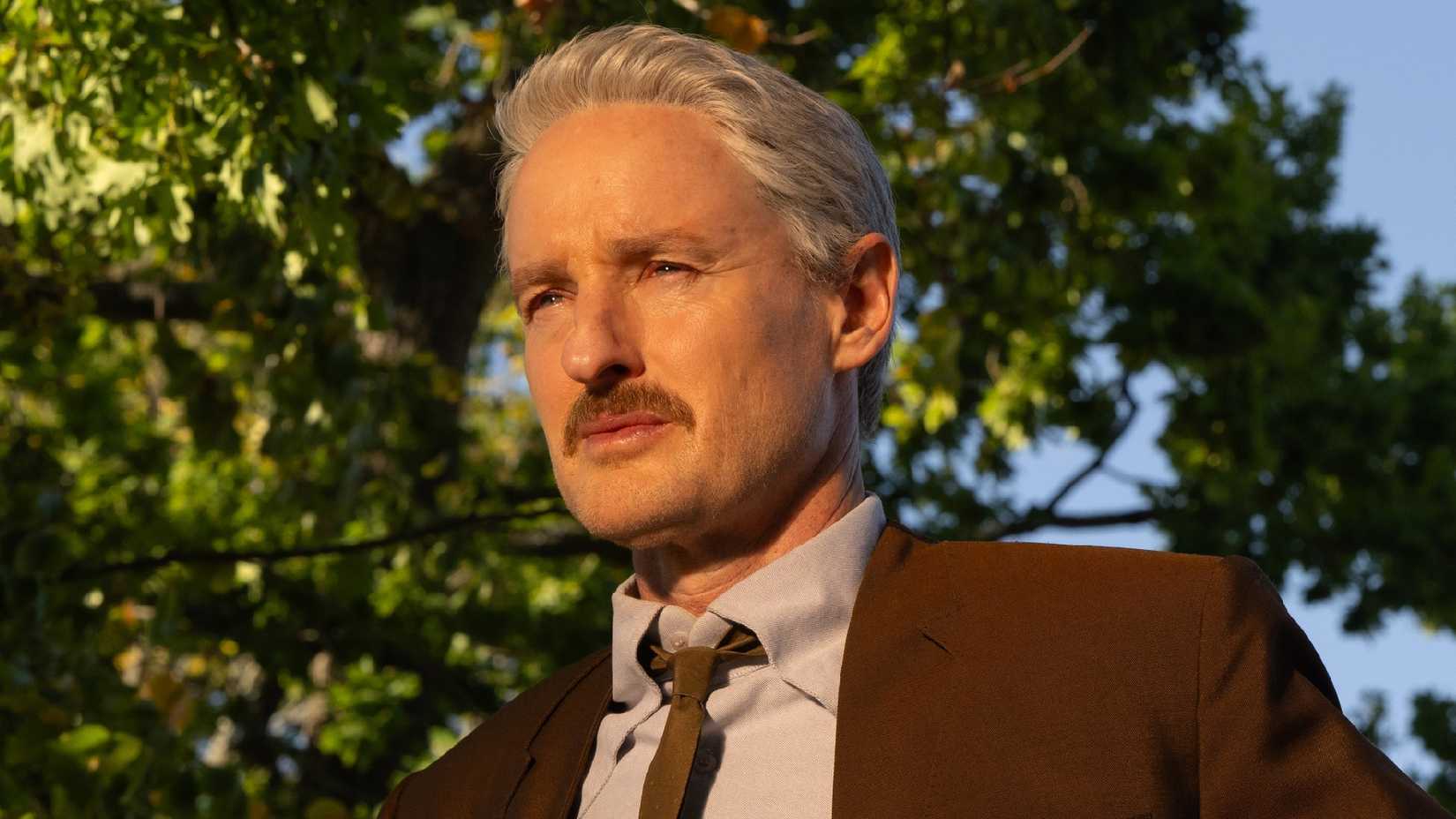
However, Loki Season 2 already built the mechanism to handle this. Under the reformed leadership of Mobius M.M.M. and Hunter B-15, the TVA is explicitly shown monitoring variant activity across the timelines. It requires very little narrative suspension of disbelief for Avengers: Doomsday to establish that the TVA successfully contained the multi-versal threat of the Kangs, only for a far more formidable, localized threat—Doctor Doom—to emerge from the deeper folds of the multiverse, necessitating Loki’s personal intervention.
Official Responses and Creative Direction
Marvel Studios executives and creatives have long praised the foundational work done by Michael Waldron, head writer of Loki Season 1, and Eric Martin, head writer of Season 2, for establishing the rules that govern the current era of MCU storytelling. While the studio has remained tight-lipped regarding the exact plot mechanics bridging Loki‘s finale to Avengers: Doomsday, executive interviews confirm that the multiverse rules established in the television series remain the absolute law of the land for all upcoming crossover events.
Tom Hiddleston’s return in Avengers: Doomsday further solidifies that the character’s television arc was never a standalone side-story. Instead, it functions as the connective tissue holding the cinematic universe’s sprawling realities together. Directors and writers steering the Avengers franchise have leaned heavily on the TVA framework to navigate the logistical nightmare of crossing over disparate cinematic universes—including Fox’s legacy Marvel properties and the MCU proper.
Implications for the Future of the MCU
The realization that Loki acts as the primary scaffolding for Avengers: Doomsday carries several significant implications for the future of the Marvel Cinematic Universe:
- Television Integration is Permanent: For years, fans debated whether Disney+ series were "essential viewing" or mere supplementary fluff. By anchoring the climax of the Multiverse Saga to the character arc of a television protagonist, Marvel Studios cements the streaming series as mandatory chapters in the overarching cinematic narrative.
- Redefining Villain Transitions: The smooth narrative pivot from Kang to Doctor Doom demonstrates the resilience of high-concept serialized storytelling. By relying on universal structural rules—such as the TVA’s oversight and the fragility of the multiverse tree—Marvel can course-correct major antagonists without completely scrapping its internal logic.
- The Ultimate Fate of Loki: As the sole guardian of the multiverse, Loki’s role in Avengers: Doomsday and Avengers: Secret Wars transforms him from a self-serving trickster into the literal linchpin of all reality. How his divine responsibilities clash with the incursions threatened by Doctor Doom will likely dictate the emotional core of the MCU for years to come.
Ultimately, what began as an exploratory television spin-off in 2021 has retroactively become the most important piece of world-building in modern superhero cinema. As Avengers: Doomsday approaches, all roads continue to lead back to the end of time, where Loki sits alone, unknowingly holding the door open for Doctor Doom.
