
The Evolution of Intimacy: Why ‘Nobody Wants This’ Season 3 Is the Rom-Com Renaissance We Needed
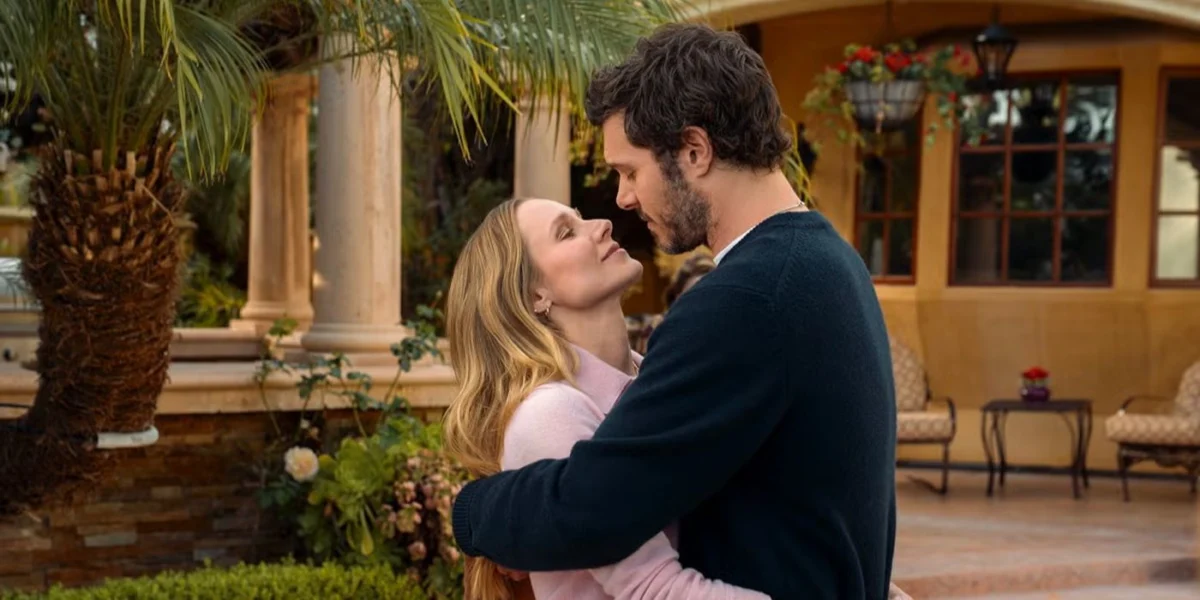
In an era where the romantic comedy genre has frequently struggled to find its footing—often oscillating between overly cynical deconstructions and hollow, formulaic streaming filler—Netflix’s Nobody Wants This has emerged as a rare, shimmering exception. Loosely inspired by the real-life experiences of creator Erin Foster, the series centers on the unlikely collision between Joanne (Kristen Bell), a sharp-tongued, irreverent relationship podcaster, and Noah (Adam Brody), a compassionate, progressive rabbi.
While the premise—the classic "opposites attract" trope—might appear modest on paper, the series has transcended its genre trappings to become a cultural touchstone. With the arrival of its third season, Nobody Wants This proves that the secret to a successful modern rom-com isn’t just about the "meet-cute"; it’s about the "stay-put." As the series enters its third installment, it solidifies its place as a masterclass in healthy communication, character evolution, and the art of sustaining a long-term narrative arc.
The Narrative Foundation: Building on Two Seasons of Growth
To understand the stakes of Season 3, one must look back at the journey of the preceding two years. When the show first debuted, it was praised for the crackling, undeniable chemistry between Bell and Brody. However, as any television critic will note, the sophomore slump is a persistent threat. Season 2, while buoyed by the leads’ natural rapport, occasionally struggled with narrative inertia. It felt, at times, as though the show was spinning its wheels, afraid to move the couple out of the "honeymoon phase" and into the complexities of domestic reality.
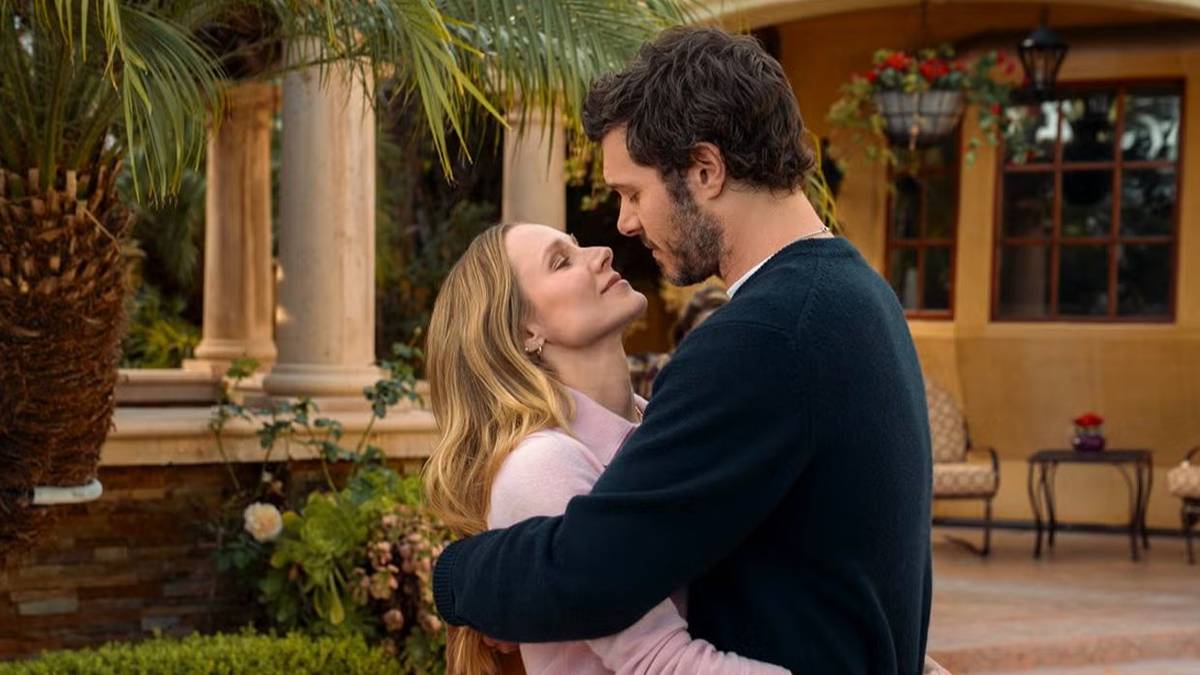
Season 3 effectively shatters that hesitation. The plot picks up immediately following the conclusion of the second season, with Noah and Joanne having committed to a life together. The primary hurdle? The logistical and emotional reality of moving in together. This isn’t just a change of address; it is a fundamental shift in their relationship dynamic. For a couple that was built on the excitement of stolen moments and illicit sparks, moving into a shared space forces them to confront the mundane friction of daily life—and the lingering influence of their respective families.
A Chronology of Commitment: From Conversion to Connection
The trajectory of Season 3 is defined by deliberate, earned milestones. The narrative wastes no time in grounding the romance in reality. Joanne’s journey, specifically, is a focal point of the season. No longer is her interest in Judaism a vague, abstract curiosity; she is now actively attending conversion classes. This provides the season with a much-needed structural backbone.
The introduction of Andrew Rannells as a "frenemy" in these classes adds a layer of sharp, witty tension that prevents the religious exploration from feeling overly didactic. Instead, it becomes a crucible for Joanne’s character growth. She is learning to compromise—not for the sake of the relationship, but for the sake of the person she wants to become.
Simultaneously, the world of the show expands beyond the familiar geography of Eagle Rock and Westwood. In a bold stylistic choice, the showrunners have utilized location as a narrative tool. Whether it is the holiday-themed episode set in the snowy, cozy aesthetics of Toluca Lake, or the pivotal, trope-heavy excursion to New York City, the series feels more expansive. The "Big Apple" episode, in particular, acts as a turning point, mirroring the characters’ own internal shifts. By pushing Noah and Joanne out of their comfort zones, the show forces them to evaluate if their love is portable or if it was merely a product of their specific environment.
The Secondary Arc: The Unspoken Bond of Morgan and Sasha
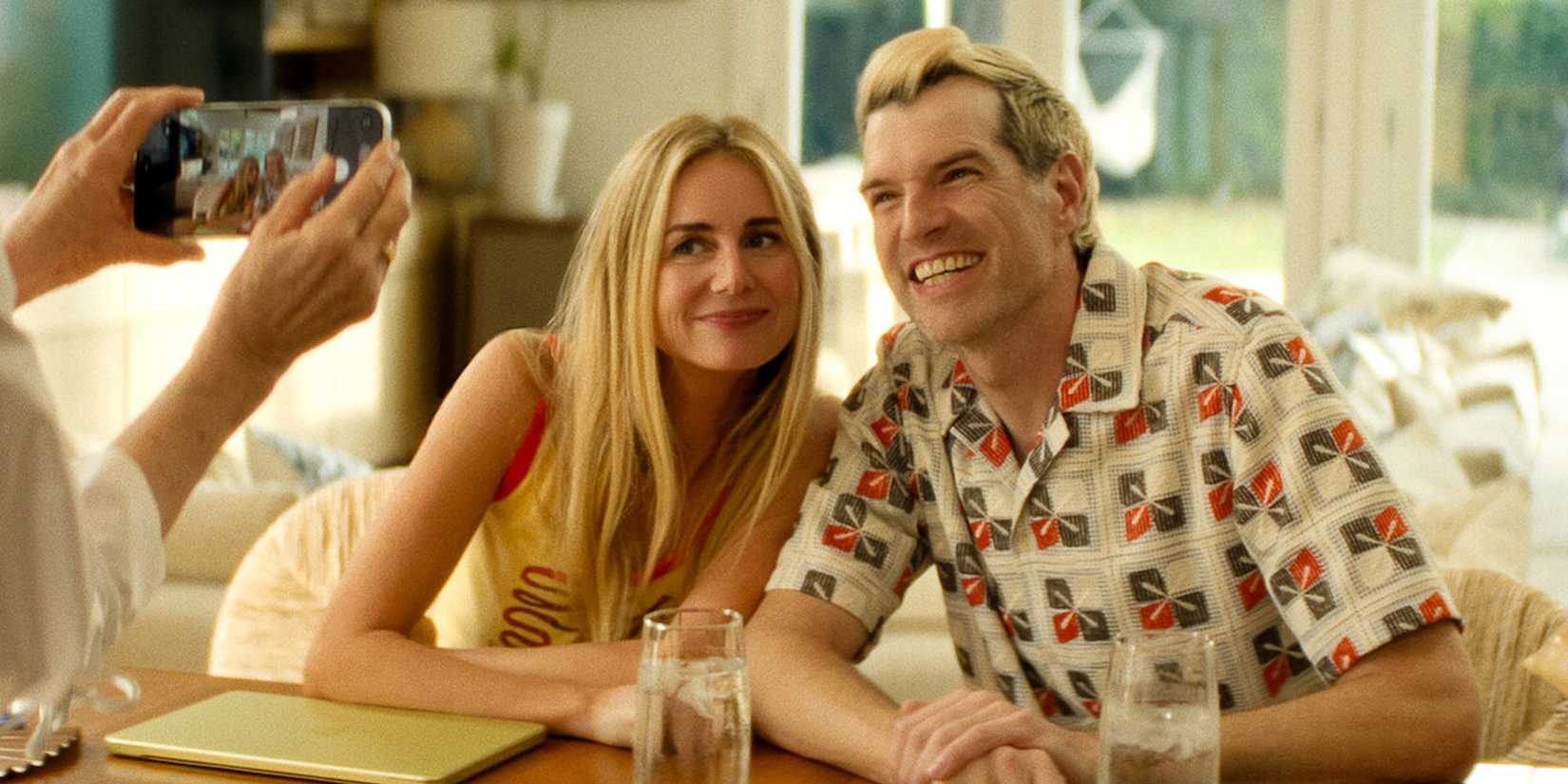
Perhaps the most compelling narrative development in Season 3 is the long-awaited exploration of the dynamic between Morgan (Justine Lupe) and Sasha (Timothy Simons). Since the pilot, their banter has been a highlight, existing as a high-frequency, intellectual flirtation that was always kept at arm’s length by the constraints of marriage and propriety.

With Sasha now navigating the fallout of his divorce, the barriers between him and Morgan have been dismantled. Fans who have tracked their chemistry over the past two seasons will find the payoff immensely satisfying, but it is the maturity of the writing that truly shines. The show treats their potential romance not as a simple rebound, but as a byproduct of personal growth. Both characters are undergoing intense periods of self-discovery, learning who they are outside of the relationships that defined them for so long.
The chemistry between Lupe and Simons is palpable, grounded in a genuine friendship that feels earned rather than forced. By allowing them to navigate their individual traumas and triumphs, the writers have created a secondary romance that is every bit as compelling as the primary one. It serves as a reminder that the best rom-coms understand that the health of the individual is paramount to the health of the partnership.
Supporting Data: Why ‘Nobody Wants This’ Resonates
The success of Nobody Wants This is not accidental; it is a reflection of a shift in audience preferences. According to streaming metrics observed since its 2024 debut, the show has maintained a remarkably consistent retention rate. This is largely attributed to the "low-stakes, high-emotion" format that the series perfected.
In a television landscape often dominated by high-concept sci-fi or dark, gritty dramas, Nobody Wants This offers a "warm hearth" viewing experience. The show’s emphasis on "healthy communication"—a rarity in the genre—has made it a favorite among younger demographics who are increasingly weary of the "miscommunication as a plot device" trope. By having Noah and Joanne actually talk through their issues, the series respects its audience’s intelligence.
Furthermore, the casting of seasoned veterans like Tovah Feldshuh (as Noah’s mother, Bina) provides a gravitas that balances the lighter comedic elements. Feldshuh’s performance, in particular, adds a layer of generational conflict that keeps the show from becoming too saccharine. The audience isn’t just watching a romance; they are watching the intersection of two distinct cultural and familial worlds.
Official Responses and Creative Vision
The creative team, led by showrunners Jenni Konner and Bruce Eric Kaplan, has been vocal about their intention to keep the show grounded. In recent interviews, the creators noted that the decision to move the characters into a shared home was a conscious attempt to challenge the "happily ever after" ending that typically concludes a rom-com.
"The real story starts after the ‘I love you,’" creator Erin Foster has suggested. By focusing on the conversion process and the blending of families, the show is actively engaging with the messy, unglamorous work of sustained commitment. The critical reception has largely echoed this sentiment, with many reviewers pointing out that while the show is undeniably a comedy, it possesses a dramatic weight that allows it to evolve into a "dramedy" of sorts without losing its wit.
The Implications for the Genre
The success of Nobody Wants This has significant implications for the future of streaming rom-coms. It proves that there is a massive, underserved audience for character-driven stories that don’t rely on manufactured external conflicts. The "Noah and Joanne" model—characterized by mutual respect, shared values, and a willingness to compromise—sets a new benchmark for the genre.
Moreover, the show’s ability to maintain a consistent annual release schedule is a testament to the power of a focused, character-centric narrative. By keeping the ensemble tight and the stakes personal rather than global, the production remains agile. As the industry looks toward the next wave of romantic programming, Nobody Wants This stands as a blueprint for how to keep a series fresh without reinventing the wheel every season.
Conclusion: A Love Affair Worth Keeping
As we reach the conclusion of the third season, it is clear that Nobody Wants This has evolved into something far more substantial than a simple streaming hit. It is a nuanced, thoughtful, and genuinely hilarious exploration of what it means to choose someone every day, even when the choice is difficult.
The performances remain the bedrock of the show—Kristen Bell and Adam Brody are, at this point, so comfortable in their characters’ skins that their interactions feel less like scripted scenes and more like captured moments of intimacy. But it is the growth of the entire ensemble, from the witty exchanges between Morgan and Sasha to the complex, matriarchal presence of Bina, that makes the world of the show feel lived-in and real.
Whether this is the final chapter or merely a stepping stone toward a fourth season remains to be seen. However, one thing is certain: the industry needs more shows that treat romance with this much care, intelligence, and humor. Nobody Wants This has managed to make us believe in the "rom-com" all over again, proving that while nobody may have wanted "this" at the start, everyone should be watching it now. As Noah and Joanne navigate their future, they bring the audience along on a journey that is, in every sense, a testament to the enduring power of love—and the hard work required to keep it alive.
