Bridging Borders and Breaking Molds: The 39th Tokyo International Film Festival Expands Its Animation Horizon
TOKYO — As the global animation landscape faces profound technological shifts and evolving audience expectations, the Tokyo InternationalFilmFestival (TIFF) is charting a bold new course. For its upcoming 39th edition, running from October 26 to November 4, the festival’s Animation Selection is stepping beyond the comfortable confines of domestic commercial hits. By spotlighting daring international works alongside a fresh wave of independent Japanese features and hosting critical industry symposiums, TIFF is redefining what contemporary animation can—and should—achieve.
Main Facts: A Global Vision for a Domestic Powerhouse
At its core, the festival’s expanded animation program seeks to bridge a widening cultural gap. While Japan’s domestic animation industry is a financial titan—raking in nearly ¥4 trillion (approximately $25.6 billion) in 2024—programming advisor Ryota Fujitsu points out a persistent paradox: Japanese audiences overwhelmingly consume homegrown series and films, rarely venturing into international arthouse or independent animation.
To counter this insular viewing habit, Fujitsu and his team have curated a diverse slate of international premieres and avant-garde projects. This year’s lineup features high-profile international titles fresh from festivals like Annecy, including:
Iron Boy
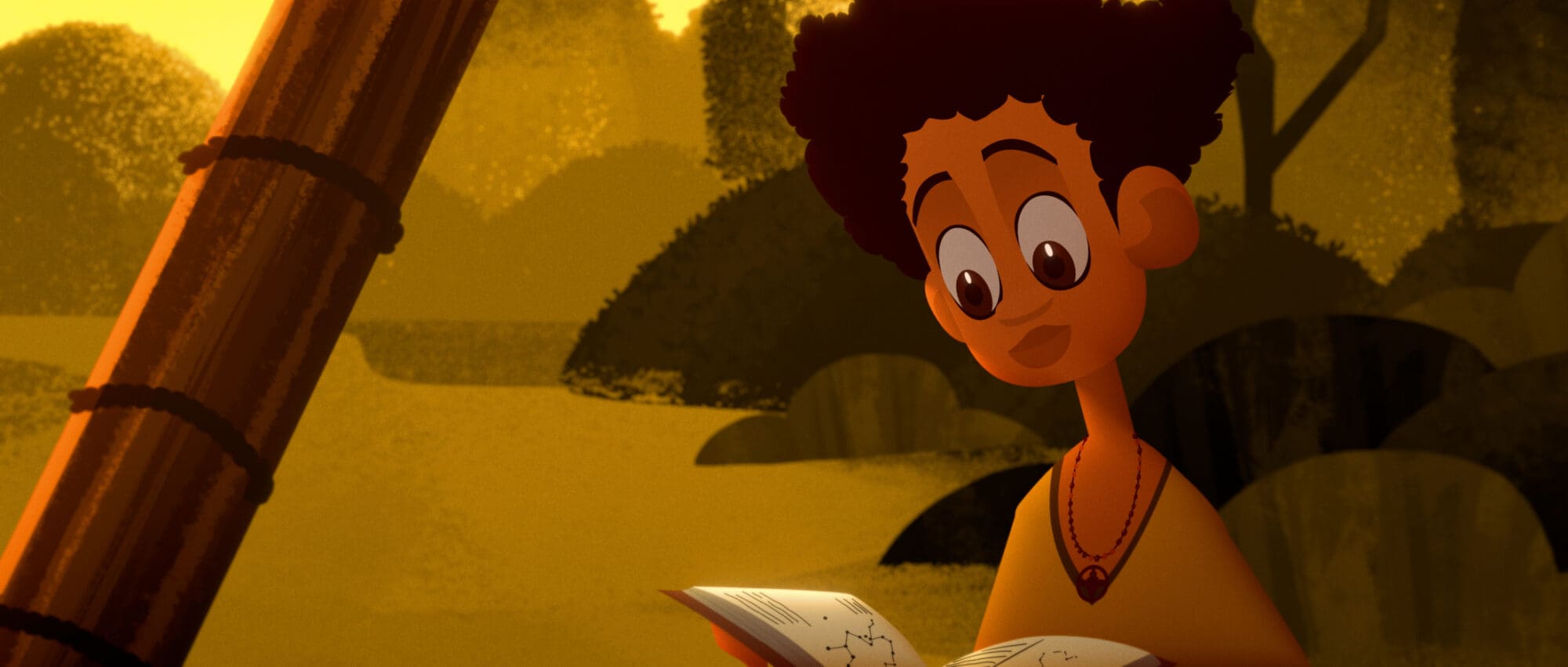
DreamWorks’ Forgotten Island
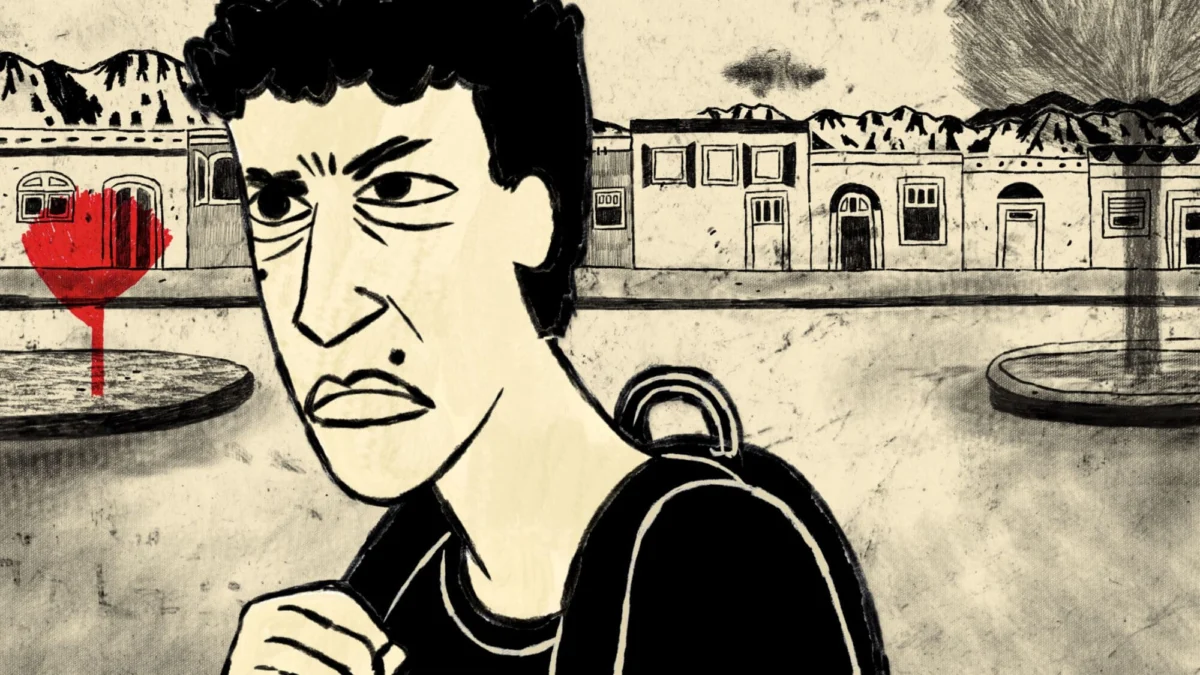
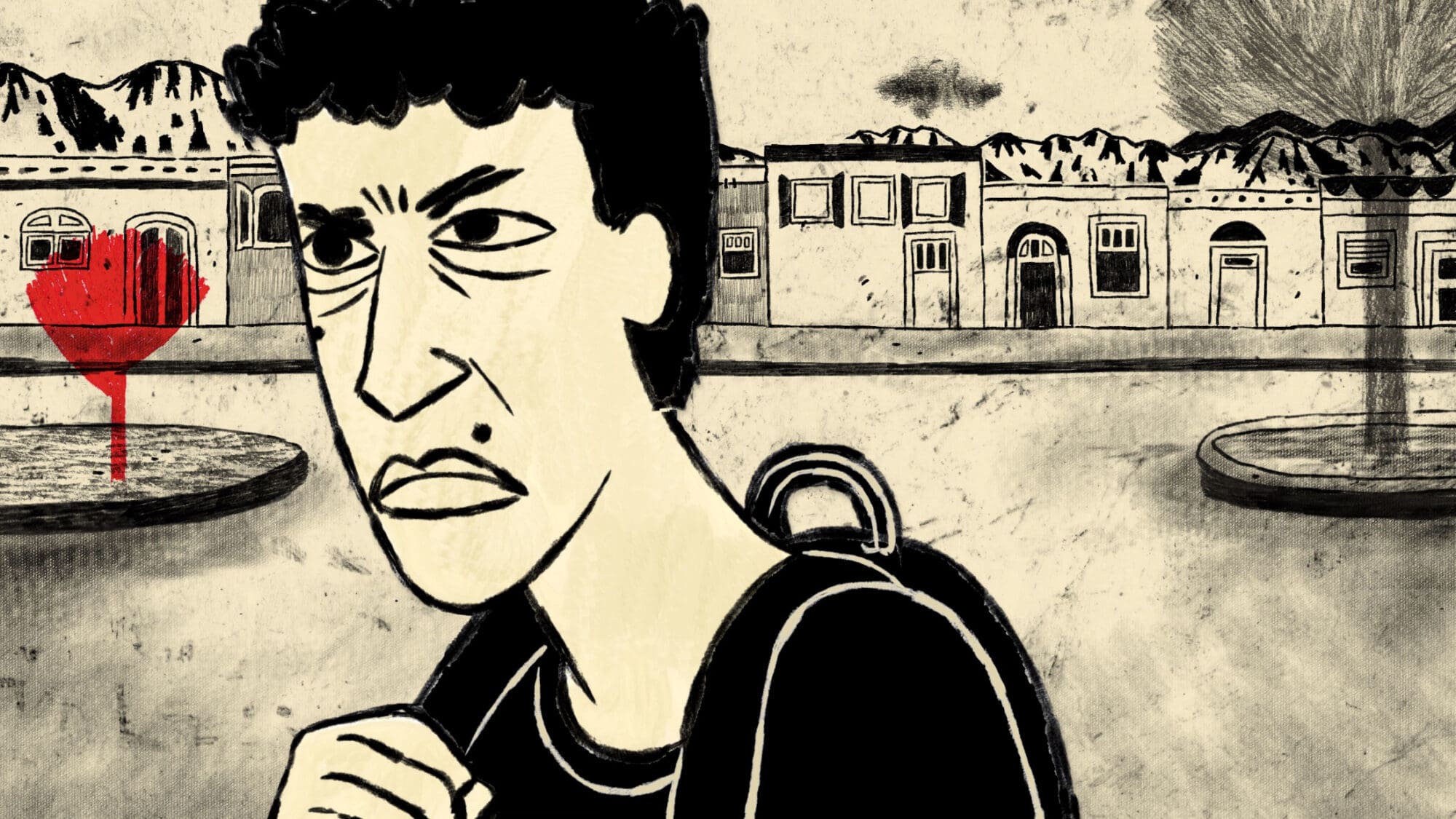
Érica Maradona’s Son of a Bitch, a minimalist, coming-of-age narrative utilizing a stark color palette
Alexandre Poncet’s documentary Walking with Animators, which probes the inner lives and creative burdens of artists in an age increasingly dominated by generative AI debates
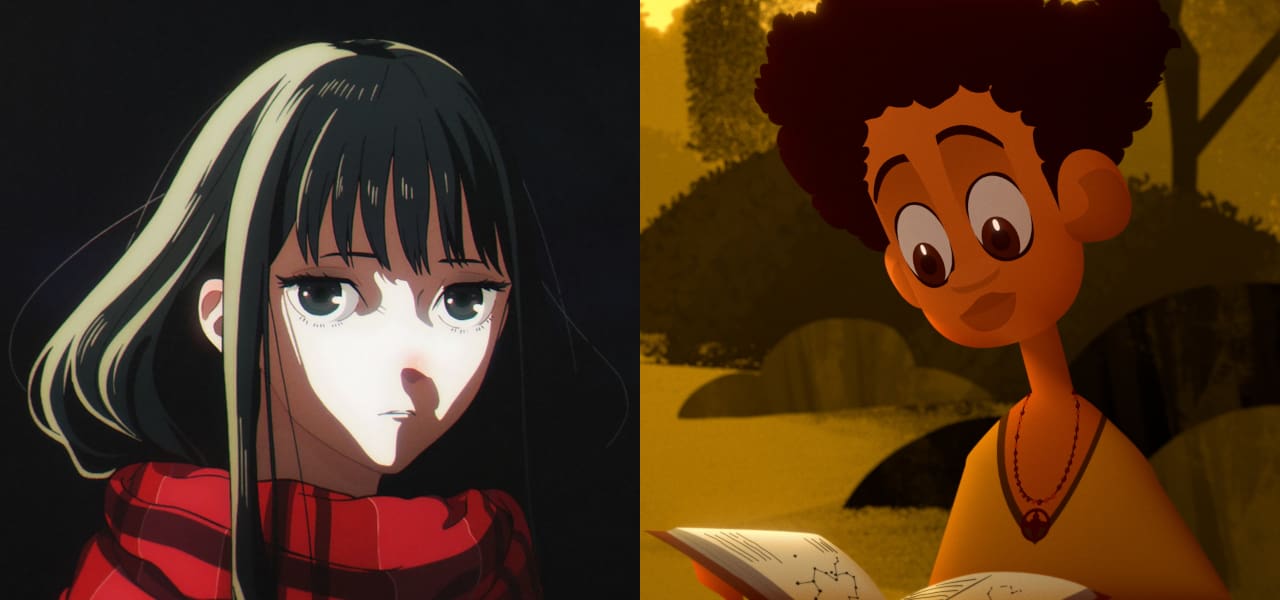
Furthermore, TIFF is serving as a critical launchpad for original Japanese animated features that lack the safety net of pre-existing intellectual property (IP). Uniquely, three highly anticipated original films—Ghost – End of Night, Grotesqqque, and Cherry and Virgin—will make their premiere appearances at the festival, defying the industry’s historic tradition of finishing films mere days before their commercial rollouts.
Chronology and Evolution: From Last-Minute Sprints to Early Showcases
Historically, the Japanese animation machine operates at a breakneck pace, frequently delivering finished prints to theaters at the eleventh hour. This notorious production bottleneck previously made it nearly impossible for domestic features to secure high-profile festival premieres.
However, a structural shift is underway. In recent years, forward-thinking studios and creators have begun developing original projects earlier in the pipeline, deliberately tailoring them for festival runs before wider commercial distribution.
This evolution traces back to successes like Pablo Berger’s Robot Dreams, which screened at TIFF in 2023. Following a subsequent Oscar nomination, the film transformed into a long-running, sleeper theatrical hit in Japan. By proving that festival exposure can translate directly into commercial longevity, Robot Dreams paved the way for this year’s ambitious roster, setting a precedent that upcoming titles like Iron Boy and Amadeo and the Hypothetical New World hope to follow.
Supporting Data and Programming Highlights
The 39th TIFF is structured not merely as a screening venue, but as an intellectual hub for discourse. The festival’s programming relies on deliberate cross-cultural pairing, juxtaposing unconventional international cinema with daring domestic art.
The Lineup of Innovation
International Flair: Films like Son of a Bitch and Amadeo and the Hypothetical New World demonstrate how smaller global industries often foster greater creative risks due to fewer corporate constraints.
Original Domestic Projects: The inclusion of Ghost – End of Night (directed by Shingo Natsume’s sphere of influence), Grotesqqque (directed by Atsushi Nishigori), and Toei Video’s Cherry and Virgin (slated for 2027) represents a direct challenge to the franchise-dominated box office.
Symposiums Spearheading Change
Complementing the screenings are three major symposiums designed to interrogate the current state of animation:
The Thrill of Being an Animator: A deep-dive panel bringing together documentary filmmaker Alexandre Poncet, Shingo Natsume, and Atsushi Nishigori to discuss artistic identity, labor, and creative passion.
Women Directors: Diverse Visions: A landmark panel addressing one of the industry’s most glaring statistical imbalances.
Official Responses and Perspectives
Programming advisor Ryota Fujitsu has been vocal about the philosophy guiding the festival’s selections. In interviews leading up to the event, Fujitsu explained the delicate balance of introducing challenging art to a mainstream Japanese audience:
"We try to be mindful of choosing works that aren’t necessarily what everyone considers the standard of animation," Fujitsu stated. "We want films that expand what people see as interesting animation, as well. But we don’t want to force something into the festival just to be different, even if it isn’t interesting. So I try to include works that I feel truly have appeal, and that I feel I can explain this appeal in my own words."
Drawing an analogy to culinary exploration, Fujitsu likened foreign independent animation to tasting unfamiliar international cuisine:
"To put it another way, even if it isn’t a commercial hit, festivals offer the chance to see the many unique and challenging films that exist around the world. Foreign feature-length animated films, precisely because the industry in their own countries is small, are often more daring creatively. From a Japanese perspective, it’s a bit like trying foreign food. Trying foreign food you’ve never had before is an interesting experience, so I chose to approach the selection for the festival like that."
Regarding the inclusion of female-led features—featuring works by Chika Nagaoka (Detective Conan: The Fist of Blue Sapphire), Kotono Watanabe (Gold Kingdom and Water Kingdom), and Ai Yoshimura (The Rose of Versailles)—Fujitsu noted that the industry is navigating a transitional era:
"Over the past 20 years, the number of women in the Japanese animation industry has increased significantly, and now women are working in all sorts of roles all across the industry. Since becoming a director is often the final step in an animator’s career, it’s taken time for the number of female directors to increase even as the number of female animators has grown… I wanted to introduce these three female directors as a clear example of the fact that there are female animators out there today, in all sorts of roles."
Implications: The Future of Global and Domestic Animation
The broader implications of the 39th Tokyo International Film Festival extend far beyond a ten-day exhibition window.
First, by actively platforming female directors—who historically account for fewer than 5% of feature animation directors globally and in Japan—TIFF is providing a vital structural blueprint for industry equity. Highlighting leaders like Nagaoka, Watanabe, and Yoshimura helps normalize women at the helm of major theatrical projects, potentially accelerating a shift in how studios groom talent.
Second, the festival’s emphasis on original, non-IP storytelling addresses an existential threat to commercial animation: creative stagnation. While franchise films ensure guaranteed box office returns, they frequently stifle artistic risk-taking. By giving original Japanese features an early platform to build grassroots momentum, TIFF acts as a counterweight to risk-averse studio boards.
Finally, the dialogue fostered between international and domestic creators—especially amidst anxieties surrounding AI automation and shifting labor standards—cements TIFF’s role as a vital geopolitical touchpoint. By treating animation not just as an entertainment commodity, but as a universal medium capable of transcending cultural borders, the 39th Tokyo International Film Festival is actively laying the groundwork for a more adventurous, globally connected cinematic future.
The 39th Tokyo International Film Festival runs from October 26 to November 4.